


Login
Get Instant Pricing On 23,000+ Aircraft


Quicksilver ultralight airplanes are lightweight, open-cockpit aircraft known for their accessibility and ease of use, with over 15,000 units produced since the 1970s. They offer a unique flying experience, ideal for recreational pilots, while also complementing private aviation through charter services for longer trips.
Jay Franco Serevilla
Aug 15, 2026
|
5
min read



View all
The Wheels Up private jet center FBO at Cincinnati/Northern Kentucky International Airport has transitioned to PremierFBO, operated by Premier Private Jets since April 2025. This guide details the changes, current services, and booking processes for private aviation travelers using this key facility.
Jeff Ryan Serevilla
Sep 22, 2026
|
5
min read

View all
Helicopter rides typically last between 10 minutes and 2 hours, depending on the purpose and distance. Sightseeing flights usually range from 10 to 45 minutes, while point-to-point transfers can take longer. Understanding these timeframes helps travelers plan their itineraries effectively.
Jeff Ryan Serevilla
Sep 22, 2026
|
5
min read

View all
The N224LD Embraer Legacy 600 is a 2006 business jet known for its spacious three-zone cabin and long-range capabilities. Operated by Cloud Enterprise Holdings LLC, it offers luxury private charters from Teterboro, NJ. With a maximum range of 3,250 nautical miles, this aircraft is ideal for corporate and family travel, providing comfort and productivity in the air.
Jeff Ryan Serevilla
Sep 22, 2026
|
5
min read

View all
The emergence of flying chefs is transforming private jet travel by offering personalized, high-quality dining experiences at cruising altitude. These culinary professionals elevate in-flight meals, adapting menus to passenger preferences and ensuring gourmet quality. As luxury travel evolves, flying chefs are becoming essential for discerning travelers seeking exceptional onboard dining.
Jeff Ryan Serevilla
Sep 22, 2026
|
5
min read

View all
The Gulfstream G550 N550EW is an ultra-long-range private jet ideal for both business and leisure travel. With a range of over 6,700 nautical miles and luxurious amenities, it offers exceptional comfort and operational flexibility. This guide covers the aircraft's features, booking process, and pricing, making it a valuable resource for potential travelers.
Jeff Ryan Serevilla
Sep 22, 2026
|
5
min read

View all
Chartering a private jet to Bora Bora offers luxury travelers a seamless and flexible travel experience, bypassing the hassles of commercial flights. With Jettly, you can choose from a wide range of aircraft and enjoy competitive pricing, ensuring a comfortable journey to this stunning destination. This guide covers routes, pricing, and how to book your private jet charter effortlessly.
Jeff Ryan Serevilla
Sep 22, 2026
|
5
min read
Explore our latest articles and updates.
5
min read
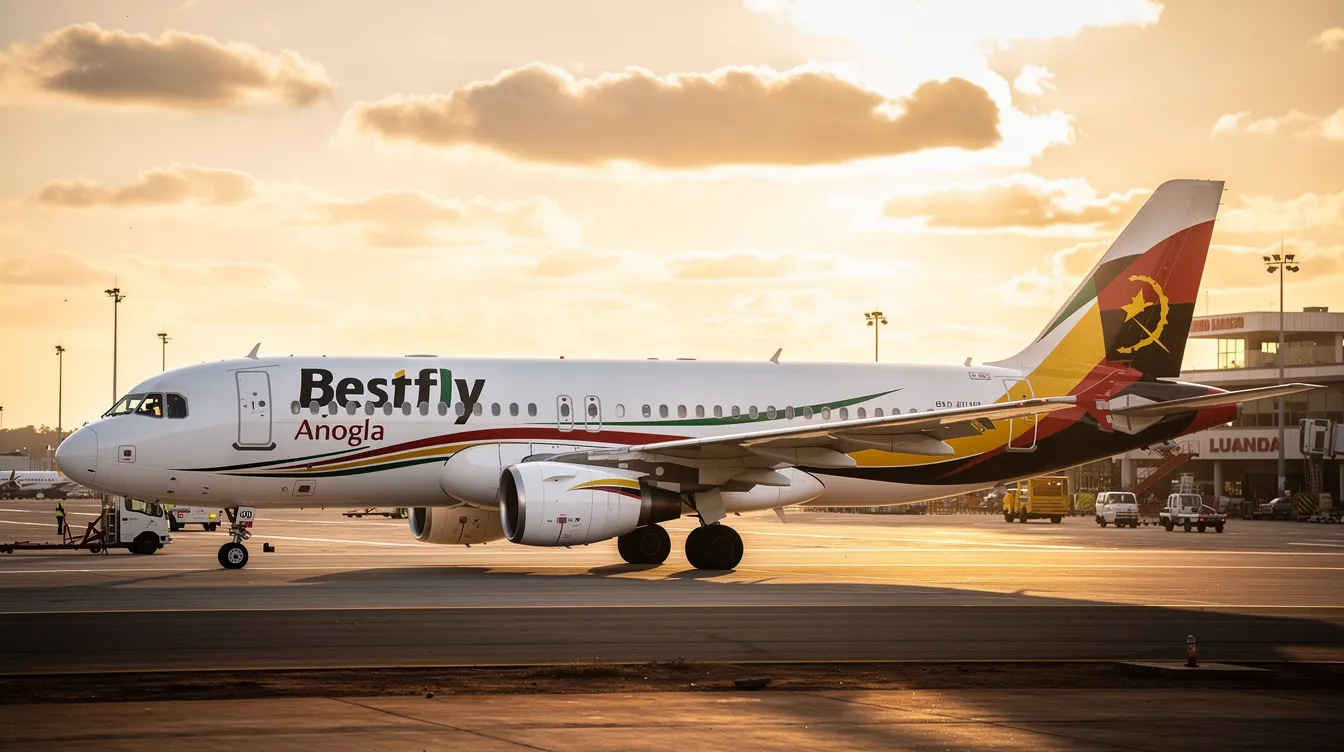
Bestfly Angola: Business Aviation Handling and Charter Alternatives
Bestfly Angola is the leading provider of business aviation handling at Luanda's 4 de Fevereiro International Airport, offering VIP ground services and aircraft management. With a fleet of six aircraft and partnerships with Jettly, they facilitate seamless private jet charters for corporate and private travelers in Angola. Their expertise ensures safety, efficiency, and reliability in a demanding aviation market.
Read More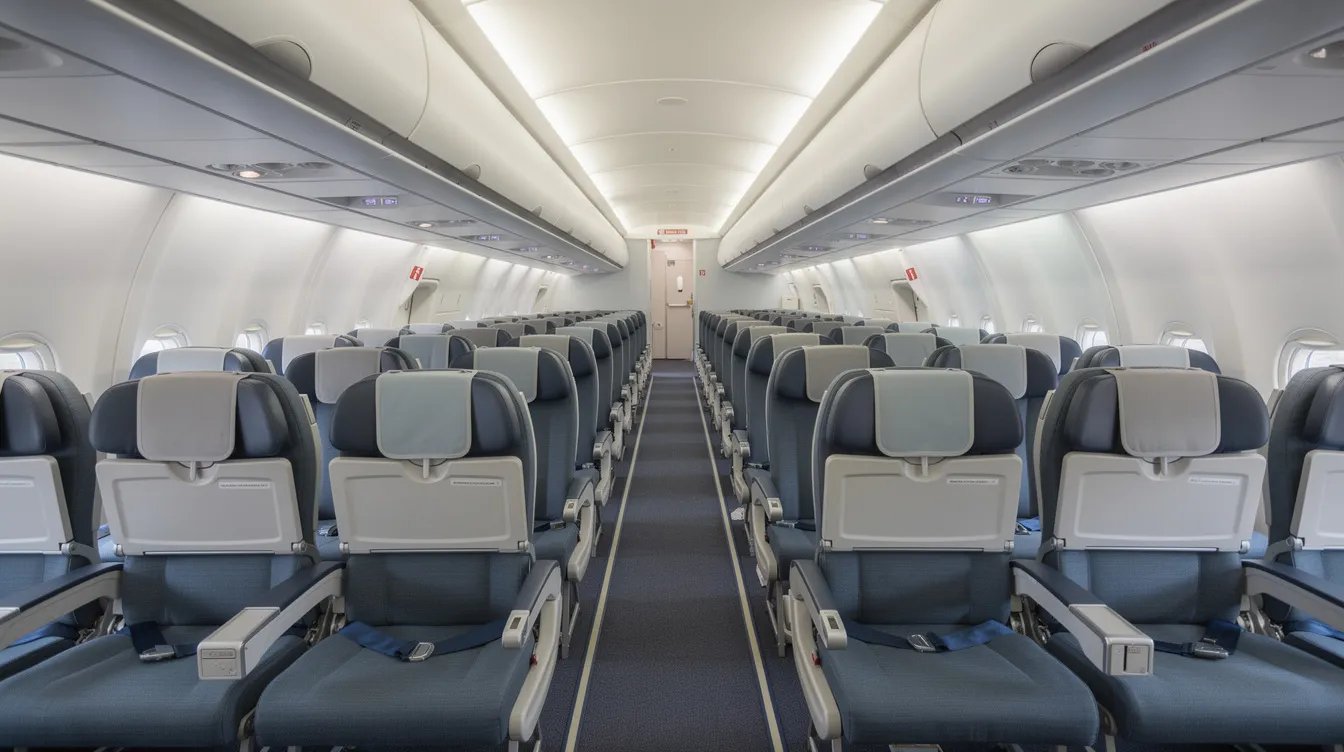
5
min read
How Many Seats on an Airplane? From 4-Seat Jets to 800-Seat Airliners
The number of seats on an airplane varies widely based on aircraft type, airline configuration, and cabin class. From small jets accommodating 4 passengers to massive airliners like the Airbus A380 that can hold over 800, understanding these differences helps travelers make informed choices. This guide explores seat counts across various aircraft categories, ensuring you know what to expect before your flight.
Read MoreJoin our community and receive the latest blog updates directly in your inbox.
MEMBERSHIPS AND ASSOCIATIONS



Disclaimer: Jettly operates as a charter broker, offering access to a global digital jet charter marketplace. Jettly is not a direct air carrier and does not own or operate aircraft. All advertised flights are conducted by third-party air carriers that are fully licensed and hold the appropriate Part 135 or Part 121 certifications issued by the Federal Aviation Administration (FAA) or equivalent regulatory authorities under U.S. or foreign law. Jettly complies fully with the U.S. Department of Transportation's Part 295 and Part 298 Charter Broker regulations. Jettly does not carry additional liability insurance. Passengers are covered by aircraft operator insurance. TICO: 50023770


