


Login
Get Instant Pricing On 23,000+ Aircraft


Cessna charter flights provide an affordable and flexible option for private air travel, ideal for short to mid-range trips. With capacity for 1 to 5 passengers, these flights offer direct routing to smaller airports that larger jets cannot access. Jettly connects travelers to certified operators, ensuring safety and transparency in booking without long-term commitments.
Jay Franco Serevilla
Aug 19, 2026
|
5
min read



View all
Royal Air Freight Inc. has been a trusted name in charter and air freight services since 1961, specializing in expedited cargo and passenger flights across North America. Jettly, a digital charter broker, offers a broader marketplace for comparing private jet and cargo flight options, providing travelers with greater flexibility and instant pricing.
Jay Franco Serevilla
Sep 27, 2026
|
5
min read

View all
Jet Aviation Bozeman provides private jet access to the stunning landscapes of Big Sky Country, located at Bozeman Yellowstone International Airport. With a full-service FBO and Jettly's digital charter marketplace, travelers can easily book flights and enjoy seamless ground transportation to popular destinations like Big Sky Resort and Yellowstone National Park.
Jay Franco Serevilla
Sep 27, 2026
|
5
min read

View all
The Aero Commander 690 is a versatile twin-turboprop aircraft ideal for regional charter flights, accommodating 5 to 9 passengers. Known for its short-field capabilities and cost-effectiveness, it offers a practical solution for business and leisure travel. With a range of approximately 1,790 miles and powered by reliable Honeywell engines, it's a popular choice for those seeking efficient air travel.
Jay Franco Serevilla
Sep 27, 2026
|
5
min read
View all
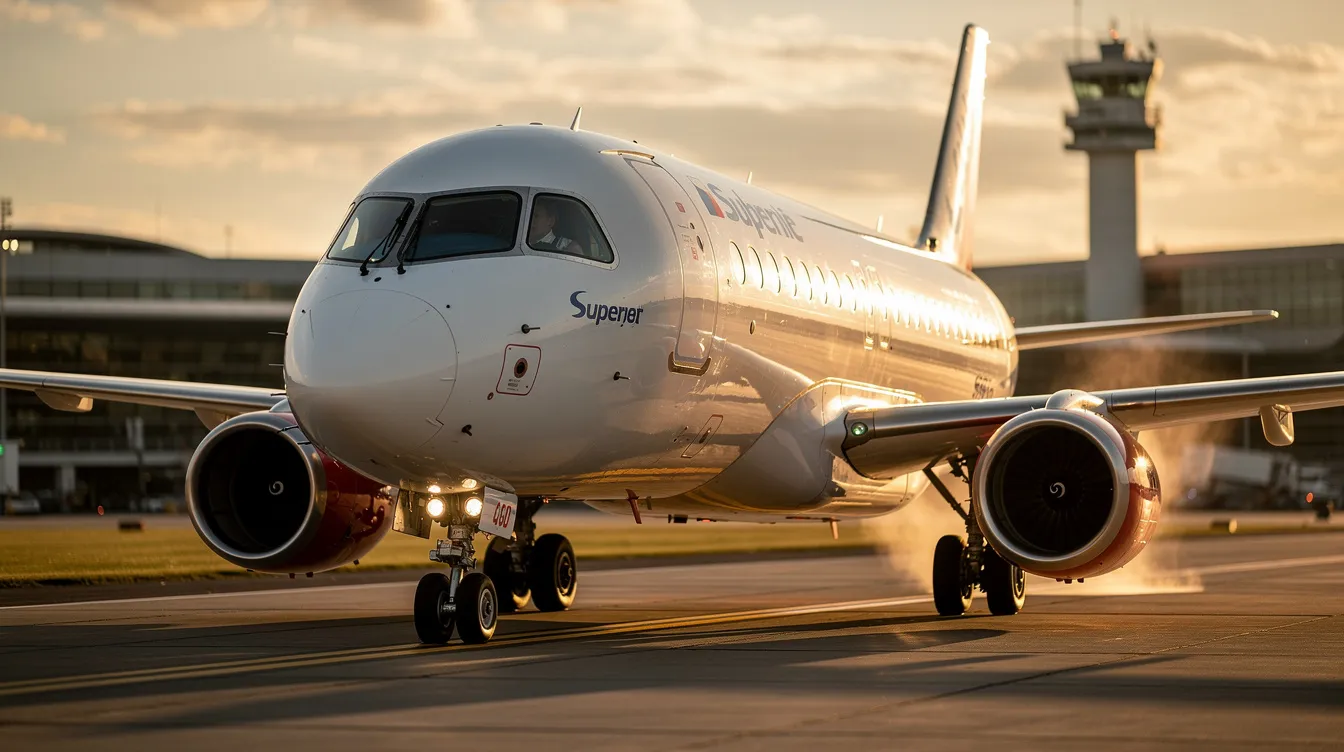
The Sukhoi Superjet SSJ100 is Russia's premier regional jet, designed for short to medium-haul routes with a capacity of 68-103 passengers. Despite its modern design and capabilities, the aircraft faces challenges due to sanctions and limited global support, impacting its international operations. This guide provides insights into its variants, charter use, and operational considerations for aviation enthusiasts and travel planners.
Jay Franco Serevilla
Sep 27, 2026
|
5
min read

View all
White Cloud Aviation in Lake Havasu City offers specialized flight training and private jet charter services, making it an ideal destination for pilots and leisure travelers. With year-round flying conditions and a focus on cloud aviation skills, students can enhance their training while enjoying seamless travel through platforms like Jettly.
Jay Franco Serevilla
Sep 27, 2026
|
5
min read

View all
BAJ jets, or Book-A-Jet platforms, are revolutionizing private aviation by providing digital access to over 20,000 aircraft worldwide. Platforms like Jettly offer live pricing, transparent quotes, and flexible booking options, making private jet travel more accessible than ever. This article explores how these platforms work, their pricing models, and the overall booking experience.
Jay Franco Serevilla
Sep 27, 2026
|
5
min read
Explore our latest articles and updates.

5
min read
Hereford Municipal Airport (KHRX) Guide for Private Flyers
Hereford Municipal Airport (KHRX) is a public-use airport in Hereford, TX, catering to private flyers and business travelers. With a 6,100-foot runway and essential amenities, it provides direct access to the Texas Panhandle's agricultural region without the congestion of commercial terminals.
Read More
5
min read
10 Million Dollar Private Jet: What You Really Get for That Budget
A $10 million budget for a private jet offers access to top-tier light jets and pre-owned midsize jets, providing flexibility for business and family travel. This guide explores the aircraft options, operating costs, and the benefits of ownership versus chartering through platforms like Jettly. Understanding these factors can help buyers make informed decisions about their aviation needs.
Read MoreJoin our community and receive the latest blog updates directly in your inbox.
MEMBERSHIPS AND ASSOCIATIONS



Disclaimer: Jettly operates as a charter broker, offering access to a global digital jet charter marketplace. Jettly is not a direct air carrier and does not own or operate aircraft. All advertised flights are conducted by third-party air carriers that are fully licensed and hold the appropriate Part 135 or Part 121 certifications issued by the Federal Aviation Administration (FAA) or equivalent regulatory authorities under U.S. or foreign law. Jettly complies fully with the U.S. Department of Transportation's Part 295 and Part 298 Charter Broker regulations. Jettly does not carry additional liability insurance. Passengers are covered by aircraft operator insurance. TICO: 50023770


