


Login
Get Instant Pricing On 23,000+ Aircraft


GUS Airport, or Grissom Air Reserve Base, serves as a unique joint-use facility in Peru, Indiana, primarily supporting military operations with limited civilian access. With a 12,501-foot runway and advanced instrument procedures, it caters to private jet travelers while requiring careful planning and prior permissions for access.
Jay Franco Serevilla
Aug 19, 2026
|
5
min read



View all
The emergence of flying chefs is transforming private jet travel by offering personalized, high-quality dining experiences at cruising altitude. These culinary professionals elevate in-flight meals, adapting menus to passenger preferences and ensuring gourmet quality. As luxury travel evolves, flying chefs are becoming essential for discerning travelers seeking exceptional onboard dining.
Jeff Ryan Serevilla
Sep 22, 2026
|
5
min read

View all
The Gulfstream G550 N550EW is an ultra-long-range private jet ideal for both business and leisure travel. With a range of over 6,700 nautical miles and luxurious amenities, it offers exceptional comfort and operational flexibility. This guide covers the aircraft's features, booking process, and pricing, making it a valuable resource for potential travelers.
Jeff Ryan Serevilla
Sep 22, 2026
|
5
min read

View all
Chartering a private jet to Bora Bora offers luxury travelers a seamless and flexible travel experience, bypassing the hassles of commercial flights. With Jettly, you can choose from a wide range of aircraft and enjoy competitive pricing, ensuring a comfortable journey to this stunning destination. This guide covers routes, pricing, and how to book your private jet charter effortlessly.
Jeff Ryan Serevilla
Sep 22, 2026
|
5
min read
View all
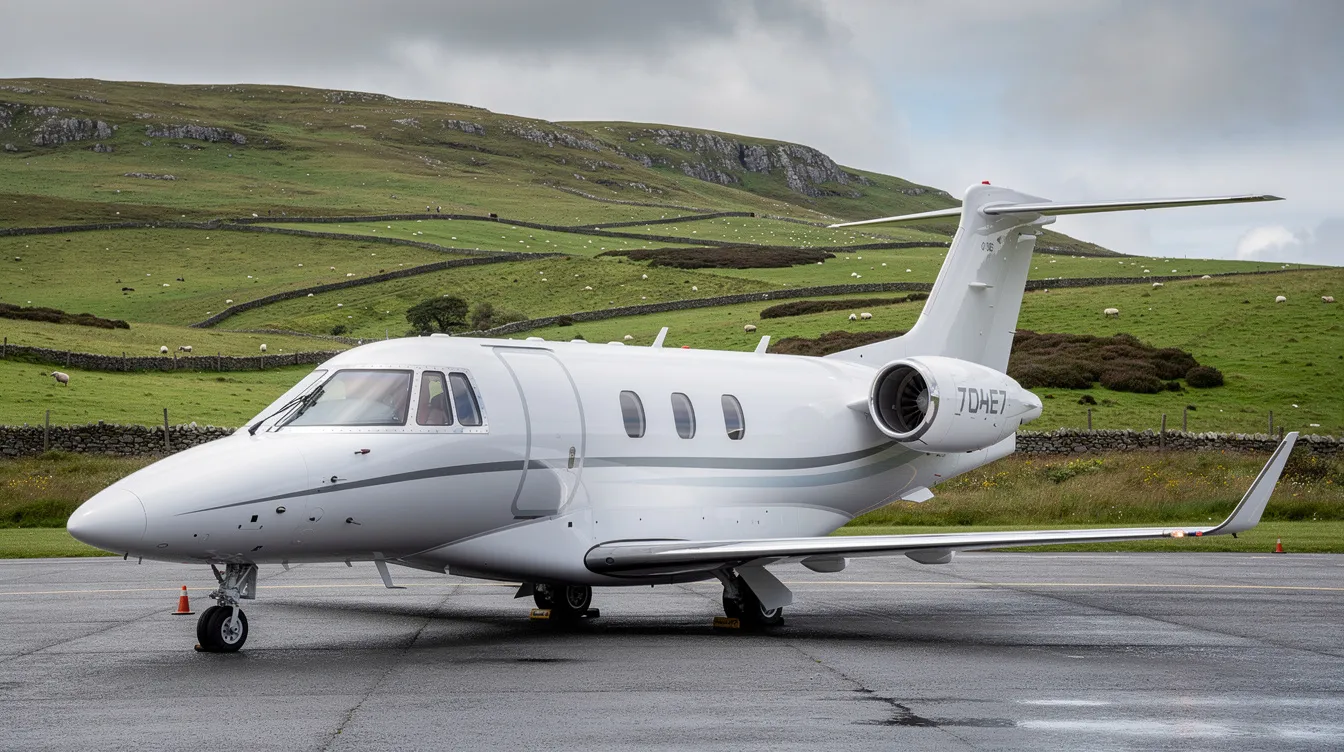
Chartering a private jet to Edinburgh offers unparalleled convenience and efficiency for business travelers, golf enthusiasts, and festival-goers. With quick access to the city and tailored services, private aviation enhances the travel experience significantly. Jettly provides a seamless platform for booking a wide range of aircraft to suit any itinerary.
Jeff Ryan Serevilla
Sep 22, 2026
|
5
min read

View all
Cleveland Jet Charter offers travelers the flexibility and convenience of private flights to and from Cleveland, Ohio. With access to over 20,000 aircraft globally, Jettly simplifies the booking process, allowing clients to choose their departure times and aircraft without long-term commitments. Ideal for business or leisure travel, private jet charters provide enhanced privacy and productivity.
Jeff Ryan Serevilla
Sep 22, 2026
|
5
min read

View all
A transatlantic flight is any air journey that crosses the Atlantic Ocean, connecting continents like North America and Europe. This guide explores the history, modern routes, and private jet options for transatlantic travel, highlighting the evolution from early flights to today's efficient services. Jettly offers insights into planning and booking private transatlantic flights, ensuring flexibility and comfort for travelers.
Jeff Ryan Serevilla
Sep 22, 2026
|
5
min read
Explore our latest articles and updates.

5
min read
Tiger Woods' Gulfstream G550: How elite athletes manage multicity travel
This article explores Tiger Woods' $53 million Gulfstream G550 and how high-performance private aviation serves as a crucial tool for top athletes. Beyond comfort and luxury, the jet's low cabin altitude pressurization, massive storage for specialized physio equipment, and direct long-range flight capabilities help Woods manage chronic injuries and travel fatigue while navigating a demanding global competition schedule.
Read More
5
min read
Helicopter Flying Time: How Long Your Flight Should Really Be
This guide provides insights into helicopter flying times, helping travelers understand what to expect when booking a flight. Factors such as distance, weather, and aircraft type influence the duration of flights, with typical airborne times ranging from 15 to 60 minutes. Knowing these details allows for better planning and a more enjoyable charter experience.
Read MoreJoin our community and receive the latest blog updates directly in your inbox.
MEMBERSHIPS AND ASSOCIATIONS



Disclaimer: Jettly operates as a charter broker, offering access to a global digital jet charter marketplace. Jettly is not a direct air carrier and does not own or operate aircraft. All advertised flights are conducted by third-party air carriers that are fully licensed and hold the appropriate Part 135 or Part 121 certifications issued by the Federal Aviation Administration (FAA) or equivalent regulatory authorities under U.S. or foreign law. Jettly complies fully with the U.S. Department of Transportation's Part 295 and Part 298 Charter Broker regulations. Jettly does not carry additional liability insurance. Passengers are covered by aircraft operator insurance. TICO: 50023770


