


Login
Get Instant Pricing On 23,000+ Aircraft

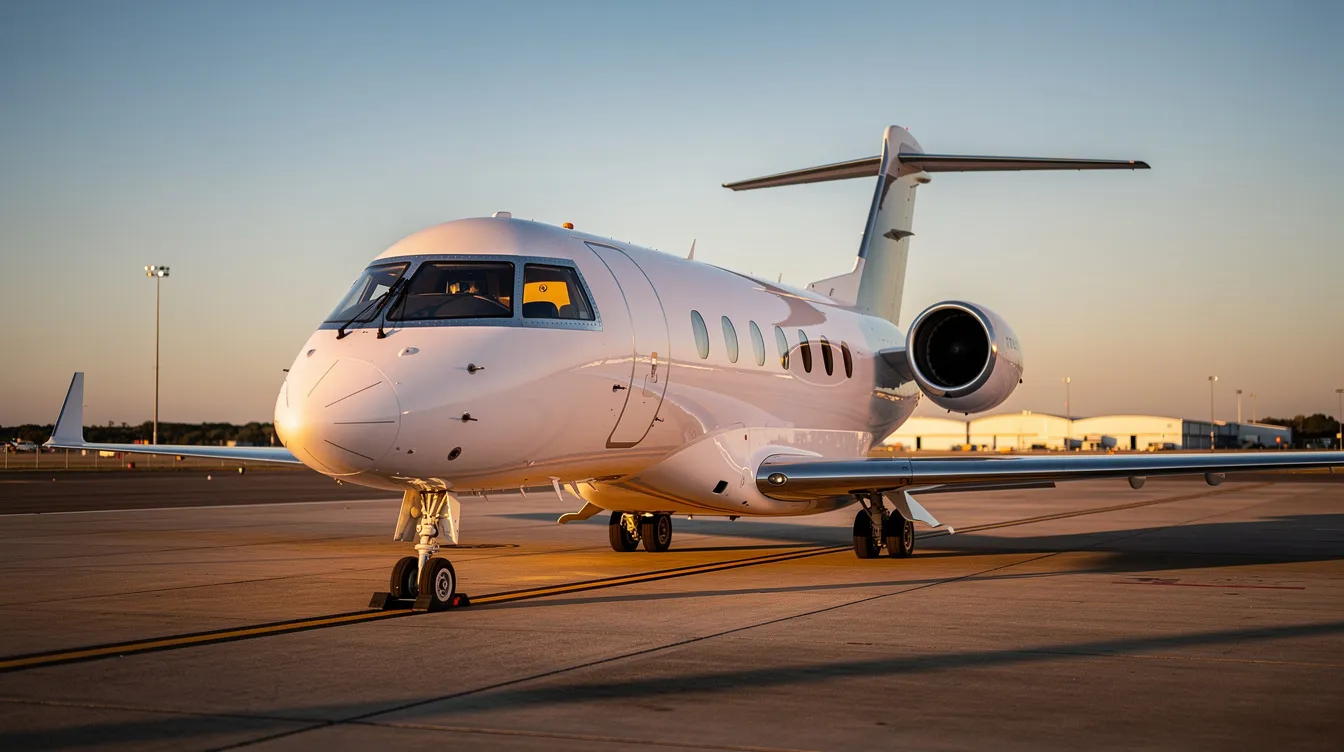
The Conexon jet incident on March 3, 2023, involved a Bombardier Challenger 300 that experienced a fatal in-flight upset, initially attributed to severe turbulence. However, investigations revealed a complex interplay of human error and procedural failures, emphasizing the importance of safety protocols in private aviation. This incident serves as a critical reminder for passengers about the significance of wearing seat belts and understanding flight safety measures.
Jay Franco Serevilla
Sep 11, 2026
|
5
min read


View all
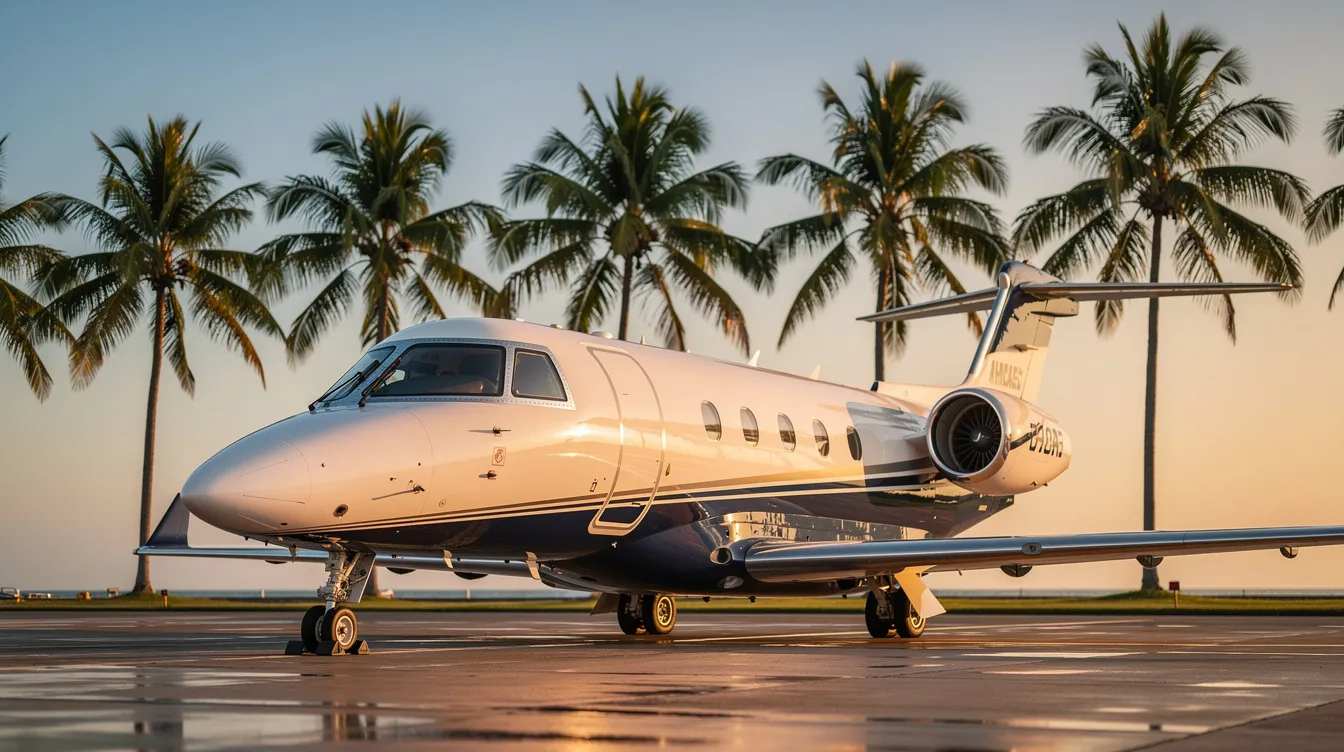
Traveling from Pittsburgh to Key West offers various flight options, including limited nonstop services and connecting itineraries. Private charters provide a direct and flexible alternative, with prices and schedules varying by season. Understanding the best times to book and the differences between commercial and private flights can enhance your travel experience.
Jeff Ryan Serevilla
Oct 9, 2026
|
5
min read
View all
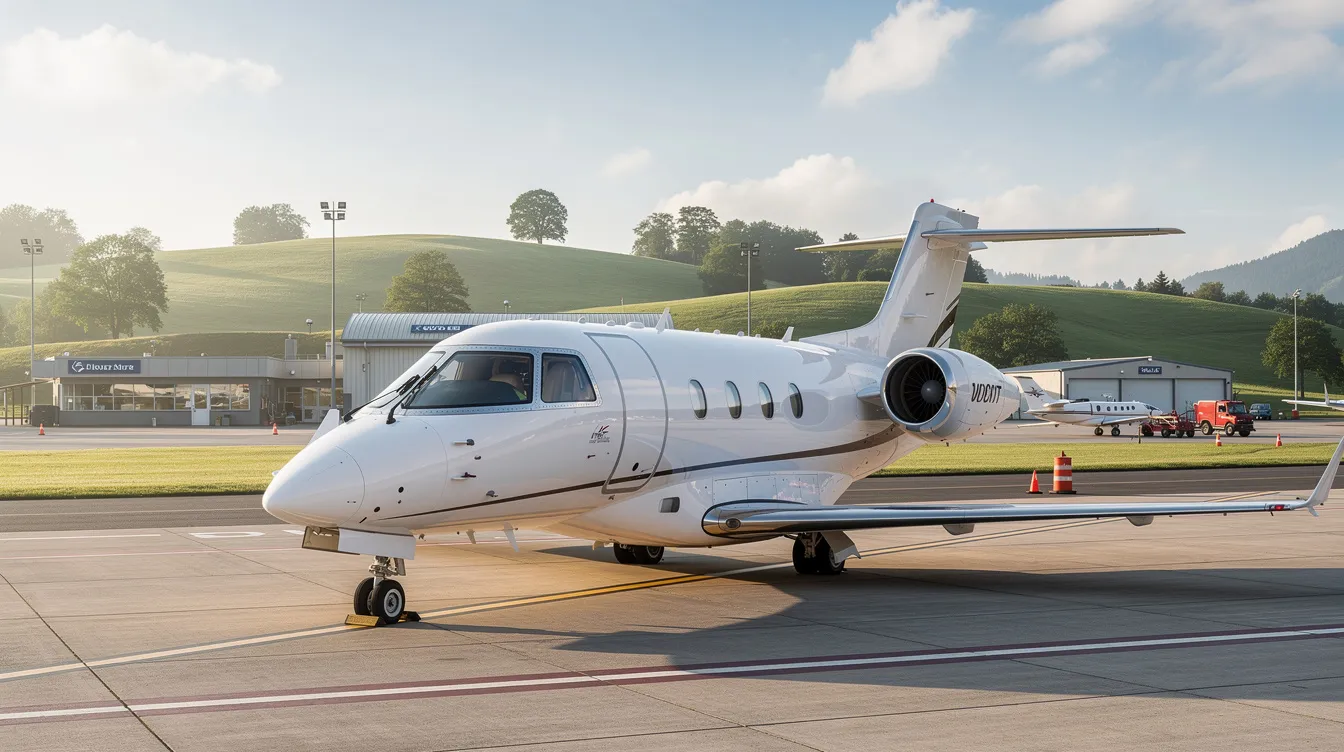
Celebrity jet tracking has emerged as a significant topic at the intersection of technology, privacy, and environmental accountability. Initiated by Jack Sweeney, this practice involves monitoring and publicly sharing the flight movements of private jets owned by celebrities, raising important discussions about privacy, safety, and the environmental impact of private aviation. As public interest grows, platforms like Jettly adapt to meet the evolving expectations of privacy and responsibility in private jet travel.
Jeff Ryan Serevilla
Oct 9, 2026
|
5
min read

View all
Booking flights for December, especially around Christmas, requires strategic planning to secure the best prices. The ideal booking window typically falls between 33 and 67 days before departure, with early September being the time to start tracking fares. Flexibility with travel dates and routes can lead to significant savings, making it crucial to understand fare patterns and dynamics during this peak travel season.
Jeff Ryan Serevilla
Oct 9, 2026
|
5
min read
View all
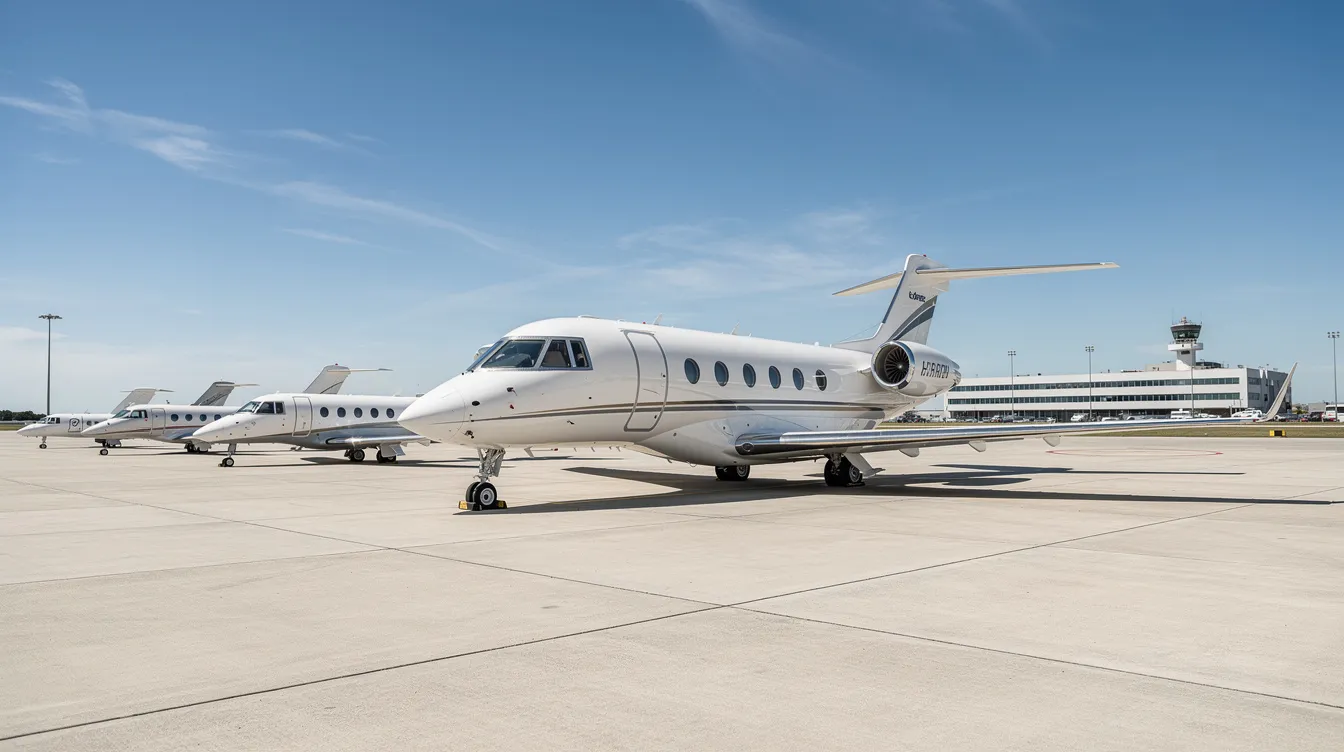
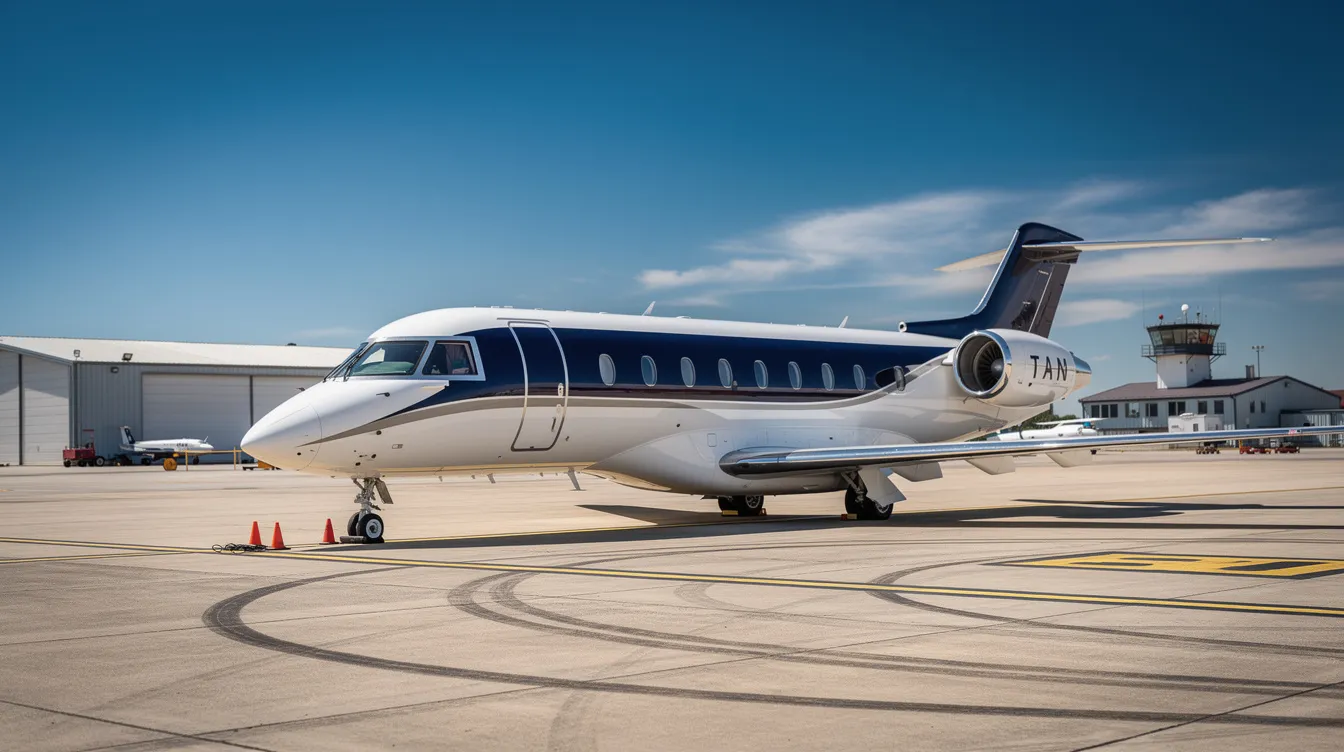
The private jet market is experiencing significant growth, projected to rise from USD 25.5 billion in 2024 to USD 38.25 billion by 2033. Key drivers include increasing demand from high-net-worth individuals, technological advancements, and a shift towards charter services over ownership. Jettly offers a flexible platform for travelers to access a vast network of private jets, catering to the evolving needs of business and leisure travelers.
Jeff Ryan Serevilla
Oct 9, 2026
|
5
min read
View all
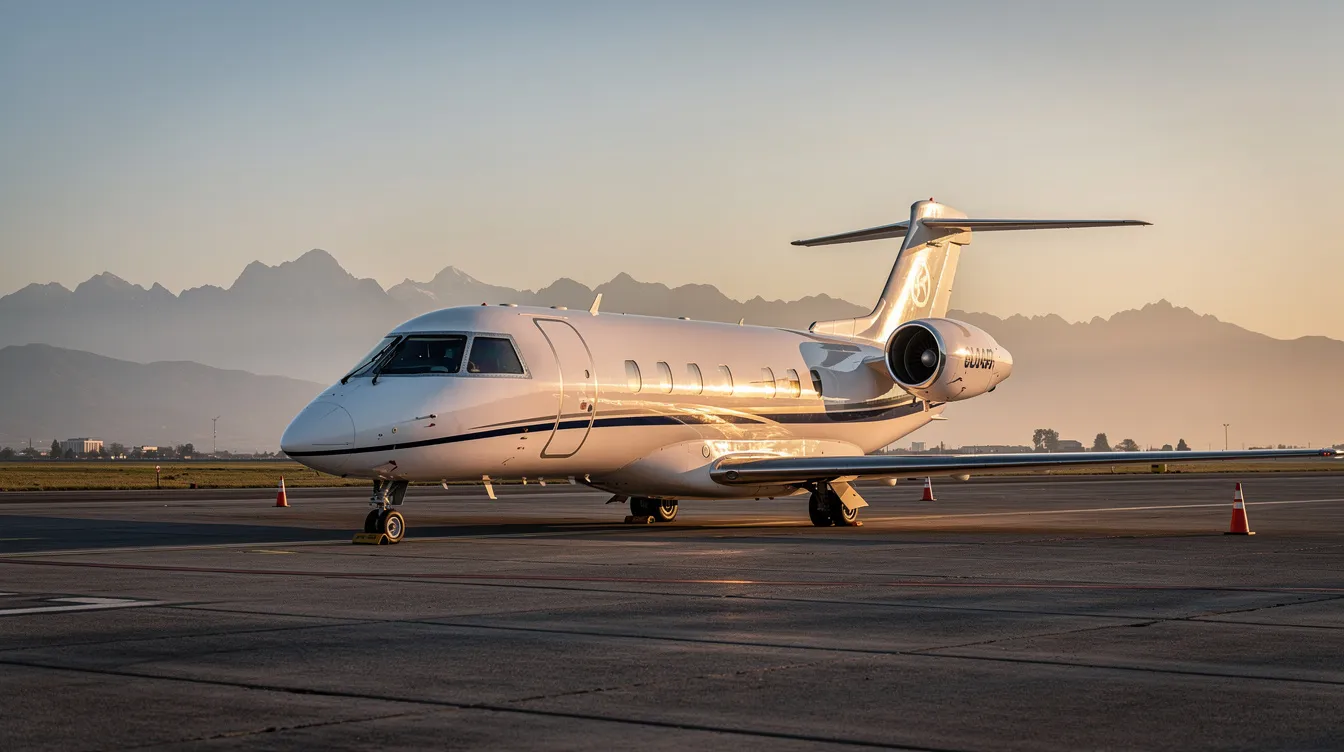
In 2026, private jet rental costs range from $2,000 to $24,000 per flight hour, influenced by aircraft type and route. This guide provides insights into hourly rates, hidden fees, and cost-saving strategies, helping travelers choose the best access model for their needs. Jettly's digital marketplace offers instant pricing and transparency for private jet bookings.
Jeff Ryan Serevilla
Oct 8, 2026
|
5
min read
View all
The Dassault Falcon 20F is a notable midsize business jet that played a crucial role in defining the charter category from the 1970s to the 1980s. While it offers a rich history and solid performance, modern jets surpass it in efficiency, comfort, and technology. Today, platforms like Jettly provide access to newer alternatives that better meet the needs of private travelers.
Jeff Ryan Serevilla
Oct 8, 2026
|
5
min read
Explore our latest articles and updates.
5
min read
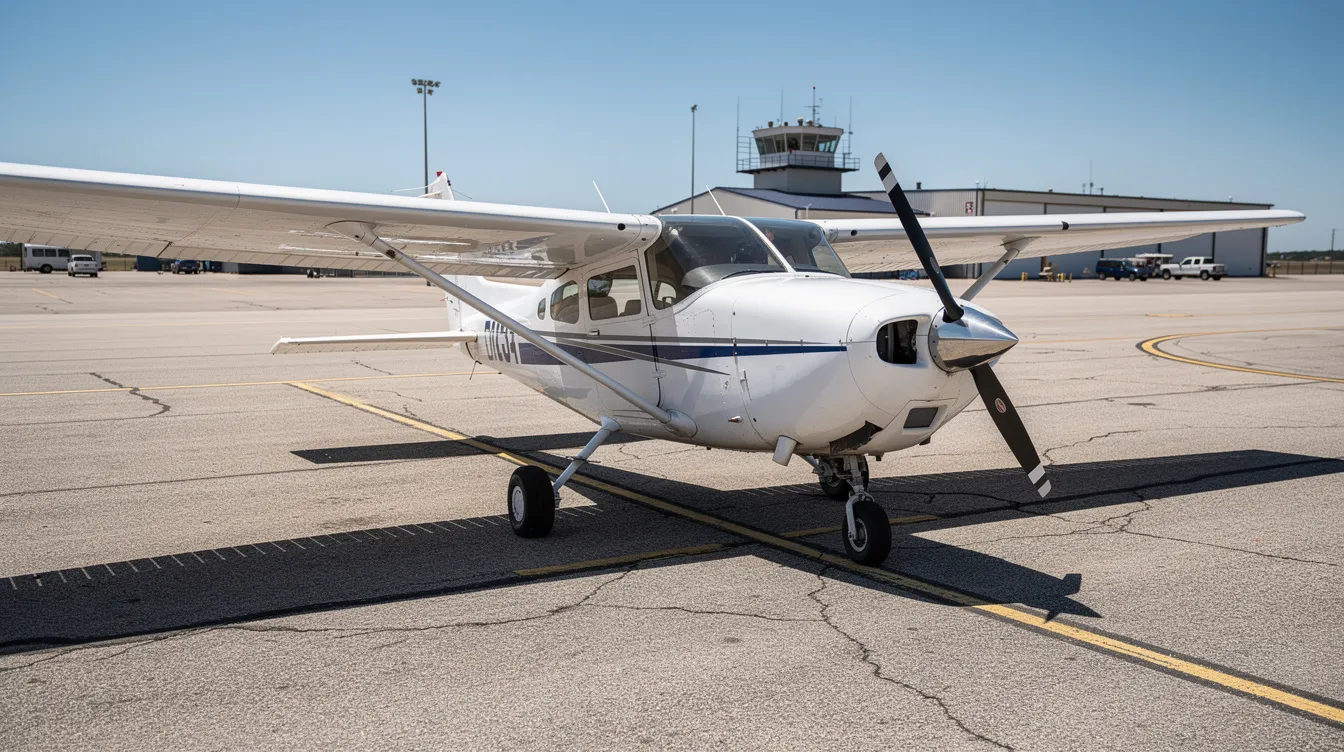
The Real Cost of Aircraft Ownership: What It Takes in 2026
Owning an aircraft in 2026 involves significant costs beyond the initial purchase price, including ongoing expenses such as hangar fees, insurance, fuel, and maintenance, which can total 15-25% of the aircraft's value annually. Fixed costs are incurred regardless of usage, while variable costs depend on flight hours, making ownership financially viable primarily for those flying over 200-250 hours per year for turboprops and jets, and 100-150 hours for piston aircraft. For those flying less frequently, chartering through platforms like Jettly often proves more economical, eliminating fixed ownership costs and offering access to a wide range of aircraft. A thorough understanding of all cost layers—acquisition, fixed, variable, and long-term expenses—is essential for prospective buyers to make informed decisions about aircraft ownership versus charter options.
Read More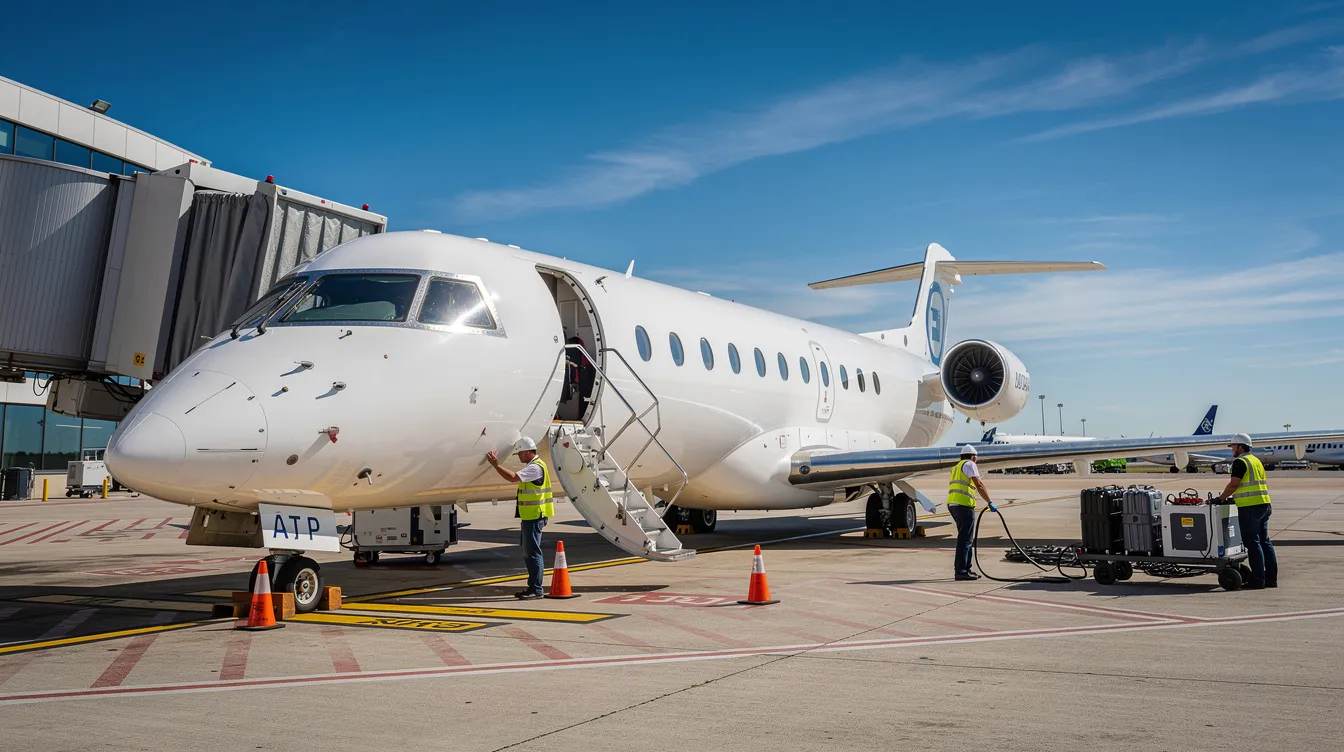
5
min read
CRJ 200 Seat Map: How to Choose the Best Seats on the Bombardier CRJ 200
The Bombardier CRJ 200 features a compact cabin with 50 economy seats arranged in a 2-2 layout, primarily used for short regional flights. The best seats for legroom are typically in row 8 (the emergency exit row), while row 1 offers limited space due to a bulkhead. Most CRJ 200s lack modern amenities such as Wi-Fi and in-seat power, making it essential for travelers to plan accordingly. For those seeking more comfort and space, private jet charter options through platforms like Jettly provide a more spacious alternative with enhanced amenities.
Read MoreJoin our community and receive the latest blog updates directly in your inbox.
MEMBERSHIPS AND ASSOCIATIONS



Disclaimer: Jettly operates as a charter broker, offering access to a global digital jet charter marketplace. Jettly is not a direct air carrier and does not own or operate aircraft. All advertised flights are conducted by third-party air carriers that are fully licensed and hold the appropriate Part 135 or Part 121 certifications issued by the Federal Aviation Administration (FAA) or equivalent regulatory authorities under U.S. or foreign law. Jettly complies fully with the U.S. Department of Transportation's Part 295 and Part 298 Charter Broker regulations. Jettly does not carry additional liability insurance. Passengers are covered by aircraft operator insurance. TICO: 50023770


