


Login
Get Instant Pricing On 23,000+ Aircraft


Discover the most popular private planes in the aviation market, categorized by their range and passenger capacity. This guide highlights top jets like the Embraer Phenom 300 and Gulfstream G650ER, focusing on their features, charter demand, and pricing trends from 2023 to 2025. Whether you're a first-time flyer or a seasoned traveler, understanding these options can enhance your private travel experience.
Jay Franco Serevilla
Aug 30, 2026
|
5
min read


View all
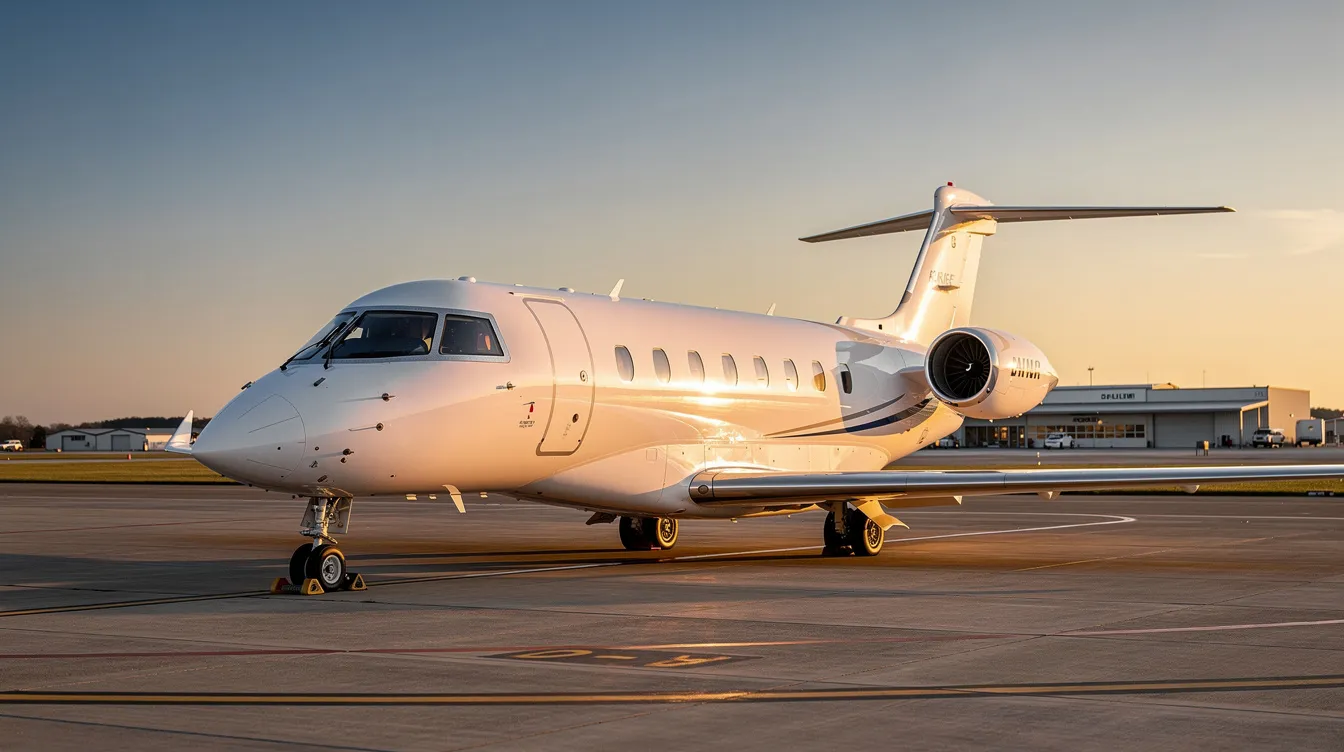
The Gulfstream G100 is a versatile midsize business jet known for its speed, range, and cost-effectiveness. With a maximum range of 2,790 nautical miles and seating for up to 8 passengers, it is ideal for both business and leisure travel. This guide provides insights into its performance, charter costs, and how to book through Jettly's platform.
Jeff Ryan Serevilla
Oct 4, 2026
|
5
min read

View all
The Gulfstream GV is a pioneering ultra-long-range business jet, offering a maximum range of approximately 6,500 nautical miles. With its spacious cabin designed for comfort and productivity, it accommodates up to 18 passengers and is ideal for intercontinental flights. Charter options through Jettly provide flexible access without the costs of ownership.
Jeff Ryan Serevilla
Oct 4, 2026
|
5
min read

View all
Flying a plane requires skilled, licensed pilots who undergo extensive training. This article explores the various types of pilots, their training processes, and the controls they manage during flights. It also highlights the role of private jet charter services like Jettly in connecting travelers with professional pilots and aircraft.
Jay Franco Serevilla
Oct 1, 2026
|
5
min read

View all
Free flight trackers have revolutionized how we monitor aircraft in real-time, providing accessible tools for tracking both commercial and private flights. These platforms aggregate data from various sources to deliver live updates on flight status, routes, and estimated arrivals. While free versions offer essential features, premium options and services like Jettly enhance the experience by enabling booking and detailed trip management.
Jay Franco Serevilla
Oct 1, 2026
|
5
min read

View all
Finding the nearest private airport can significantly reduce travel time for private jet travelers. Jettly's platform simplifies the process by identifying suitable airports based on various factors, including runway length and customs availability. This guide provides insights into choosing the best airport for your private flight needs.
Jay Franco Serevilla
Oct 1, 2026
|
5
min read

View all
Jet flying offers a thrilling contrast between adrenaline-pumping fighter jet flights and the luxurious comfort of private jet charters. This guide explores both experiences, helping aviation enthusiasts and business travelers choose the right option for their needs. Jettly stands out as a premier platform for private jet charters, providing instant pricing and access to a global fleet.
Jay Franco Serevilla
Oct 1, 2026
|
5
min read
Explore our latest articles and updates.

5
min read
Helicopter Taxi Price Guide 2026: What a Point‑to‑Point Charter Really Costs
The 2026 Helicopter Taxi Price Guide outlines the costs associated with point-to-point private helicopter charters, which typically range from $1,200 to over $6,000 per flight hour, depending on factors like aircraft type, route, and seasonality. Key routes include Manhattan to East Hampton ($4,000-$8,000) and Los Angeles to Palm Springs ($3,500-$6,000). Pricing is influenced by operational fees, flight duration, and demand, with strategies such as booking early or flying on weekdays potentially reducing costs by 10-30%. Jettly's platform offers real-time comparisons and transparent quotes to help travelers find the best value for their helicopter charters.
Read More
5
min read
Commercial Airline Charter: How Group Charter Flights Work in 2026
Commercial airline charters allow groups to hire an entire aircraft, offering flexibility in scheduling, routing, and airport access that traditional airlines cannot match. These charters can accommodate 20 to 480 passengers and are ideal for large groups with tight schedules or specific destinations. Jettly provides a digital platform that connects clients to over 50,000 aircraft globally, facilitating transparent pricing and efficient booking processes. Overall, commercial charters can be cost-effective for larger groups, providing significant advantages in time savings and customized travel experiences.
Read MoreJoin our community and receive the latest blog updates directly in your inbox.
MEMBERSHIPS AND ASSOCIATIONS



Disclaimer: Jettly operates as a charter broker, offering access to a global digital jet charter marketplace. Jettly is not a direct air carrier and does not own or operate aircraft. All advertised flights are conducted by third-party air carriers that are fully licensed and hold the appropriate Part 135 or Part 121 certifications issued by the Federal Aviation Administration (FAA) or equivalent regulatory authorities under U.S. or foreign law. Jettly complies fully with the U.S. Department of Transportation's Part 295 and Part 298 Charter Broker regulations. Jettly does not carry additional liability insurance. Passengers are covered by aircraft operator insurance. TICO: 50023770


