


Login
Get Instant Pricing On 23,000+ Aircraft

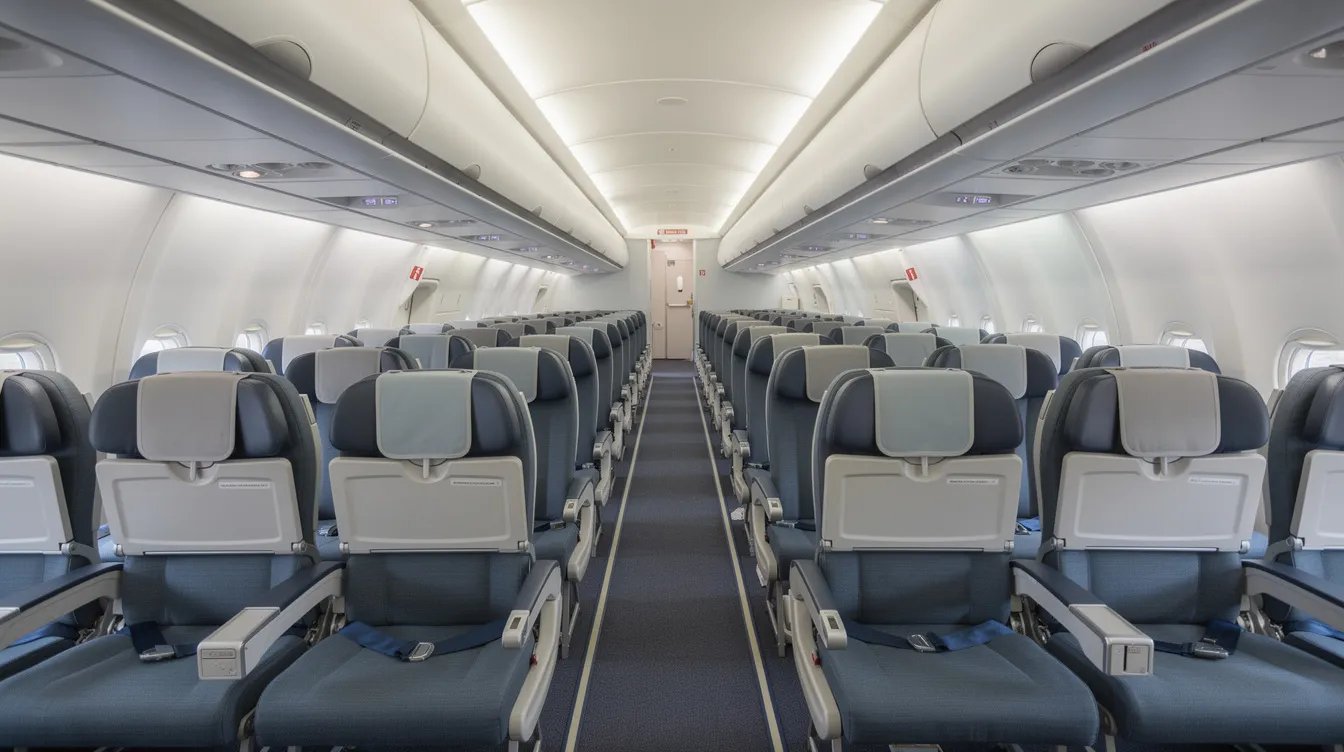
The number of seats on an airplane varies widely based on aircraft type, airline configuration, and cabin class. From small jets accommodating 4 passengers to massive airliners like the Airbus A380 that can hold over 800, understanding these differences helps travelers make informed choices. This guide explores seat counts across various aircraft categories, ensuring you know what to expect before your flight.
Jay Franco Serevilla
Sep 12, 2026
|
5
min read


View all
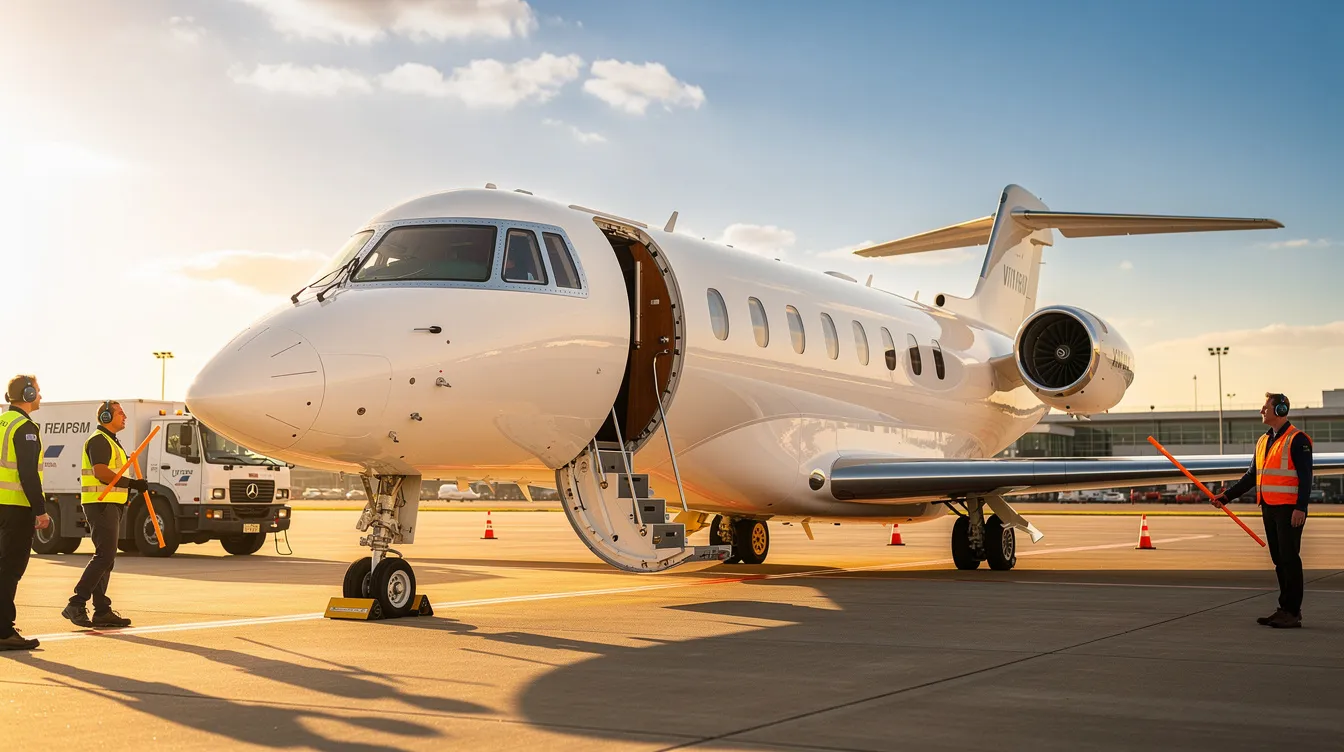
Private flight club memberships offer a range of costs influenced by initiation fees, monthly dues, and hourly rates. Understanding these components helps travelers make informed decisions between membership and on-demand charter options. With costs varying significantly based on aircraft type and usage, it's essential to evaluate personal travel needs and frequency before committing.
Jeff Ryan Serevilla
Oct 8, 2026
|
5
min read
View all
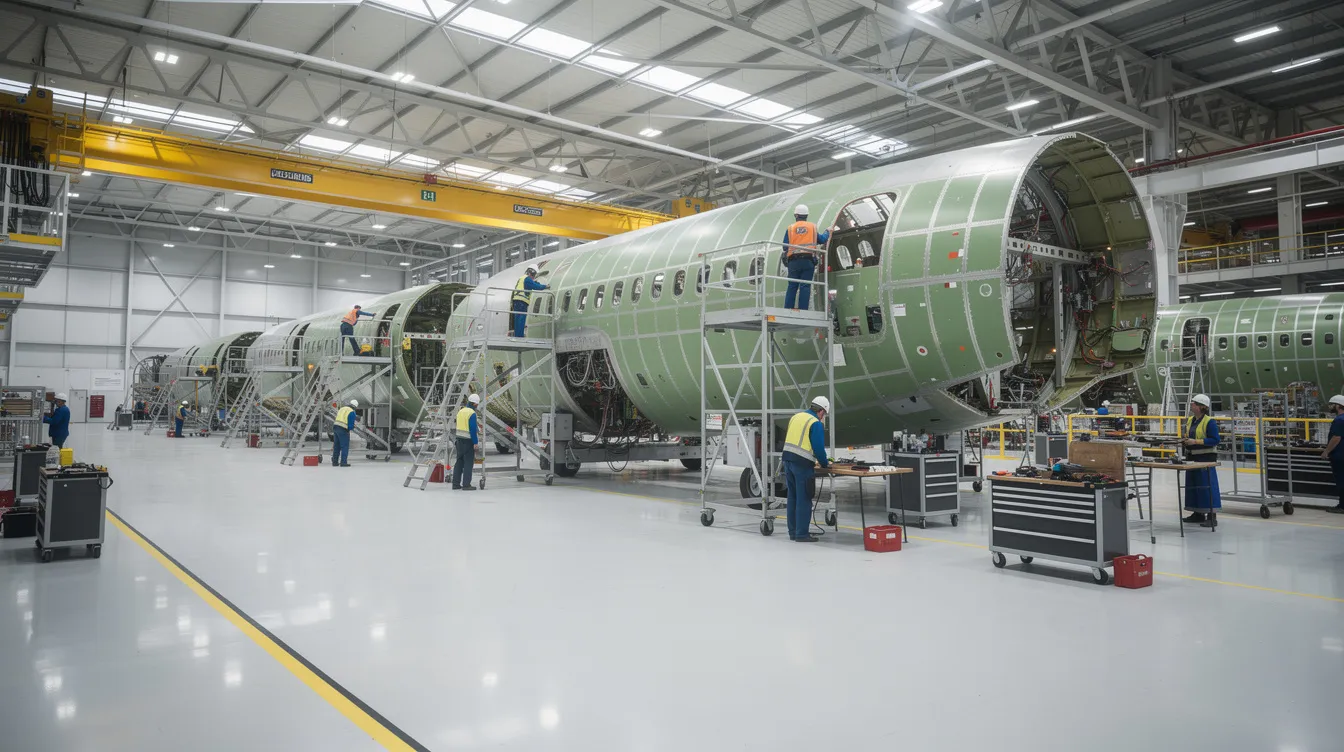
Taneja Aerospace & Aviation Ltd's current share price is ₹344.20, reflecting a 1.7% decrease. With a P/E ratio of approximately 47, the stock indicates strong growth expectations in the aerospace sector, making it an intriguing option for investors. This guide provides essential trading data, valuation metrics, and insights into the company's fundamentals and market trends.
Jeff Ryan Serevilla
Oct 8, 2026
|
5
min read

View all
In 2026, no major airline has been identified as having the most crashes, with serious incidents primarily involving smaller operators. Despite 61 reported crashes resulting in 397 fatalities, commercial flying remains one of the safest modes of transportation due to stringent regulations and advanced safety technologies. Understanding aviation safety statistics is crucial for travelers to make informed decisions about their air travel options.
Jay Franco Serevilla
Oct 7, 2026
|
5
min read

View all
The survival rate of plane crashes is significantly higher than commonly believed, with around 90% of accidents being survivable. Factors such as seat location, crew training, and aircraft design play crucial roles in enhancing safety. By choosing regulated operators like Jettly, travelers can further ensure high safety standards in private aviation.
Jay Franco Serevilla
Oct 7, 2026
|
5
min read

View all
Volare Aviation offers boutique private aviation services at Oxford Airport, specializing in aircraft ownership, management, and charter. With the rise of digital platforms like Jettly, private jet and helicopter travel has become more accessible, allowing travelers to choose flexible options without the need for ownership. This article explores the advantages of private aviation, including reduced travel time and personalized service.
Jay Franco Serevilla
Oct 7, 2026
|
5
min read

View all
Plane crashes are often the result of a combination of factors, including human error, mechanical failures, and weather conditions. Despite media coverage suggesting otherwise, air travel remains statistically safe, with improvements in aviation safety over the decades. Understanding the causes and trends can help travelers make informed decisions about their flying options.
Jay Franco Serevilla
Oct 7, 2026
|
5
min read
Explore our latest articles and updates.
5
min read
Can Private Pilots Make Money? A Practical Guide to Legal Earning Options
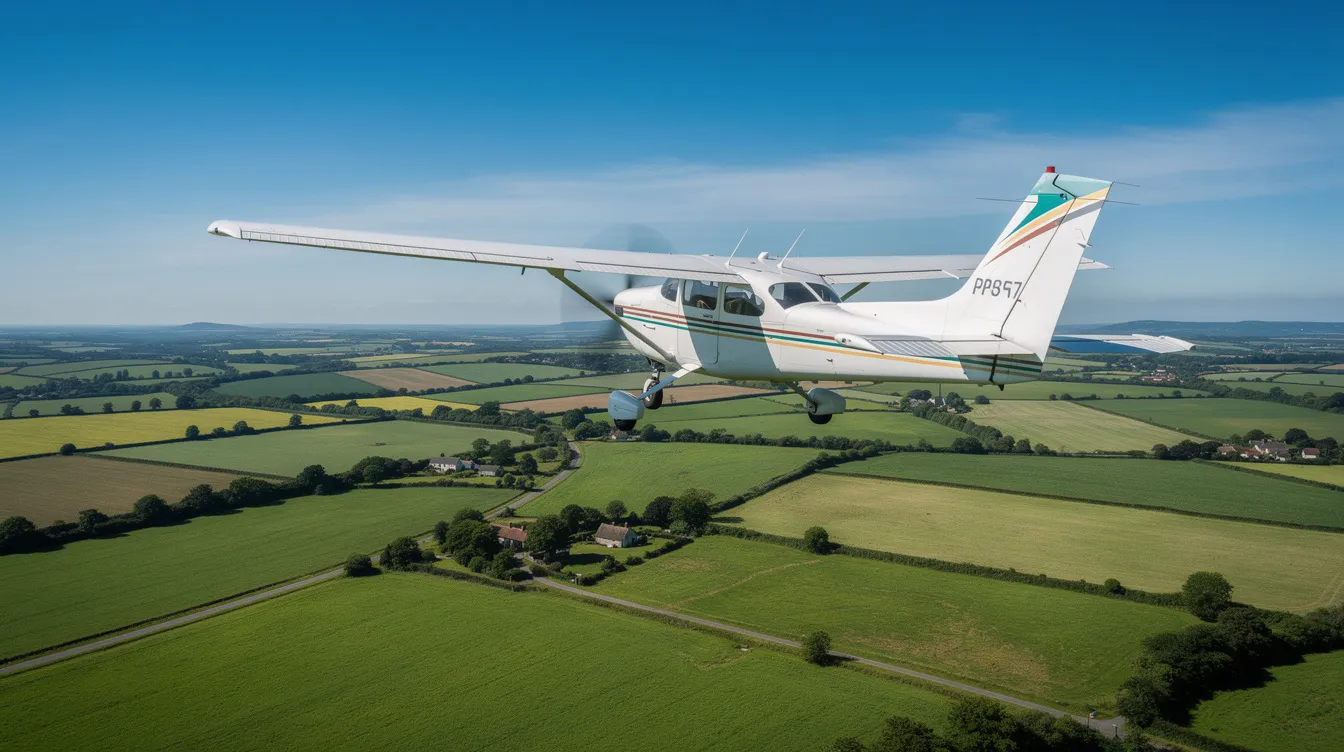
Private pilots can earn money legally, but only under specific and regulated circumstances, primarily outlined in 14 CFR 61.113. They may share flight costs with passengers, conduct business-related flights, participate in charity events, and engage in activities like towing gliders or performing demo flights for aircraft sales, among others. However, substantial income typically requires a commercial pilot license, which opens up more paid flying opportunities. While private pilots can offset costs through limited avenues, a commercial pilot certificate is essential for a stable and meaningful aviation career.
Read More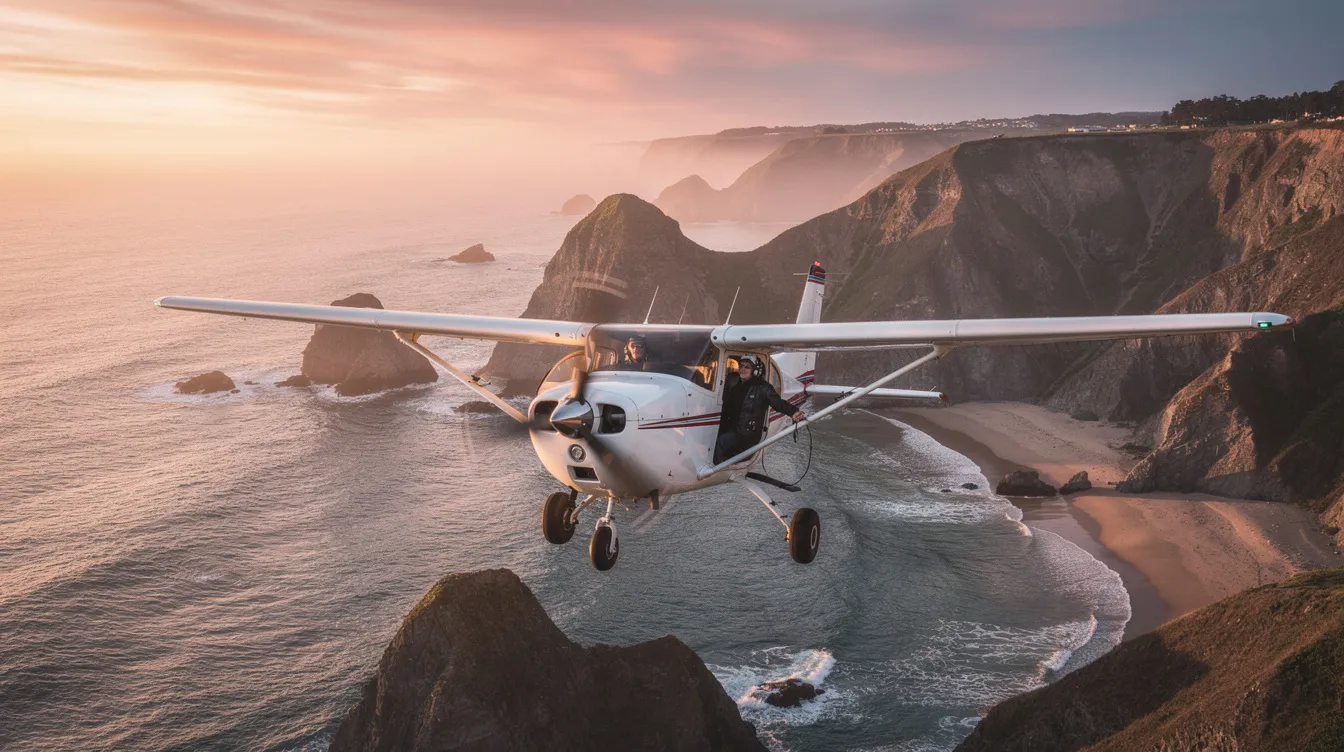
5
min read
What Can You Do with a Private Pilot License?
A Private Pilot License (PPL) allows holders to fly single-engine and some multi-engine aircraft for personal and business travel, carry passengers, and operate under Visual Flight Rules (VFR) in good weather. While pilots cannot fly for compensation, they can share operating expenses with passengers and enjoy various flying experiences, including scenic flights, cross-country trips, and volunteer missions. The PPL serves as a foundation for further aviation training, such as obtaining an instrument rating or a commercial pilot license. Additionally, many pilots complement their flying with private jet charters for longer or more complex trips, enhancing their travel flexibility.
Read MoreJoin our community and receive the latest blog updates directly in your inbox.
MEMBERSHIPS AND ASSOCIATIONS



Disclaimer: Jettly operates as a charter broker, offering access to a global digital jet charter marketplace. Jettly is not a direct air carrier and does not own or operate aircraft. All advertised flights are conducted by third-party air carriers that are fully licensed and hold the appropriate Part 135 or Part 121 certifications issued by the Federal Aviation Administration (FAA) or equivalent regulatory authorities under U.S. or foreign law. Jettly complies fully with the U.S. Department of Transportation's Part 295 and Part 298 Charter Broker regulations. Jettly does not carry additional liability insurance. Passengers are covered by aircraft operator insurance. TICO: 50023770


