


Login
Get Instant Pricing On 23,000+ Aircraft


Traveling from LAX to Carson City involves flying into Reno-Tahoe International Airport and then driving to Carson City. However, private jet charters offer a more direct and convenient option, allowing travelers to land at Carson Airport. This guide provides insights on routes, costs, and tips for finding the best deals for both commercial and private flights.
Jay Franco Serevilla
Sep 7, 2026
|
5
min read



View all
Flying a plane requires skilled, licensed pilots who undergo extensive training. This article explores the various types of pilots, their training processes, and the controls they manage during flights. It also highlights the role of private jet charter services like Jettly in connecting travelers with professional pilots and aircraft.
Jay Franco Serevilla
Oct 1, 2026
|
5
min read

View all
Free flight trackers have revolutionized how we monitor aircraft in real-time, providing accessible tools for tracking both commercial and private flights. These platforms aggregate data from various sources to deliver live updates on flight status, routes, and estimated arrivals. While free versions offer essential features, premium options and services like Jettly enhance the experience by enabling booking and detailed trip management.
Jay Franco Serevilla
Oct 1, 2026
|
5
min read

View all
Finding the nearest private airport can significantly reduce travel time for private jet travelers. Jettly's platform simplifies the process by identifying suitable airports based on various factors, including runway length and customs availability. This guide provides insights into choosing the best airport for your private flight needs.
Jay Franco Serevilla
Oct 1, 2026
|
5
min read
View all
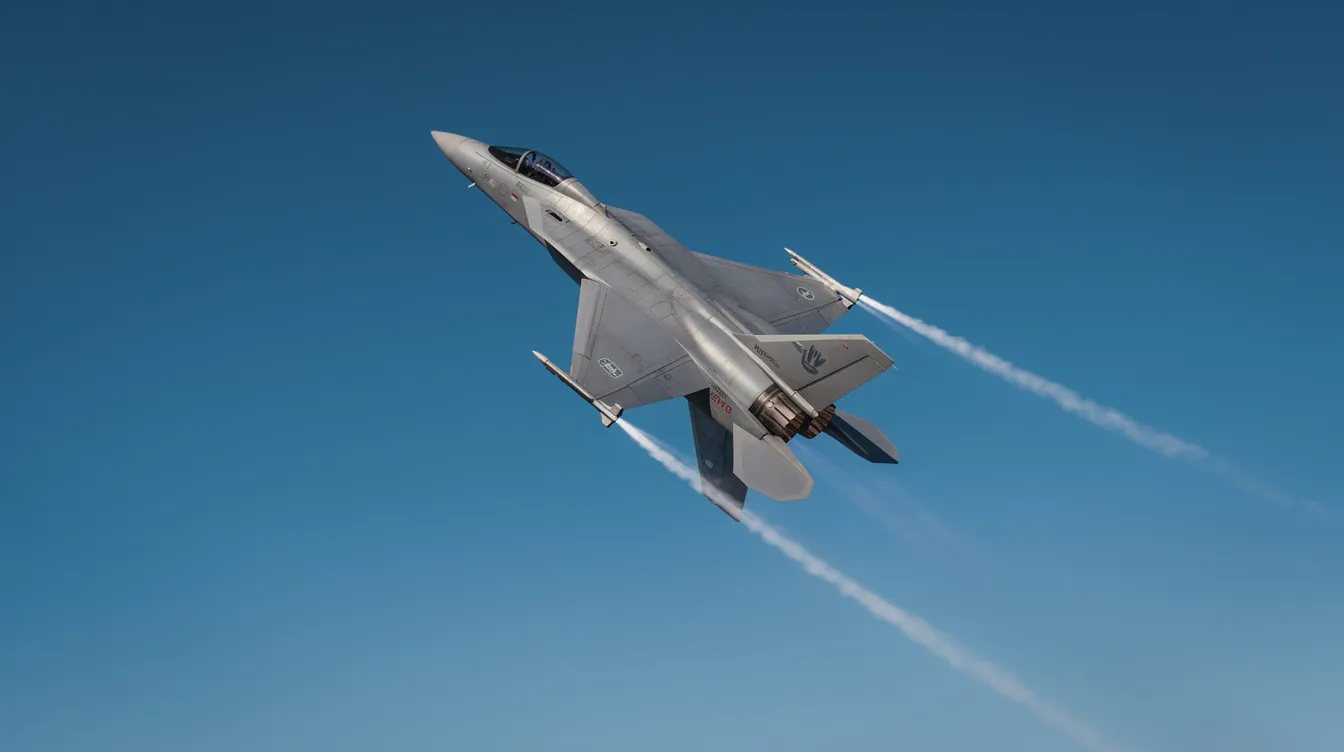
Jet flying offers a thrilling contrast between adrenaline-pumping fighter jet flights and the luxurious comfort of private jet charters. This guide explores both experiences, helping aviation enthusiasts and business travelers choose the right option for their needs. Jettly stands out as a premier platform for private jet charters, providing instant pricing and access to a global fleet.
Jay Franco Serevilla
Oct 1, 2026
|
5
min read

View all
Planet 9 Aviation specializes in ultra-long-range private jet travel, offering a managed fleet for intercontinental charters. Through Jettly, travelers can easily access these services without the need for ownership or jet cards, ensuring flexibility and convenience in booking private flights.
Jay Franco Serevilla
Oct 1, 2026
|
5
min read
View all
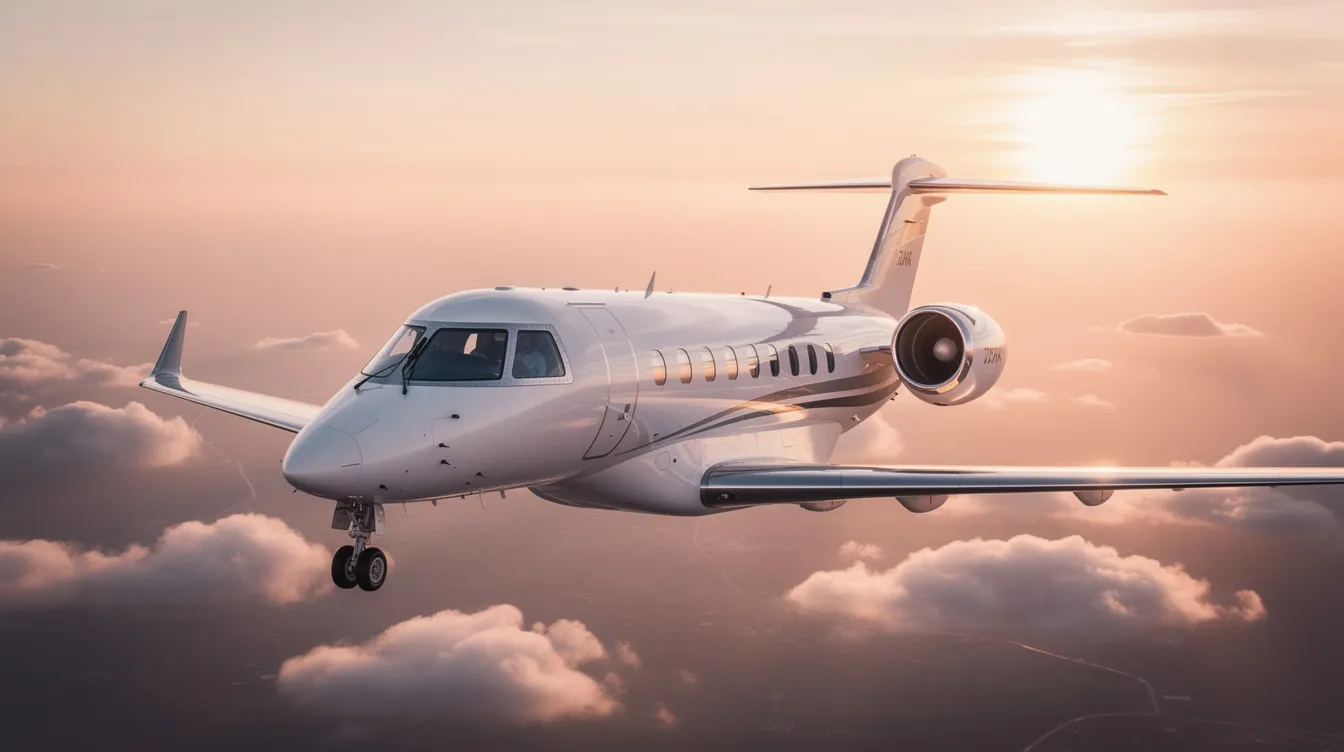
Aviation blogs have evolved into essential resources for student pilots, aviation businesses, and private jet travelers. They provide valuable insights on flight training, market trends, and charter options, helping readers make informed decisions. With contributions from industry professionals, these blogs serve as a bridge between education and practical application in aviation.
Jay Franco Serevilla
Oct 1, 2026
|
5
min read
Explore our latest articles and updates.
5
min read
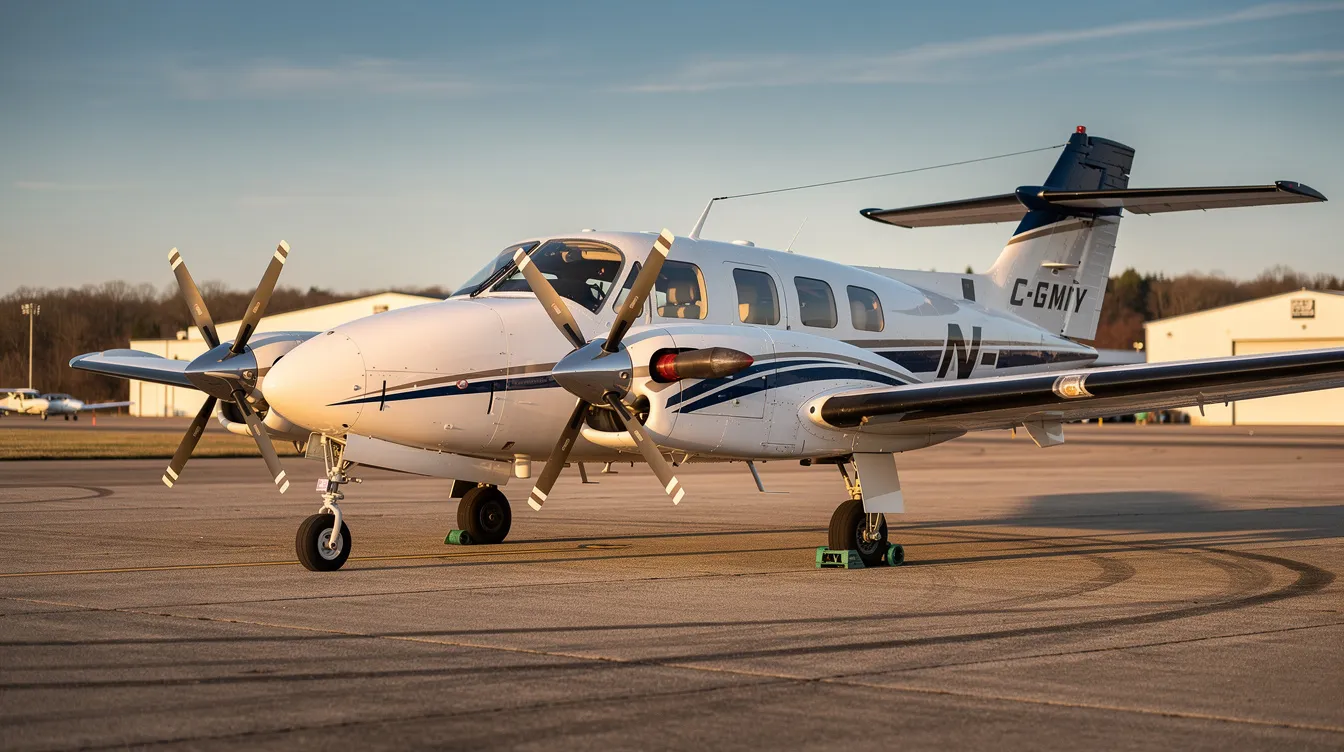
Piper Seneca 1 (PA-34-200): Buyer's Guide, Performance, and Charter Use
The Piper Seneca I (PA-34-200) is a six-seat light twin-engine aircraft introduced in the early 1970s, known for its 200 hp Lycoming engines and cruise speed of 160-170 knots. While it remains popular for personal use and training, its limitations in single-engine performance and outdated systems make it less desirable compared to newer variants like the Seneca II and V, which offer improved handling and avionics. For occasional travelers, on-demand charter services like Jettly provide access to newer models without the financial burden of ownership. Overall, the Seneca I is best suited for low-terrain, fair-weather flying, while modern charter options cater to a broader range of needs.
Read More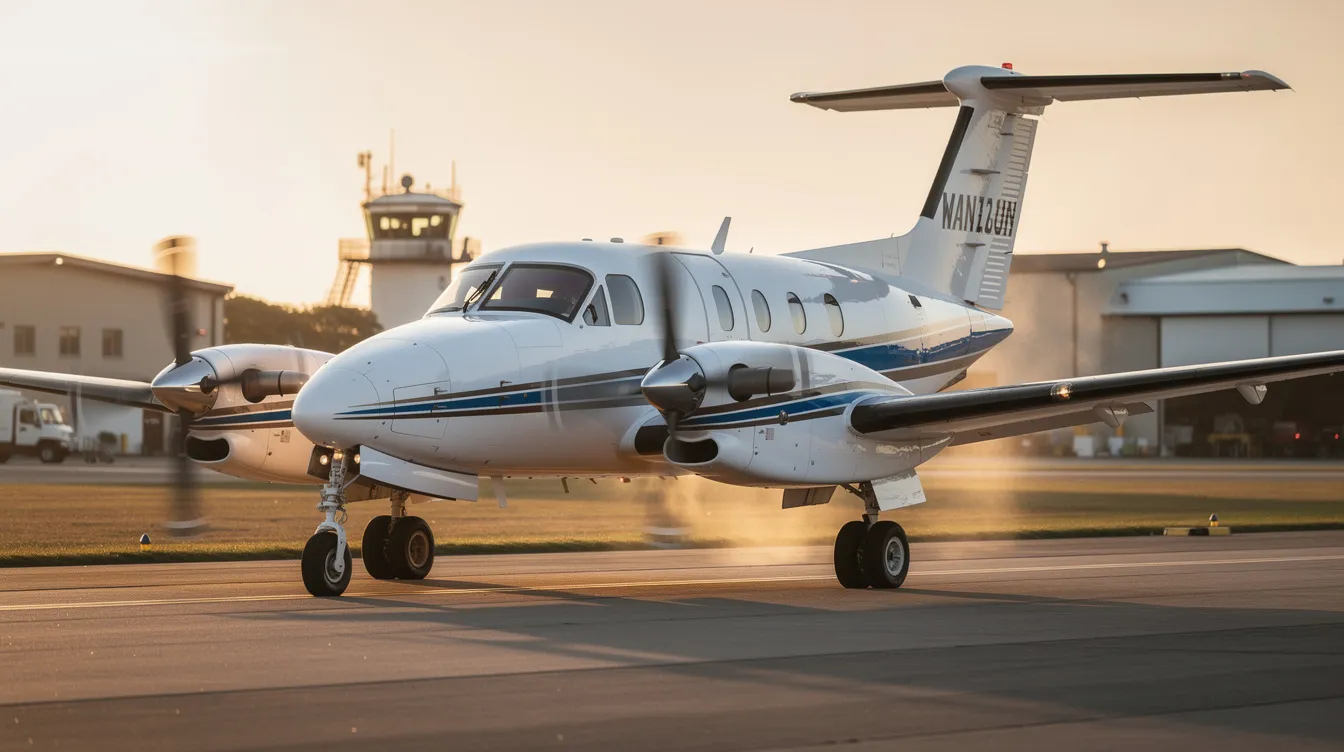
5
min read
Beechcraft King Air 100: The First Stretched King Air Explained
The Beechcraft King Air 100, introduced in 1969, is the first stretched version of the King Air 90 series, designed for enhanced performance and passenger capacity, making it a popular choice for corporate travel, medevac missions, and charter services. With a cruise speed of 235–250 knots and a range of over 1,325 nautical miles, it offers cost-effective operations compared to light jets, particularly on regional routes. The aircraft's ability to access smaller airports and its lower operating costs make it attractive for frequent travelers, with charter options available through Jettly's platform. Overall, the King Air 100 remains a versatile and economical choice for private aviation needs.
Read MoreJoin our community and receive the latest blog updates directly in your inbox.
MEMBERSHIPS AND ASSOCIATIONS



Disclaimer: Jettly operates as a charter broker, offering access to a global digital jet charter marketplace. Jettly is not a direct air carrier and does not own or operate aircraft. All advertised flights are conducted by third-party air carriers that are fully licensed and hold the appropriate Part 135 or Part 121 certifications issued by the Federal Aviation Administration (FAA) or equivalent regulatory authorities under U.S. or foreign law. Jettly complies fully with the U.S. Department of Transportation's Part 295 and Part 298 Charter Broker regulations. Jettly does not carry additional liability insurance. Passengers are covered by aircraft operator insurance. TICO: 50023770


