



Login
Get Instant Pricing On 23,000+ Aircraft


On-demand private flights offer a cost-effective and flexible alternative to fractional jet ownership, allowing you to pay only for the flight hours you use. Ideal for individuals who need between 50 and 500 flight hours per year, this service eliminates upfront costs and long-term commitments. While planning and flexibility can be more challenging, a reliable broker can ensure dependable alternatives. Trust Jettly to simplify your transition and enhance your private flying experience.

Justin Crabbe
May 6, 2025
|
5 minutes
min read


View all
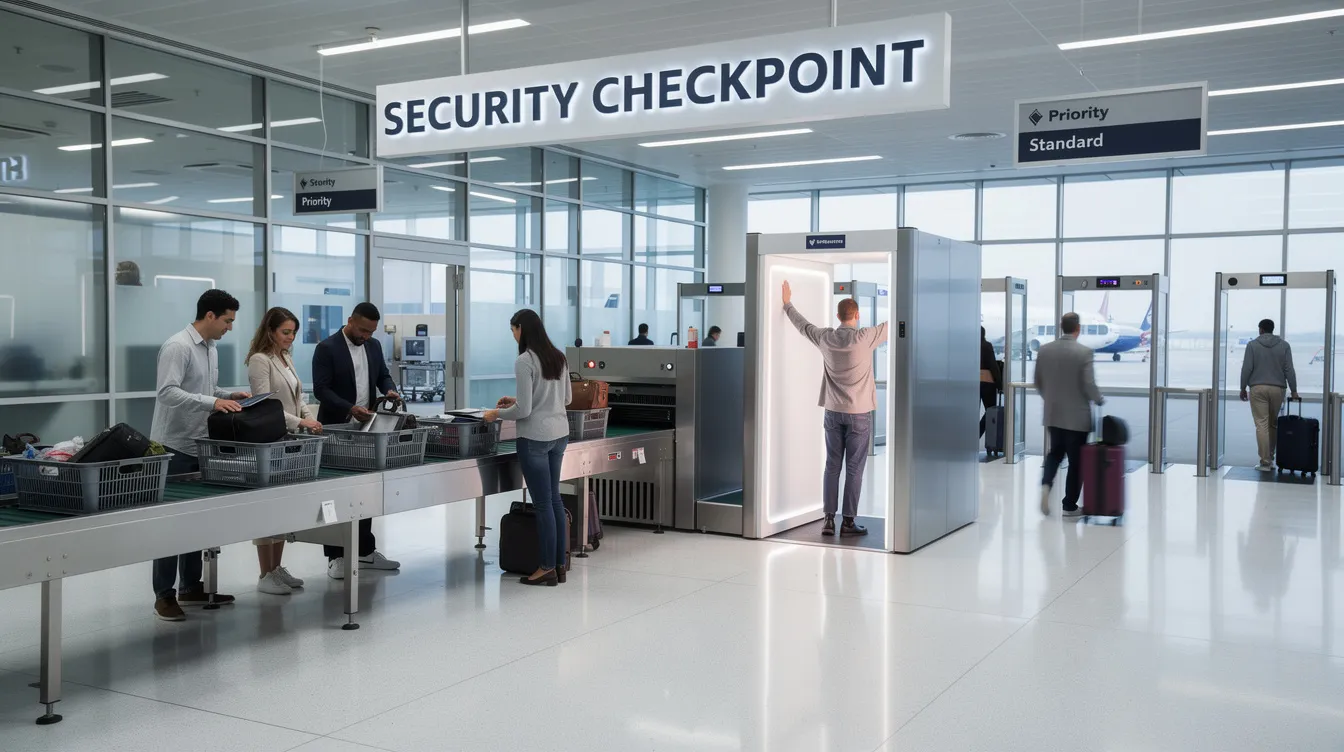
The TSA does not conduct full background checks on standard passengers but relies on watchlist matching and physical screening for security. This guide explains the TSA's processes, including how private jet travel differs in terms of security and background checks. Understanding these distinctions is crucial for both commercial and private flyers.
Jay Franco Serevilla
Nov 9, 2026
|
5
min read
View all
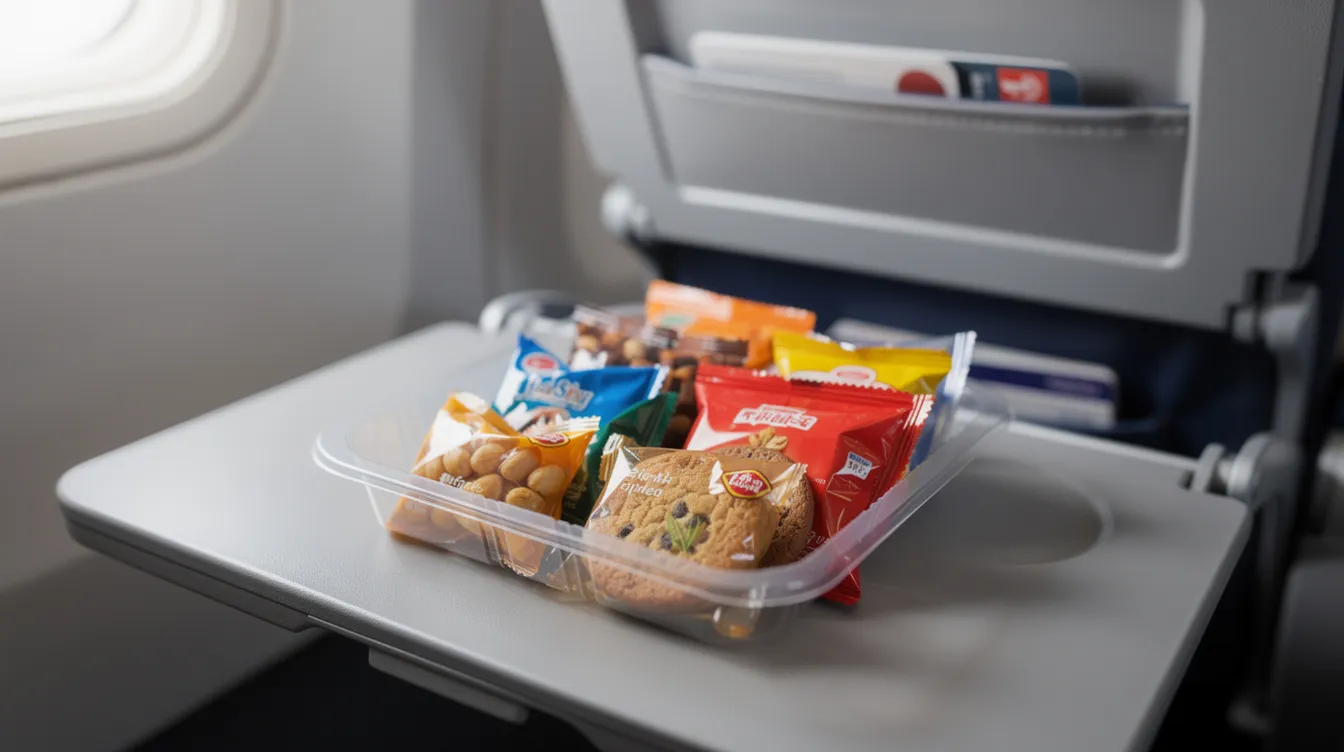
Delta Premium Snacks offer a complimentary upgrade for eligible SkyMiles American Express cardholders on qualifying flights, enhancing the in-flight experience. However, this perk pales in comparison to the fully customizable catering options available through private jet charters, which cater to individual preferences and dietary needs. Understanding the differences can help travelers choose the best option for their journey.
Jay Franco Serevilla
Nov 9, 2026
|
5
min read
View all
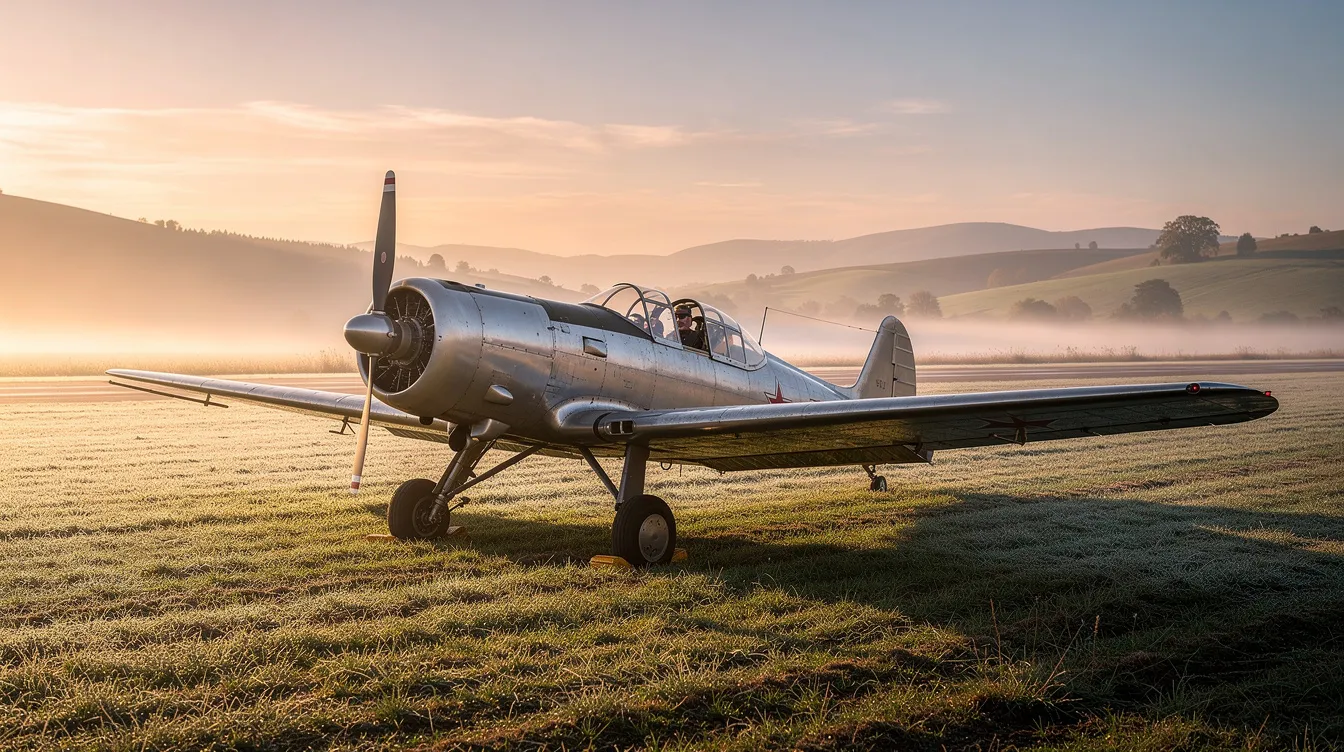
In 2026, budget-minded pilots can find affordable airplanes ranging from $15,000 to $100,000, with options like the ERCO Ercoupe and Cessna 150. This guide explores the best models, their realistic prices, and operating costs to help pilots make informed decisions. Understanding total ownership costs and exploring alternatives like private jet charter can enhance the flying experience.
Jay Franco Serevilla
Nov 9, 2026
|
5
min read
View all
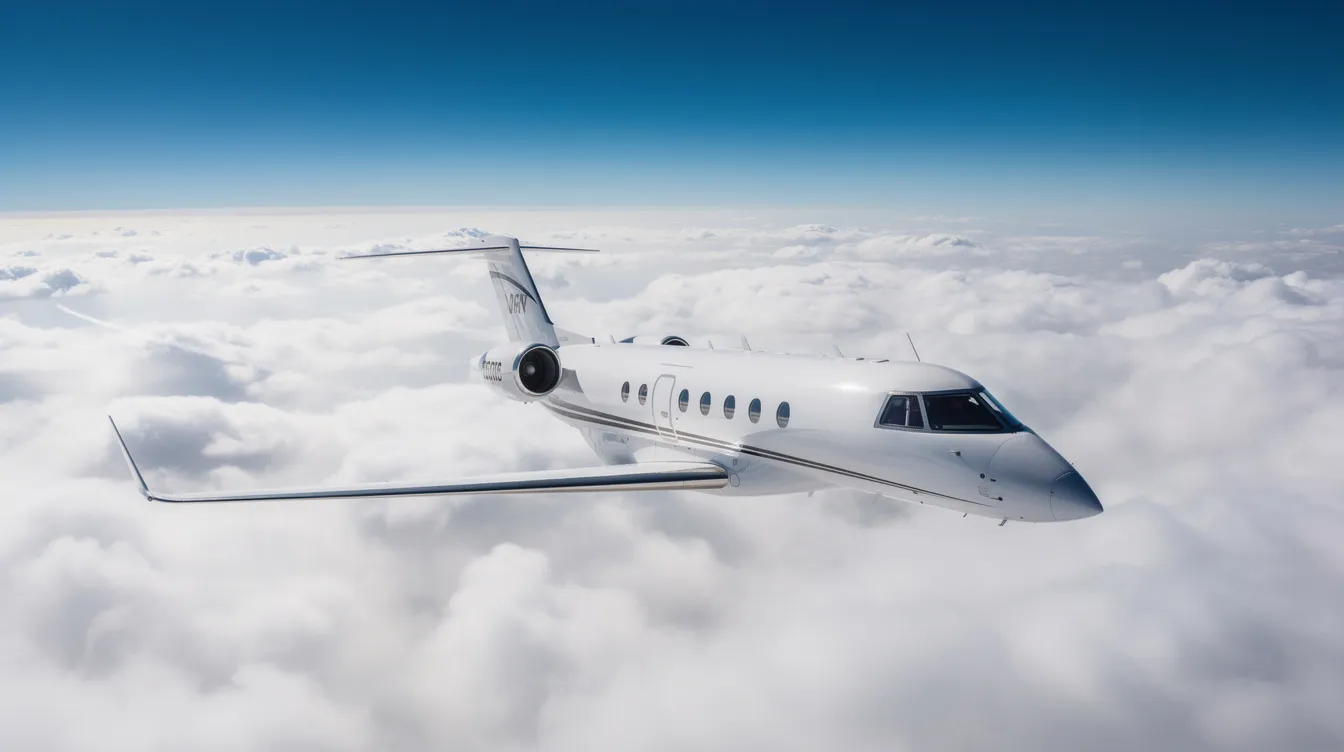
Mach 1, the speed of sound, varies with altitude and temperature, measuring approximately 761 mph at sea level and about 660 mph at cruise altitude. Understanding Mach 1 is crucial for private jet travelers as it influences flight times, fuel efficiency, and overall costs. By grasping these concepts, travelers can make informed decisions when booking flights through platforms like Jettly.
Jay Franco Serevilla
Nov 9, 2026
|
5
min read
View all
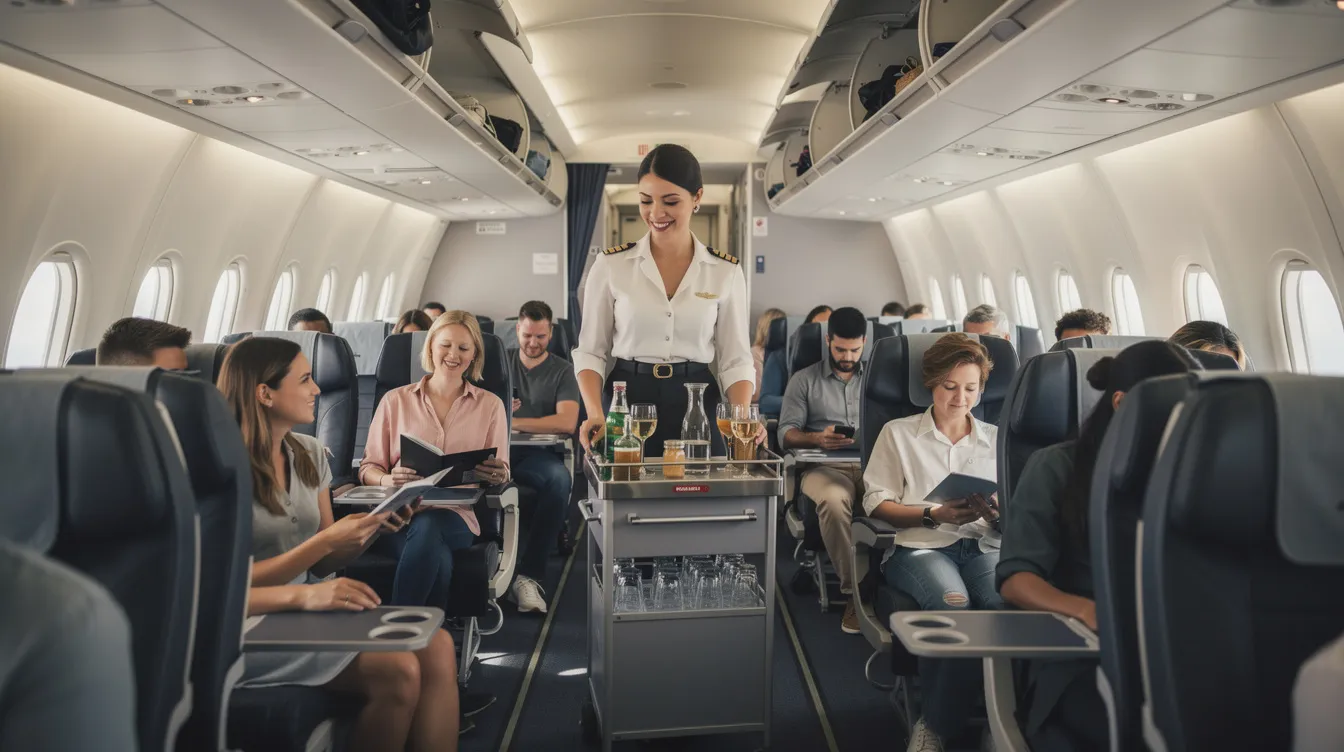
Delta Airlines typically offers complimentary alcohol on most long-haul international flights, including beer, wine, and spirits in Main Cabin. However, policies may vary for shorter routes and different cabin classes, so it's essential to check the specific offerings for your flight. This guide provides a comprehensive overview of Delta's beverage policy and regional differences.
Jay Franco Serevilla
Nov 9, 2026
|
5
min read
View all
Flight passes offer a subscription model for frequent travelers, allowing them to book flights at reduced rates within specific networks. However, these passes often come with limitations such as booking restrictions, blackout dates, and additional fees. In contrast, on-demand private jet travel through platforms like Jettly provides greater flexibility and access to a wider range of aircraft without the constraints of traditional flight passes.
Jay Franco Serevilla
Nov 9, 2026
|
5
min read
Explore our latest articles and updates.
5
min read
Pup Plane: Guide to the Preceptor N3 Pup, Super Pup, and Ultra Pup for Modern Pilots
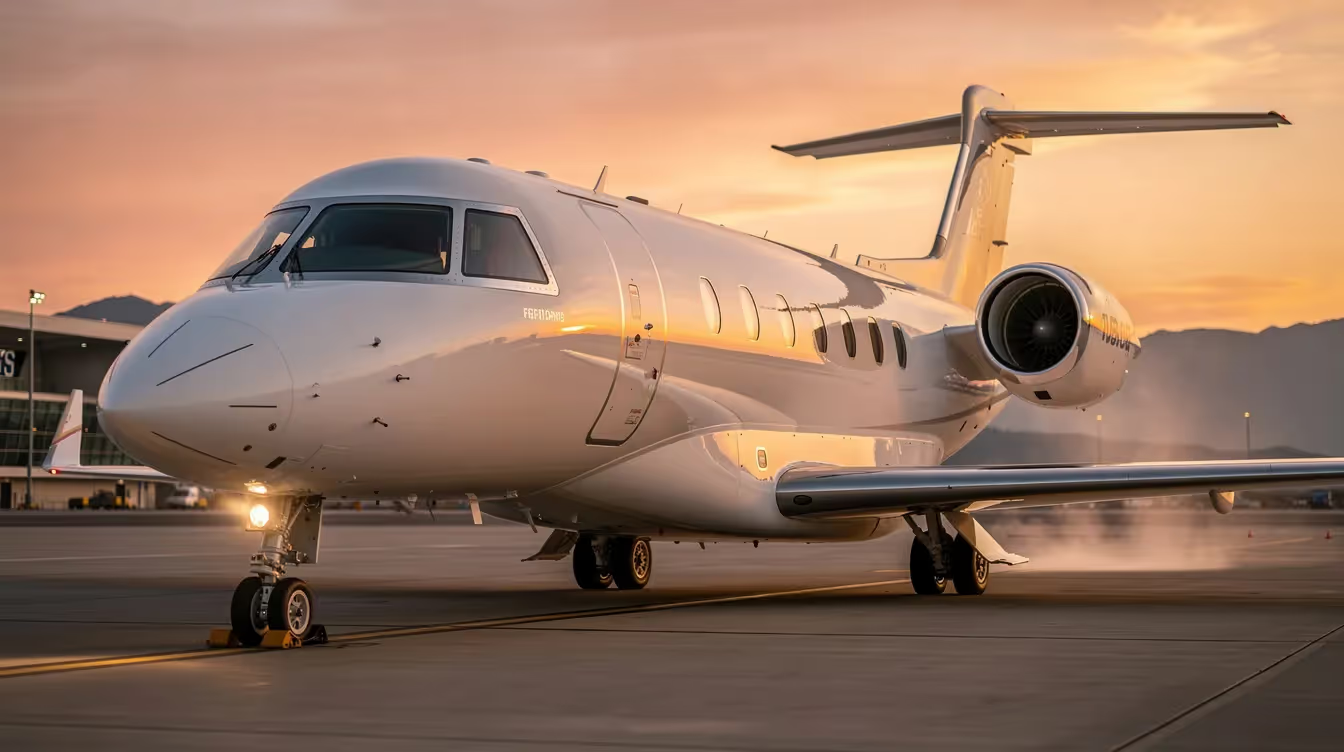
The Pup Plane guide focuses on the Preceptor N3 Pup family, which includes the N3 Pup, Super Pup, and Ultra Pup, catering to modern pilots and aviation enthusiasts interested in homebuilt aircraft. These lightweight, high-wing planes, developed in the late 1970s and 1980s, are known for their affordability and ease of construction, with the N3 Pup qualifying as an ultralight under FAR Part 103 regulations. While these aircraft are ideal for recreational flying, they are not suitable for commercial charter services, which are better served by platforms like Jettly that offer access to a wide range of professionally operated private jets. Understanding the differences between Pup planes and charter options helps pilots and travelers make informed decisions based on their flying needs.
Read More
5
min read
Pilot Lessons Cost in 2026: What You’ll Really Pay to Learn to Fly
In 2026, pilot lesson costs range from $10,000 to $20,000 for a Private Pilot License and can exceed $130,000 for a full professional training path. Key expenses include hourly flight rates ($150–$250), instructor fees, testing costs, and living expenses, with total costs often surpassing advertised minimums due to additional flight hours needed. Training frequency significantly impacts costs, with more frequent flying leading to faster completion and lower overall expenses. Financing options, including loans, GI Bill benefits, and scholarships, can help manage these costs, making flight training more accessible for aspiring pilots.
Read MoreJoin our community and receive the latest blog updates directly in your inbox.
MEMBERSHIPS AND ASSOCIATIONS



© 2026 Jettly Inc. All rights reserved.
Disclaimer: Jettly operates as a charter broker, offering access to a global digital jet charter marketplace. Jettly is not a direct air carrier and does not own or operate aircraft. All advertised flights are conducted by third-party air carriers that are fully licensed and hold the appropriate Part 135 or Part 121 certifications issued by the Federal Aviation Administration (FAA) or equivalent regulatory authorities under U.S. or foreign law. Jettly complies fully with the U.S. Department of Transportation's Part 295 and Part 298 Charter Broker regulations. Jettly does not carry additional liability insurance. Passengers are covered by aircraft operator insurance. TICO: 50023770


