



Login
Get Instant Pricing On 23,000+ Aircraft


Large private jets offer unmatched luxury, comfort, and convenience, making them the preferred choice for high-net-worth individuals and business executives. With the ability to access smaller airports and avoid the hassles of commercial travel, these aircraft save valuable time and maximize efficiency. Despite the significant investment, the benefits of privacy, flexibility, and superior performance make them an enticing option. Ultimately, large private jets redefine air travel, offering a truly exceptional and personalized flying experience.

Justin Crabbe
May 6, 2025
|
5 minutes
min read


View all
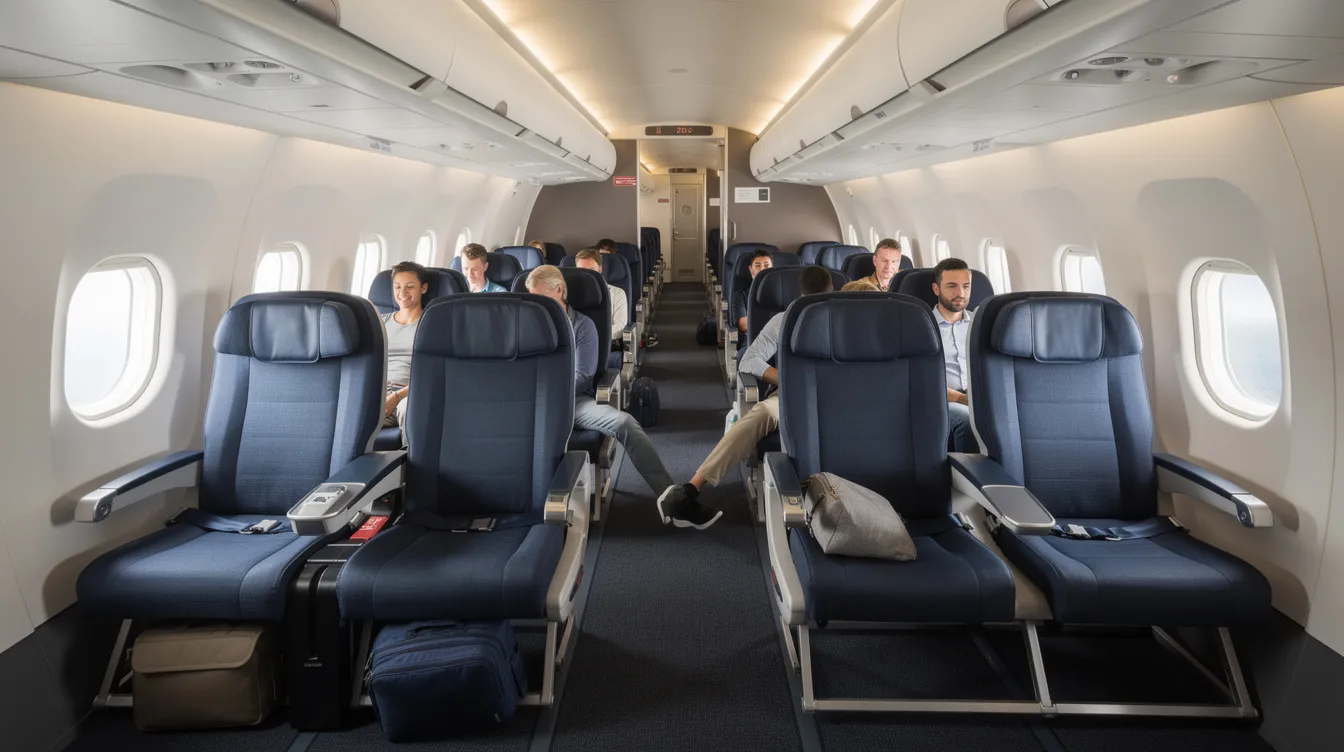
Navigating the Delta Comfort Plus seating chart can enhance your travel experience by providing extra legroom and amenities. This guide details how to choose the best seats, understand aircraft layouts, and when to consider private jet charters for more comfort. Discover the benefits of Comfort Plus and how it compares to other classes, ensuring you arrive at your destination refreshed.
Jay Franco Serevilla
Oct 17, 2026
|
5
min read
View all
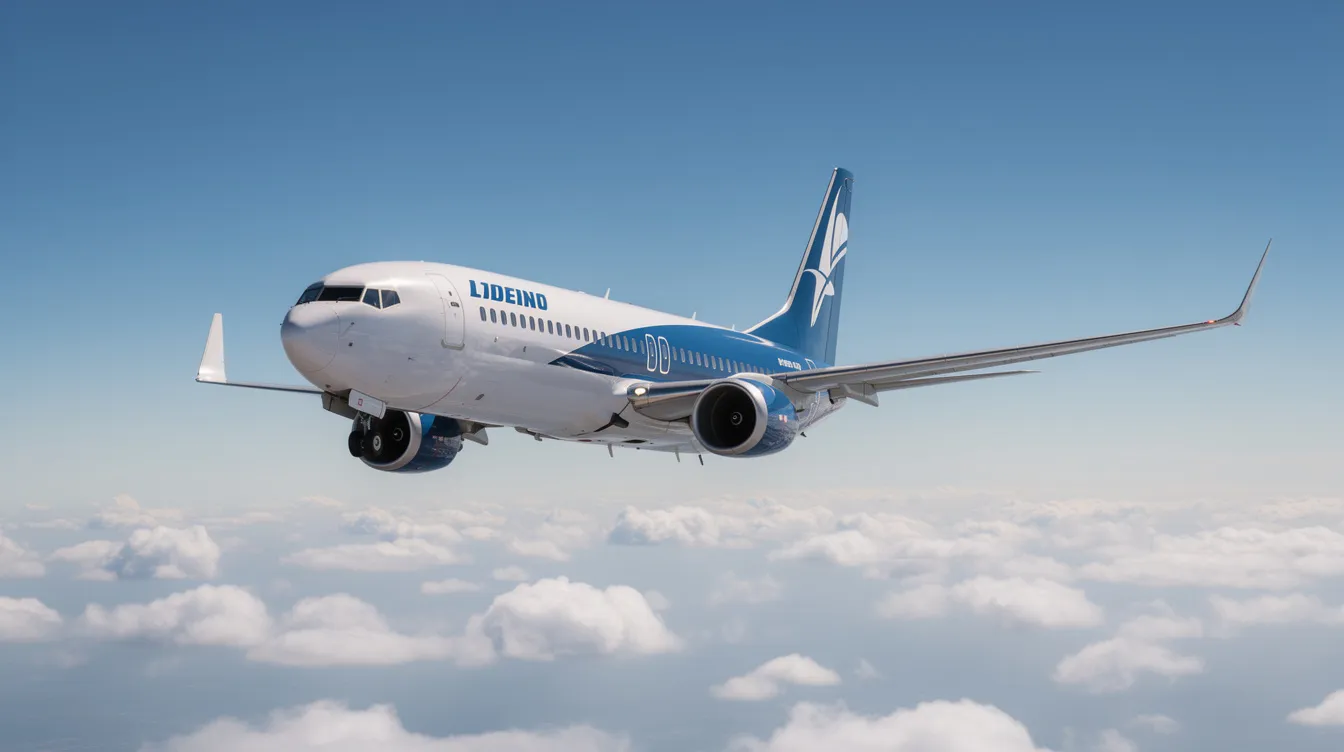
The Boeing 737-800 is a leading narrowbody airliner known for its maximum speed of Mach 0.82, translating to approximately 620-630 mph. In practice, it typically cruises at Mach 0.78-0.79, balancing speed and fuel efficiency for airlines and charter operators. With a range of about 2,935 nautical miles and seating for up to 189 passengers, it serves both commercial and private charter needs effectively.
Jay Franco Serevilla
Oct 17, 2026
|
5
min read
View all
Golden State Flying Club in San Diego offers accessible flight training and affordable aircraft rental at Gillespie Field. With a focus on community and cost-effective learning, the club supports aspiring pilots through structured programs and experienced instructors. Members enjoy flexible scheduling and the opportunity to fly a well-maintained fleet of aircraft for both training and personal trips.
Jay Franco Serevilla
Oct 17, 2026
|
5
min read
View all
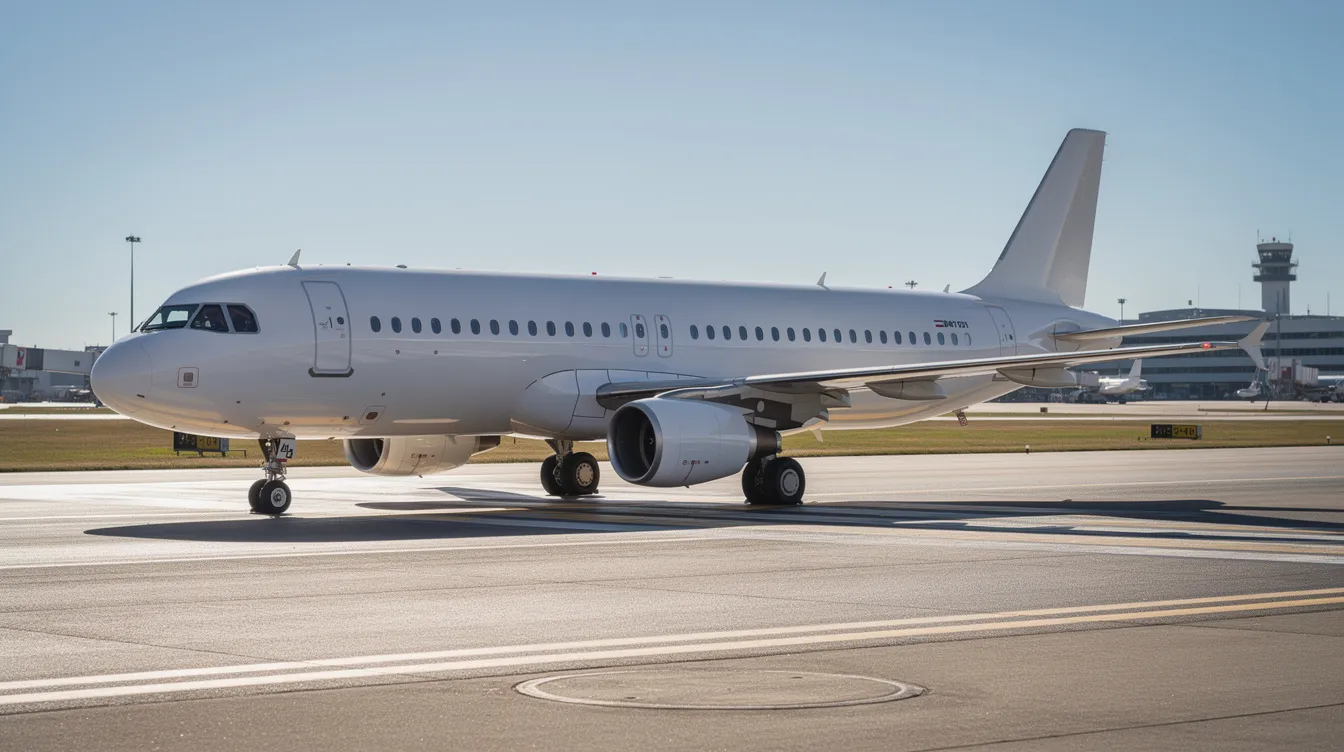
The Boeing 737-800, measuring 129 ft 6 in (39.47 m), is a leading single-aisle airliner known for its passenger capacity and operational efficiency. This guide provides insights into its dimensions, seating configurations, and charter use, making it essential for airlines and charter customers. Understanding the 737-800's specifications helps optimize route planning and enhance passenger experience.
Jay Franco Serevilla
Oct 17, 2026
|
5
min read
View all
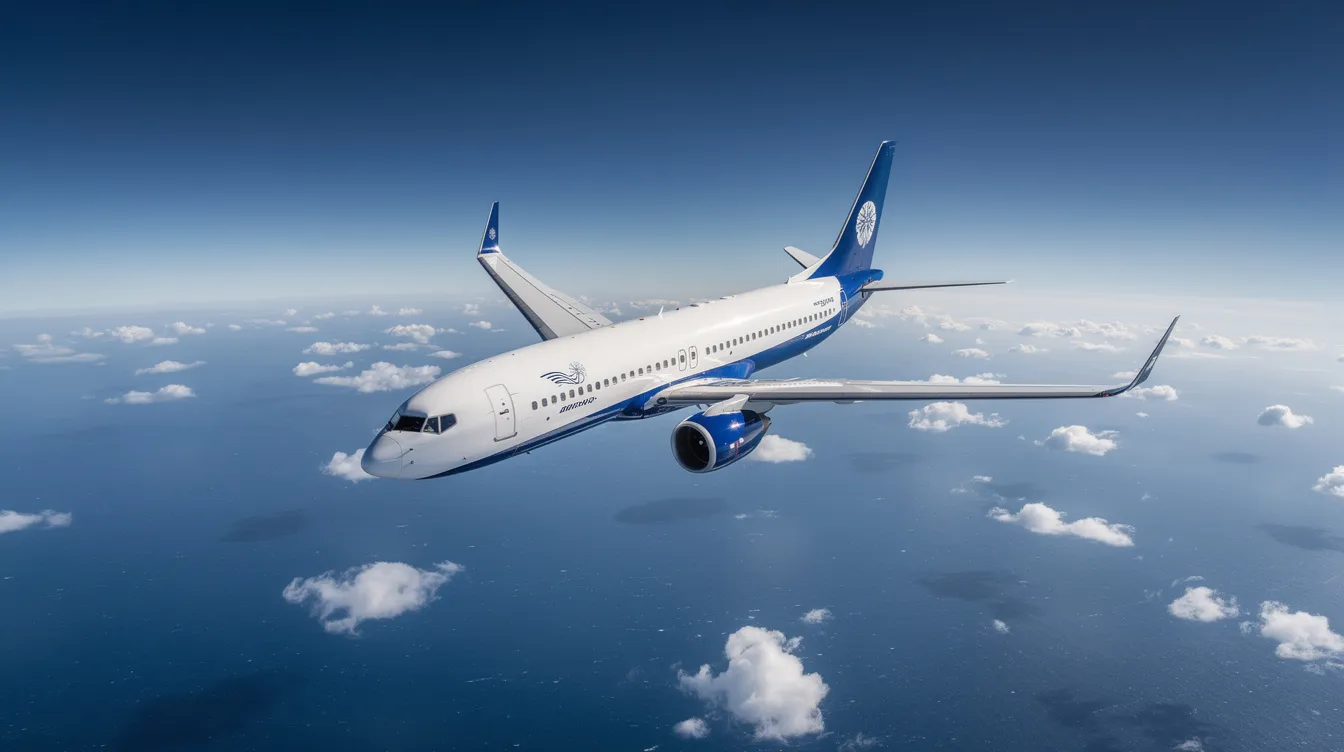
The Boeing 737-800 is a widely used single-aisle aircraft with a maximum range of approximately 3,377 nautical miles. However, real-world factors such as payload, weather, and airport conditions can significantly affect its effective range, typically reducing it to 2,800 to 3,100 nautical miles for commercial operations. This guide provides insights into the aircraft's range capabilities and practical considerations for travelers and charter customers.
Jay Franco Serevilla
Oct 17, 2026
|
5
min read
View all
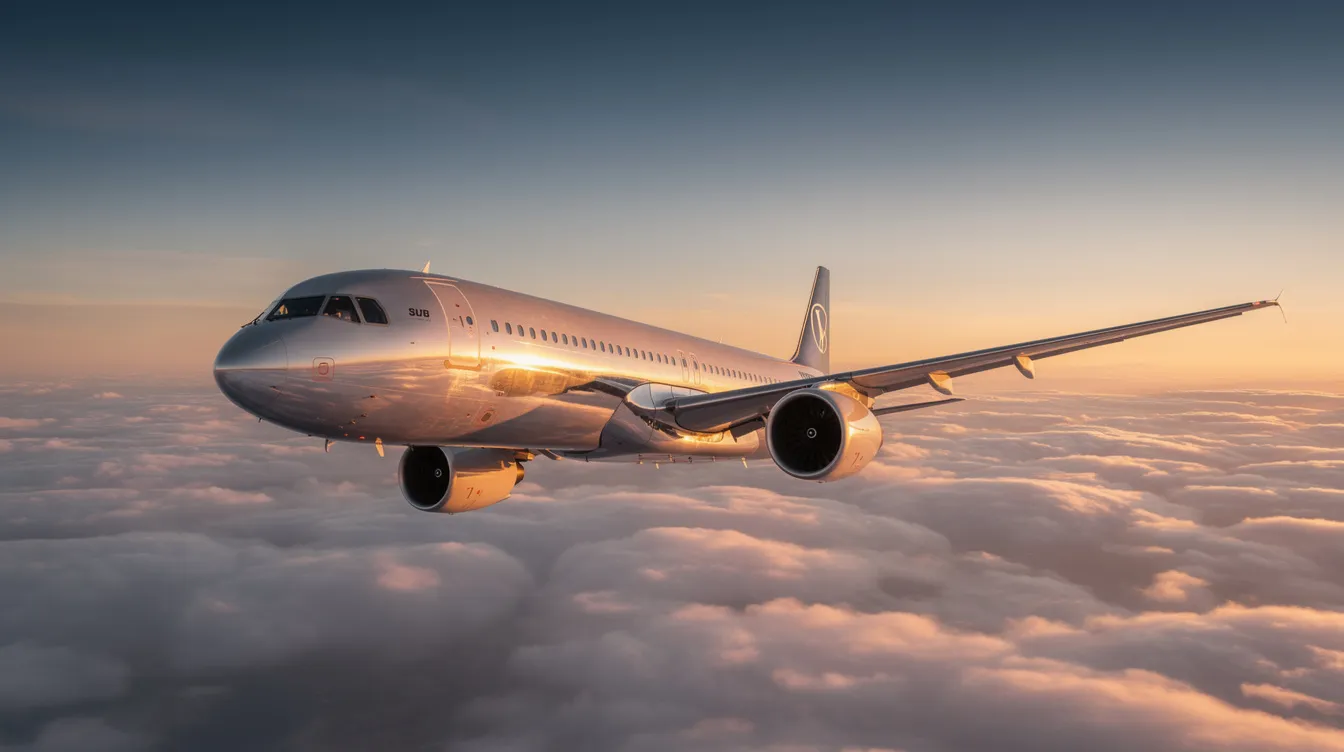
The Boeing 777-300 and 777-300ER are advanced long-haul aircraft known for their efficiency and capacity. With significant upgrades in range and engine power, the 777-300ER has become a preferred choice for intercontinental flights. This guide provides insights into their features, cabin layouts, and comparisons with private jet charters, helping travelers make informed decisions.
Jay Franco Serevilla
Oct 17, 2026
|
5
min read
Explore our latest articles and updates.
5
min read
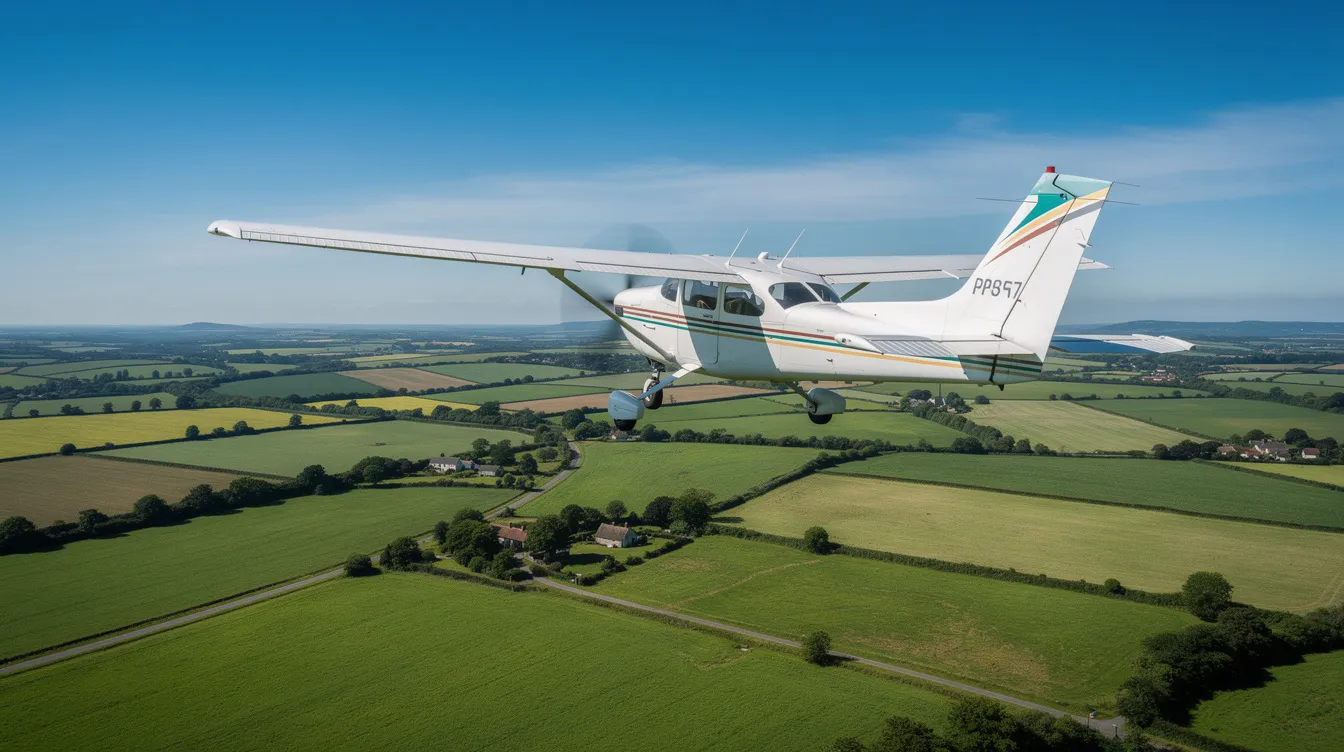
Can Private Pilots Make Money? A Practical Guide to Legal Earning Options
Private pilots can earn money legally, but only under specific and regulated circumstances, primarily outlined in 14 CFR 61.113. They may share flight costs with passengers, conduct business-related flights, participate in charity events, and engage in activities like towing gliders or performing demo flights for aircraft sales, among others. However, substantial income typically requires a commercial pilot license, which opens up more paid flying opportunities. While private pilots can offset costs through limited avenues, a commercial pilot certificate is essential for a stable and meaningful aviation career.
Read More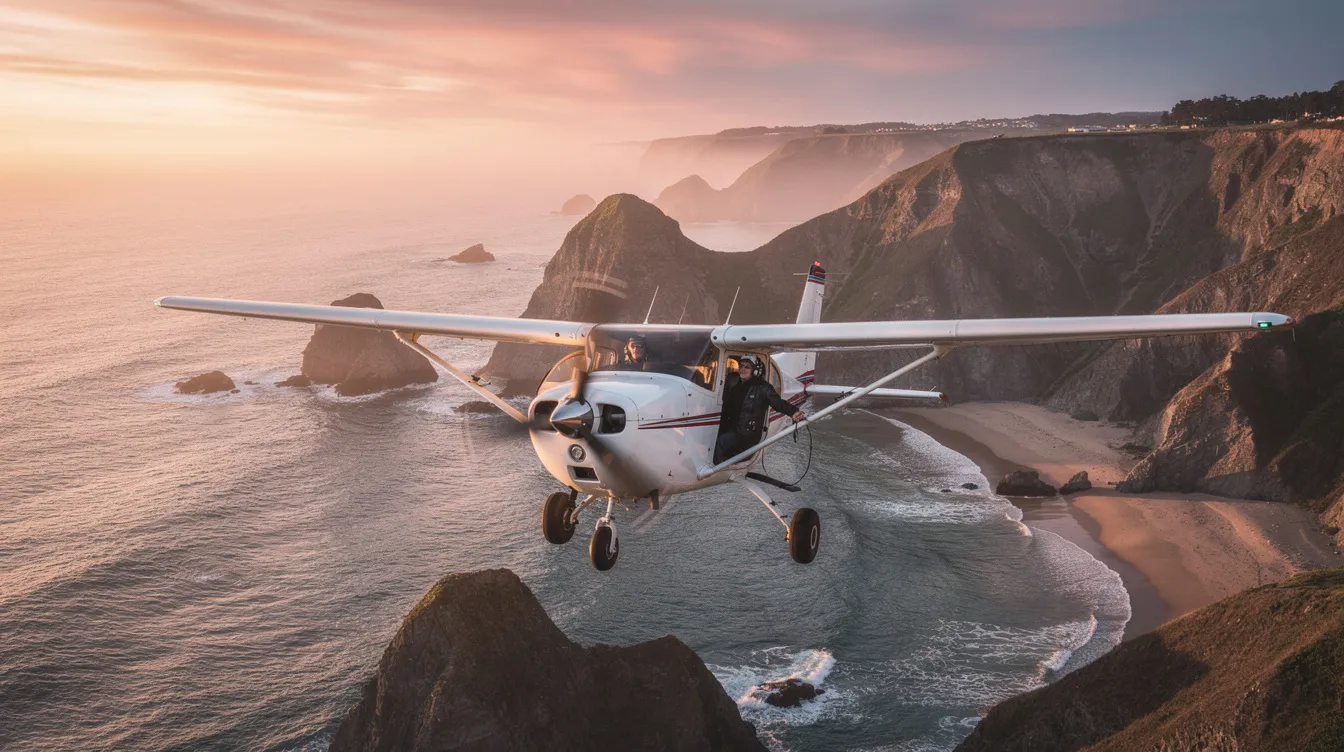
5
min read
What Can You Do with a Private Pilot License?
A Private Pilot License (PPL) allows holders to fly single-engine and some multi-engine aircraft for personal and business travel, carry passengers, and operate under Visual Flight Rules (VFR) in good weather. While pilots cannot fly for compensation, they can share operating expenses with passengers and enjoy various flying experiences, including scenic flights, cross-country trips, and volunteer missions. The PPL serves as a foundation for further aviation training, such as obtaining an instrument rating or a commercial pilot license. Additionally, many pilots complement their flying with private jet charters for longer or more complex trips, enhancing their travel flexibility.
Read MoreJoin our community and receive the latest blog updates directly in your inbox.
MEMBERSHIPS AND ASSOCIATIONS



Disclaimer: Jettly operates as a charter broker, offering access to a global digital jet charter marketplace. Jettly is not a direct air carrier and does not own or operate aircraft. All advertised flights are conducted by third-party air carriers that are fully licensed and hold the appropriate Part 135 or Part 121 certifications issued by the Federal Aviation Administration (FAA) or equivalent regulatory authorities under U.S. or foreign law. Jettly complies fully with the U.S. Department of Transportation's Part 295 and Part 298 Charter Broker regulations. Jettly does not carry additional liability insurance. Passengers are covered by aircraft operator insurance. TICO: 50023770


