



Login
Get Instant Pricing On 23,000+ Aircraft


This blog post provides a comprehensive list of questions to ask when evaluating jet card programs, such as rates for changes, service areas, peak booking times, and aircraft booking policies. It also covers detailed information about the provider, including ownership, location, safety standards, and policies for special requests. The post concludes by encouraging readers to customize the list for their needs and to contact Jettly for a free quote. Jettly promises extensive customization and flexibility in their jet card programs.

Justin Crabbe
May 7, 2025
|
5 minutes
min read


View all
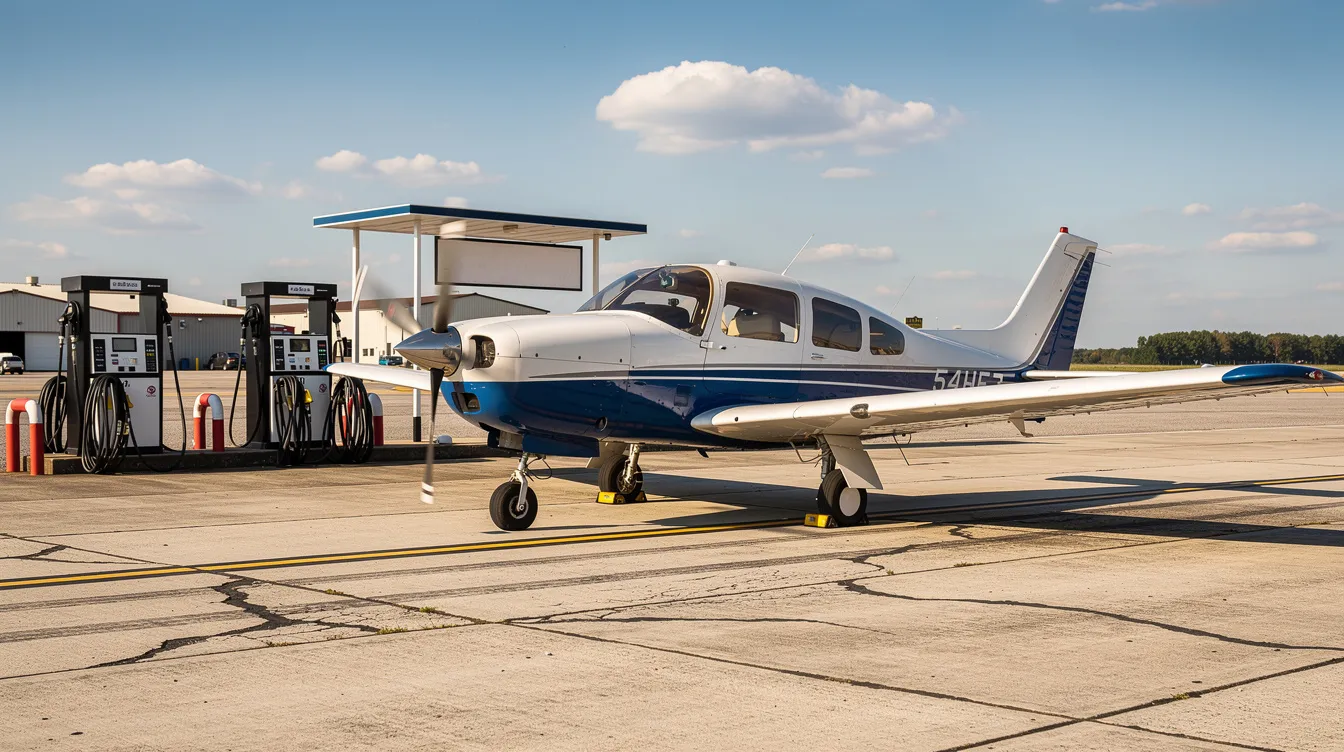
In 2026, fuel costs for small planes vary significantly based on aircraft type and fuel consumption rates. Single-engine pistons typically incur costs of $60–$80 per hour, while turboprops can reach $500–$600 per hour. Understanding these expenses is crucial for budgeting and flight planning for private pilots and aircraft owners.
Jay Franco Serevilla
Oct 14, 2026
|
5
min read
View all
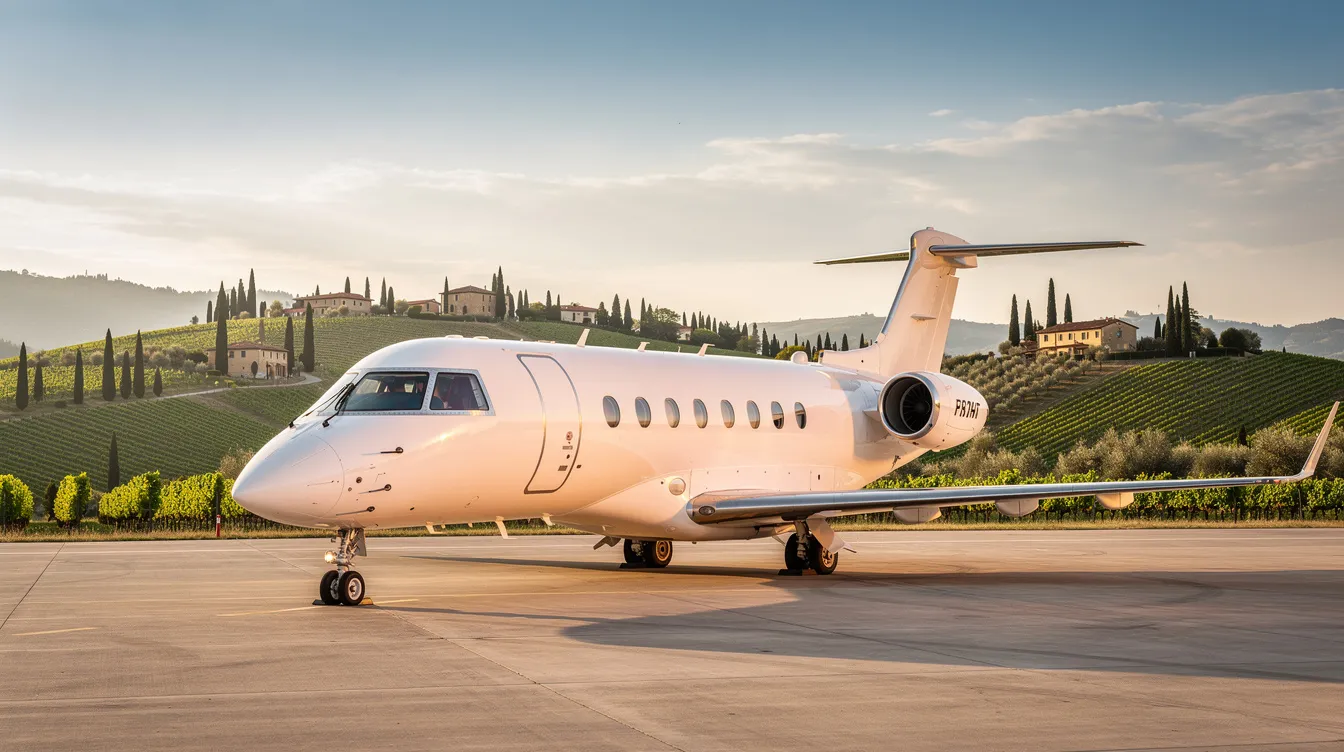
Flying by private jet to Italy offers unmatched flexibility and speed, making it ideal for both business and leisure travelers. This comprehensive guide covers routes, costs, and how Jettly simplifies the booking process, ensuring a seamless travel experience. Discover the advantages of private aviation and how it can enhance your Italian journey.
Jay Franco Serevilla
Oct 14, 2026
|
5
min read
View all
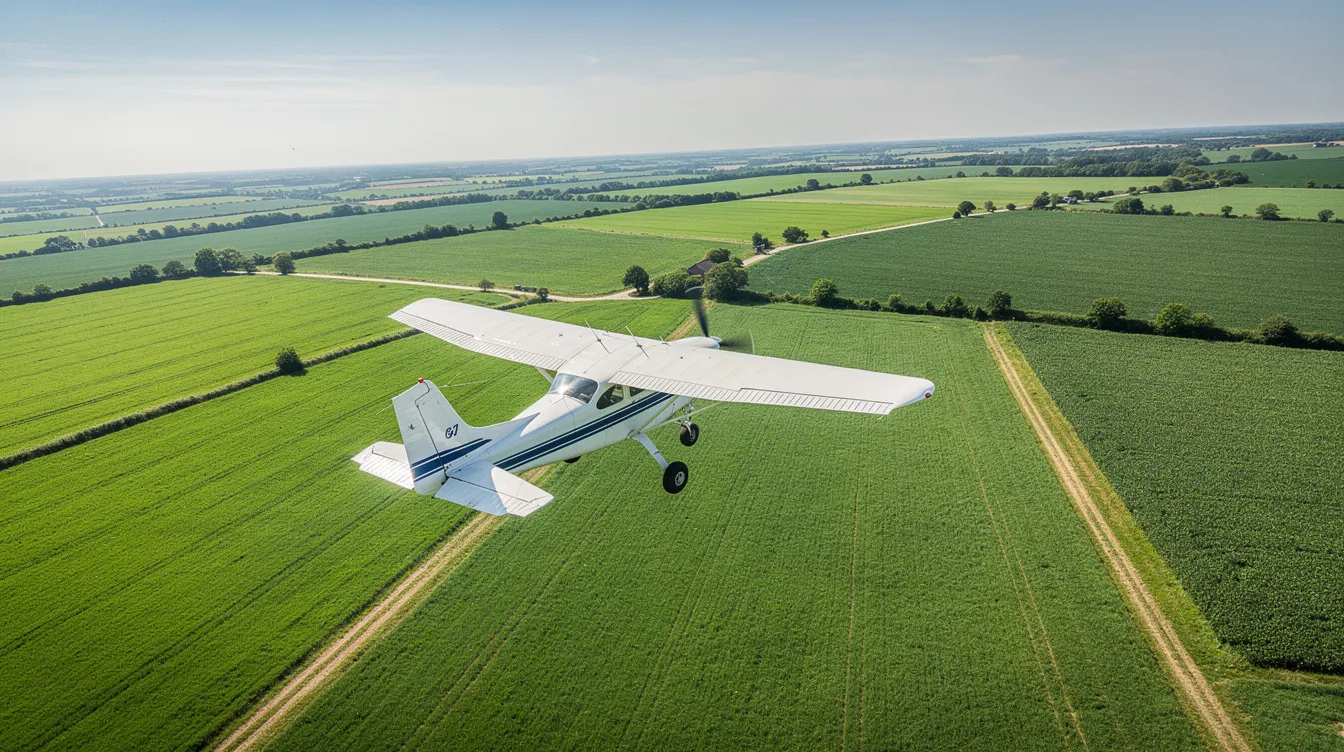
Cessna aircraft range from the versatile Cessna 172, ideal for training and short hops, to the long-range Citation Longitude, capable of flying up to 3,500 nautical miles. Understanding the range capabilities of each model, including factors like fuel capacity and consumption, is essential for effective flight planning. For longer trips, private jet charters provide access to a variety of aircraft tailored to specific travel needs.
Jay Franco Serevilla
Oct 14, 2026
|
5
min read

View all
This guide provides essential information on how to quickly contact JetBlue Airways customer service, including phone numbers and digital channels. It also explores the benefits of choosing private jet charter through Jettly for urgent travel needs, offering a faster alternative to waiting on hold.
Jay Franco Serevilla
Oct 14, 2026
|
5
min read

View all
Private plane maintenance is essential for ensuring safety, reliability, and the long-term value of aircraft. Owners and charter clients must understand maintenance costs and processes to make informed decisions. Platforms like Jettly provide access to well-maintained jets without the burdens of ownership.
Jay Franco Serevilla
Oct 14, 2026
|
5
min read
View all
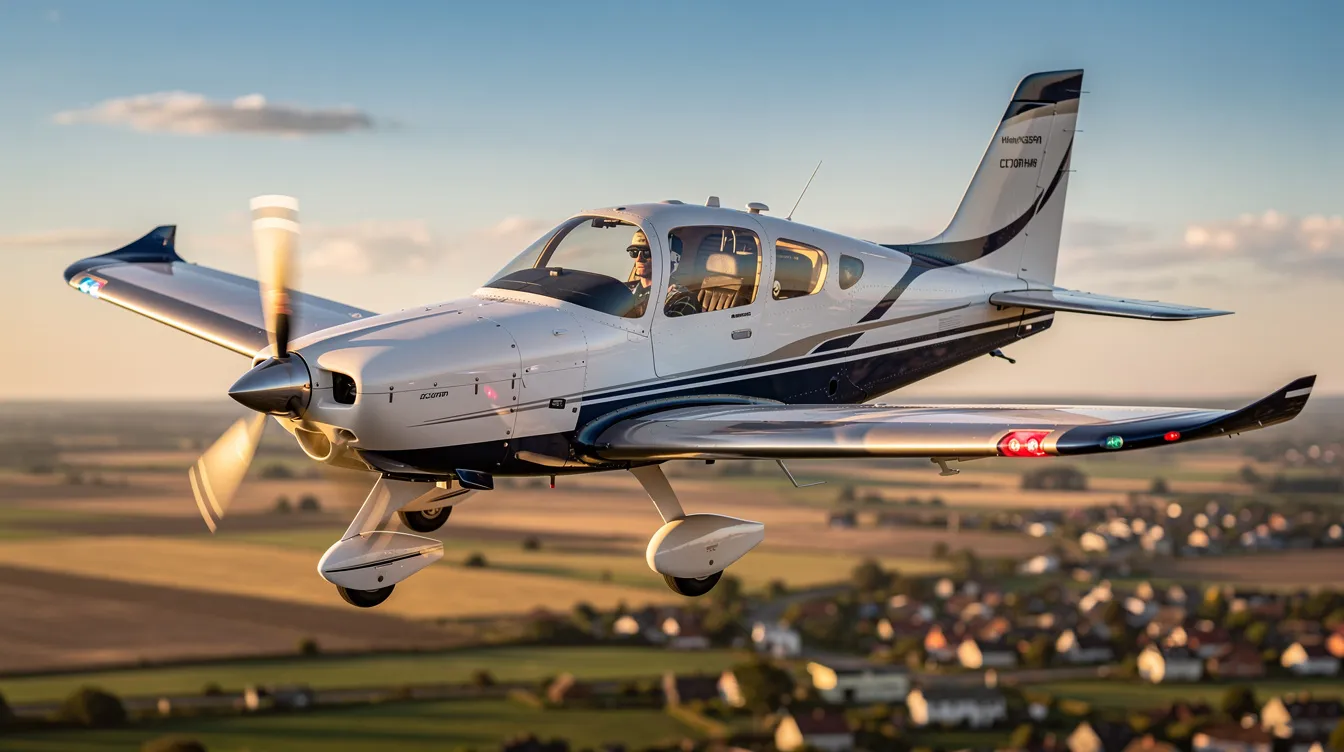
Choosing the best single-engine airplane for cross-country flying in 2026 involves evaluating speed, range, comfort, and cost based on your flying needs. This guide highlights top piston aircraft and high-performance singles, comparing ownership with charter options to help you make an informed decision. Whether for business or leisure, the right aircraft can enhance your travel experience significantly.
Jay Franco Serevilla
Oct 14, 2026
|
5
min read
Explore our latest articles and updates.
5
min read
Pup Plane: Guide to the Preceptor N3 Pup, Super Pup, and Ultra Pup for Modern Pilots
The Pup Plane guide focuses on the Preceptor N3 Pup family, which includes the N3 Pup, Super Pup, and Ultra Pup, catering to modern pilots and aviation enthusiasts interested in homebuilt aircraft. These lightweight, high-wing planes, developed in the late 1970s and 1980s, are known for their affordability and ease of construction, with the N3 Pup qualifying as an ultralight under FAR Part 103 regulations. While these aircraft are ideal for recreational flying, they are not suitable for commercial charter services, which are better served by platforms like Jettly that offer access to a wide range of professionally operated private jets. Understanding the differences between Pup planes and charter options helps pilots and travelers make informed decisions based on their flying needs.
Read More
5
min read
Pilot Lessons Cost in 2026: What You’ll Really Pay to Learn to Fly
In 2026, pilot lesson costs range from $10,000 to $20,000 for a Private Pilot License and can exceed $130,000 for a full professional training path. Key expenses include hourly flight rates ($150–$250), instructor fees, testing costs, and living expenses, with total costs often surpassing advertised minimums due to additional flight hours needed. Training frequency significantly impacts costs, with more frequent flying leading to faster completion and lower overall expenses. Financing options, including loans, GI Bill benefits, and scholarships, can help manage these costs, making flight training more accessible for aspiring pilots.
Read MoreJoin our community and receive the latest blog updates directly in your inbox.
MEMBERSHIPS AND ASSOCIATIONS



Disclaimer: Jettly operates as a charter broker, offering access to a global digital jet charter marketplace. Jettly is not a direct air carrier and does not own or operate aircraft. All advertised flights are conducted by third-party air carriers that are fully licensed and hold the appropriate Part 135 or Part 121 certifications issued by the Federal Aviation Administration (FAA) or equivalent regulatory authorities under U.S. or foreign law. Jettly complies fully with the U.S. Department of Transportation's Part 295 and Part 298 Charter Broker regulations. Jettly does not carry additional liability insurance. Passengers are covered by aircraft operator insurance. TICO: 50023770


