


Login
Get Instant Pricing On 23,000+ Aircraft


The blog delves into various jet fuels utilized in the aviation industry, emphasizing their unique properties and applications. It underscores the importance of selecting the right jet fuel based on aircraft type, engine compatibility, climate, and operational needs. With a focus on reducing environmental impact, the blog highlights ongoing research and development in creating efficient and sustainable fuels. Ultimately, it showcases efforts to ensure a greener future in aviation while maintaining high standards of performance and safety.

Justin Crabbe
May 6, 2025
|
5 minutes
min read


View all
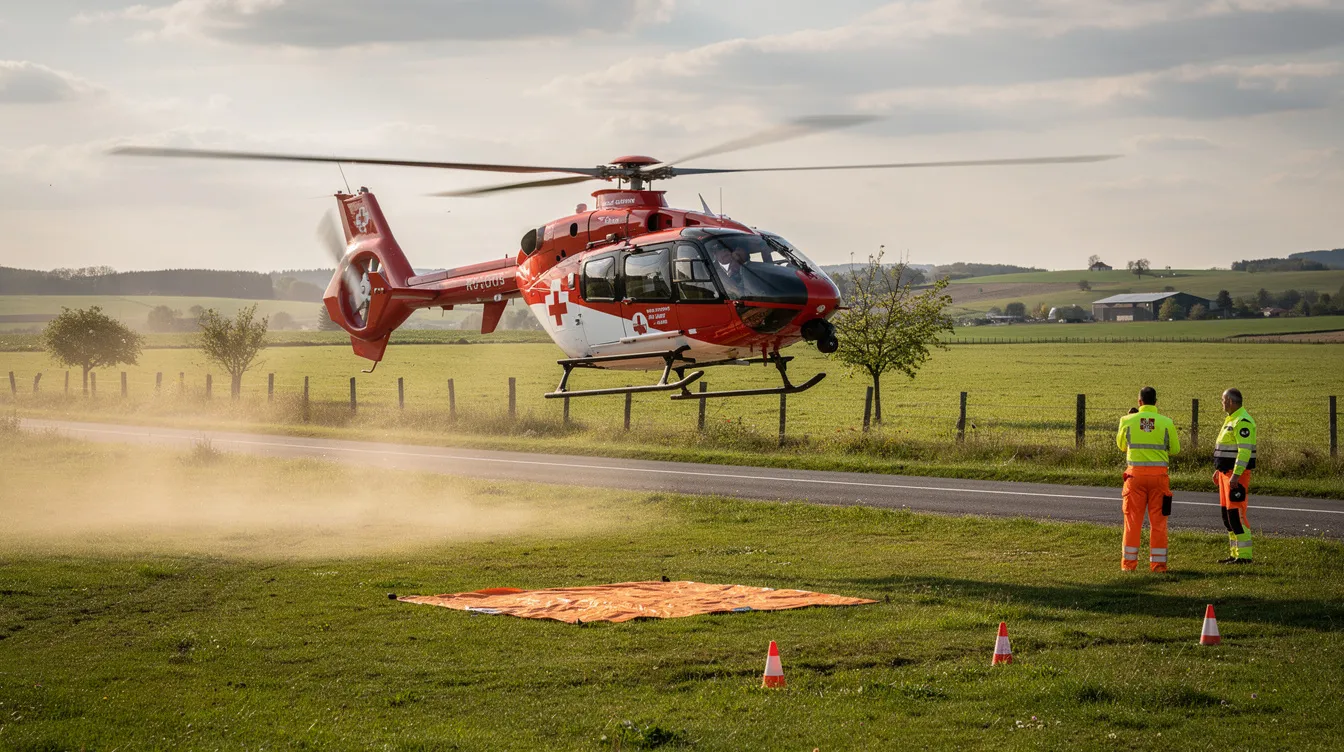
Air ambulance transport can be a lifesaver during medical emergencies, but the costs can be staggering, ranging from $12,000 to over $200,000. This guide explores the factors influencing these prices, including distance, aircraft type, and medical care level, while offering tips on managing and reducing costs effectively.
Jeff Ryan Serevilla
Oct 8, 2026
|
5
min read
View all
The private jet market has seen a significant surge in demand, remaining 35% above pre-pandemic levels through mid-2026. This trend is driven by a broader demographic of first-time flyers, increased flexibility, and the rise of digital booking platforms. As the industry evolves, travelers can expect tighter availability and a focus on sustainability through 2030.
Jeff Ryan Serevilla
Oct 8, 2026
|
5
min read
View all
Private flight club memberships offer a range of costs influenced by initiation fees, monthly dues, and hourly rates. Understanding these components helps travelers make informed decisions between membership and on-demand charter options. With costs varying significantly based on aircraft type and usage, it's essential to evaluate personal travel needs and frequency before committing.
Jeff Ryan Serevilla
Oct 8, 2026
|
5
min read

View all
Taneja Aerospace & Aviation Ltd's current share price is ₹344.20, reflecting a 1.7% decrease. With a P/E ratio of approximately 47, the stock indicates strong growth expectations in the aerospace sector, making it an intriguing option for investors. This guide provides essential trading data, valuation metrics, and insights into the company's fundamentals and market trends.
Jeff Ryan Serevilla
Oct 8, 2026
|
5
min read

View all
In 2026, no major airline has been identified as having the most crashes, with serious incidents primarily involving smaller operators. Despite 61 reported crashes resulting in 397 fatalities, commercial flying remains one of the safest modes of transportation due to stringent regulations and advanced safety technologies. Understanding aviation safety statistics is crucial for travelers to make informed decisions about their air travel options.
Jay Franco Serevilla
Oct 7, 2026
|
5
min read

View all
The survival rate of plane crashes is significantly higher than commonly believed, with around 90% of accidents being survivable. Factors such as seat location, crew training, and aircraft design play crucial roles in enhancing safety. By choosing regulated operators like Jettly, travelers can further ensure high safety standards in private aviation.
Jay Franco Serevilla
Oct 7, 2026
|
5
min read
Explore our latest articles and updates.
.avif)
5 minutes
min read
Pricing and Availability Insights: How Short-Term and Long-Term Private Jet Leases Compare
Private jet leasing has become a popular alternative to ownership or on-demand charter, offering travelers flexibility, cost savings, and consistent access to premium aircraft. Short-term leases (1–6 months) are ideal for seasonal or project-based travel, while long-term leases (12+ months) offer better value and perks for frequent flyers. With Jettly, both options include transparent pricing, access to a modern fleet, and the ability to add hours or switch aircraft as needed. Whether you're seeking short-term flexibility or long-term consistency, Jettly makes leasing private jets simple, customizable, and cost-effective.
Read More.avif)
5 minutes
min read
Are Private Jets Safe? Everything You Need to Know About Private Aviation Safety
Private jets are statistically among the safest modes of travel, with rigorous pilot training, frequent maintenance, and compliance with strict FAA regulations—particularly under Part 135 charter rules. Modern private jets are equipped with advanced safety features like terrain awareness systems, enhanced vision systems, and real-time weather monitoring, and are flown by highly experienced pilots, often with military or commercial backgrounds. Private aviation also offers added safety through reduced exposure to crowds, customizable security measures, and better hygiene. With proper due diligence—such as checking ARGUS/Wyvern ratings and maintenance standards—flying private is both secure and luxurious.
Read MoreJoin our community and receive the latest blog updates directly in your inbox.
MEMBERSHIPS AND ASSOCIATIONS



Disclaimer: Jettly operates as a charter broker, offering access to a global digital jet charter marketplace. Jettly is not a direct air carrier and does not own or operate aircraft. All advertised flights are conducted by third-party air carriers that are fully licensed and hold the appropriate Part 135 or Part 121 certifications issued by the Federal Aviation Administration (FAA) or equivalent regulatory authorities under U.S. or foreign law. Jettly complies fully with the U.S. Department of Transportation's Part 295 and Part 298 Charter Broker regulations. Jettly does not carry additional liability insurance. Passengers are covered by aircraft operator insurance. TICO: 50023770


