


Login
Get Instant Pricing On 23,000+ Aircraft


Fractional jet ownership allows multiple owners to share the costs of private jet travel, making it a cost-effective alternative to full ownership. Benefits include guaranteed flight hours, personalized service, and increased flexibility, though drawbacks such as limited aircraft choice and high ongoing expenses exist. Potential owners should evaluate their travel needs and financial priorities before committing. Comparing fractional ownership to alternatives like jet chartering or full ownership can help determine the best option for individual circumstances.

Justin Crabbe
May 6, 2025
|
5 minutes
min read


View all
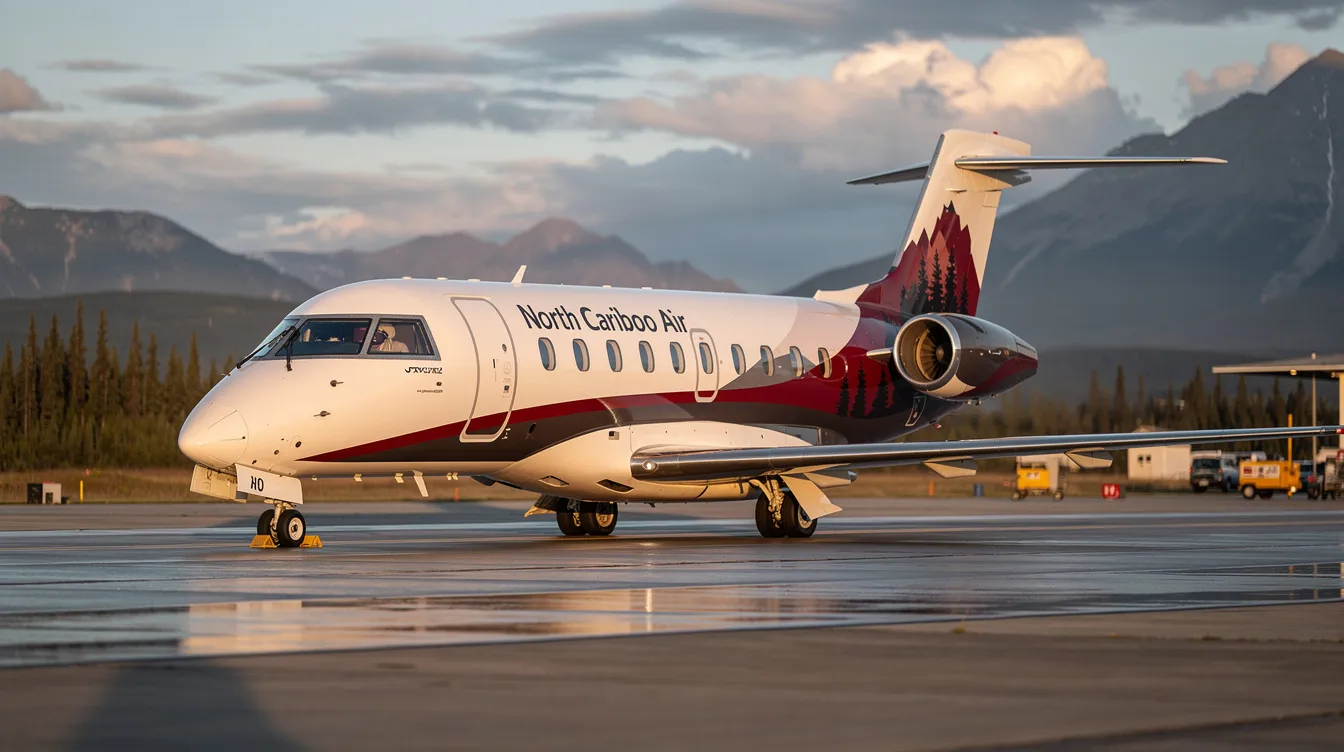
North Cariboo Air has been a staple in Western Canada's charter aviation since 1957, primarily serving the oil, gas, and mining sectors. With a versatile fleet tailored for remote operations, it offers customized corporate and industrial charter services. However, modern digital platforms like Jettly provide travelers with more flexible booking options and access to a broader range of aircraft.
Jay Franco Serevilla
Oct 6, 2026
|
5
min read
View all
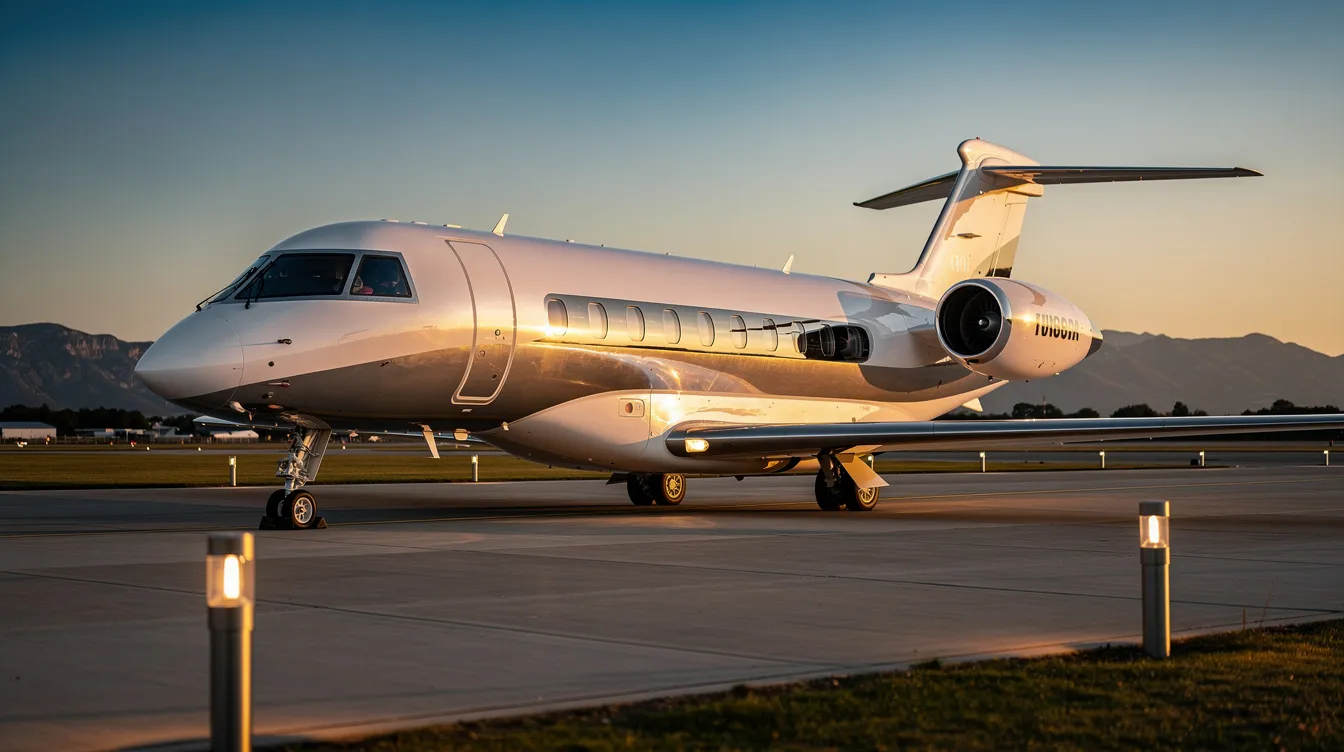
Sky Partners in private aviation refer to the network of certified operators and aircraft owners that facilitate private jet charters through platforms like Jettly. This guide explains how these partnerships work, offering travelers access to over 20,000 aircraft worldwide while ensuring flexibility, safety, and cost transparency. Understanding this ecosystem helps users make informed decisions for their private travel needs.
Jay Franco Serevilla
Oct 6, 2026
|
5
min read
View all
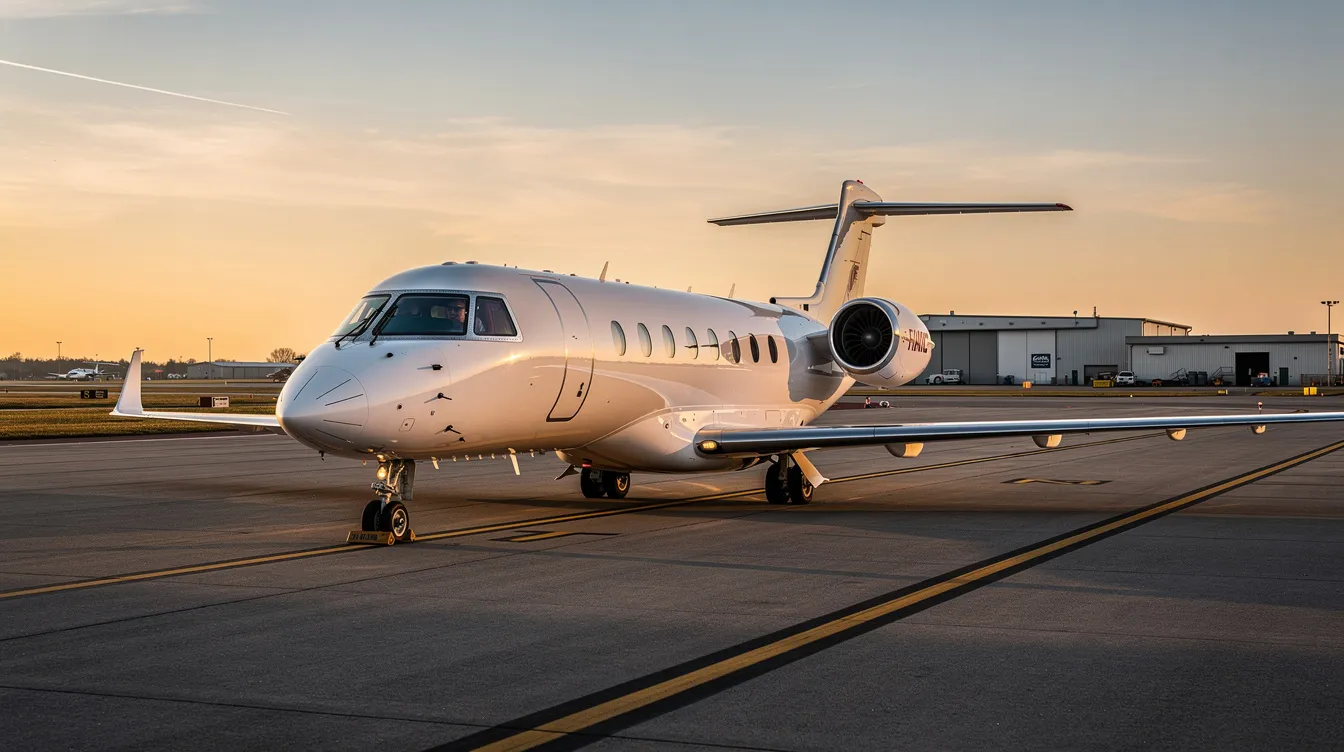
Status jets have evolved from exclusive ownership to flexible, on-demand access, allowing travelers to fly privately without the hassles of commercial aviation. Platforms like Jettly provide instant pricing and access to over 20,000 aircraft, making private travel more accessible for business and leisure travelers alike. This shift emphasizes convenience, time savings, and the ability to travel on one's own schedule.
Jay Franco Serevilla
Oct 6, 2026
|
5
min read
View all
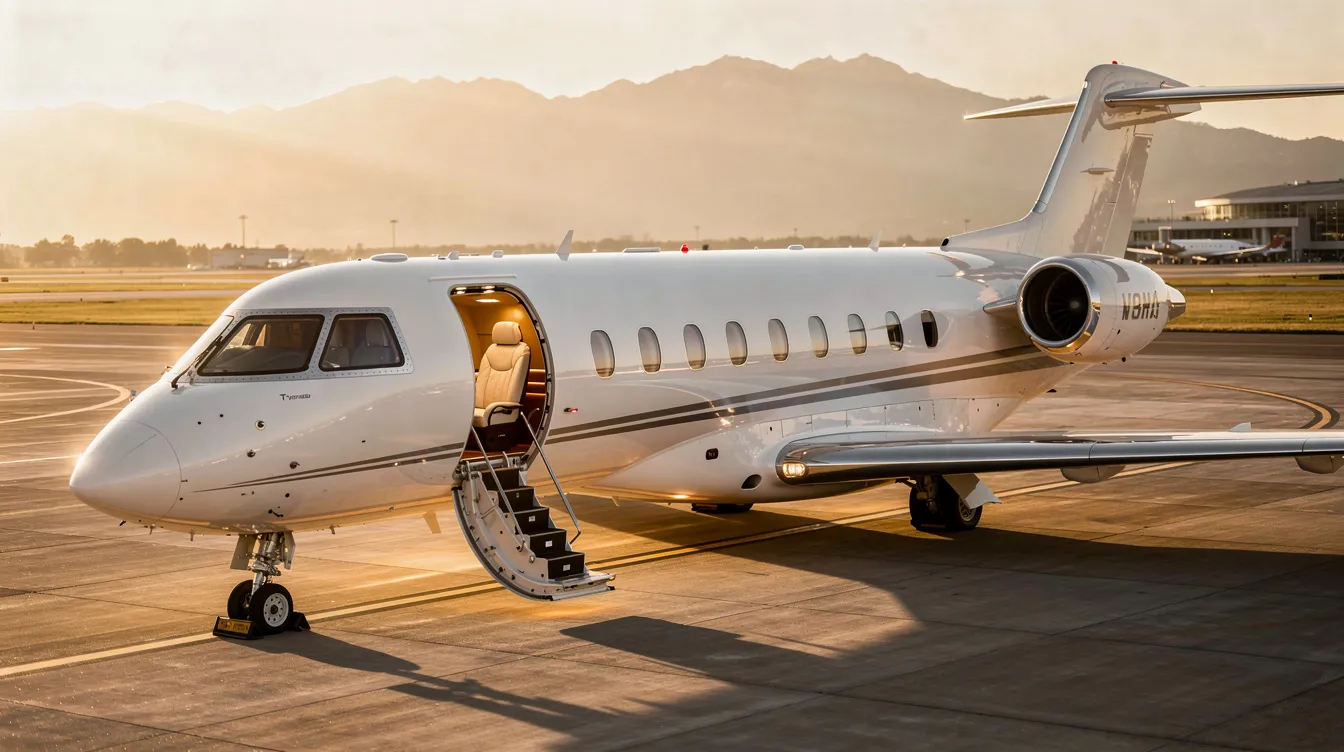
In 2026, understanding the costs associated with private jet ownership is essential for potential buyers. This guide outlines acquisition prices, ongoing expenses, and the benefits of chartering through platforms like Jettly. With costs ranging from hundreds of thousands to over $100 million, buyers must consider both initial investments and substantial annual expenses.
Jay Franco Serevilla
Oct 6, 2026
|
5
min read
View all
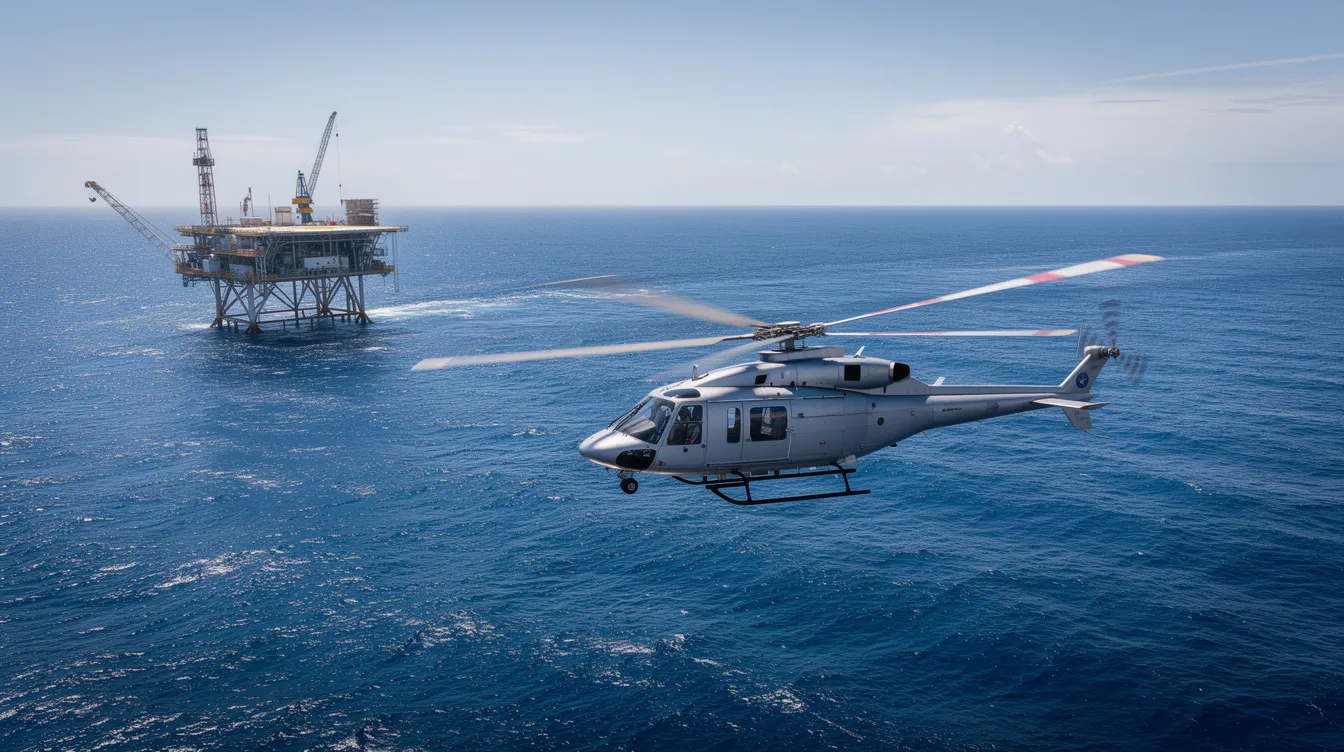
Helicopters typically stay airborne for 2 to 6 hours, depending on their class and mission profile. Factors like fuel capacity, payload, and weather conditions significantly influence their endurance and range. Understanding these aspects is crucial for effective flight planning and operational efficiency.
Jeff Ryan Serevilla
Oct 6, 2026
|
5
min read
View all
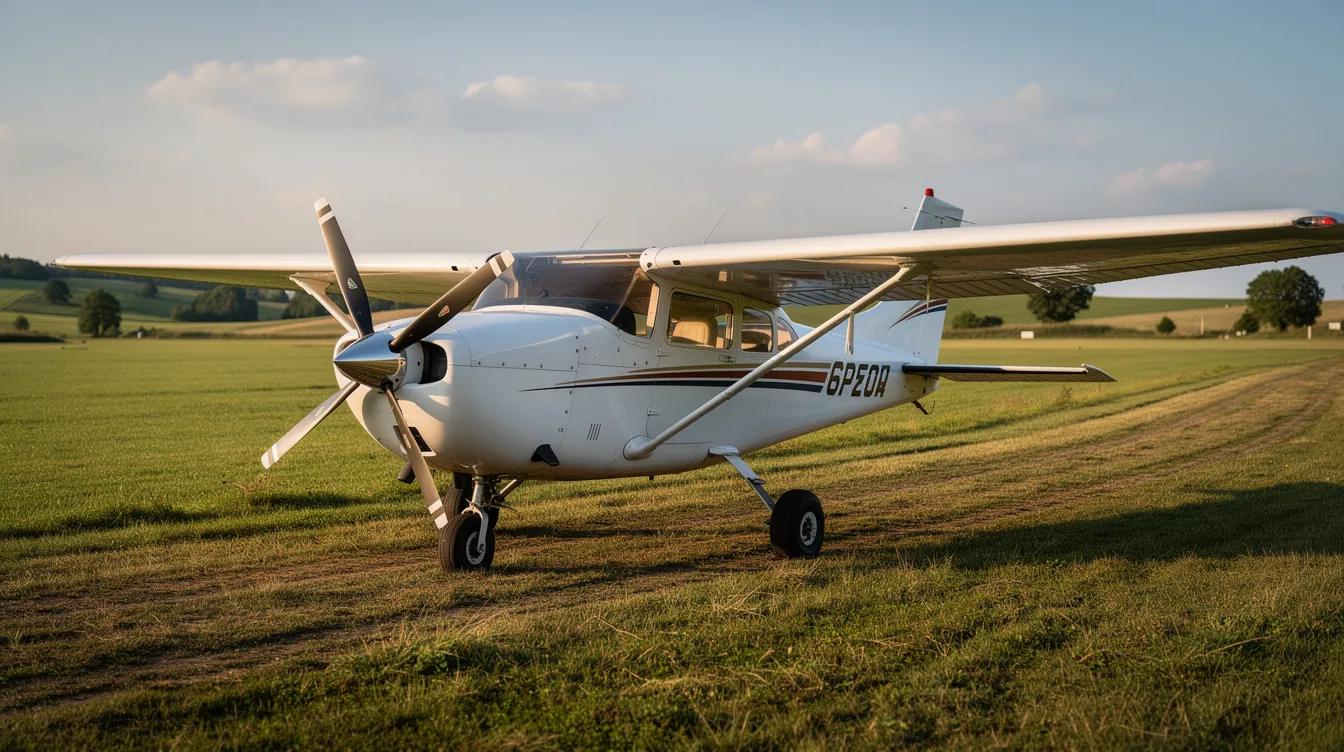
The Cessna 182's useful load is crucial for pilots when planning flights, as it determines how much weight can be carried, including passengers and fuel. This guide explores the useful load across various Cessna 182 models, highlighting trade-offs and practical loading scenarios for effective flight planning.
Jeff Ryan Serevilla
Oct 6, 2026
|
5
min read
Explore our latest articles and updates.
5
min read
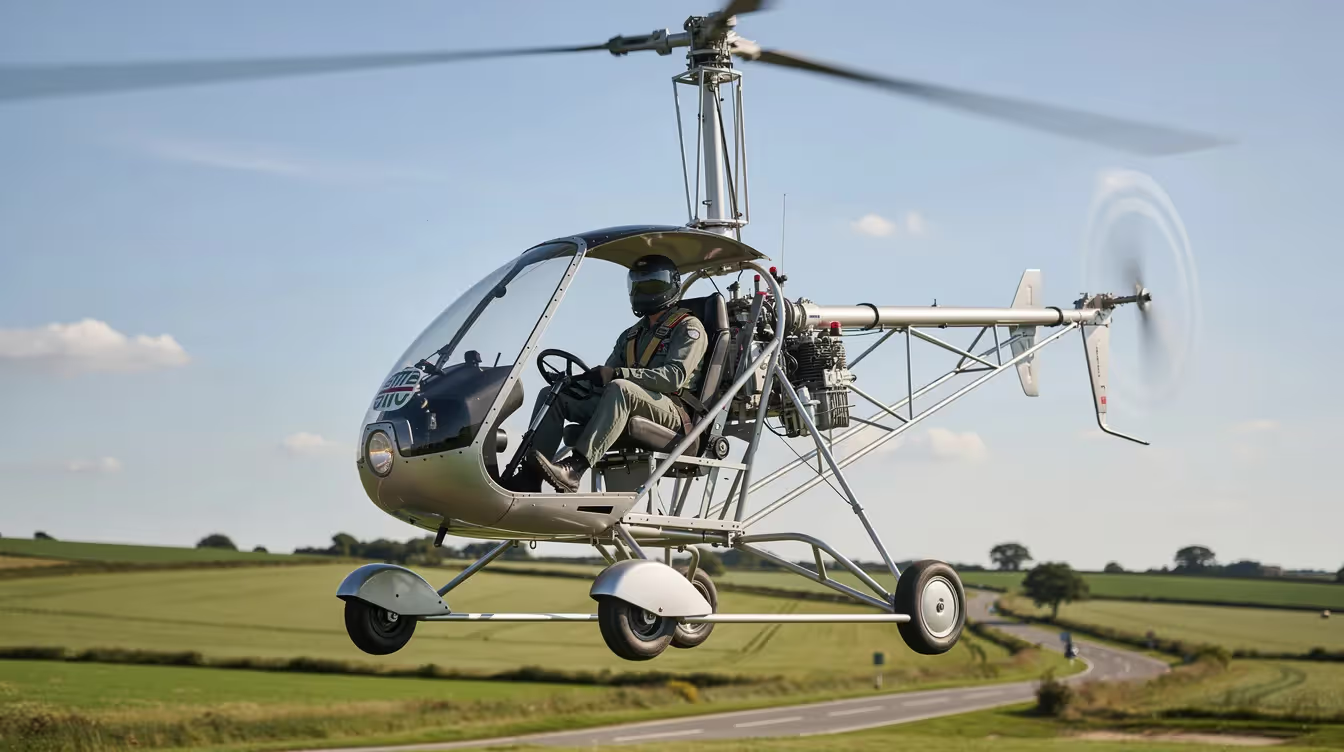
Gyroplane: How It Works, What It Costs, and Where It Fits in Modern Private Aviation
Gyroplanes, or autogyros, are a unique type of rotorcraft that generate lift through an unpowered rotor and require forward motion for flight, distinguishing them from helicopters. They are primarily used for recreational flying, agricultural monitoring, and low-altitude patrols due to their lower operating costs and ability to operate from short runways. While gyroplanes appeal to hobbyists and specialized operators, they are not suited for long-distance business travel, which is typically served by jets and helicopters available through platforms like Jettly. Overall, gyroplanes offer a niche alternative in private aviation, emphasizing affordability and versatility for specific applications rather than mainstream charter services.
Read More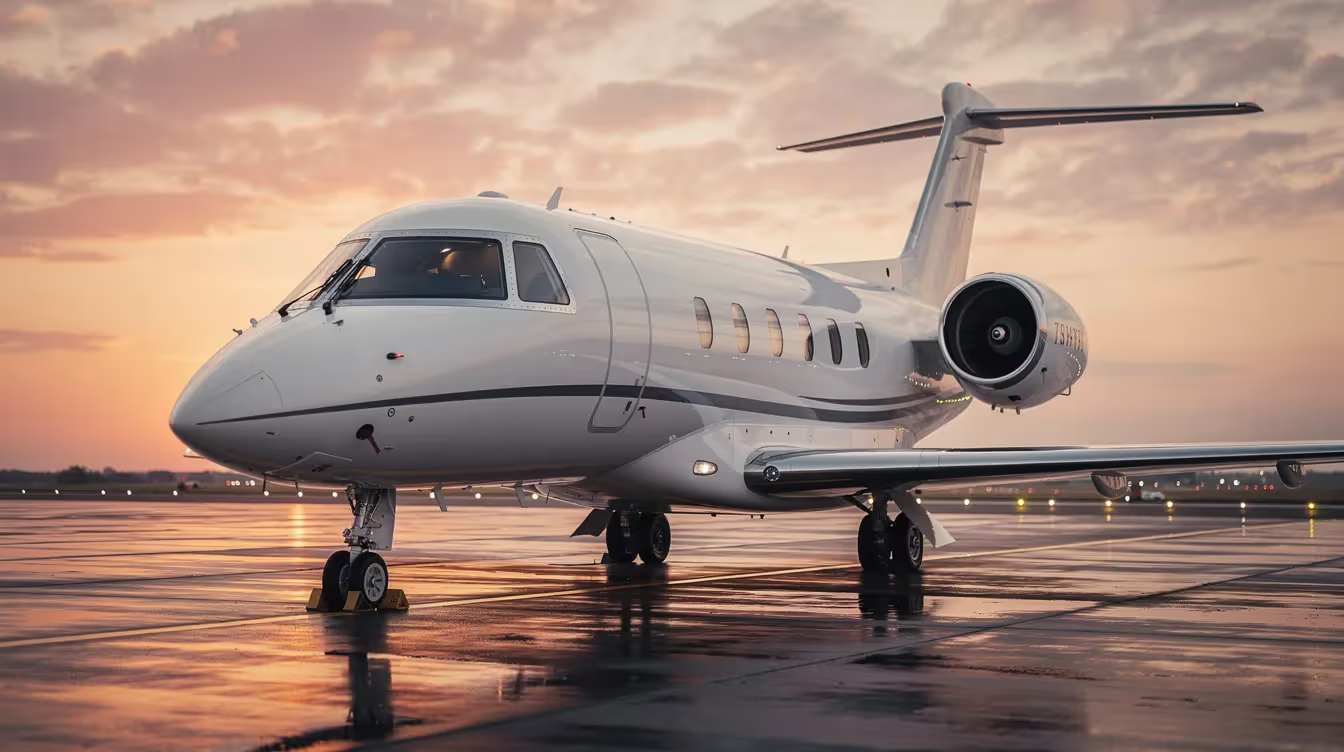
5
min read
Helicopter License Price: Full Cost Breakdown, Training Paths & Budget Tips
The cost of obtaining a helicopter pilot license in the U.S. ranges from approximately $25,000 to $35,000 for a Private Helicopter Pilot License (PPL-H) and can exceed $100,000 for a full commercial certification, depending on factors like flight hours, helicopter type, and geographic location. Key expenses include flight training, ground school, exams, and aircraft rental fees, with the Robinson R22 being a more affordable training option compared to the R44. While pursuing a helicopter license can lead to rewarding career opportunities, travelers seeking occasional private flights may find chartering options, such as those offered by Jettly, to be more cost-effective than investing in training. Overall, budgeting for training should include not only tuition but also additional costs like gear, insurance, and ongoing proficiency checks.
Read MoreJoin our community and receive the latest blog updates directly in your inbox.
MEMBERSHIPS AND ASSOCIATIONS



Disclaimer: Jettly operates as a charter broker, offering access to a global digital jet charter marketplace. Jettly is not a direct air carrier and does not own or operate aircraft. All advertised flights are conducted by third-party air carriers that are fully licensed and hold the appropriate Part 135 or Part 121 certifications issued by the Federal Aviation Administration (FAA) or equivalent regulatory authorities under U.S. or foreign law. Jettly complies fully with the U.S. Department of Transportation's Part 295 and Part 298 Charter Broker regulations. Jettly does not carry additional liability insurance. Passengers are covered by aircraft operator insurance. TICO: 50023770


