


Login
Get Instant Pricing On 23,000+ Aircraft


Private jet charters offer affordability, flexibility, and convenience compared to fractional jet ownership. Charters are cost-effective for one-time trips without the high expenses of fractional ownership. They also provide more control over travel plans, including choice of airports and aircraft, whereas fractional ownership may involve limitations and advance booking requirements. Lastly, private jet charters handle all travel arrangements, enhancing overall convenience.

Justin Crabbe
May 6, 2025
|
5 minutes
min read


View all
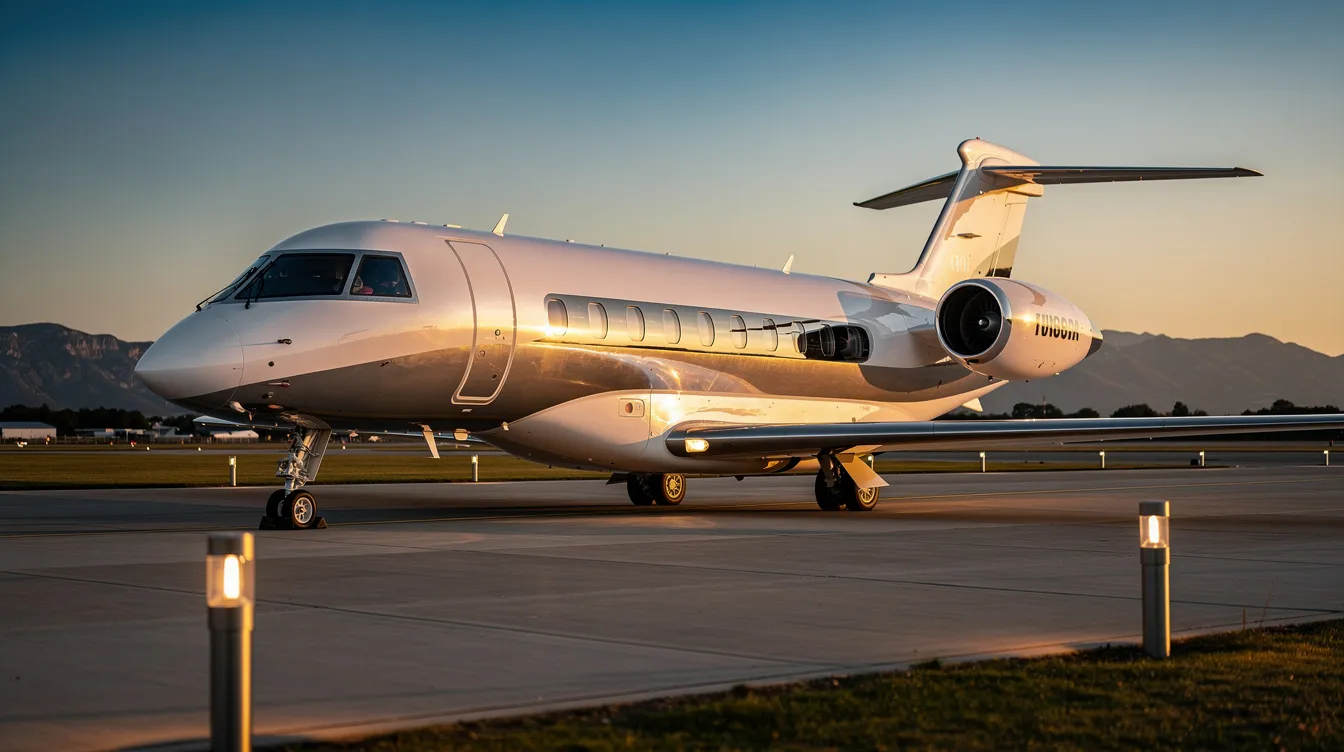
Sky Partners in private aviation refer to the network of certified operators and aircraft owners that facilitate private jet charters through platforms like Jettly. This guide explains how these partnerships work, offering travelers access to over 20,000 aircraft worldwide while ensuring flexibility, safety, and cost transparency. Understanding this ecosystem helps users make informed decisions for their private travel needs.
Jay Franco Serevilla
Oct 6, 2026
|
5
min read
View all
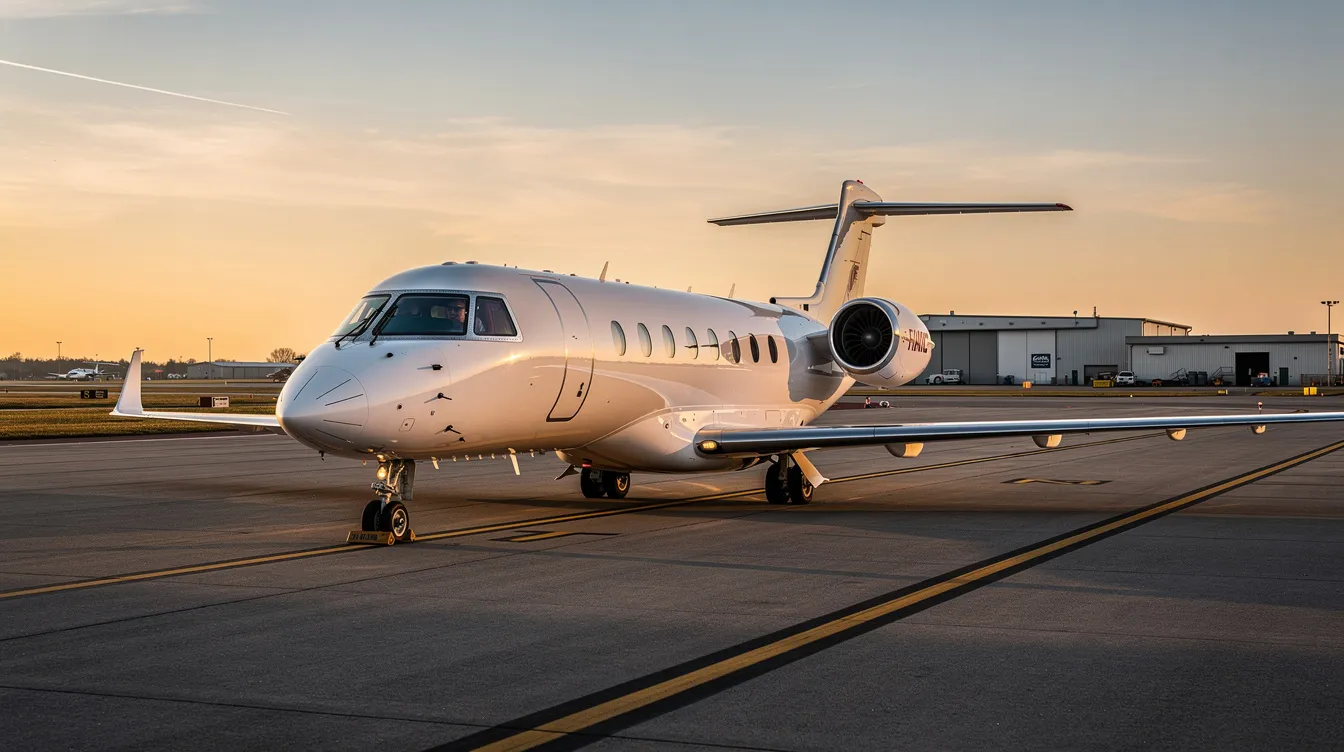
Status jets have evolved from exclusive ownership to flexible, on-demand access, allowing travelers to fly privately without the hassles of commercial aviation. Platforms like Jettly provide instant pricing and access to over 20,000 aircraft, making private travel more accessible for business and leisure travelers alike. This shift emphasizes convenience, time savings, and the ability to travel on one's own schedule.
Jay Franco Serevilla
Oct 6, 2026
|
5
min read
View all
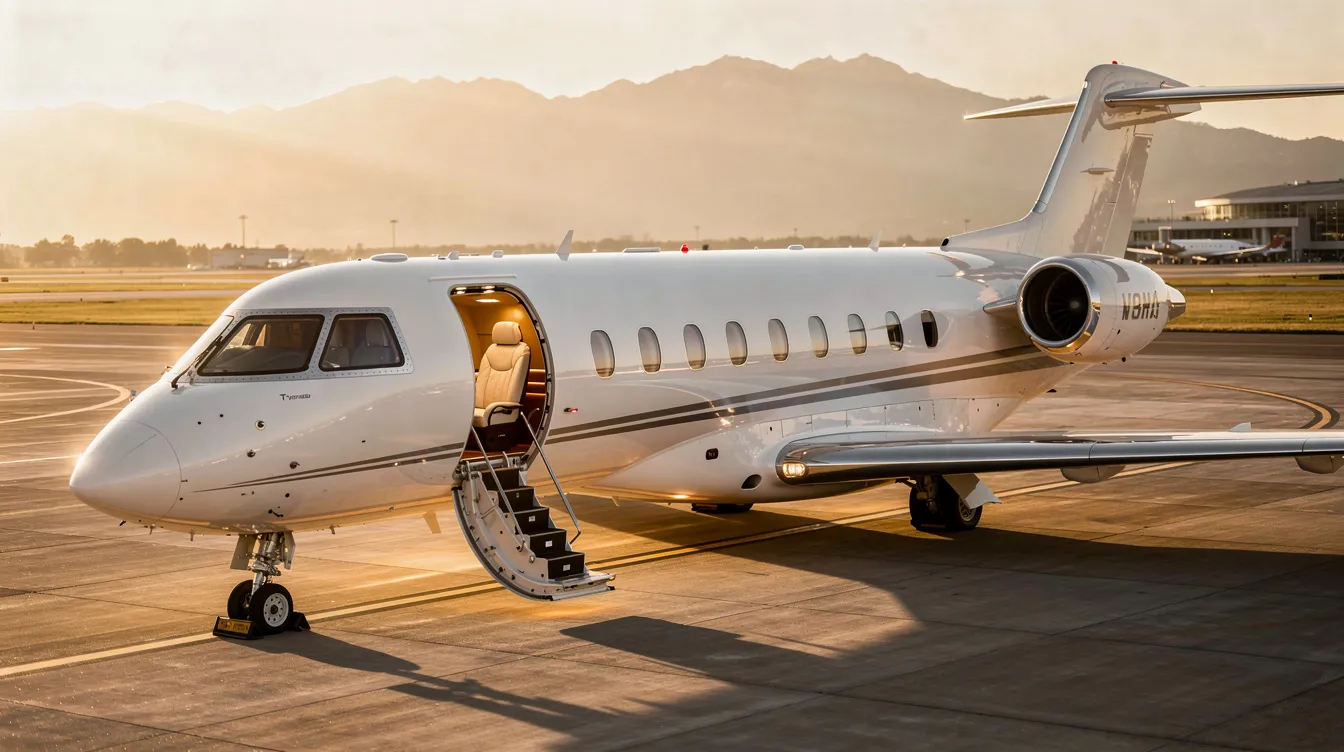
In 2026, understanding the costs associated with private jet ownership is essential for potential buyers. This guide outlines acquisition prices, ongoing expenses, and the benefits of chartering through platforms like Jettly. With costs ranging from hundreds of thousands to over $100 million, buyers must consider both initial investments and substantial annual expenses.
Jay Franco Serevilla
Oct 6, 2026
|
5
min read
View all
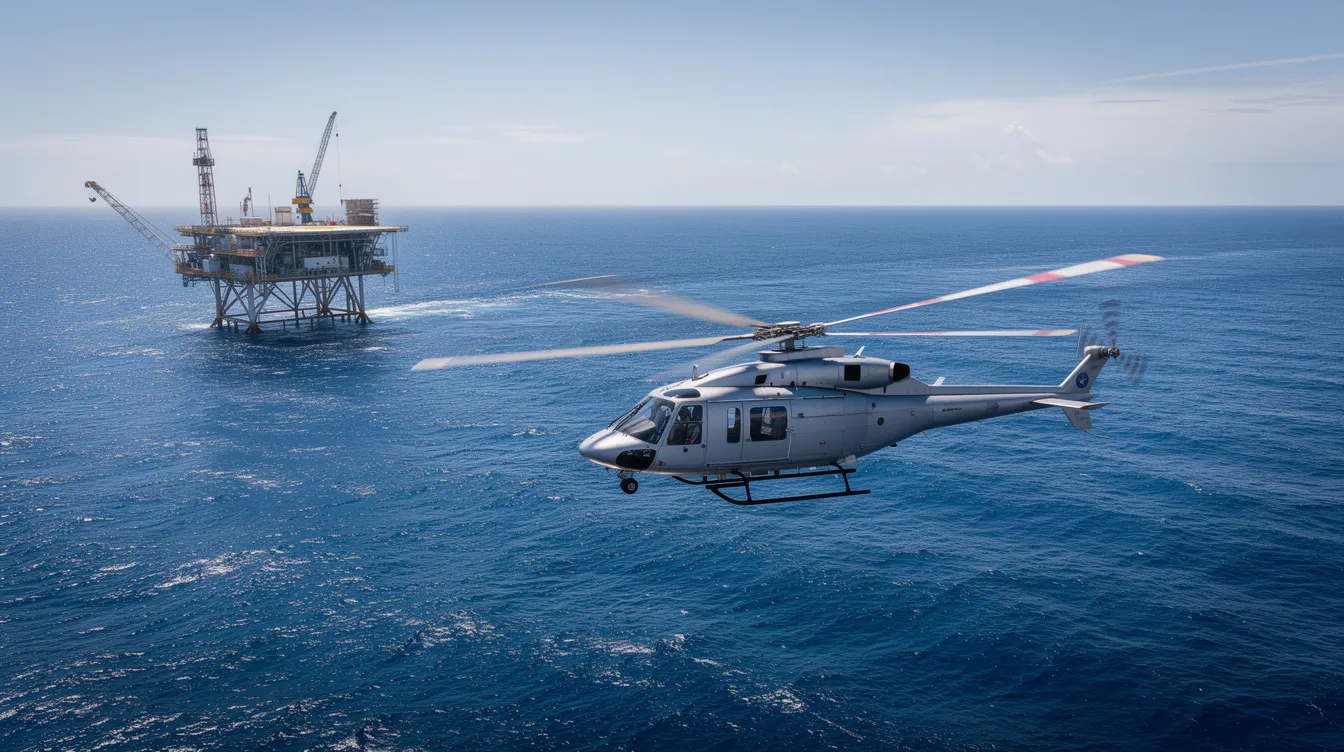
Helicopters typically stay airborne for 2 to 6 hours, depending on their class and mission profile. Factors like fuel capacity, payload, and weather conditions significantly influence their endurance and range. Understanding these aspects is crucial for effective flight planning and operational efficiency.
Jeff Ryan Serevilla
Oct 6, 2026
|
5
min read
View all
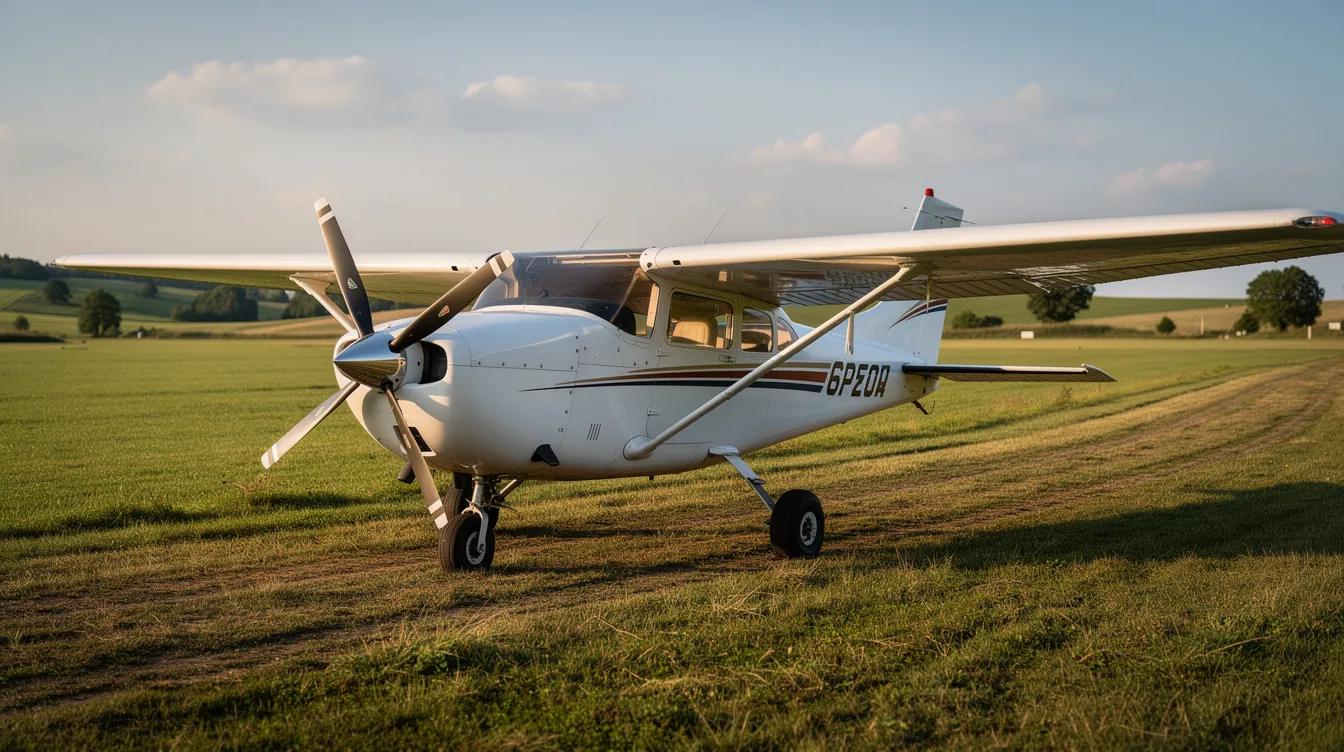
The Cessna 182's useful load is crucial for pilots when planning flights, as it determines how much weight can be carried, including passengers and fuel. This guide explores the useful load across various Cessna 182 models, highlighting trade-offs and practical loading scenarios for effective flight planning.
Jeff Ryan Serevilla
Oct 6, 2026
|
5
min read
View all
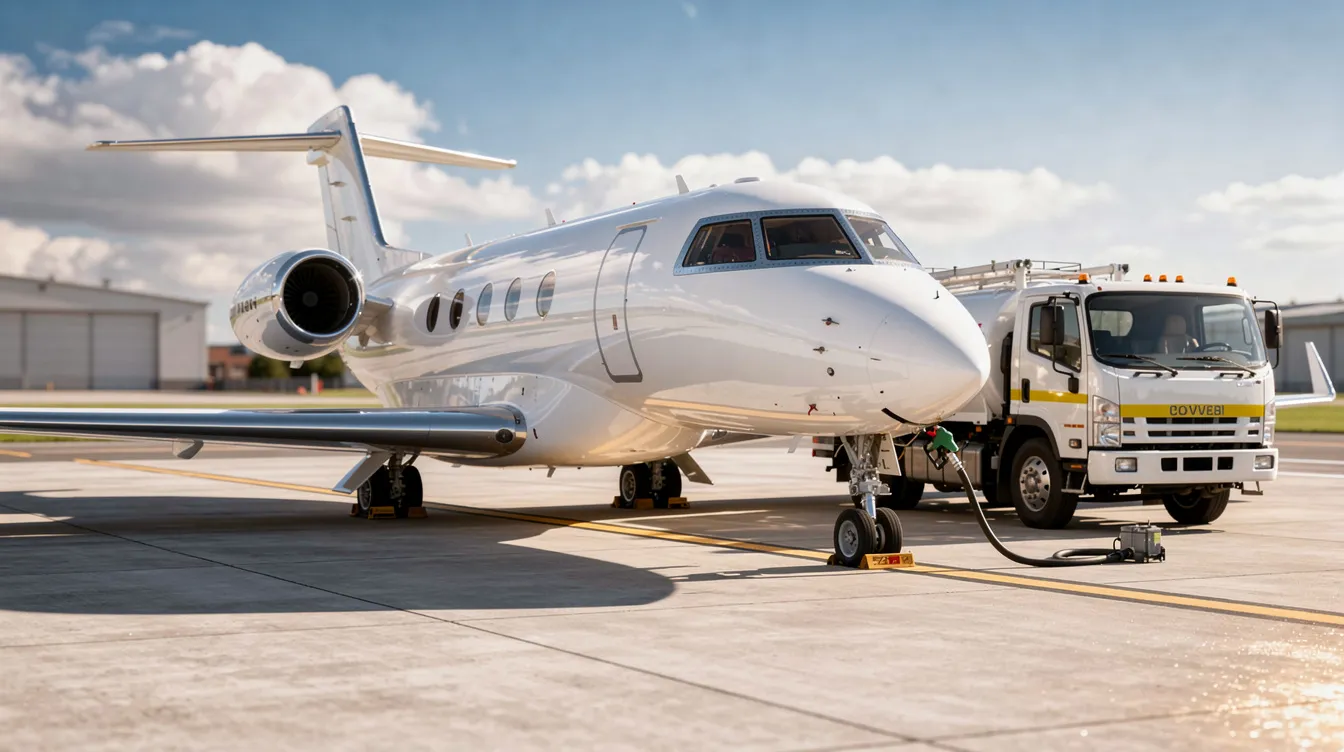
As of May 2026, airplane fuel prices in the U.S. range from $7.00 to $9.20 per gallon for Jet A, significantly impacting private flight costs. Understanding these prices is crucial for frequent flyers, as fuel constitutes a major portion of charter expenses. Jettly offers transparent pricing that incorporates real-time fuel costs to help travelers budget effectively.
Jeff Ryan Serevilla
Oct 6, 2026
|
5
min read
Explore our latest articles and updates.
5
min read
Pup Plane: Guide to the Preceptor N3 Pup, Super Pup, and Ultra Pup for Modern Pilots
The Pup Plane guide focuses on the Preceptor N3 Pup family, which includes the N3 Pup, Super Pup, and Ultra Pup, catering to modern pilots and aviation enthusiasts interested in homebuilt aircraft. These lightweight, high-wing planes, developed in the late 1970s and 1980s, are known for their affordability and ease of construction, with the N3 Pup qualifying as an ultralight under FAR Part 103 regulations. While these aircraft are ideal for recreational flying, they are not suitable for commercial charter services, which are better served by platforms like Jettly that offer access to a wide range of professionally operated private jets. Understanding the differences between Pup planes and charter options helps pilots and travelers make informed decisions based on their flying needs.
Read More
5
min read
Pilot Lessons Cost in 2026: What You’ll Really Pay to Learn to Fly
In 2026, pilot lesson costs range from $10,000 to $20,000 for a Private Pilot License and can exceed $130,000 for a full professional training path. Key expenses include hourly flight rates ($150–$250), instructor fees, testing costs, and living expenses, with total costs often surpassing advertised minimums due to additional flight hours needed. Training frequency significantly impacts costs, with more frequent flying leading to faster completion and lower overall expenses. Financing options, including loans, GI Bill benefits, and scholarships, can help manage these costs, making flight training more accessible for aspiring pilots.
Read MoreJoin our community and receive the latest blog updates directly in your inbox.
MEMBERSHIPS AND ASSOCIATIONS



Disclaimer: Jettly operates as a charter broker, offering access to a global digital jet charter marketplace. Jettly is not a direct air carrier and does not own or operate aircraft. All advertised flights are conducted by third-party air carriers that are fully licensed and hold the appropriate Part 135 or Part 121 certifications issued by the Federal Aviation Administration (FAA) or equivalent regulatory authorities under U.S. or foreign law. Jettly complies fully with the U.S. Department of Transportation's Part 295 and Part 298 Charter Broker regulations. Jettly does not carry additional liability insurance. Passengers are covered by aircraft operator insurance. TICO: 50023770


