


Login
Get Instant Pricing On 23,000+ Aircraft


Private jet travelers have a variety of landing options beyond major commercial airports, such as regional airports, private FBOs, and even exclusive airstrips, each offering unique advantages like privacy, convenience, and faster turnarounds. Choosing the right landing spot can enhance the private jet experience, with factors like proximity to the destination, runway requirements, FBO amenities, and operational hours playing key roles. Smaller airports often provide benefits like reduced congestion and greater privacy, while unique landing sites, such as temporary airstrips for high-profile events, add a level of flexibility. Working with experienced charter providers like Jettly helps travelers find the best airport to match their needs, from VIP services to environmentally-friendly options, ensuring a seamless private travel experience.

Justin Crabbe
May 7, 2025
|
5 minutes
min read


View all
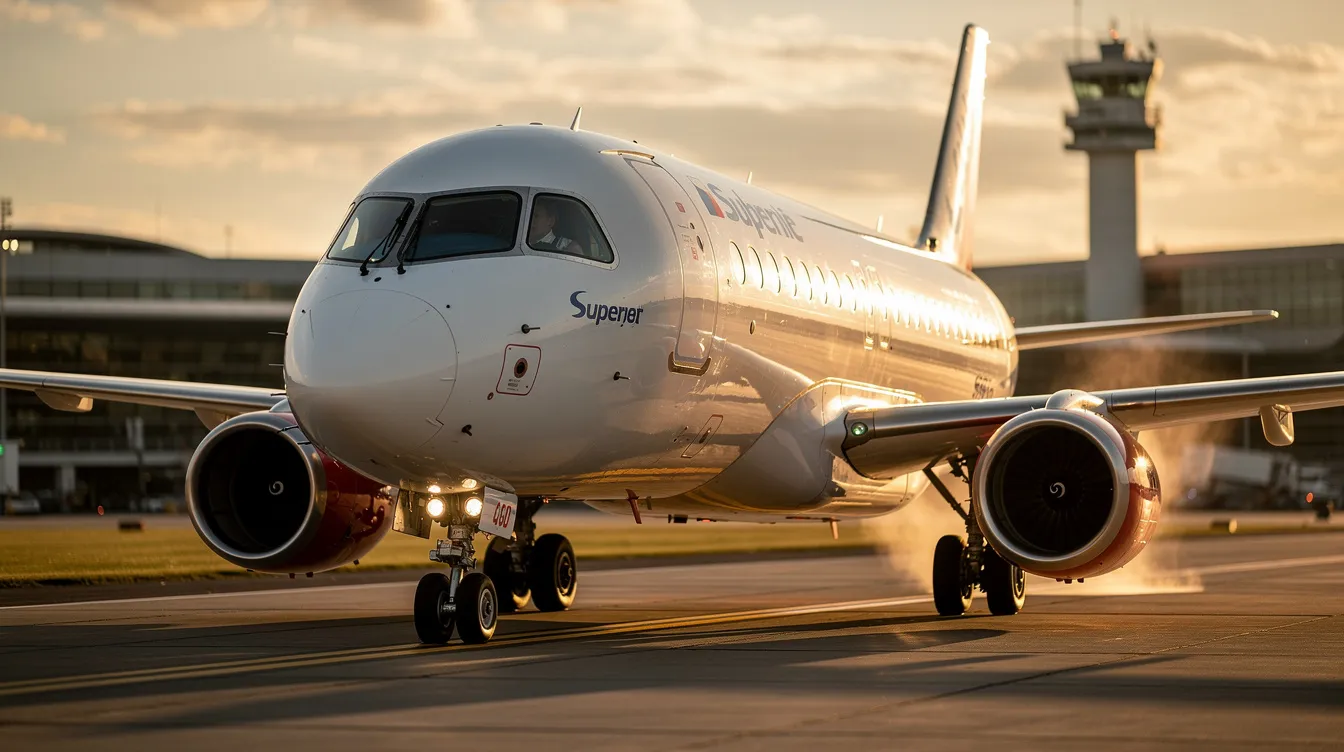
The Sukhoi Superjet SSJ100 is Russia's premier regional jet, designed for short to medium-haul routes with a capacity of 68-103 passengers. Despite its modern design and capabilities, the aircraft faces challenges due to sanctions and limited global support, impacting its international operations. This guide provides insights into its variants, charter use, and operational considerations for aviation enthusiasts and travel planners.
Jay Franco Serevilla
Sep 27, 2026
|
5
min read
View all
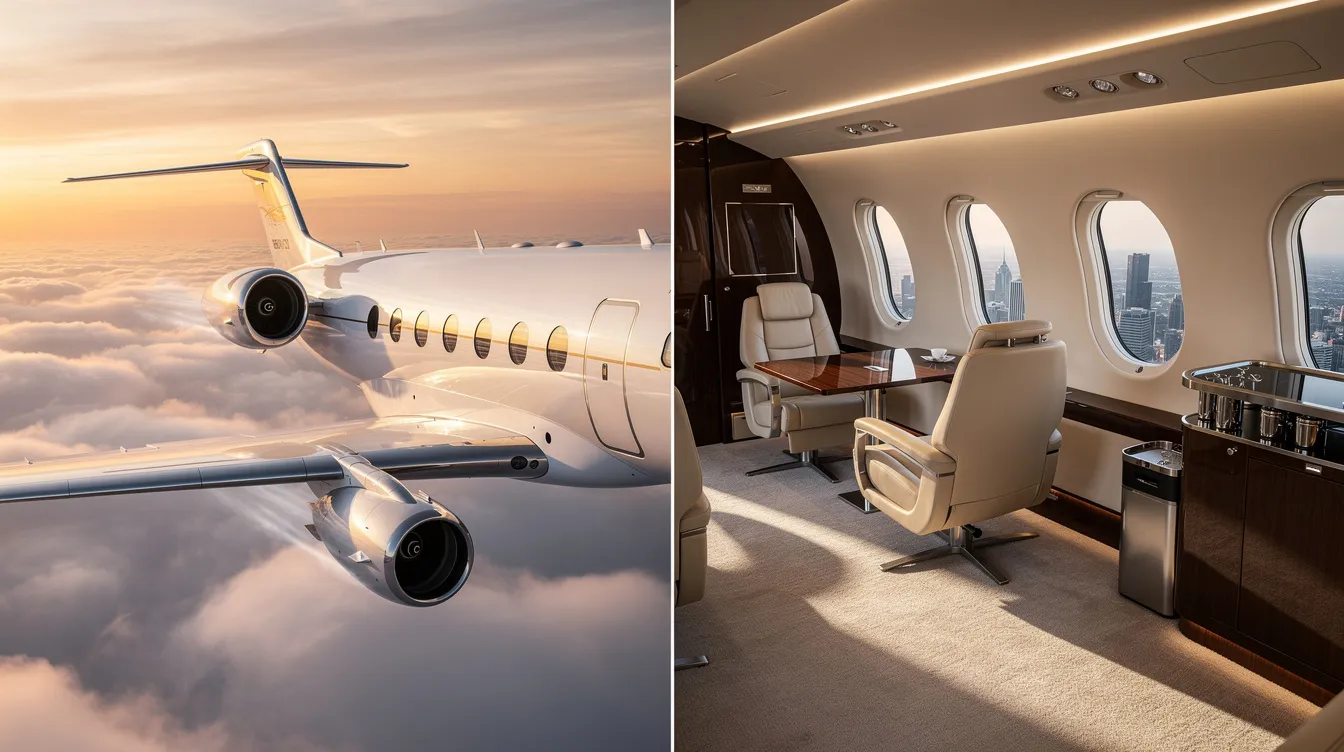
White Cloud Aviation in Lake Havasu City offers specialized flight training and private jet charter services, making it an ideal destination for pilots and leisure travelers. With year-round flying conditions and a focus on cloud aviation skills, students can enhance their training while enjoying seamless travel through platforms like Jettly.
Jay Franco Serevilla
Sep 27, 2026
|
5
min read

View all
BAJ jets, or Book-A-Jet platforms, are revolutionizing private aviation by providing digital access to over 20,000 aircraft worldwide. Platforms like Jettly offer live pricing, transparent quotes, and flexible booking options, making private jet travel more accessible than ever. This article explores how these platforms work, their pricing models, and the overall booking experience.
Jay Franco Serevilla
Sep 27, 2026
|
5
min read

View all
Jetout and Jettly represent two distinct models in private aviation, catering to different traveler needs. Jetout focuses on regional co-ownership with a dedicated fleet, while Jettly offers a global digital marketplace for on-demand charter services. Understanding these options can help travelers make informed decisions based on their flight frequency and preferences.
Jay Franco Serevilla
Sep 27, 2026
|
5
min read
View all
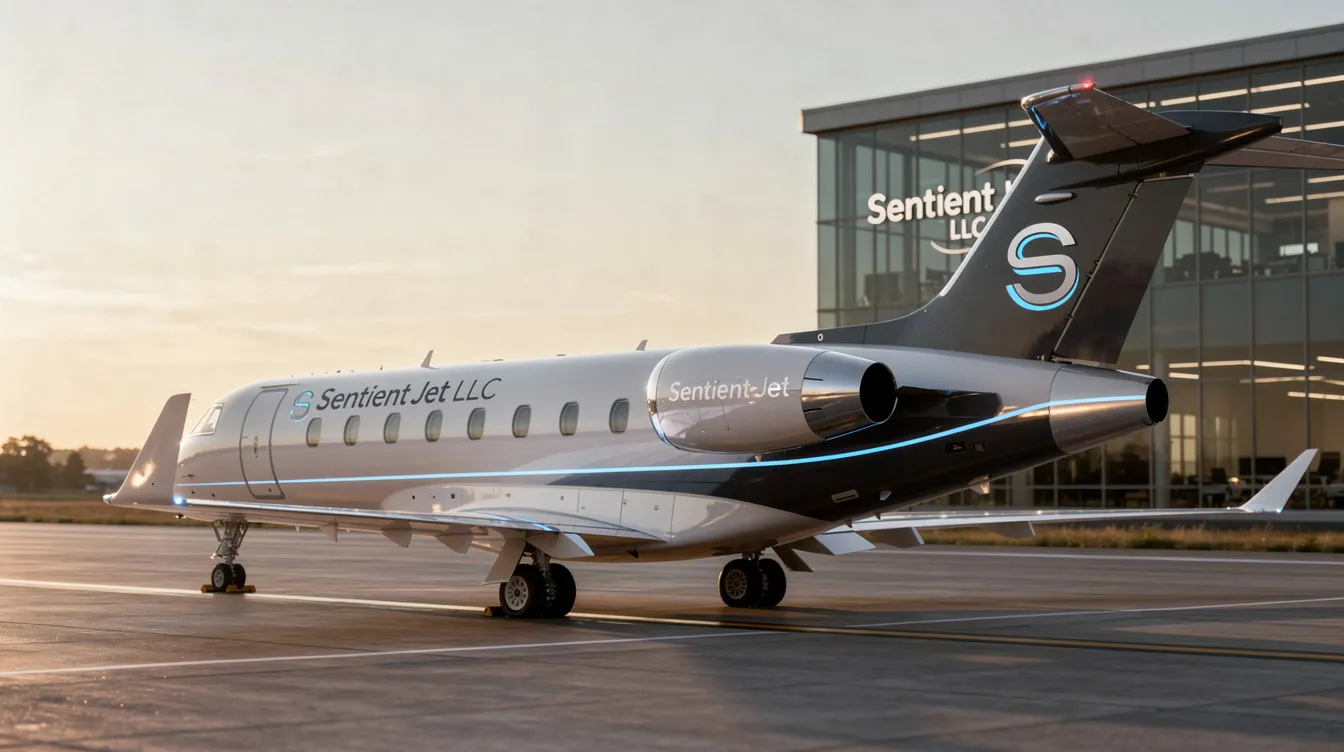
Sentient Jet LLC revolutionized private aviation by introducing the jet card model in 1999, offering prepaid flight hours at fixed rates. This article explores the advantages and disadvantages of Sentient Jet's structured approach compared to on-demand charter solutions, helping travelers make informed decisions based on their flying habits and preferences.
Jay Franco Serevilla
Sep 27, 2026
|
5
min read

View all
Business aviation revolutionizes corporate travel by providing unmatched flexibility, privacy, and efficiency. With access to over 5,000 airports and the ability to book on-demand, it enhances productivity and reduces travel time significantly. Platforms like Jettly simplify the process, making private jet travel accessible and cost-effective for businesses.
Jeff Ryan Serevilla
Sep 27, 2026
|
5
min read
Explore our latest articles and updates.
5
min read
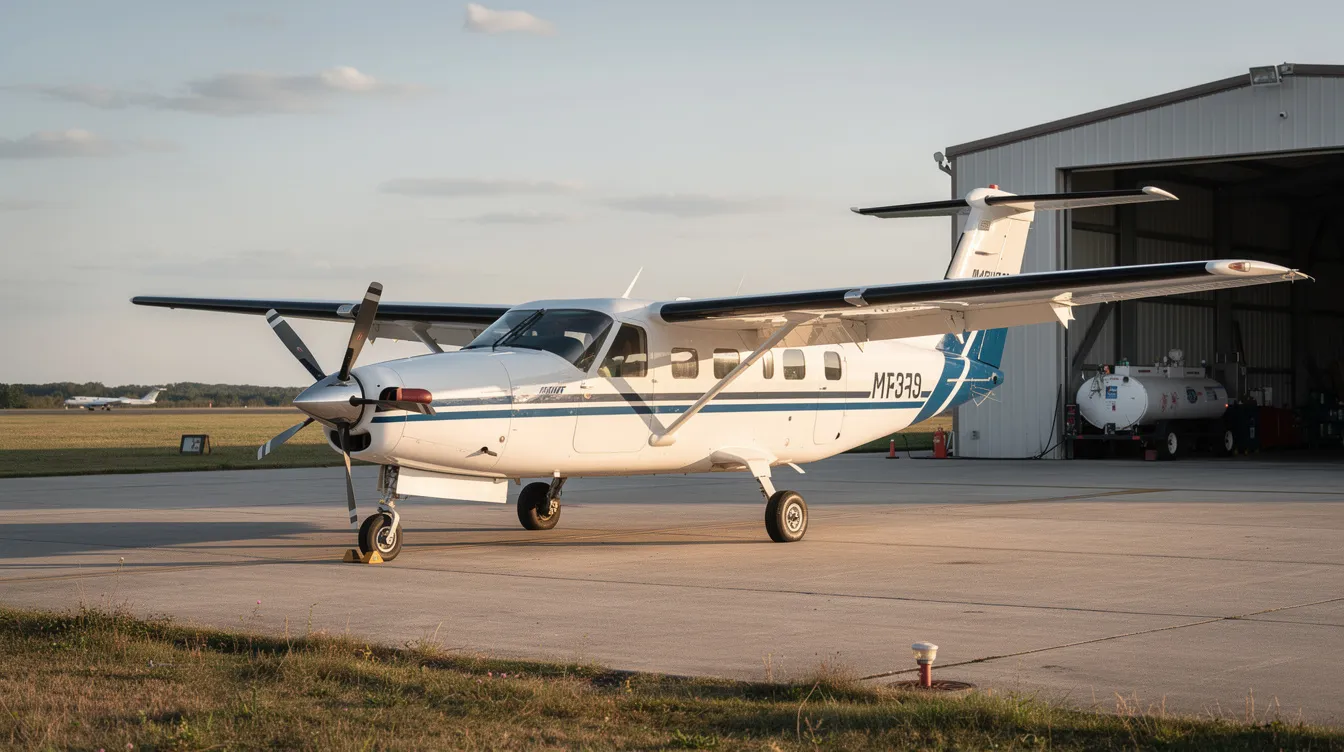
Cheapest Turboprop: How to Find a Cost‑Effective Turboprop Aircraft in 2026
Finding the cheapest turboprop aircraft in 2026 involves understanding total ownership costs, including maintenance, fuel, and engine overhauls, rather than just the purchase price. Buyers should focus on pre-owned single-engine or older twin-engine models, with prices ranging from $150,000 to $650,000, while considering that operating costs can be 30-50% lower than light jets. For those flying under 150 hours annually, chartering through platforms like Jettly may be more cost-effective than ownership, as it eliminates fixed costs associated with owning an aircraft. Ultimately, smart shopping requires evaluating total costs and mission fit rather than solely the initial price.
Read More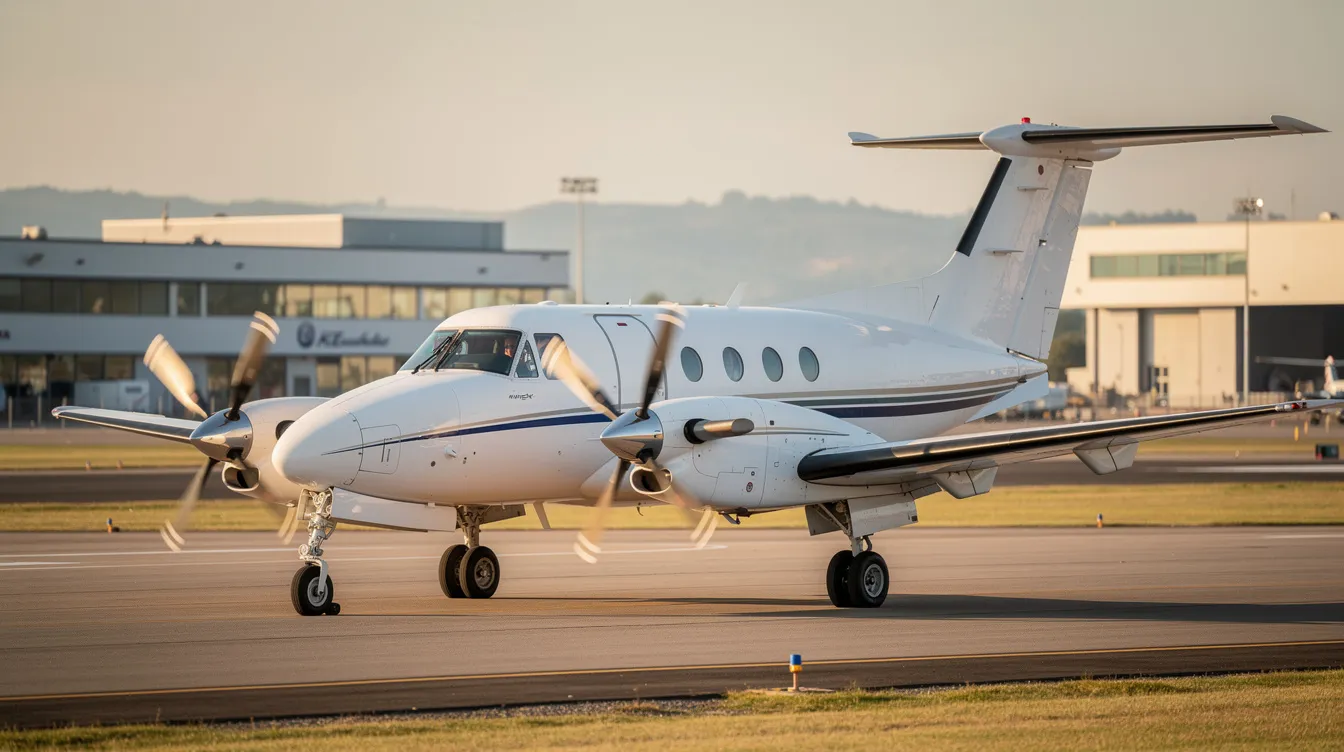
5
min read
King Air 350 Landing Distance: Performance, Runway Requirements, and Charter Use
The Beechcraft King Air 350 has a published landing distance of approximately 2,692 feet under optimal conditions, making it suitable for shorter regional runways that many jets cannot access. Its takeoff distance is about 3,300 feet, meaning takeoff requirements often dictate runway selection more than landing distances. Factors such as aircraft weight, weather, elevation, and runway conditions can significantly affect actual landing performance, necessitating careful planning by charter operators. Jettly's platform utilizes this performance data to match travelers with appropriate aircraft and runways, ensuring efficient and safe charter experiences.
Read MoreJoin our community and receive the latest blog updates directly in your inbox.
MEMBERSHIPS AND ASSOCIATIONS



Disclaimer: Jettly operates as a charter broker, offering access to a global digital jet charter marketplace. Jettly is not a direct air carrier and does not own or operate aircraft. All advertised flights are conducted by third-party air carriers that are fully licensed and hold the appropriate Part 135 or Part 121 certifications issued by the Federal Aviation Administration (FAA) or equivalent regulatory authorities under U.S. or foreign law. Jettly complies fully with the U.S. Department of Transportation's Part 295 and Part 298 Charter Broker regulations. Jettly does not carry additional liability insurance. Passengers are covered by aircraft operator insurance. TICO: 50023770


