


Login
Get Instant Pricing On 23,000+ Aircraft

.avif)
Private jet leasing has become a popular alternative to ownership or on-demand charter, offering travelers flexibility, cost savings, and consistent access to premium aircraft. Short-term leases (1–6 months) are ideal for seasonal or project-based travel, while long-term leases (12+ months) offer better value and perks for frequent flyers. With Jettly, both options include transparent pricing, access to a modern fleet, and the ability to add hours or switch aircraft as needed. Whether you're seeking short-term flexibility or long-term consistency, Jettly makes leasing private jets simple, customizable, and cost-effective.
Justin Crabbe
May 7, 2025
|
5 minutes
min read



View all
Jet It, a fractional jet ownership company, ceased operations in mid-2023 due to financial and operational challenges, highlighting the risks of low-cost models in private aviation. Its collapse serves as a cautionary tale for potential buyers, emphasizing the importance of understanding costs and flexibility in private flight options. As a result, many customers are now turning to platforms like Jettly for more reliable and adaptable private aviation solutions.
Jay Franco Serevilla
Sep 26, 2026
|
5
min read
View all
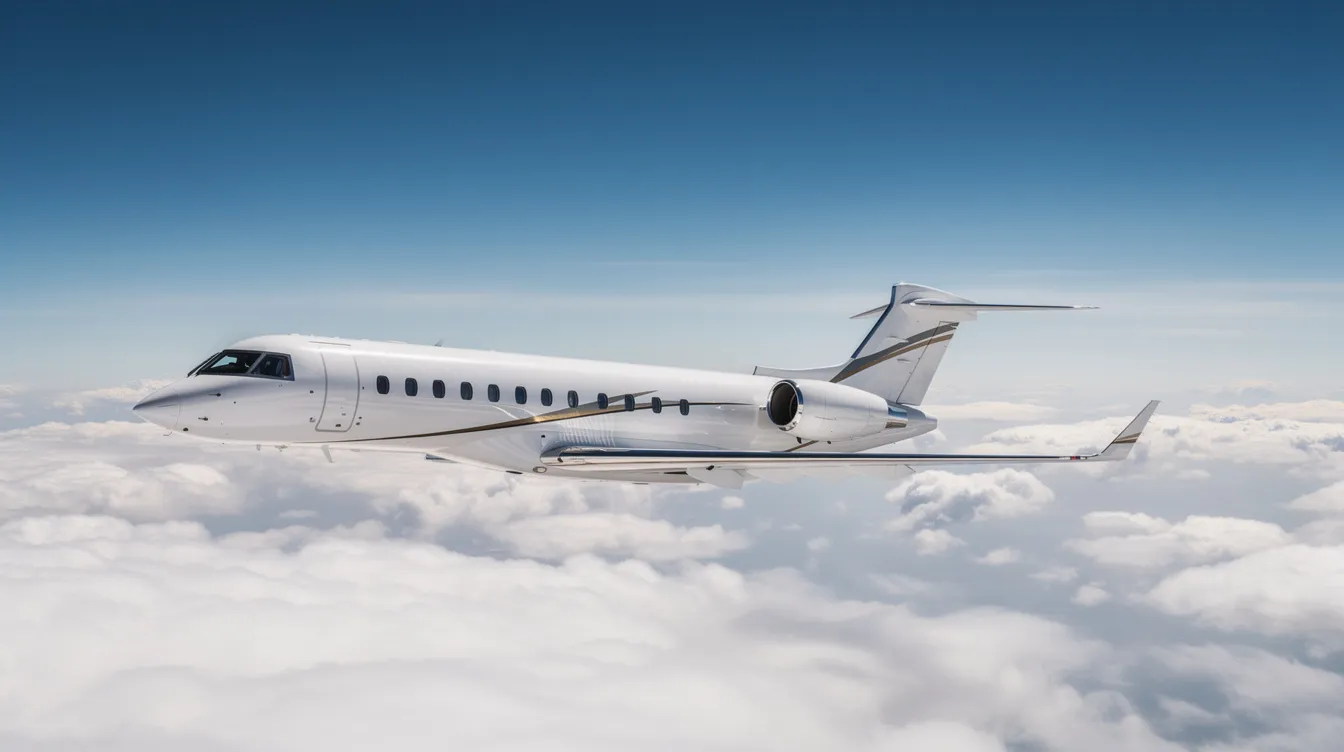
Hawker Beechcraft, a prominent name in private aviation, combined the legacies of Beechcraft and Hawker to produce a diverse fleet of business jets and turboprops. Although the company no longer exists, its aircraft continue to operate globally, supported by Textron Aviation. This guide explores the history, aircraft families, and charter options available through platforms like Jettly.
Jay Franco Serevilla
Sep 26, 2026
|
5
min read
View all
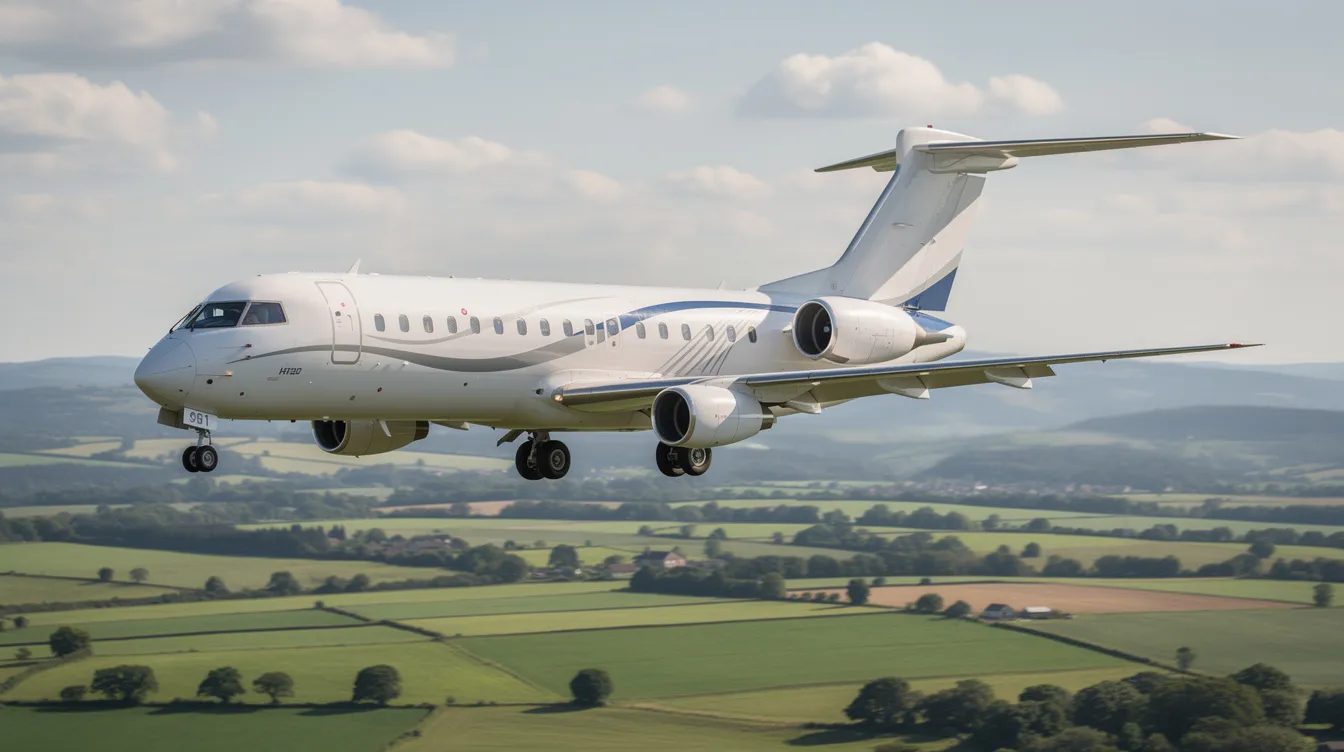
The British Aerospace BAe 146, known as the 'Whisperjet,' is a versatile regional jet designed for short runways and noise-sensitive airports. With a capacity ranging from 70 to 112 passengers, it serves various roles including passenger transport, cargo, and specialized missions. This guide provides insights into the BAe 146's history, design, operational capabilities, and charter options for travelers seeking access to challenging airports.
Jay Franco Serevilla
Sep 26, 2026
|
5
min read
View all
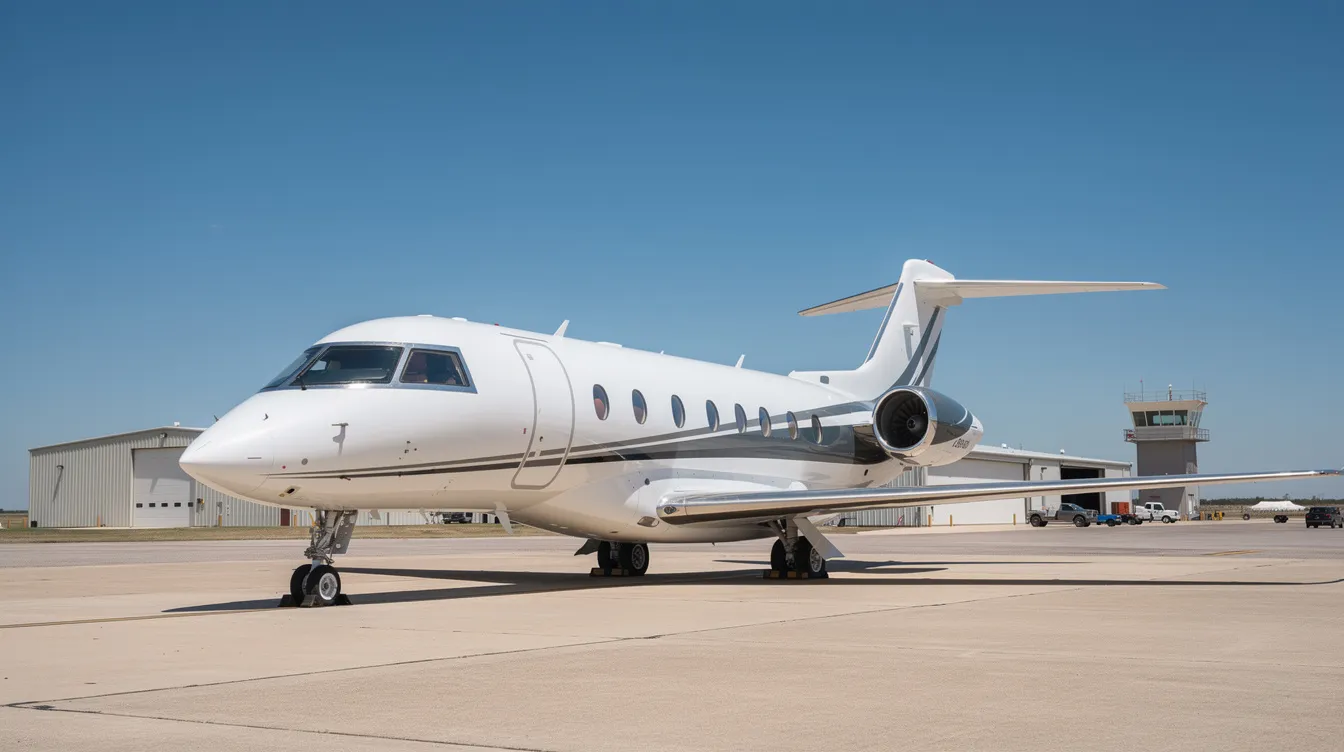
Trinity Jet is a leading Dallas-based private aviation operator, offering managed fleet solutions and a diverse range of charter aircraft. This guide explores Trinity Jet's operations, fleet, and how it compares to digital marketplaces like Jettly, which connects travelers to a broader network of charter options. With a focus on safety and efficiency, Trinity Jet provides tailored services for both business and leisure travel.
Jay Franco Serevilla
Sep 26, 2026
|
5
min read
View all
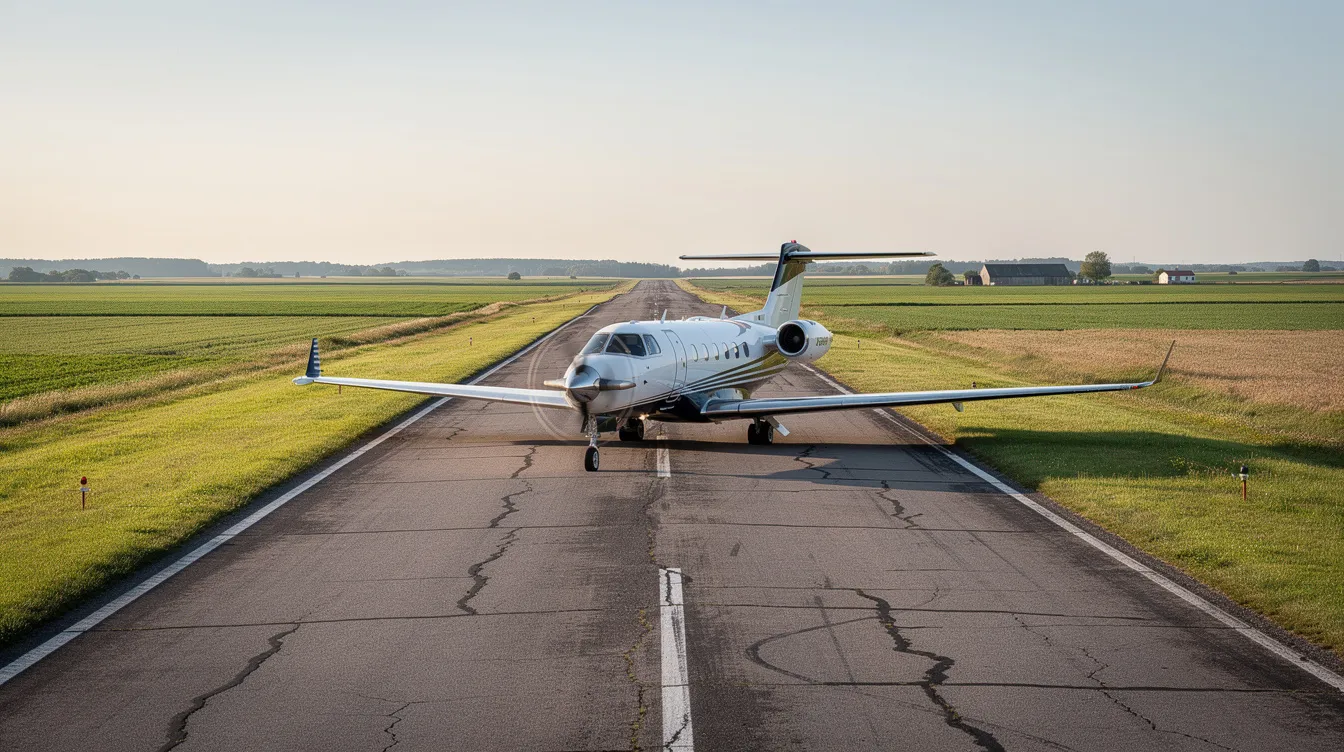
RAI Jets offers personalized private jet charter services in the Midwest, focusing on hands-on customer care and a limited fleet. In contrast, Jettly provides a global digital marketplace with access to over 20,000 aircraft, catering to diverse travel needs. This article compares the two options, highlighting the advantages of runway access and the unique benefits of each service.
Jay Franco Serevilla
Sep 26, 2026
|
5
min read

View all
The Pilatus PC-12/45 is a versatile single-engine turboprop aircraft ideal for both business and leisure travel. With a range of approximately 1,742 nautical miles and the ability to operate from short runways, it offers exceptional flexibility and comfort for charter clients through Jettly. Its spacious cabin and cargo capacity make it perfect for small groups and those needing to transport bulky luggage.
Jay Franco Serevilla
Sep 26, 2026
|
5
min read
Explore our latest articles and updates.
5
min read
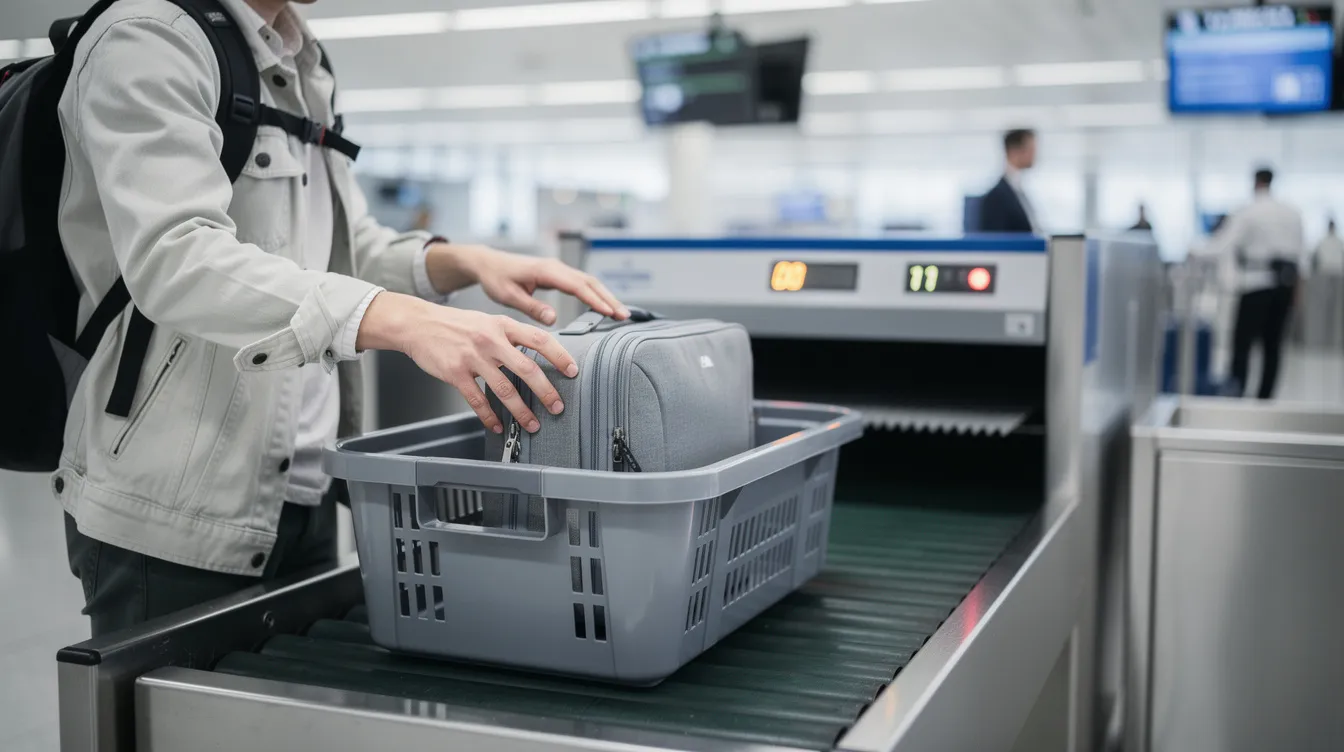
Can You Take Cigarettes on an Airplane? (Commercial & Private Jet Rules)
Cigarettes can be carried in both carry-on and checked luggage on most airlines, but smoking on commercial flights is strictly prohibited, with fines up to $4,000 for violations. While there are no domestic limits on the number of cigarettes for personal use in the U.S., international travel is subject to customs regulations, typically allowing around 200 cigarettes duty-free per adult, though this varies by country. Lighters, vapes, and other smoking accessories have stricter rules, often requiring them to be kept in carry-on luggage only. Private jet charters may allow smoking if permitted by the aircraft owner and operator, offering more flexibility compared to commercial flights.
Read More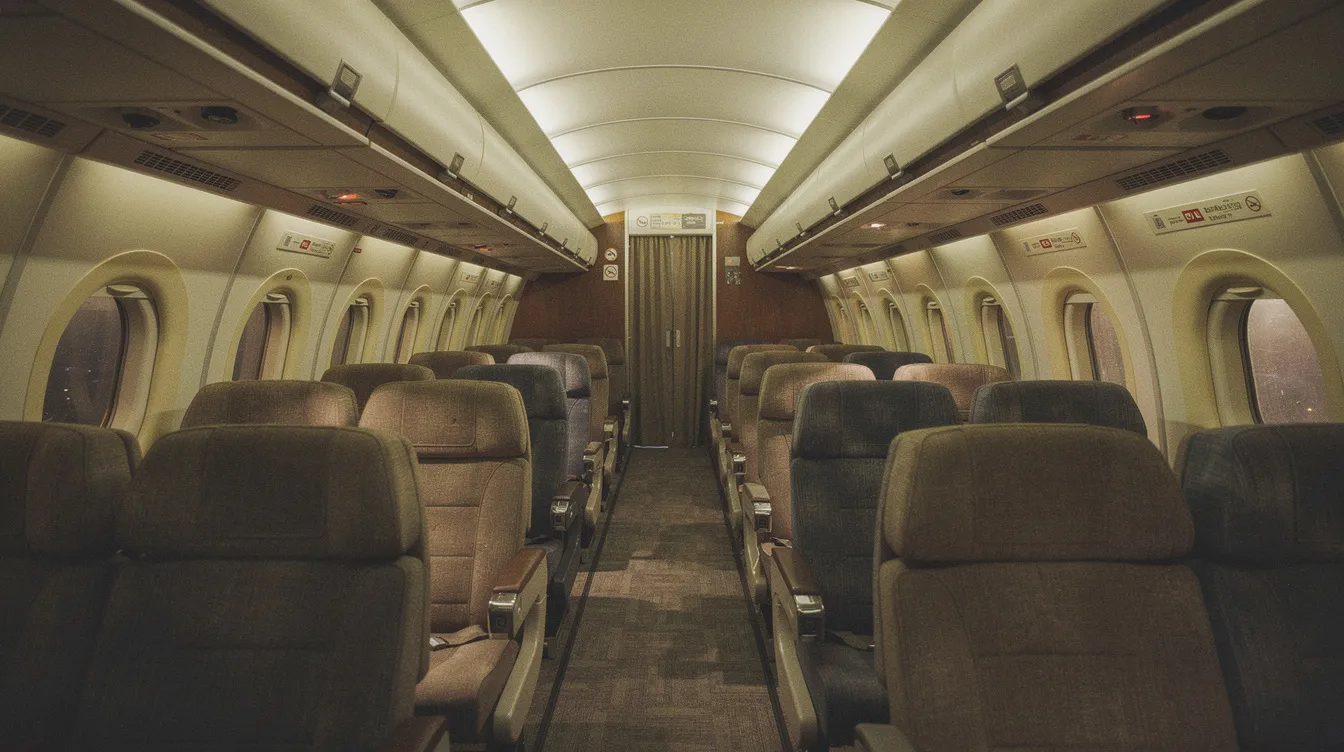
5
min read
When Was Smoking on Airplanes Banned? A Timeline for Commercial and Private Flights
Smoking on U.S. airplanes was gradually banned, starting with domestic flights under two hours in 1988 and culminating in a complete federal ban on June 4, 2000. This movement was driven by health and safety concerns, particularly regarding secondhand smoke and fire risks, despite resistance from the tobacco industry. By the early 2000s, most commercial airlines worldwide had adopted similar smoking bans, leading to a universal expectation of smoke-free flights. Today, smoking and vaping are prohibited on nearly all commercial and private flights, reflecting a commitment to passenger safety and comfort.
Read MoreJoin our community and receive the latest blog updates directly in your inbox.
MEMBERSHIPS AND ASSOCIATIONS



Disclaimer: Jettly operates as a charter broker, offering access to a global digital jet charter marketplace. Jettly is not a direct air carrier and does not own or operate aircraft. All advertised flights are conducted by third-party air carriers that are fully licensed and hold the appropriate Part 135 or Part 121 certifications issued by the Federal Aviation Administration (FAA) or equivalent regulatory authorities under U.S. or foreign law. Jettly complies fully with the U.S. Department of Transportation's Part 295 and Part 298 Charter Broker regulations. Jettly does not carry additional liability insurance. Passengers are covered by aircraft operator insurance. TICO: 50023770


