



Login
Get Instant Pricing On 23,000+ Aircraft

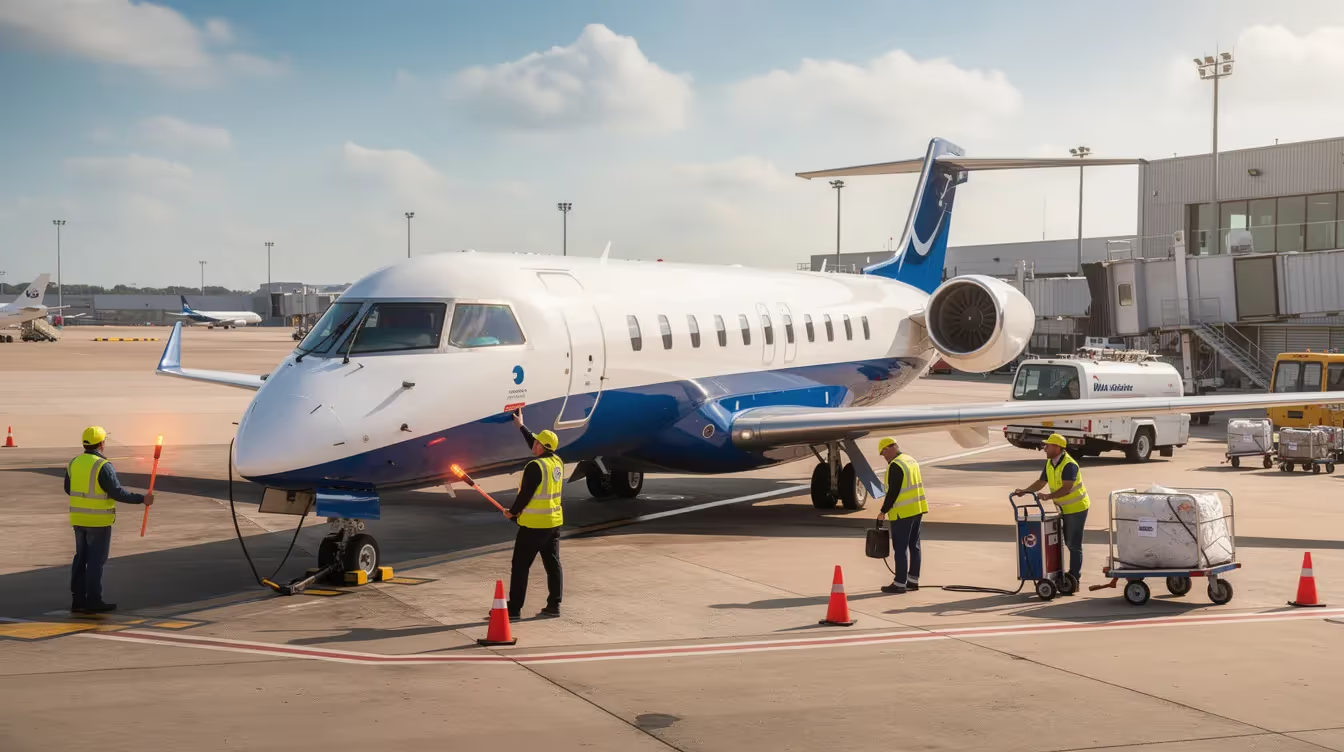
The Embraer ERJ 145 has an excellent safety record, with zero passenger fatalities in scheduled airline operations as of 2026, making it one of the safest regional jets in service. Over its three decades of operation, the aircraft has been involved in approximately 26 reportable incidents, but none resulted in fatalities, highlighting its robust design and safety features. While passengers often express concerns about comfort due to cramped seating and limited amenities, these issues do not reflect the aircraft's safety performance, which meets the same stringent FAA standards as larger jets. For those seeking more control over their travel experience, private charter options are available, offering comparable safety with added flexibility and comfort.
Jay Franco Serevilla
Apr 13, 2026
|
5
min read



View all
Wheels Up flight credits are a unique benefit for Delta's Diamond and Platinum Medallion members, allowing them to offset costs for private jet travel. These credits, valued at $2,000 and $1,500 respectively, can only be used for new bookings with Wheels Up and cannot be applied to commercial flights. Understanding the eligibility, redemption process, and limitations is crucial for maximizing this benefit.
Jeff Ryan Serevilla
Nov 6, 2026
|
5
min read

View all
Empty leg flights offer a cost-effective way to fly privately, providing discounts of 30% to 75% on standard charter prices. However, these flights come with restrictions, including fixed routes and limited flexibility. This guide explains how to book empty leg flights, the savings potential, and key considerations for travelers.
Jay Franco Serevilla
Nov 5, 2026
|
5
min read

View all
Explore America's most spectacular fall foliage destinations, from Vermont's vibrant maple forests to Colorado's golden aspens and Virginia's Blue Ridge Mountains. Discover five breathtaking autumn getaways, the best airports for reaching each location, and how private aviation makes seasonal travel more convenient.
Jay Franco Serevilla
Nov 5, 2026
|
5
min read

View all
Golf legend Phil Mickelson owned a $40 million Gulfstream V private jet for nearly two decades before selling it in 2021. Discover the aircraft's luxurious features, why he transitioned away from full ownership, and how private aviation helps professional golfers travel comfortably between tournaments.
Jay Franco Serevilla
Nov 5, 2026
|
5
min read
View all
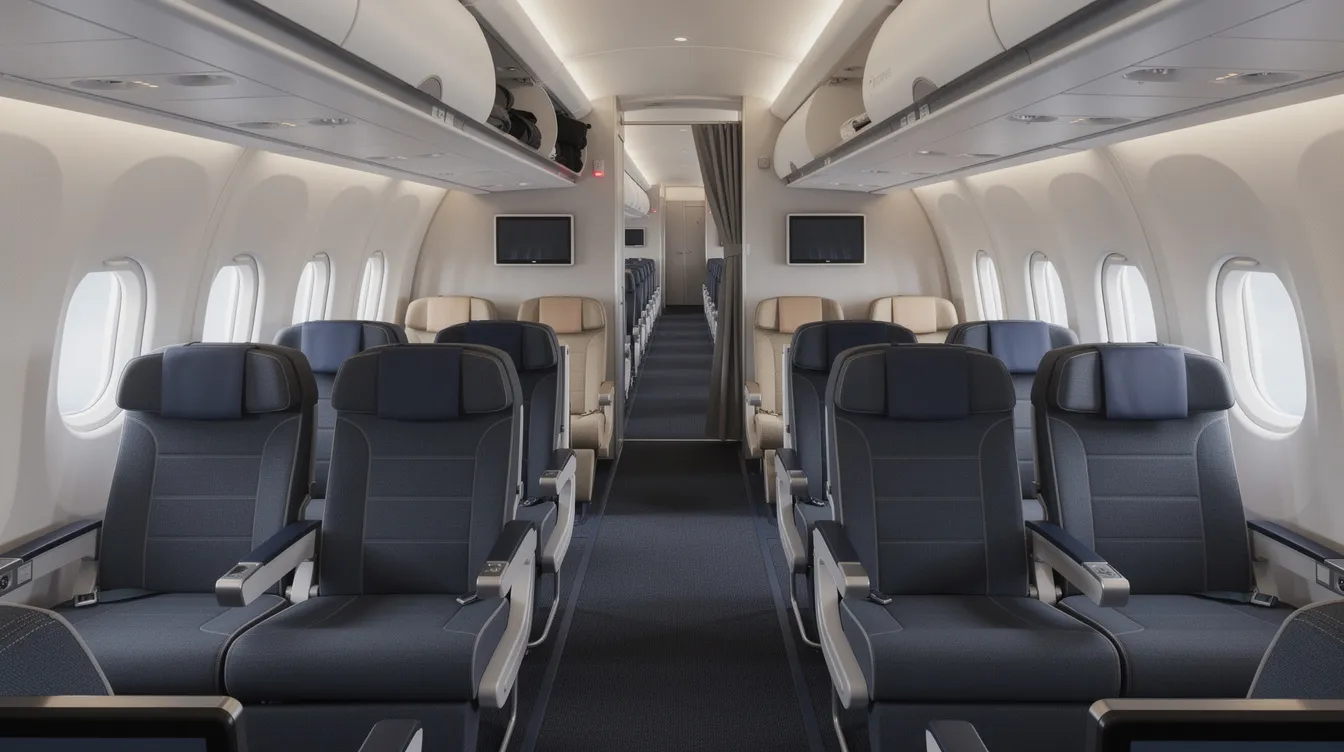
This article delves into Delta Air Lines' fare classes, exploring the differences between Basic, Classic, and Extra experiences. It highlights how these fare structures affect ticket pricing, flexibility, and SkyMiles earnings, while also comparing commercial flights to private jet charters through Jettly. Understanding these nuances can help travelers make informed decisions based on their specific needs.
Jay Franco Serevilla
Nov 4, 2026
|
5
min read
View all
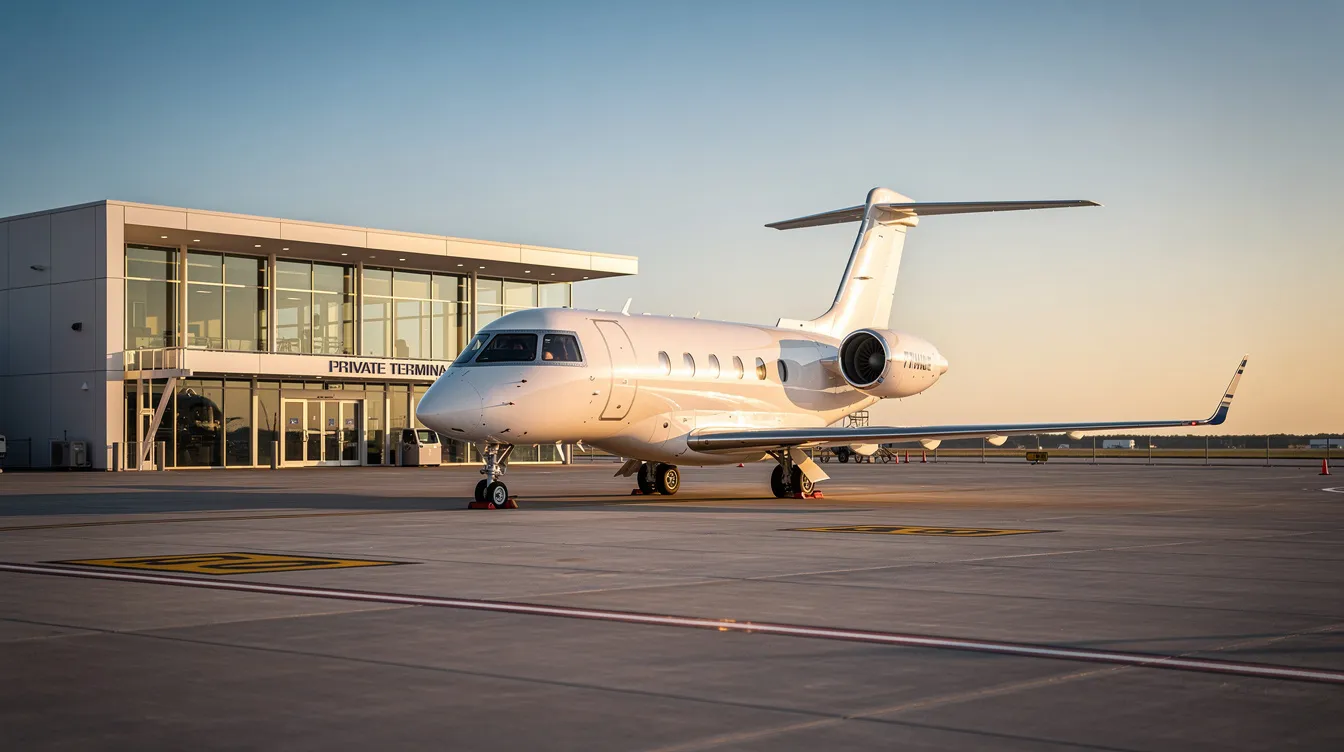
This guide explores the essential role of Fixed Base Operators (FBOs) in private jet travel, detailing their services and how they enhance the flying experience. With over 5,000 FBOs in the U.S., they streamline the ground process, offering amenities and personalized service that differ significantly from commercial terminals. Understanding FBOs can help travelers make informed choices for a smoother journey.
Jay Franco Serevilla
Nov 4, 2026
|
5
min read
Explore our latest articles and updates.
5
min read
Pup Plane: Guide to the Preceptor N3 Pup, Super Pup, and Ultra Pup for Modern Pilots
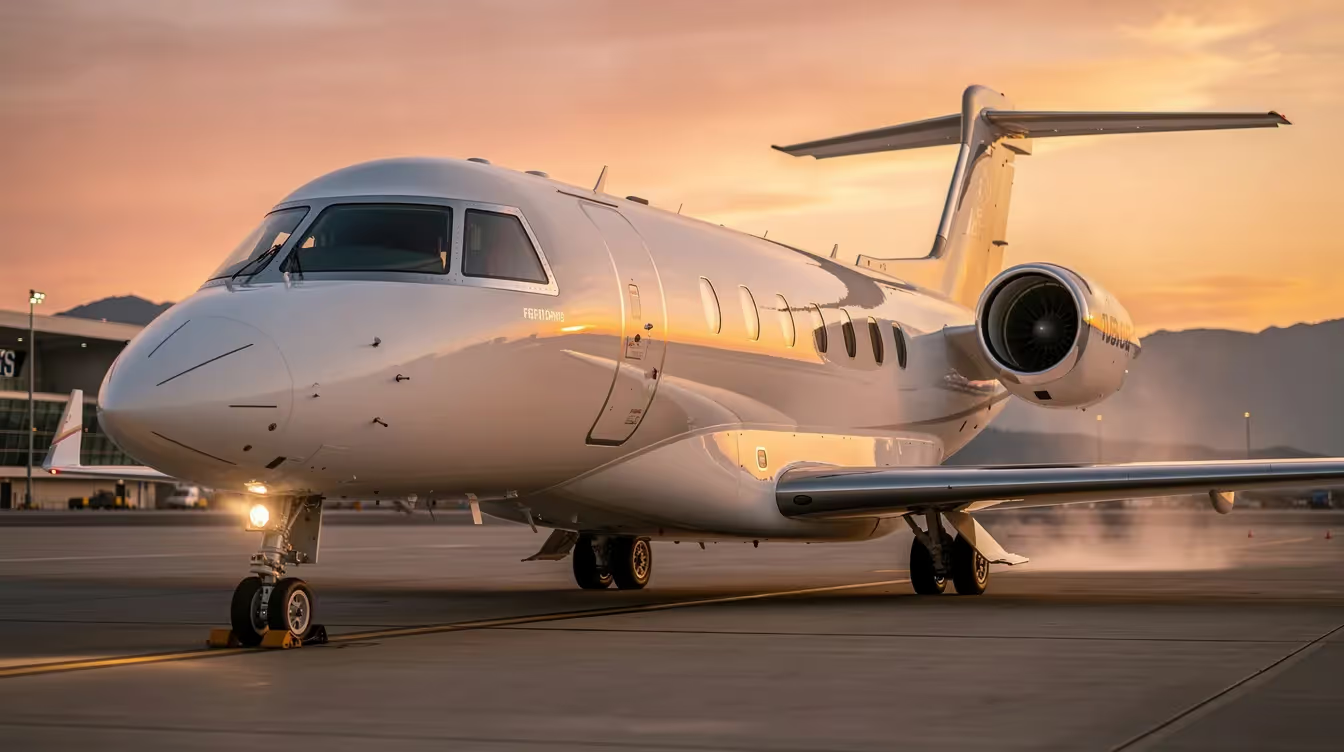
The Pup Plane guide focuses on the Preceptor N3 Pup family, which includes the N3 Pup, Super Pup, and Ultra Pup, catering to modern pilots and aviation enthusiasts interested in homebuilt aircraft. These lightweight, high-wing planes, developed in the late 1970s and 1980s, are known for their affordability and ease of construction, with the N3 Pup qualifying as an ultralight under FAR Part 103 regulations. While these aircraft are ideal for recreational flying, they are not suitable for commercial charter services, which are better served by platforms like Jettly that offer access to a wide range of professionally operated private jets. Understanding the differences between Pup planes and charter options helps pilots and travelers make informed decisions based on their flying needs.
Read More
5
min read
Pilot Lessons Cost in 2026: What You’ll Really Pay to Learn to Fly
In 2026, pilot lesson costs range from $10,000 to $20,000 for a Private Pilot License and can exceed $130,000 for a full professional training path. Key expenses include hourly flight rates ($150–$250), instructor fees, testing costs, and living expenses, with total costs often surpassing advertised minimums due to additional flight hours needed. Training frequency significantly impacts costs, with more frequent flying leading to faster completion and lower overall expenses. Financing options, including loans, GI Bill benefits, and scholarships, can help manage these costs, making flight training more accessible for aspiring pilots.
Read MoreJoin our community and receive the latest blog updates directly in your inbox.
MEMBERSHIPS AND ASSOCIATIONS



© 2026 Jettly Inc. All rights reserved.
Disclaimer: Jettly operates as a charter broker, offering access to a global digital jet charter marketplace. Jettly is not a direct air carrier and does not own or operate aircraft. All advertised flights are conducted by third-party air carriers that are fully licensed and hold the appropriate Part 135 or Part 121 certifications issued by the Federal Aviation Administration (FAA) or equivalent regulatory authorities under U.S. or foreign law. Jettly complies fully with the U.S. Department of Transportation's Part 295 and Part 298 Charter Broker regulations. Jettly does not carry additional liability insurance. Passengers are covered by aircraft operator insurance. TICO: 50023770


