


Login
Get Instant Pricing On 23,000+ Aircraft


Traveling from New York City to Miami typically takes about 3 hours on a nonstop flight, making it a convenient option for both business and leisure travelers. Understanding flight durations and booking strategies can help optimize your travel experience, whether you choose commercial flights or private jet charters. With multiple airlines offering direct services, planning ahead can lead to significant time and cost savings.
Jay Franco Serevilla
Sep 12, 2026
|
5
min read



View all
Leasing a Cessna aircraft provides an affordable alternative to ownership, allowing pilots, flight schools, and businesses to access various models without significant upfront costs. With options like dry and wet leases, operators can tailor agreements to their specific needs while enjoying predictable budgeting. For those seeking flexibility, platforms like Jettly offer on-demand charter services as a viable alternative.
Jay Franco Serevilla
Oct 1, 2026
|
5
min read

View all
Traveling to Zapopan requires flying into Guadalajara Miguel Hidalgo y Costilla International Airport (GDL), located about 25-30 km away. This guide outlines both commercial and private flight options, helping travelers save time and choose the best fit for their needs. With competitive pricing and flexible scheduling, private jet charters through Jettly offer a convenient alternative for those seeking comfort and efficiency.
Jay Franco Serevilla
Oct 1, 2026
|
5
min read

View all
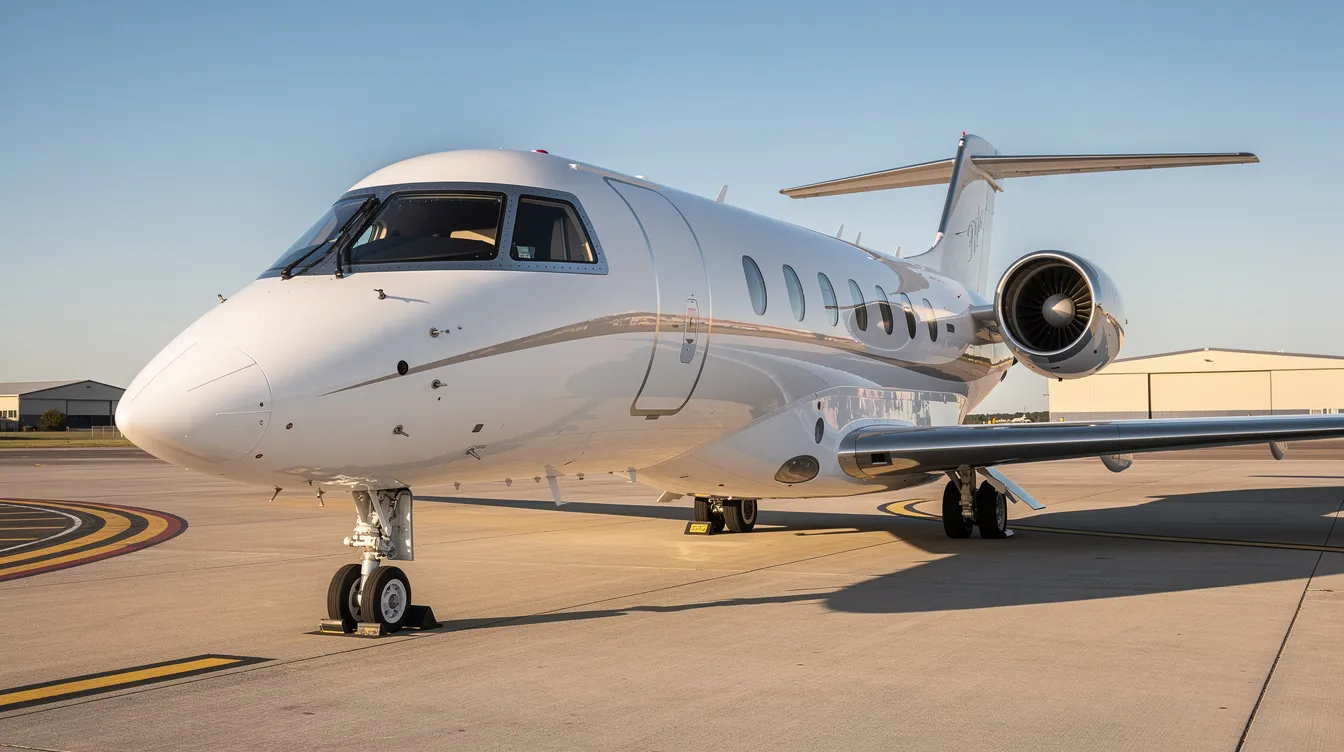
Fractional ownership of Cirrus aircraft offers a cost-effective way to access high-performance aviation without the full financial burden of sole ownership. This model allows multiple owners to share the costs and benefits of owning a Cirrus SR22 or Vision Jet, with management companies handling maintenance and scheduling. Ideal for those flying 50-200 hours annually, fractional ownership provides flexibility and access to premium aircraft.
Jay Franco Serevilla
Oct 1, 2026
|
5
min read
View all
NetJets US, a Berkshire Hathaway company, offers fractional ownership and jet card programs for private aviation, operating over 800 aircraft. This article compares NetJets' structured offerings with flexible on-demand charter options like Jettly, helping travelers make informed decisions based on their needs and preferences.
Jay Franco Serevilla
Oct 1, 2026
|
5
min read

View all
This comprehensive guide reveals the best times to buy flights to Europe in 2026, highlighting key booking windows and seasonal trends. By understanding fare patterns and utilizing strategic airport choices, travelers can save significantly on their tickets. Additionally, it discusses when private charters through Jettly may offer better value compared to commercial flights.
Jay Franco Serevilla
Oct 1, 2026
|
5
min read
View all
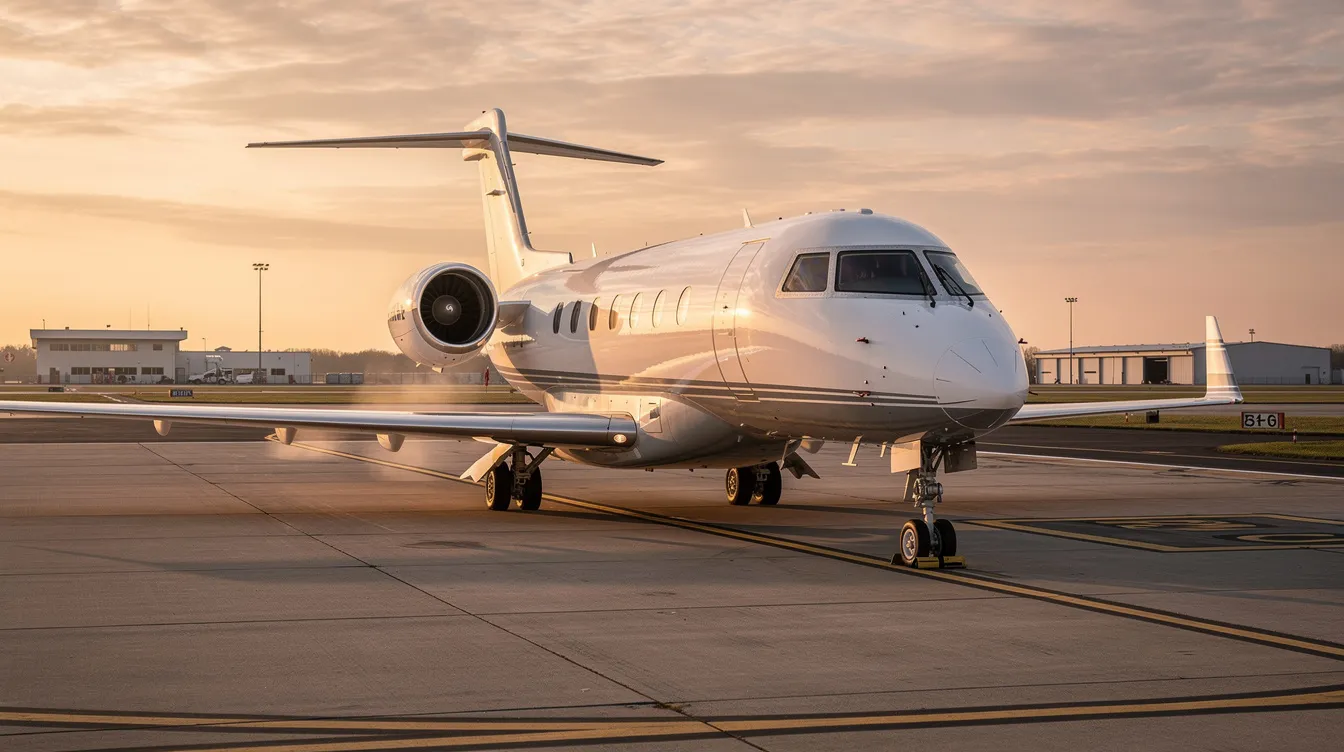
The Cessna Citation VII is a high-performance midsize business jet that offers a comfortable cabin for up to 7 passengers and impressive cruise capabilities. Despite its production ending in 2000, it remains a popular choice for charter services due to its reliability and cost-effectiveness. With a maximum range of 2,220 nautical miles and the ability to fly at altitudes up to 51,000 feet, it provides excellent performance for various travel needs.
Jay Franco Serevilla
Oct 1, 2026
|
5
min read
Explore our latest articles and updates.

5
min read
Turboprop Charter Rates: How Much It Really Costs to Fly Regional Routes, Private
Turboprop charter rates typically range from $1,200 to $3,000 per hour, with premium models reaching up to $5,000. They are the most economical choice for flights under 800–1,000 miles, offering 30–50% lower fuel consumption compared to light jets. Total trip costs can vary based on factors like market demand, airport fees, and additional services, making it essential to compare quotes across aircraft types. Jettly's platform allows travelers to easily compare turboprop options with other aircraft, ensuring transparent pricing and access to a wide range of charter services.
Read More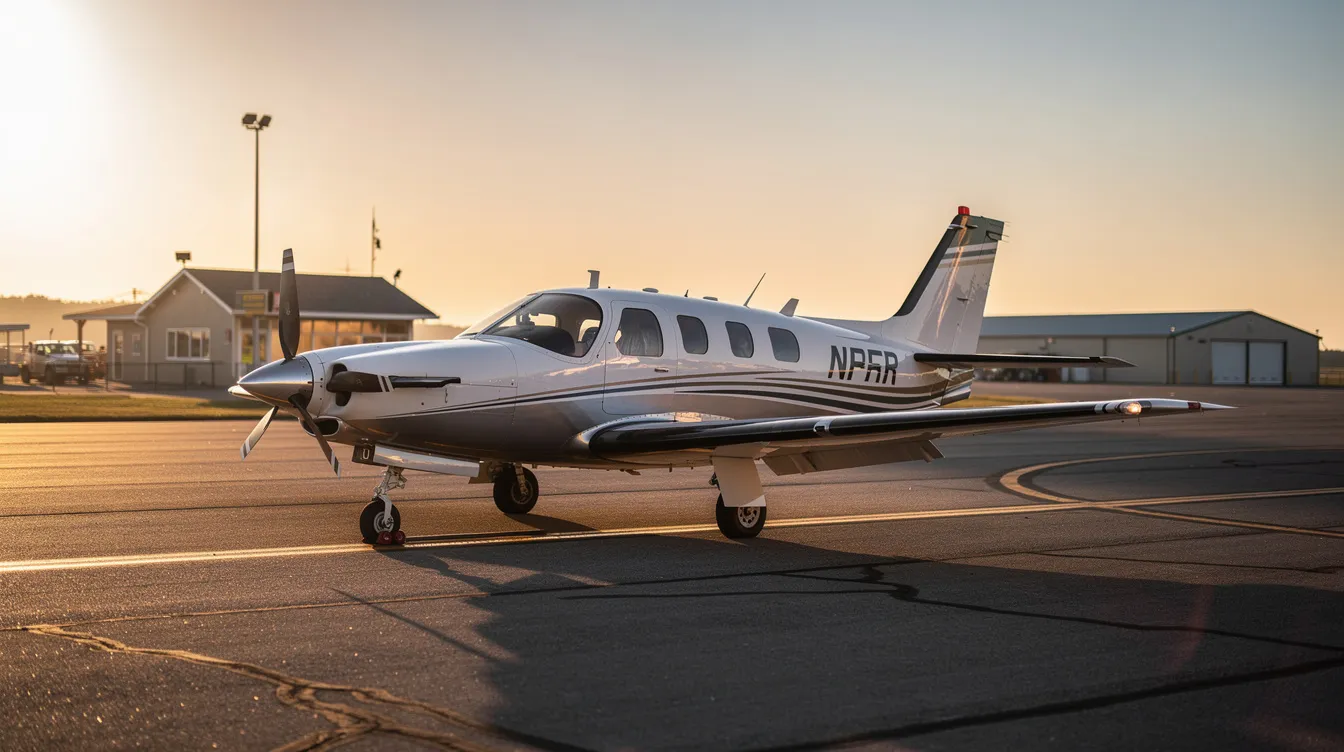
5
min read
Piper Matrix: Cabin-Class Performance, Specifications, and Charter Use (PA-46R-350T Guide)
The Piper Matrix (PA-46R-350T) is a six-seat, unpressurized single-engine aircraft known for its cabin-class comfort and lower operating costs compared to pressurized models. It features a 350 hp turbocharged engine, a maximum cruise speed of 213 knots, and a range of approximately 1,343 nautical miles, making it ideal for regional travel for small groups or families. While it lacks pressurization, which limits high-altitude cruising, its cost-effectiveness and simpler maintenance attract both owner-pilots and charter clients. Platforms like Jettly facilitate access to the Matrix and other PA-46 variants for on-demand private flights, offering transparent pricing and a variety of aircraft options.
Read MoreJoin our community and receive the latest blog updates directly in your inbox.
MEMBERSHIPS AND ASSOCIATIONS



Disclaimer: Jettly operates as a charter broker, offering access to a global digital jet charter marketplace. Jettly is not a direct air carrier and does not own or operate aircraft. All advertised flights are conducted by third-party air carriers that are fully licensed and hold the appropriate Part 135 or Part 121 certifications issued by the Federal Aviation Administration (FAA) or equivalent regulatory authorities under U.S. or foreign law. Jettly complies fully with the U.S. Department of Transportation's Part 295 and Part 298 Charter Broker regulations. Jettly does not carry additional liability insurance. Passengers are covered by aircraft operator insurance. TICO: 50023770


