



Login
Get Instant Pricing On 23,000+ Aircraft

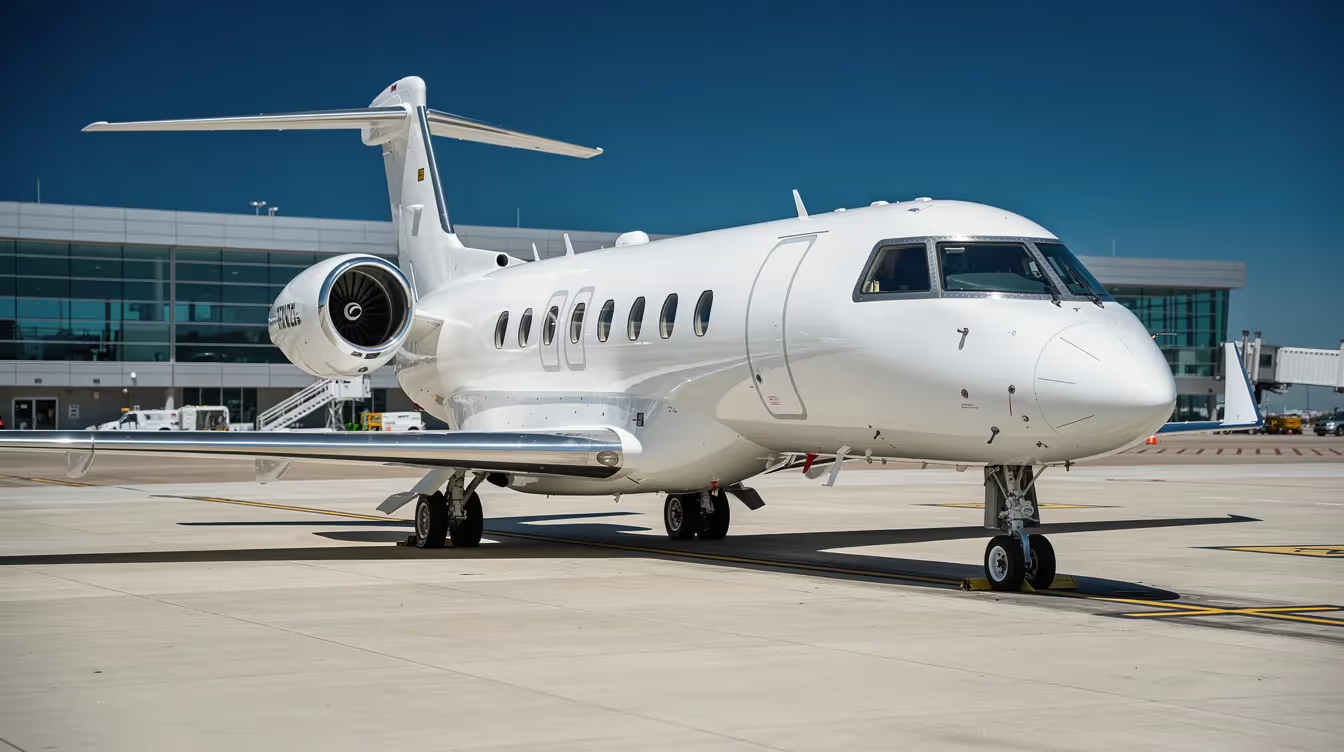
Purchasing a private jet involves significant financial and operational commitments, with total ownership costs often far exceeding the initial purchase price. Buyers should consider their flight patterns, as ownership typically makes sense for those flying over 200-250 hours annually; otherwise, chartering or membership options may be more cost-effective. The acquisition process can take 60-120 days for pre-owned jets and up to 24 months for new ones, requiring careful analysis of mission needs, operating costs, and potential depreciation. Engaging aviation professionals and utilizing platforms like Jettly can help prospective buyers assess their options and avoid common pitfalls.
Jay Franco Serevilla
Apr 10, 2026
|
5
min read


View all
Knowing when flights go on sale can save travelers money, with the best prices typically appearing about two months before departure. Airlines adjust prices frequently based on demand, competition, and remaining seats, making it essential to track fares and use tools like Jettly for private jet options. This guide outlines optimal booking windows, factors affecting airfare, and tips for securing the best deals.
Jay Franco Serevilla
Oct 31, 2026
|
5
min read
View all
Discover the best days to book flights based on real data and Reddit insights. While Sundays may offer slight savings for domestic and international flights, the timing of your purchase and travel dates play a more significant role in fare prices. Learn effective strategies to track prices and secure the best deals for your next trip.
Jay Franco Serevilla
Oct 31, 2026
|
5
min read
View all
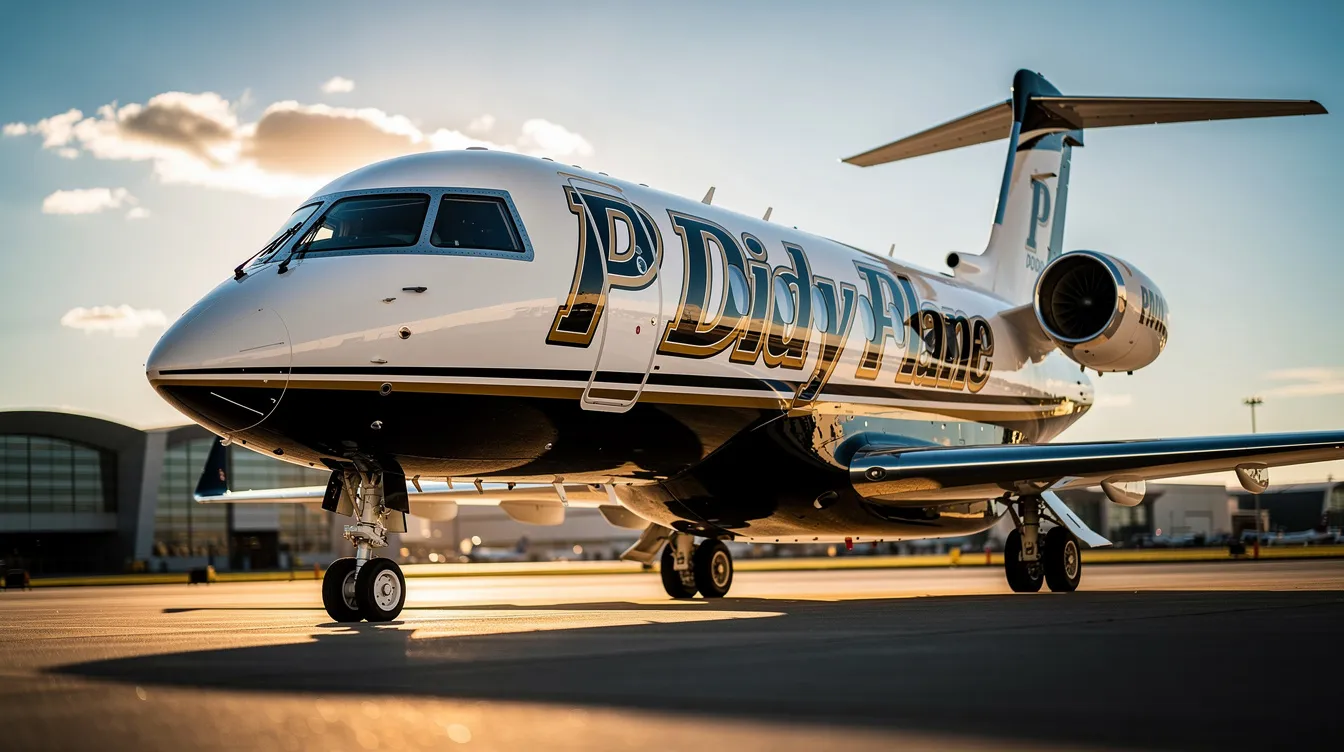
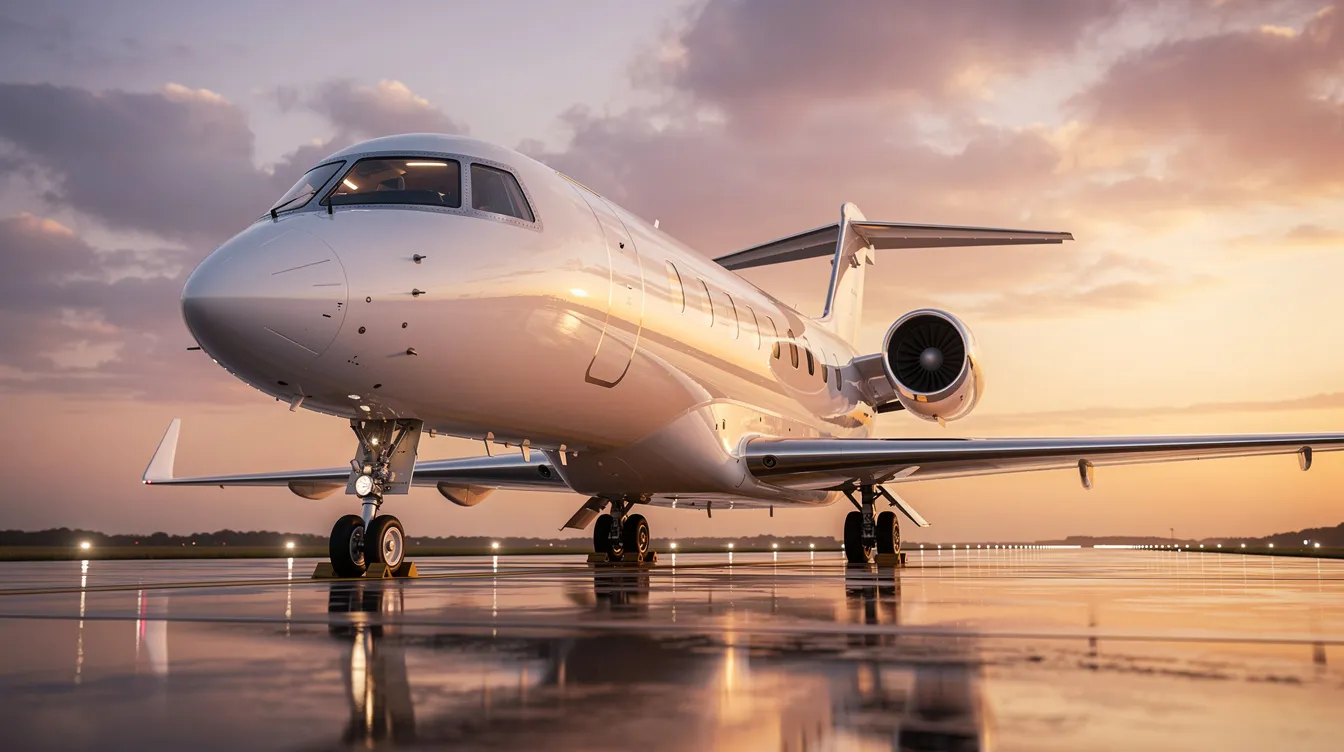
Sean Diddy Combs sold his Gulfstream G550 in October 2025 following a federal conviction, marking a significant shift in celebrity jet ownership. This transition highlights the growing accessibility of private aviation for high-net-worth individuals and frequent flyers through charter platforms like Jettly, which offer luxury travel without the burdens of ownership.
Jay Franco Serevilla
Oct 31, 2026
|
5
min read
View all
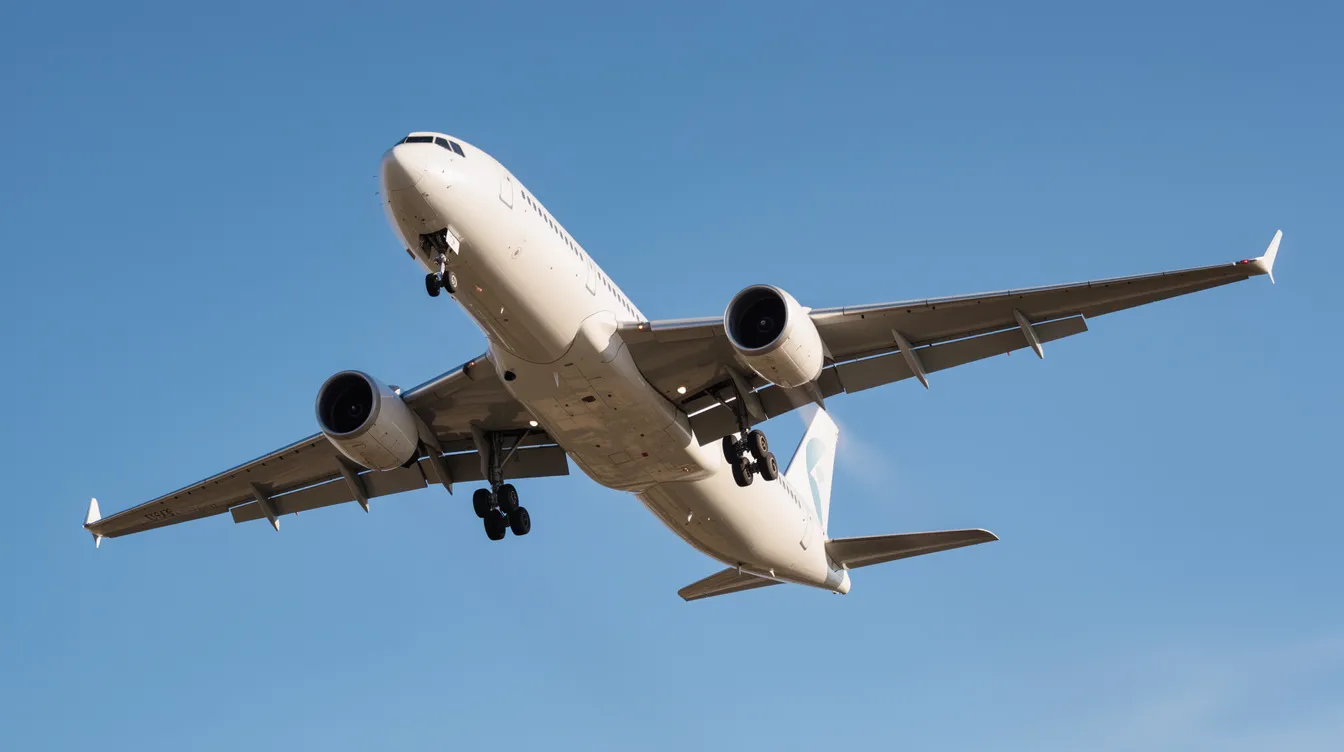
For travelers in Boca Raton, FL seeking private jet options, Jettly offers a safer and more transparent alternative to A-OK Jets. With access to over 20,000 aircraft and real-time pricing, Jettly connects users with certified carriers worldwide, ensuring compliance and flexibility for both business and leisure travel.
Jay Franco Serevilla
Oct 31, 2026
|
5
min read
View all
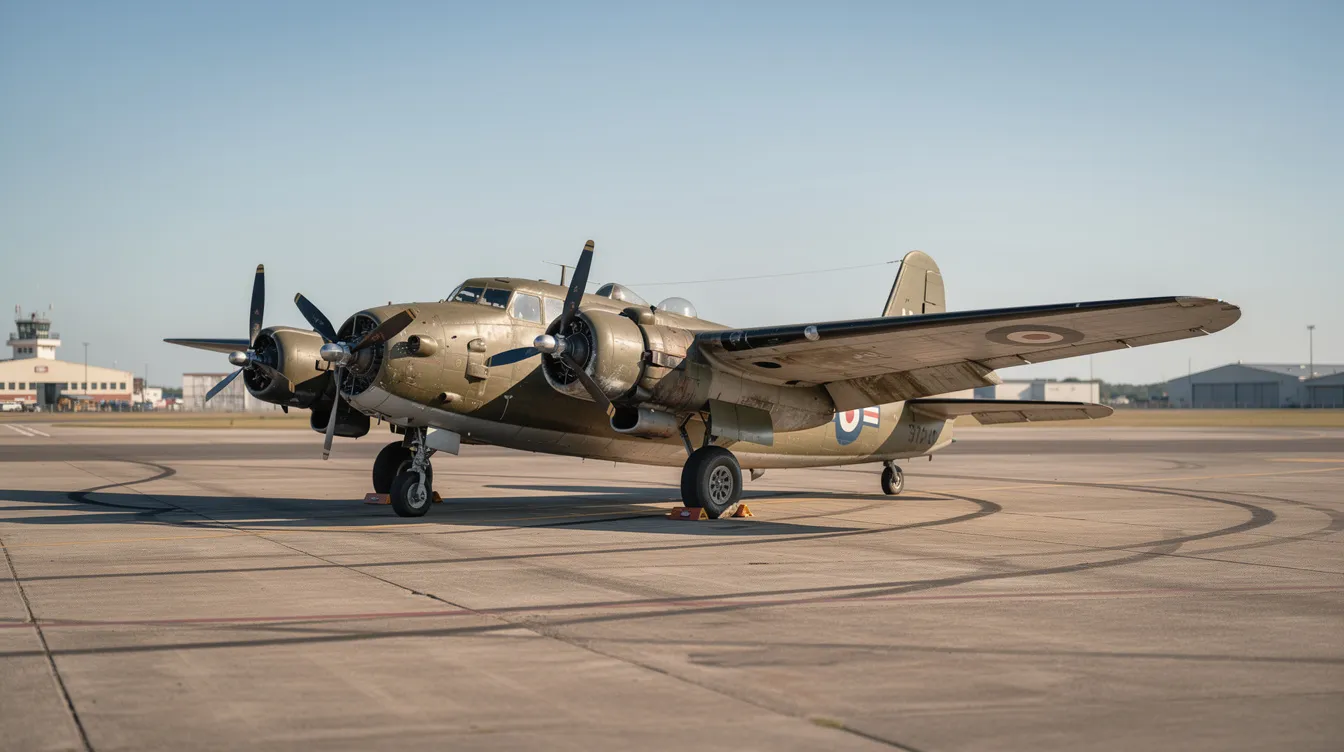
This comprehensive guide explores Boeing's commercial aircraft, business jets, and travel options, helping travelers and aviation enthusiasts make informed choices. From the iconic 737 MAX to the luxurious BBJ variants, Boeing planes cater to various needs, whether for commercial flights or private charters. Understanding the differences in aircraft types and configurations can enhance the travel experience and optimize costs.
Jeff Ryan Serevilla
Oct 31, 2026
|
5
min read
View all
Air Force One is a highly modified Boeing 747 that serves as the U.S. president's airborne command center. Its layout includes dedicated zones for governance, security, and press operations, ensuring the president remains operational at 45,000 feet. With approximately 4,000 square feet of space, the aircraft is designed for privacy and efficiency, accommodating up to 76 passengers and 26 crew members.
Jeff Ryan Serevilla
Oct 31, 2026
|
5
min read
Explore our latest articles and updates.
5
min read
Can You Take Cigarettes on an Airplane? (Commercial & Private Jet Rules)
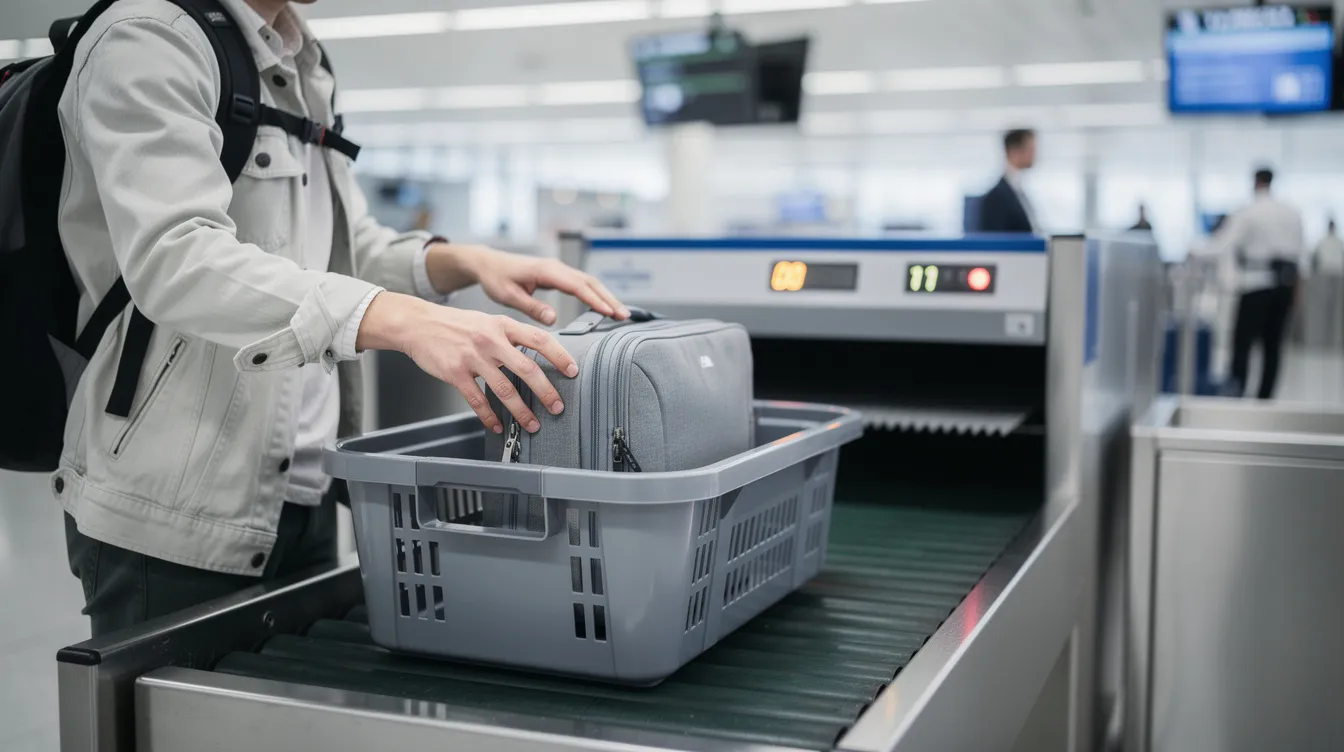
Cigarettes can be carried in both carry-on and checked luggage on most airlines, but smoking on commercial flights is strictly prohibited, with fines up to $4,000 for violations. While there are no domestic limits on the number of cigarettes for personal use in the U.S., international travel is subject to customs regulations, typically allowing around 200 cigarettes duty-free per adult, though this varies by country. Lighters, vapes, and other smoking accessories have stricter rules, often requiring them to be kept in carry-on luggage only. Private jet charters may allow smoking if permitted by the aircraft owner and operator, offering more flexibility compared to commercial flights.
Read More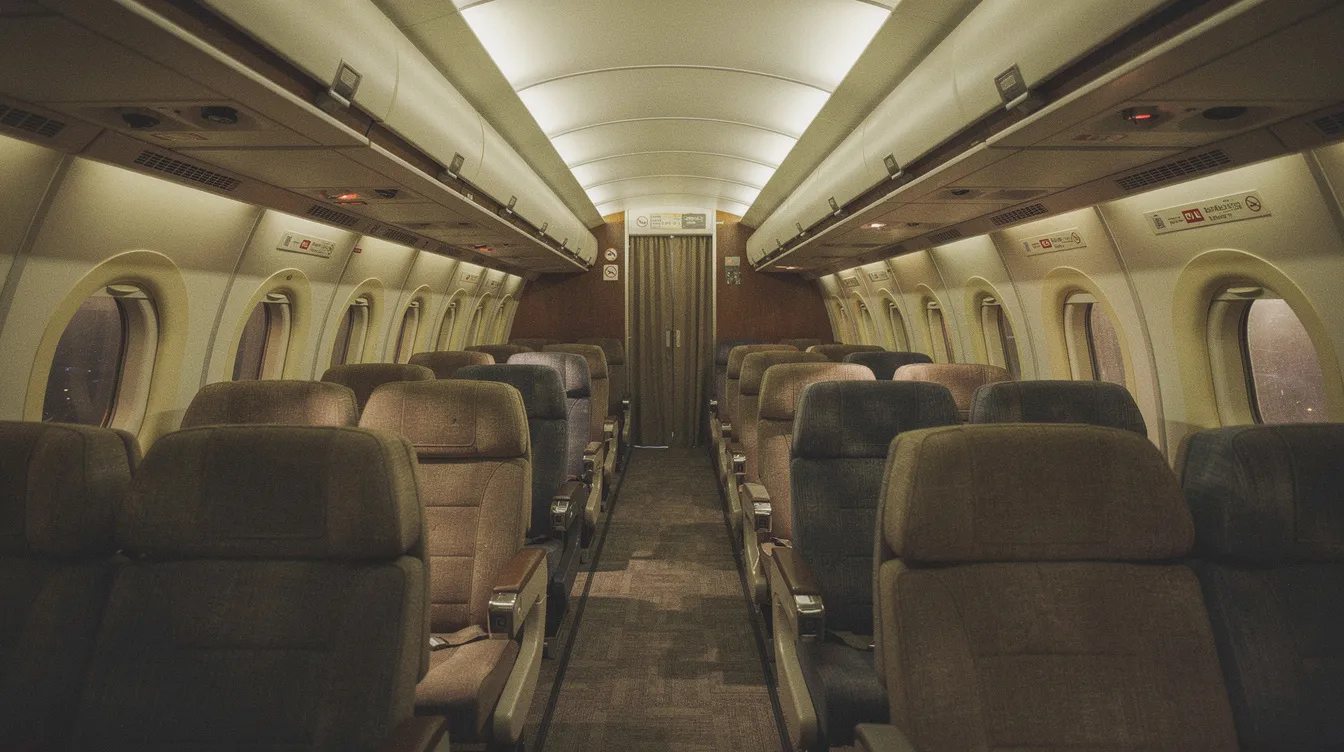
5
min read
When Was Smoking on Airplanes Banned? A Timeline for Commercial and Private Flights
Smoking on U.S. airplanes was gradually banned, starting with domestic flights under two hours in 1988 and culminating in a complete federal ban on June 4, 2000. This movement was driven by health and safety concerns, particularly regarding secondhand smoke and fire risks, despite resistance from the tobacco industry. By the early 2000s, most commercial airlines worldwide had adopted similar smoking bans, leading to a universal expectation of smoke-free flights. Today, smoking and vaping are prohibited on nearly all commercial and private flights, reflecting a commitment to passenger safety and comfort.
Read MoreJoin our community and receive the latest blog updates directly in your inbox.
MEMBERSHIPS AND ASSOCIATIONS



Disclaimer: Jettly operates as a charter broker, offering access to a global digital jet charter marketplace. Jettly is not a direct air carrier and does not own or operate aircraft. All advertised flights are conducted by third-party air carriers that are fully licensed and hold the appropriate Part 135 or Part 121 certifications issued by the Federal Aviation Administration (FAA) or equivalent regulatory authorities under U.S. or foreign law. Jettly complies fully with the U.S. Department of Transportation's Part 295 and Part 298 Charter Broker regulations. Jettly does not carry additional liability insurance. Passengers are covered by aircraft operator insurance. TICO: 50023770


