



Login
Get Instant Pricing On 23,000+ Aircraft

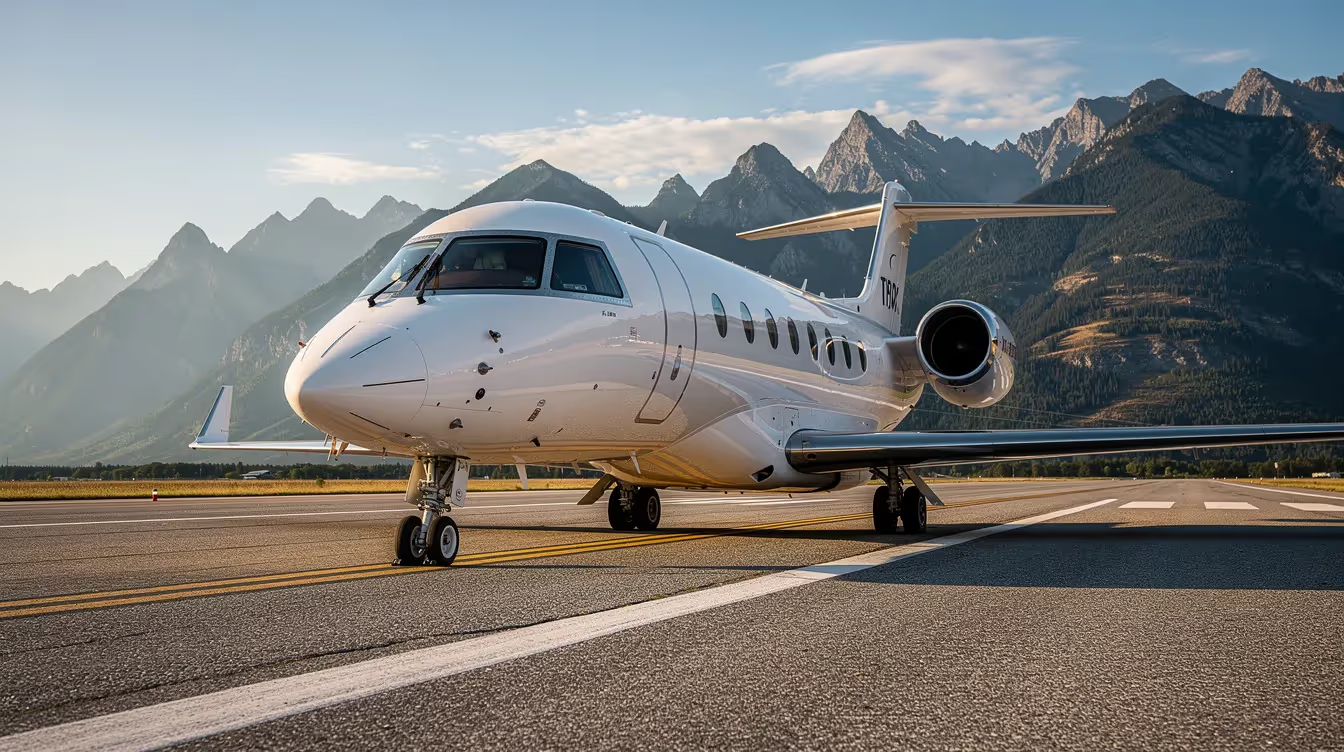
Understanding the various types of jet engines—such as turbojets, turbofans, turboprops, and turboshafts—is crucial for private jet travelers to make informed decisions about aircraft selection. Most modern private jets utilize high-bypass turbofan engines, which offer the best combination of fuel efficiency, range, and cabin comfort, while turboprops are ideal for shorter flights and smaller airports. Each engine type serves specific missions, with turbofans favored for commercial and business aviation, and turboprops for regional routes. By recognizing these distinctions, travelers can better evaluate their options and optimize their travel experience through platforms like Jettly.
Jay Franco Serevilla
Apr 13, 2026
|
5
min read



View all
Experience the magic of Dallas from above with a helicopter ride followed by a delightful dinner. This unique package offers breathtaking views of the city skyline, making it perfect for romantic evenings or special celebrations. With options for custom routes and dining experiences, planning an unforgettable night in the sky has never been easier.
Jeff Ryan Serevilla
Oct 22, 2026
|
5
min read
View all
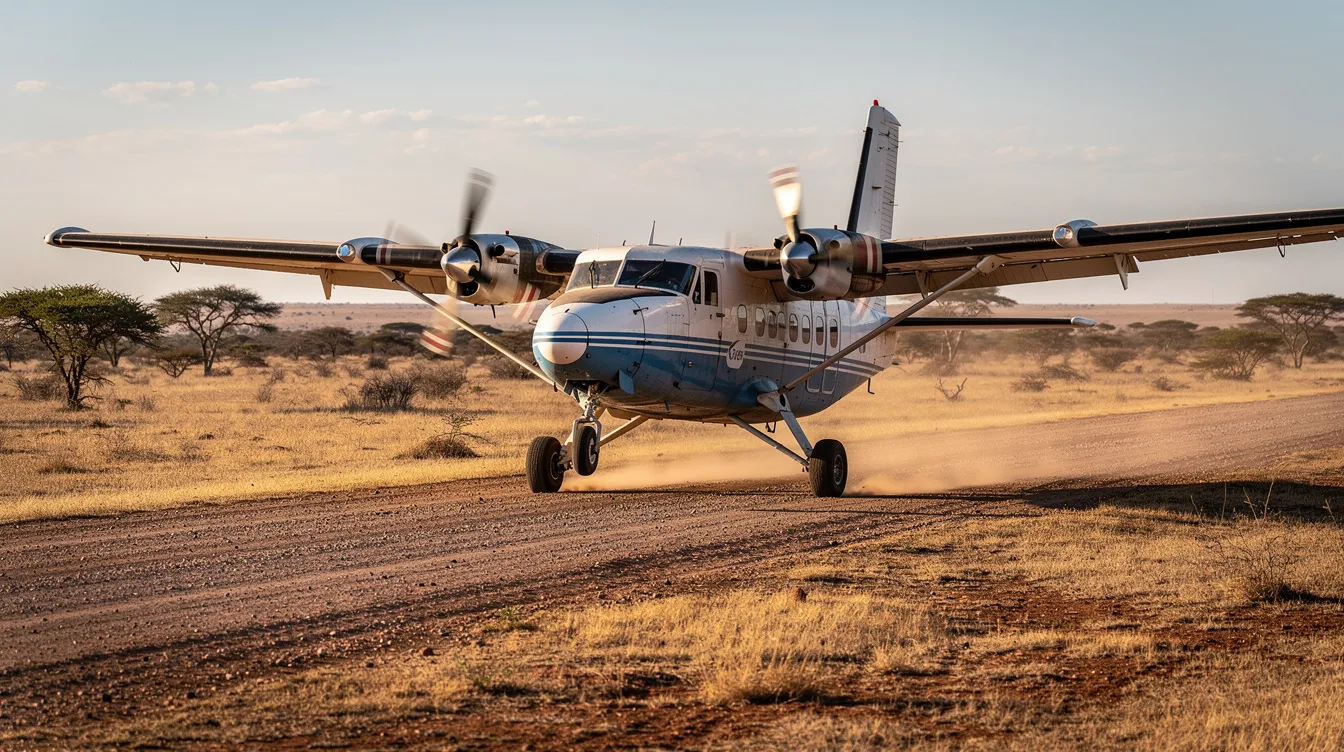
Zimex Aviation, established in 1969, specializes in flying to remote and challenging environments where conventional airlines often cannot operate. With a diverse fleet of turboprop aircraft, Zimex provides essential services such as oil and gas logistics, humanitarian airlift, and express cargo. The company emphasizes safety and operational excellence, making it a key player in the global logistics and humanitarian support sectors.
Jeff Ryan Serevilla
Oct 22, 2026
|
5
min read
View all
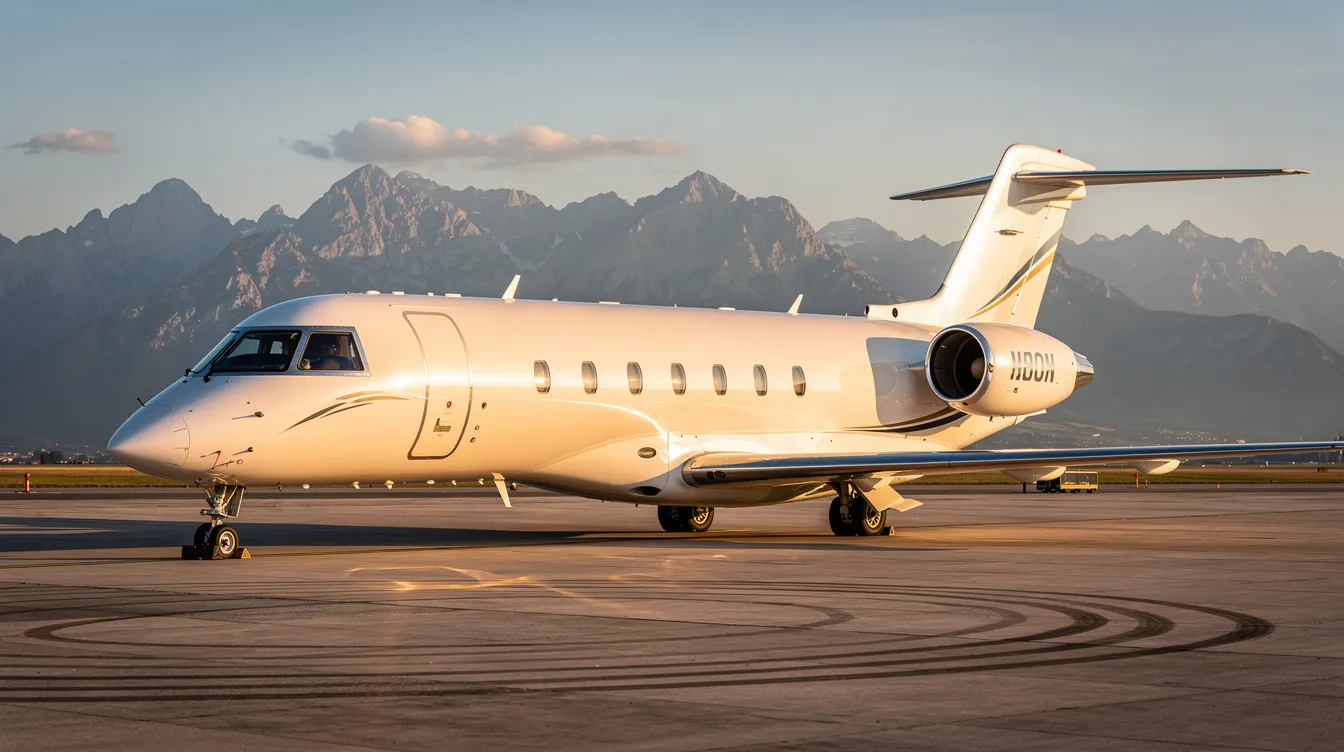
Air X represents a category of private jet charter operators known for their diversified fleets and integrated jet support, ensuring flexibility and safety. With over 7,050 flights in 2023, AirX Charter exemplifies excellence in private aviation, catering to corporate executives and high-net-worth individuals. Digital platforms like Jettly enhance access to these services, allowing travelers to book tailored flights effortlessly.
Jeff Ryan Serevilla
Oct 22, 2026
|
5
min read

View all
Helidosa Aviation Group is a leading private aviation operator in the Dominican Republic, offering a range of services including private jet charters and helicopter tours. Established in 1992, the company has expanded its fleet and services to cater to leisure and business travelers across the Caribbean and Americas. While Helidosa boasts a strong safety record, it has faced incidents that travelers should consider when booking.
Jeff Ryan Serevilla
Oct 22, 2026
|
5
min read
View all
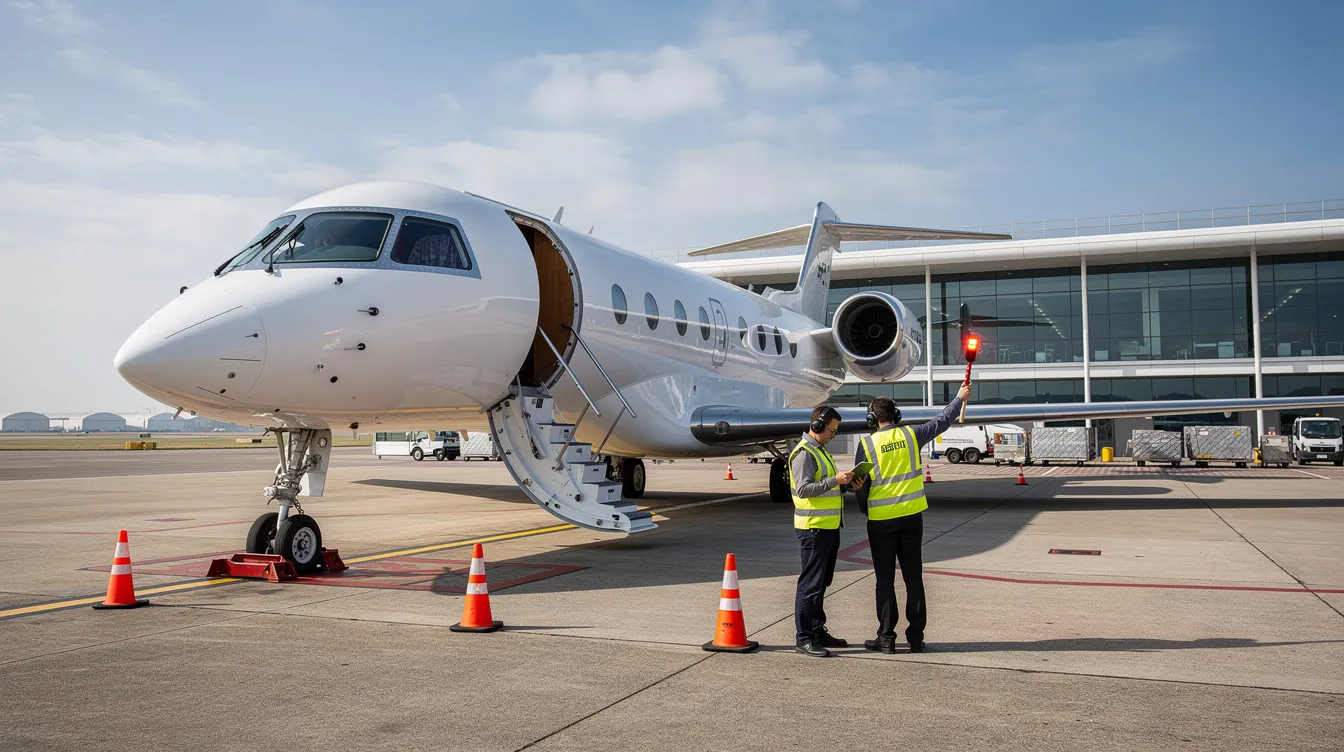
Every private jet has a unique jet number, also known as a tail number, which serves as its identification in the aviation world. This alphanumeric code is crucial for air traffic control, legal records, and flight tracking, ensuring safety and compliance. Understanding jet numbers can enhance the private jet booking experience, providing travelers with essential information about the aircraft.
Jeff Ryan Serevilla
Oct 22, 2026
|
5
min read

View all
Robert Gray Army Airfield (KGRK) serves as a vital joint-use airfield for Fort Hood and the Killeen area, facilitating both military and commercial aviation. With a 9,997-foot runway and 24-hour operations, it supports a range of aircraft and offers direct access to Central Texas. This travel guide provides essential information for military personnel, families, and business travelers using KGRK.
Jeff Ryan Serevilla
Oct 21, 2026
|
5
min read
Explore our latest articles and updates.
5
min read
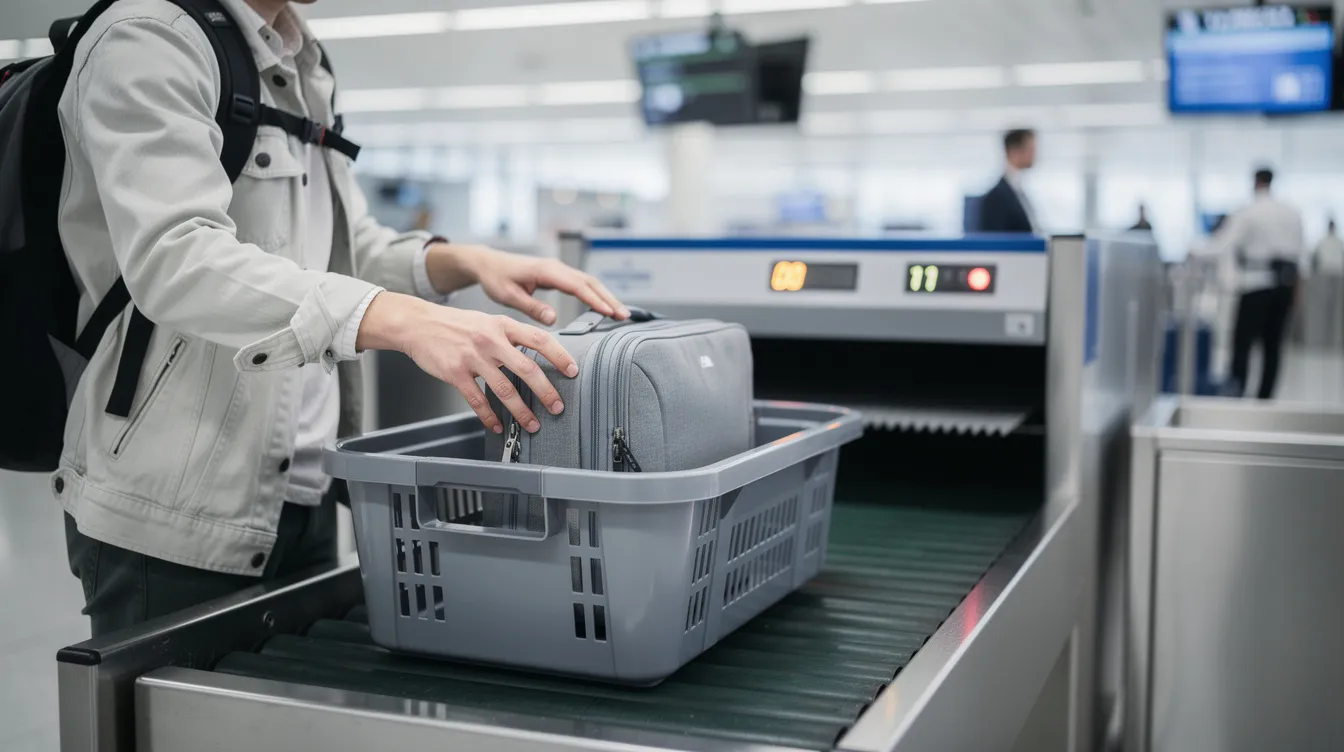
Can You Take Cigarettes on an Airplane? (Commercial & Private Jet Rules)
Cigarettes can be carried in both carry-on and checked luggage on most airlines, but smoking on commercial flights is strictly prohibited, with fines up to $4,000 for violations. While there are no domestic limits on the number of cigarettes for personal use in the U.S., international travel is subject to customs regulations, typically allowing around 200 cigarettes duty-free per adult, though this varies by country. Lighters, vapes, and other smoking accessories have stricter rules, often requiring them to be kept in carry-on luggage only. Private jet charters may allow smoking if permitted by the aircraft owner and operator, offering more flexibility compared to commercial flights.
Read More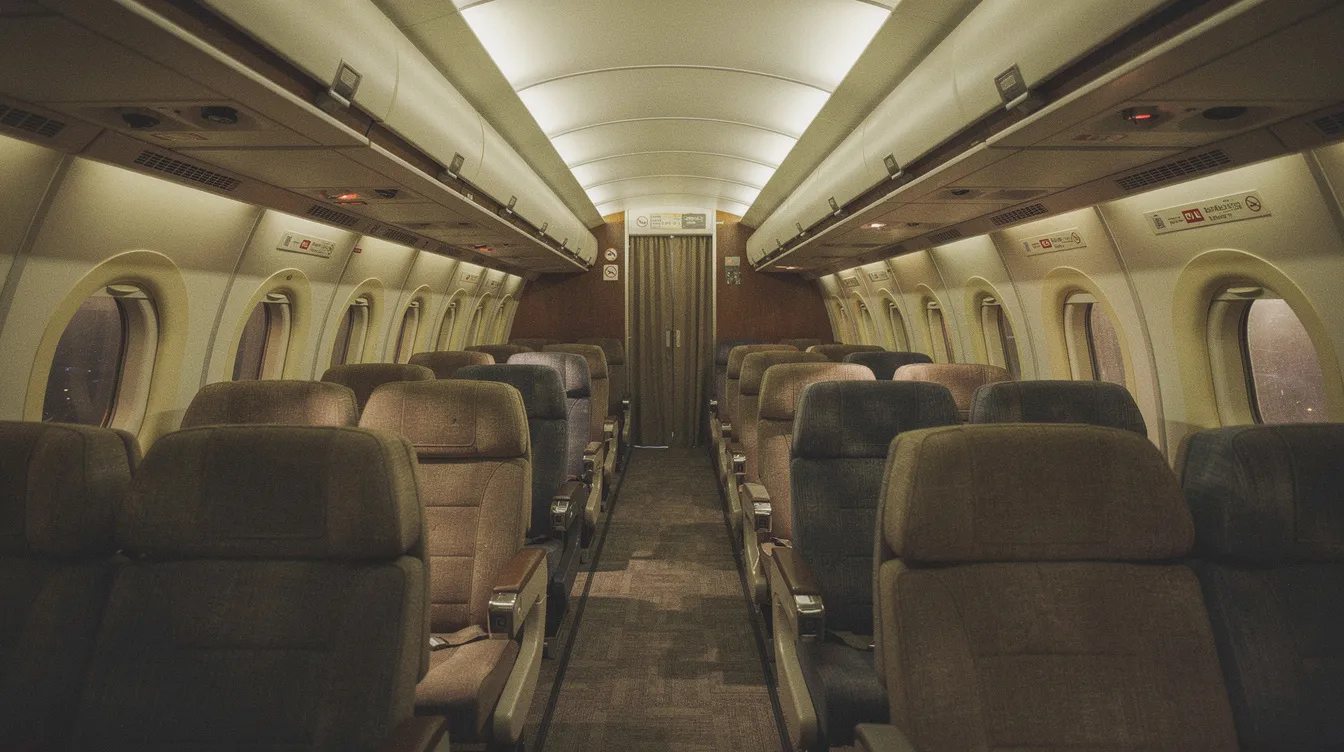
5
min read
When Was Smoking on Airplanes Banned? A Timeline for Commercial and Private Flights
Smoking on U.S. airplanes was gradually banned, starting with domestic flights under two hours in 1988 and culminating in a complete federal ban on June 4, 2000. This movement was driven by health and safety concerns, particularly regarding secondhand smoke and fire risks, despite resistance from the tobacco industry. By the early 2000s, most commercial airlines worldwide had adopted similar smoking bans, leading to a universal expectation of smoke-free flights. Today, smoking and vaping are prohibited on nearly all commercial and private flights, reflecting a commitment to passenger safety and comfort.
Read MoreJoin our community and receive the latest blog updates directly in your inbox.
MEMBERSHIPS AND ASSOCIATIONS



Disclaimer: Jettly operates as a charter broker, offering access to a global digital jet charter marketplace. Jettly is not a direct air carrier and does not own or operate aircraft. All advertised flights are conducted by third-party air carriers that are fully licensed and hold the appropriate Part 135 or Part 121 certifications issued by the Federal Aviation Administration (FAA) or equivalent regulatory authorities under U.S. or foreign law. Jettly complies fully with the U.S. Department of Transportation's Part 295 and Part 298 Charter Broker regulations. Jettly does not carry additional liability insurance. Passengers are covered by aircraft operator insurance. TICO: 50023770


