



Login
Get Instant Pricing On 23,000+ Aircraft

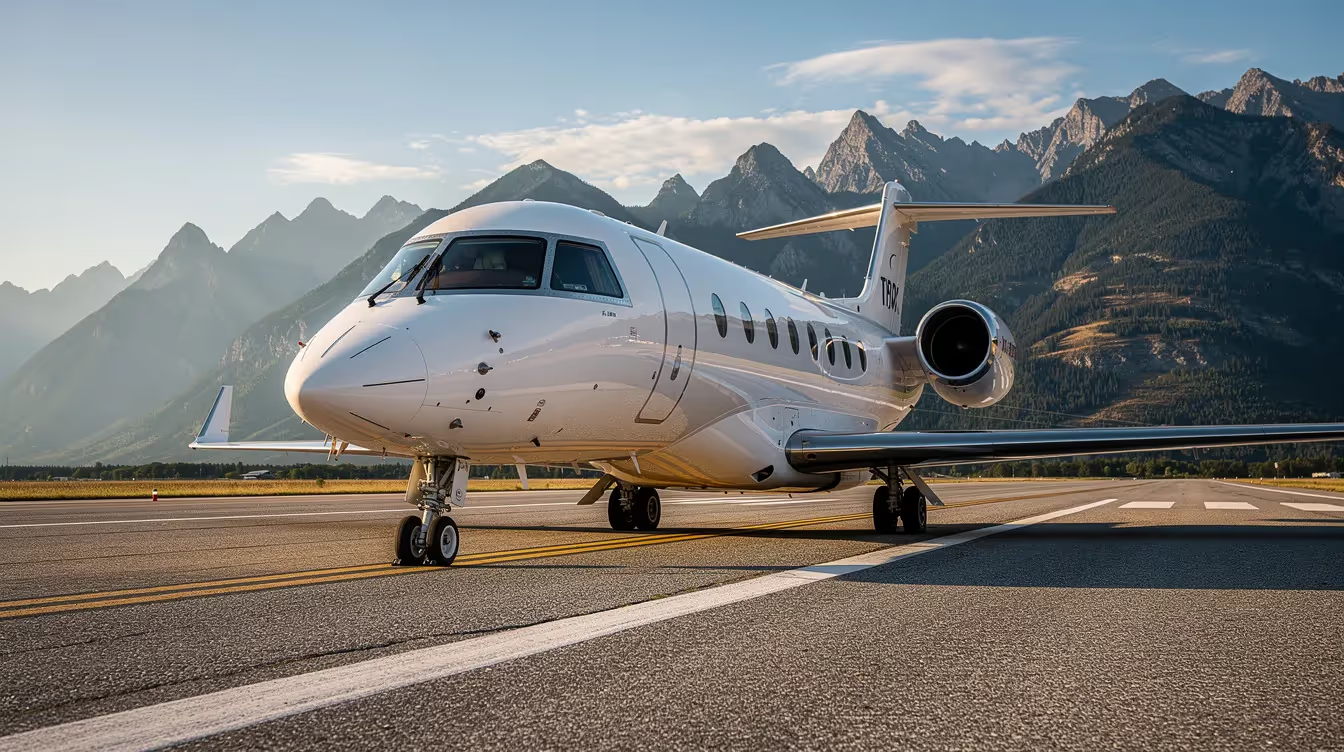
Understanding the various types of jet engines—such as turbojets, turbofans, turboprops, and turboshafts—is crucial for private jet travelers to make informed decisions about aircraft selection. Most modern private jets utilize high-bypass turbofan engines, which offer the best combination of fuel efficiency, range, and cabin comfort, while turboprops are ideal for shorter flights and smaller airports. Each engine type serves specific missions, with turbofans favored for commercial and business aviation, and turboprops for regional routes. By recognizing these distinctions, travelers can better evaluate their options and optimize their travel experience through platforms like Jettly.
Jay Franco Serevilla
Apr 13, 2026
|
5
min read


View all
Leasing a helicopter provides operators and individuals with access to aircraft without the hefty upfront costs of ownership. This flexible arrangement allows for predictable payments and can be tailored to suit various operational needs, whether through wet or dry leases. For those flying less frequently, on-demand charter services may offer a more cost-effective solution.
Jay Franco Serevilla
Oct 20, 2026
|
5
min read

View all
Helicopters typically fly between 500 and 5,000 feet during routine operations, with some models reaching service ceilings of 20,000 feet or more. The highest recorded flight reached 40,820 feet in 1972, but most helicopters operate much lower due to factors like air density and engine power. Understanding these limits is essential for travelers considering helicopter charters for various missions.
Jay Franco Serevilla
Oct 20, 2026
|
5
min read

View all
Chesapeake Regional Airport (KCPK) is a premier destination for private and charter aviation in coastal Virginia, offering a 5,500-foot runway and dedicated facilities. This guide provides essential information for pilots and travelers, including booking options through Jettly, making it an ideal choice for efficient and private travel.
Jeff Ryan Serevilla
Oct 20, 2026
|
5
min read
View all
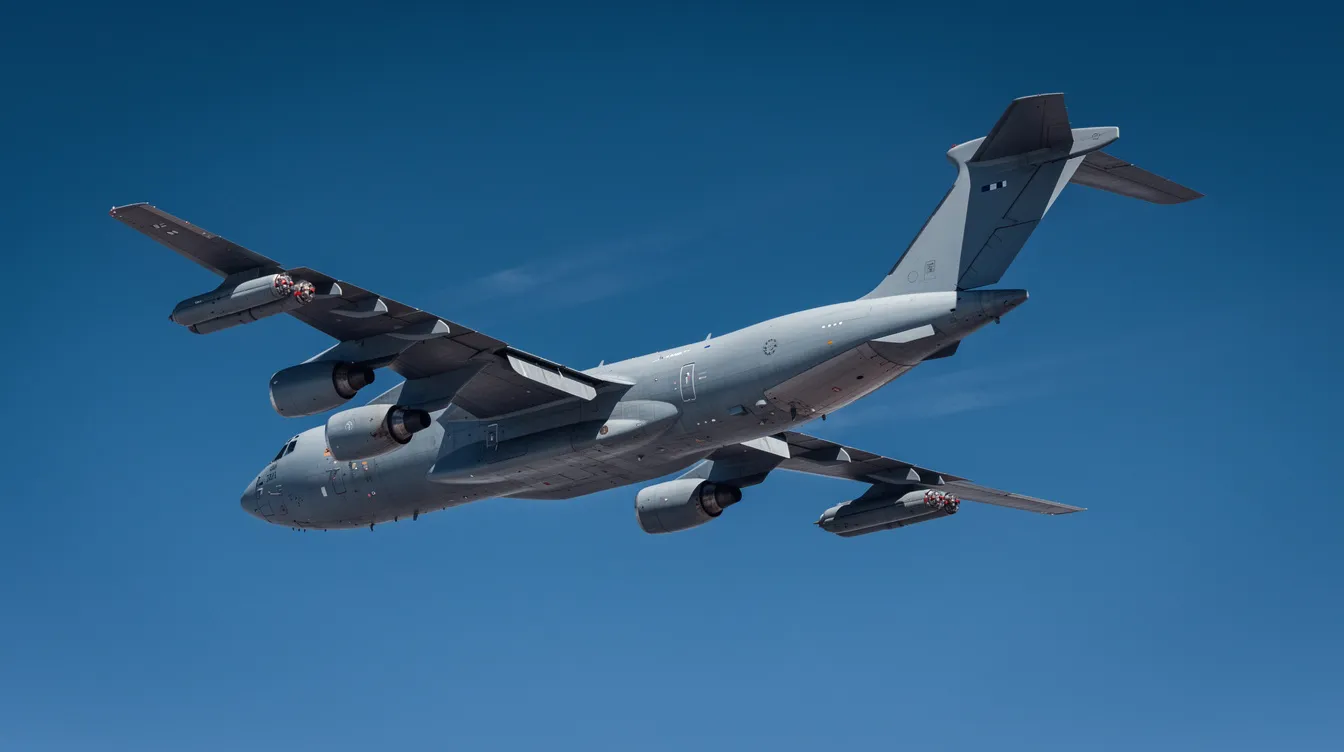
The KC-135 Stratotanker has a long history of accidents, with over 50 fatal crashes since its introduction in the 1950s. Recent incidents, including a crash in March 2026 that killed six crew members, highlight ongoing safety challenges in military aviation. Lessons learned from these accidents have led to significant improvements in training and operational procedures, benefiting both military and civilian aviation.
Jeff Ryan Serevilla
Oct 20, 2026
|
5
min read

View all
Many major airlines, including American Airlines and Japan Airlines, have experienced fatal crashes throughout their histories. While these incidents are significant, they must be viewed in context, as air travel remains one of the safest modes of transportation today. Understanding the historical data and safety improvements can help travelers make informed decisions about their flight options.
Jeff Ryan Serevilla
Oct 20, 2026
|
5
min read
View all
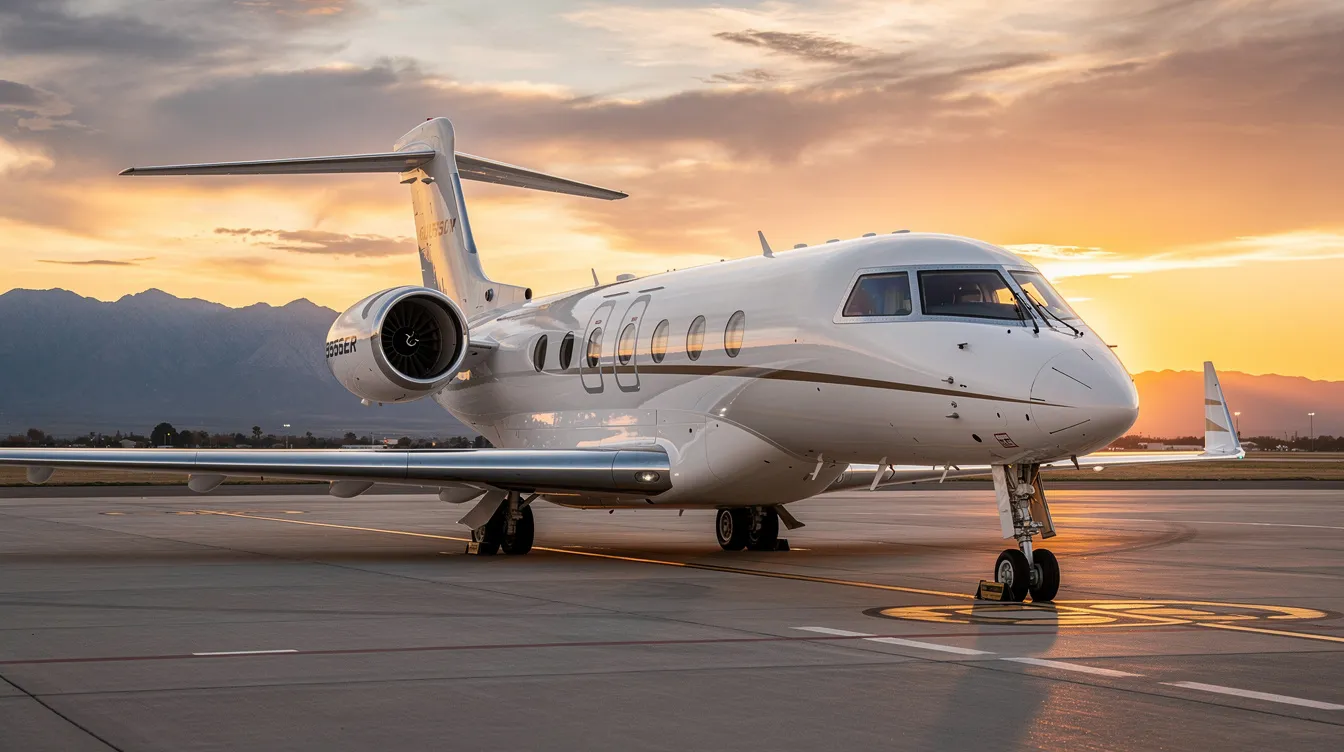
Elon Musk's private jet fleet, primarily consisting of Gulfstream models, showcases the intersection of luxury and necessity in modern aviation. This guide explores Musk's aircraft history, the evolution of his fleet, and how platforms like Jettly provide access to similar jets for those who seek the convenience of private travel without ownership. Discover the details of Musk's jets and how they reflect his dynamic lifestyle and business needs.
Jeff Ryan Serevilla
Oct 20, 2026
|
5
min read
Explore our latest articles and updates.

5
min read
Deadhead Pilot: What It Means, How It Works, and Why Airlines Use It
In aviation, a "deadhead pilot" refers to a crew member traveling as a passenger to reposition for a work assignment, a practice that applies to both pilots and flight attendants. Deadheading is a paid duty status, distinct from unpaid commuting, and is essential for maintaining operational coverage after disruptions or irregular schedules. Airlines may utilize deadheading on their own flights or through agreements with other carriers, while private aviation platforms like Jettly optimize similar repositioning flights to enhance cost efficiency for travelers. Understanding deadheading is crucial for appreciating the complexities of crew scheduling and the benefits of flexible private air travel.
Read More
5
min read
Private Pilot Wanted: How Jettly Connects Travelers With Professional Pilots
Jettly is a digital marketplace that connects travelers with certified pilots and a network of over 20,000 private jets, streamlining the process of booking private air travel. By sourcing vetted operators, Jettly ensures that all flights meet safety and regulatory standards, eliminating the risks associated with informal pilot hiring. The platform offers instant pricing and supports on-demand charters from smaller airports, making private aviation more accessible and efficient. For pilots, Jettly generates job opportunities within charter and corporate operators, reflecting the growing demand for private aviation services.
Read MoreJoin our community and receive the latest blog updates directly in your inbox.
MEMBERSHIPS AND ASSOCIATIONS



Disclaimer: Jettly operates as a charter broker, offering access to a global digital jet charter marketplace. Jettly is not a direct air carrier and does not own or operate aircraft. All advertised flights are conducted by third-party air carriers that are fully licensed and hold the appropriate Part 135 or Part 121 certifications issued by the Federal Aviation Administration (FAA) or equivalent regulatory authorities under U.S. or foreign law. Jettly complies fully with the U.S. Department of Transportation's Part 295 and Part 298 Charter Broker regulations. Jettly does not carry additional liability insurance. Passengers are covered by aircraft operator insurance. TICO: 50023770


