


Login
Get Instant Pricing On 23,000+ Aircraft


In 2026, corporate pilots' salaries vary significantly based on factors such as aircraft type, operation model, and experience. Entry-level pilots earn between $65,000 and $110,000, while experienced captains can make upwards of $200,000 to $350,000+. The demand for qualified pilots continues to rise, pushing compensation higher across the industry.
Jay Franco Serevilla
Sep 7, 2026
|
5
min read



View all
The Gulfstream G550 N550EW is an ultra-long-range private jet ideal for both business and leisure travel. With a range of over 6,700 nautical miles and luxurious amenities, it offers exceptional comfort and operational flexibility. This guide covers the aircraft's features, booking process, and pricing, making it a valuable resource for potential travelers.
Jeff Ryan Serevilla
Sep 22, 2026
|
5
min read

View all
Chartering a private jet to Bora Bora offers luxury travelers a seamless and flexible travel experience, bypassing the hassles of commercial flights. With Jettly, you can choose from a wide range of aircraft and enjoy competitive pricing, ensuring a comfortable journey to this stunning destination. This guide covers routes, pricing, and how to book your private jet charter effortlessly.
Jeff Ryan Serevilla
Sep 22, 2026
|
5
min read
View all
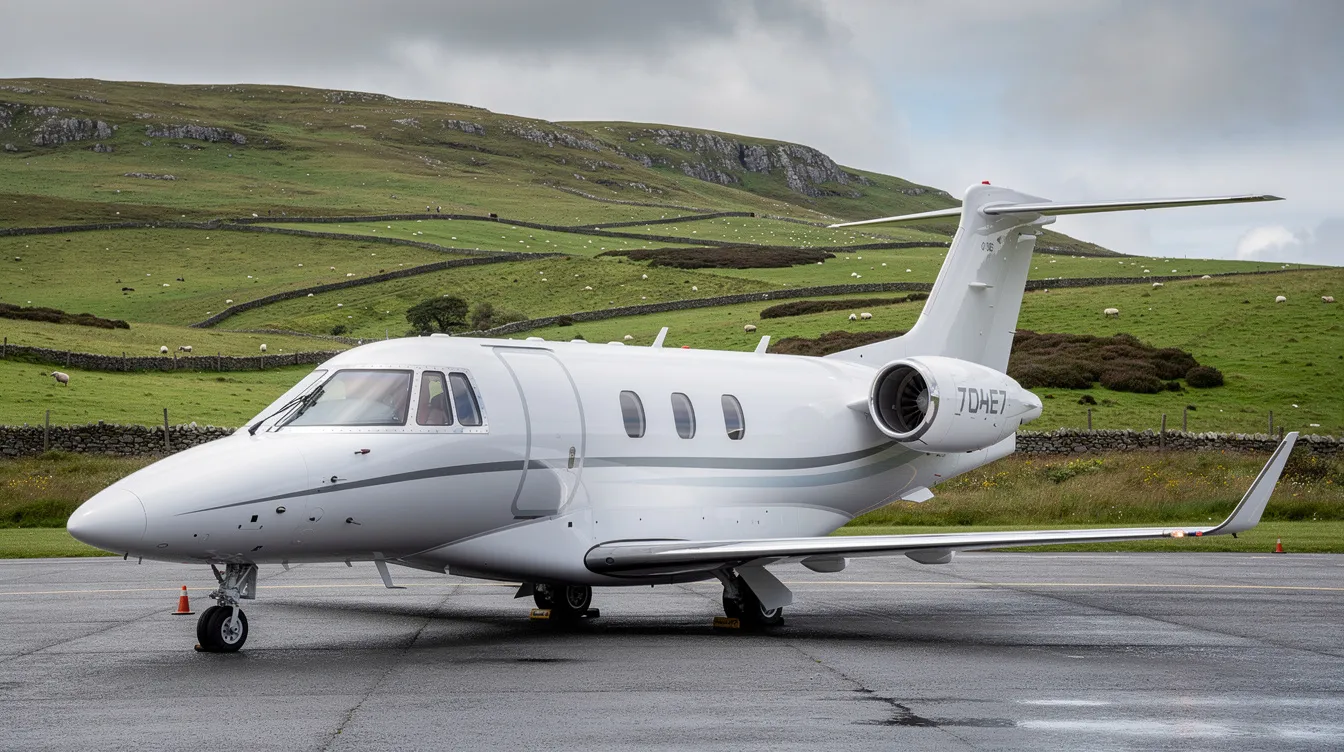
Chartering a private jet to Edinburgh offers unparalleled convenience and efficiency for business travelers, golf enthusiasts, and festival-goers. With quick access to the city and tailored services, private aviation enhances the travel experience significantly. Jettly provides a seamless platform for booking a wide range of aircraft to suit any itinerary.
Jeff Ryan Serevilla
Sep 22, 2026
|
5
min read

View all
Cleveland Jet Charter offers travelers the flexibility and convenience of private flights to and from Cleveland, Ohio. With access to over 20,000 aircraft globally, Jettly simplifies the booking process, allowing clients to choose their departure times and aircraft without long-term commitments. Ideal for business or leisure travel, private jet charters provide enhanced privacy and productivity.
Jeff Ryan Serevilla
Sep 22, 2026
|
5
min read

View all
A transatlantic flight is any air journey that crosses the Atlantic Ocean, connecting continents like North America and Europe. This guide explores the history, modern routes, and private jet options for transatlantic travel, highlighting the evolution from early flights to today's efficient services. Jettly offers insights into planning and booking private transatlantic flights, ensuring flexibility and comfort for travelers.
Jeff Ryan Serevilla
Sep 22, 2026
|
5
min read

View all
Flying by private jet to Greece offers travelers direct access to both the mainland and islands, significantly reducing travel time compared to commercial flights. With over 40 airports available, private jets provide flexibility, privacy, and customized in-flight experiences. Jettly's platform simplifies the booking process, offering instant pricing and access to a wide range of aircraft.
Jeff Ryan Serevilla
Sep 22, 2026
|
5
min read
Explore our latest articles and updates.

5
min read
Helicopter Seat Guide for Charter Travelers
This comprehensive helicopter seat guide helps charter travelers understand the trade-offs between safety, comfort, and capacity when selecting a helicopter. It details various seat types, cabin layouts, and their suitability for different missions, ensuring informed choices for city transfers, business meetings, or adventure trips. Jettly's platform facilitates easy comparisons and bookings tailored to individual needs.
Read More
5
min read
Cost of R44 Helicopter in 2026: Purchase, Operating Costs & Charter Alternatives
In 2026, the cost of owning a Robinson R44 helicopter varies significantly, with new models priced around $646,000 and used options starting under $100,000. Operating costs can range from $35,000 to $55,000 annually, depending on usage, while chartering offers a flexible alternative for those flying less frequently. This guide provides a comprehensive overview of purchase prices, operating expenses, and charter options to help potential buyers make informed decisions.
Read MoreJoin our community and receive the latest blog updates directly in your inbox.
MEMBERSHIPS AND ASSOCIATIONS



Disclaimer: Jettly operates as a charter broker, offering access to a global digital jet charter marketplace. Jettly is not a direct air carrier and does not own or operate aircraft. All advertised flights are conducted by third-party air carriers that are fully licensed and hold the appropriate Part 135 or Part 121 certifications issued by the Federal Aviation Administration (FAA) or equivalent regulatory authorities under U.S. or foreign law. Jettly complies fully with the U.S. Department of Transportation's Part 295 and Part 298 Charter Broker regulations. Jettly does not carry additional liability insurance. Passengers are covered by aircraft operator insurance. TICO: 50023770


