



Login
Get Instant Pricing On 23,000+ Aircraft


In the U.S., all commercial airlines are privately owned, while globally, airlines can be privately owned, publicly traded, or government-owned. Private airlines typically prioritize efficiency and customer service to remain competitive, whereas state-owned airlines may focus on political goals, often leading to inefficiencies and reliance on government subsidies. The ownership structure significantly impacts ticket prices, service quality, and the likelihood of government bailouts, with private airlines generally outperforming state-owned carriers financially. Additionally, platforms like Jettly facilitate access to privately operated jets, reflecting the trend towards privatization and flexibility in air travel.
Jay Franco Serevilla
Apr 11, 2026
|
5
min read


View all
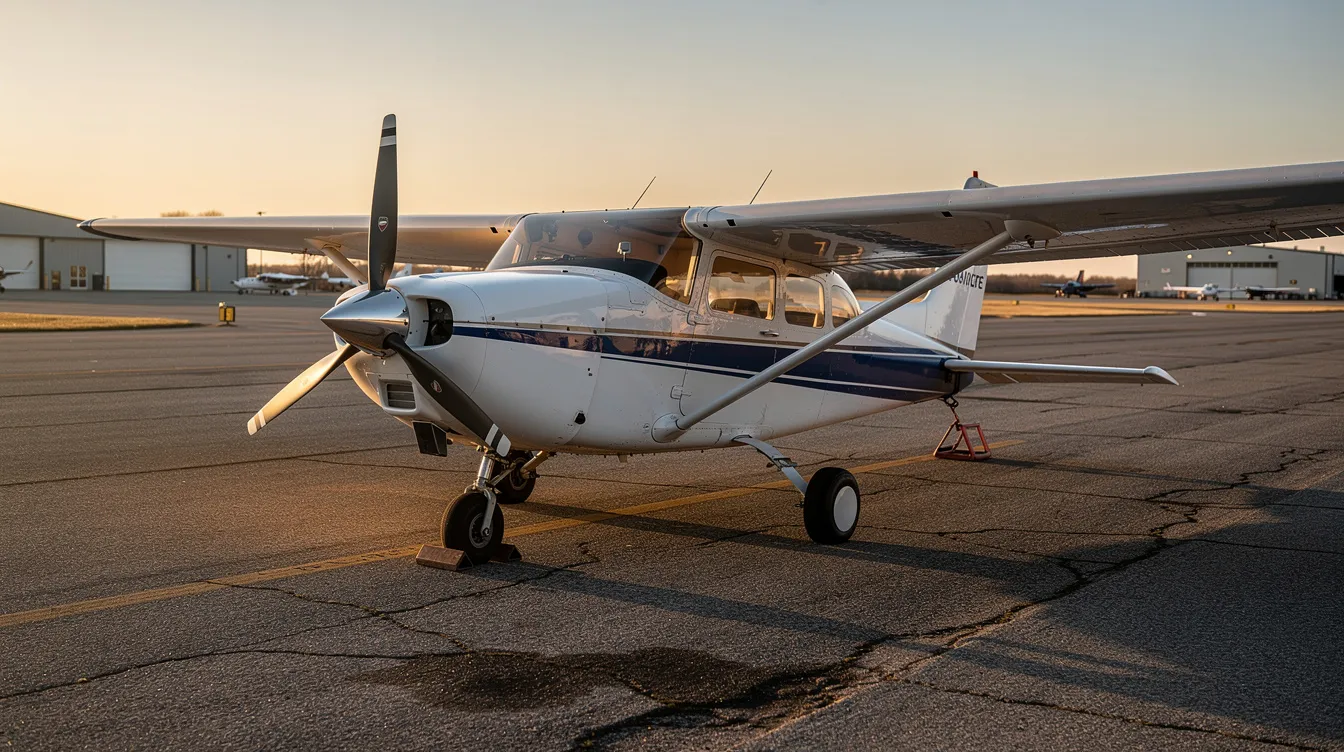
Lodi, CA, offers two primary airports for private flying: Lodi Airport (1O3) and Lodi Airpark (L53). This guide provides essential information for private pilots and charter travelers, detailing airport features, services, and nearby alternatives for efficient travel planning to the Central Valley's wine country.
Jeff Ryan Serevilla
Oct 19, 2026
|
5
min read
View all
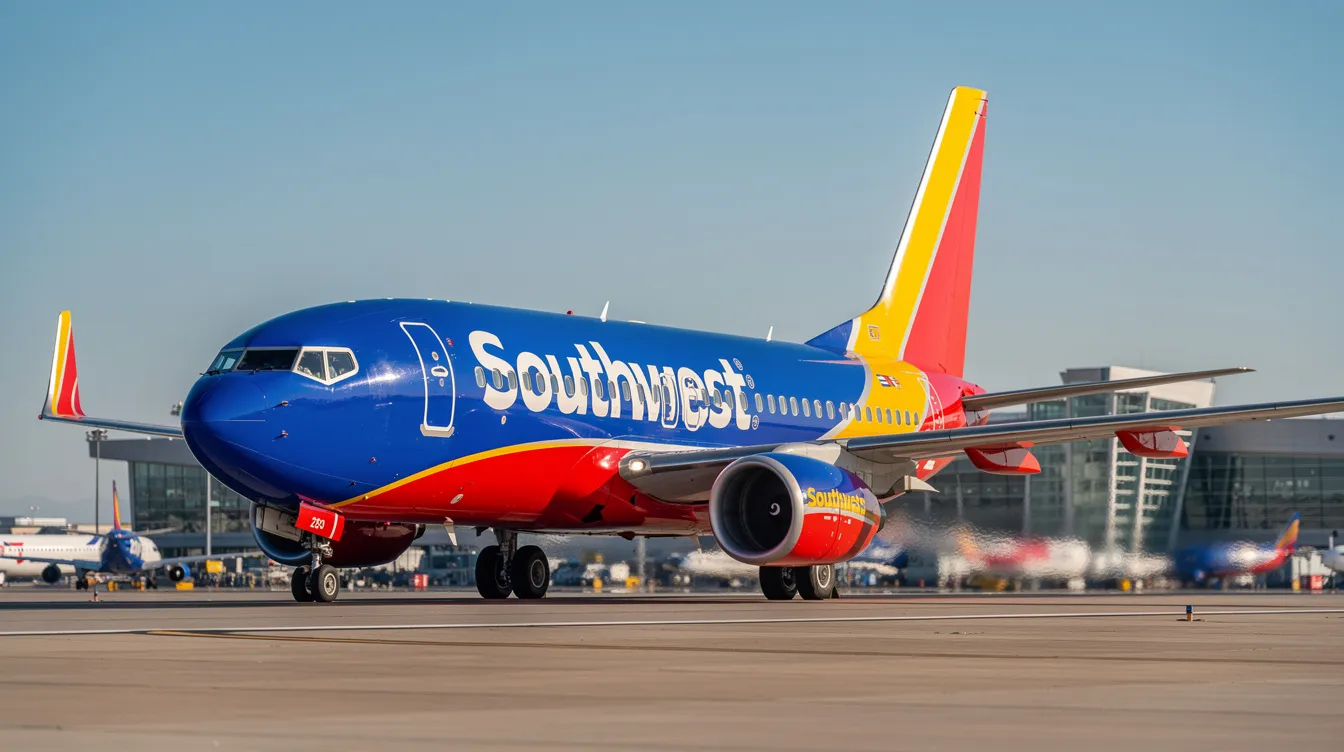
This guide explores the evolving landscape of Southwest Airlines reservations, detailing booking options, fare types, and policies. It also compares these with private jet travel alternatives, highlighting when chartering a jet might be the better choice. Whether you're a frequent flyer or new to private jets, this resource equips you with essential insights for your next trip.
Jay Franco Serevilla
Oct 19, 2026
|
5
min read
View all
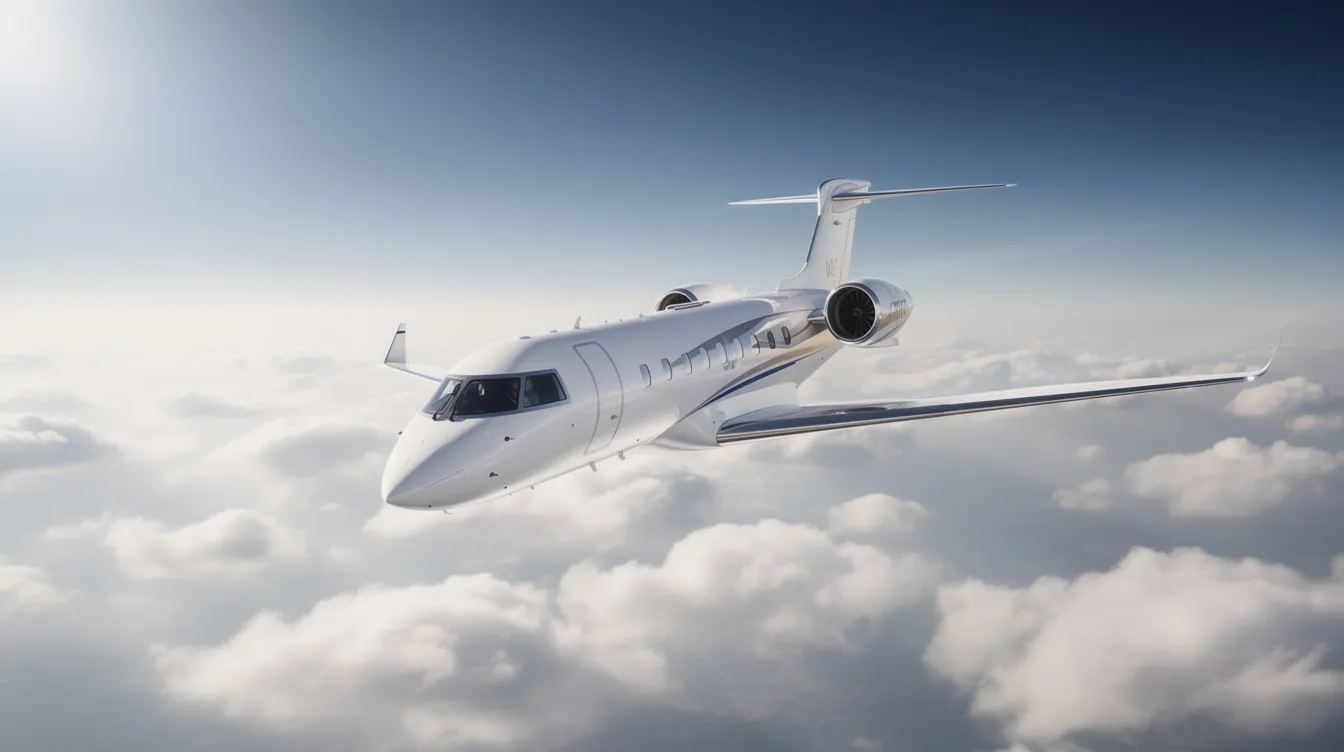
The GE Honda HF120 engine is a cutting-edge turbofan that powers the HondaJet family, delivering exceptional performance and efficiency for light business jets. With a focus on fuel efficiency, low emissions, and reduced noise, the HF120 sets a new standard in private aviation. Its advanced design and technology ensure reliability and comfort for charter travelers.
Jay Franco Serevilla
Oct 19, 2026
|
5
min read
View all
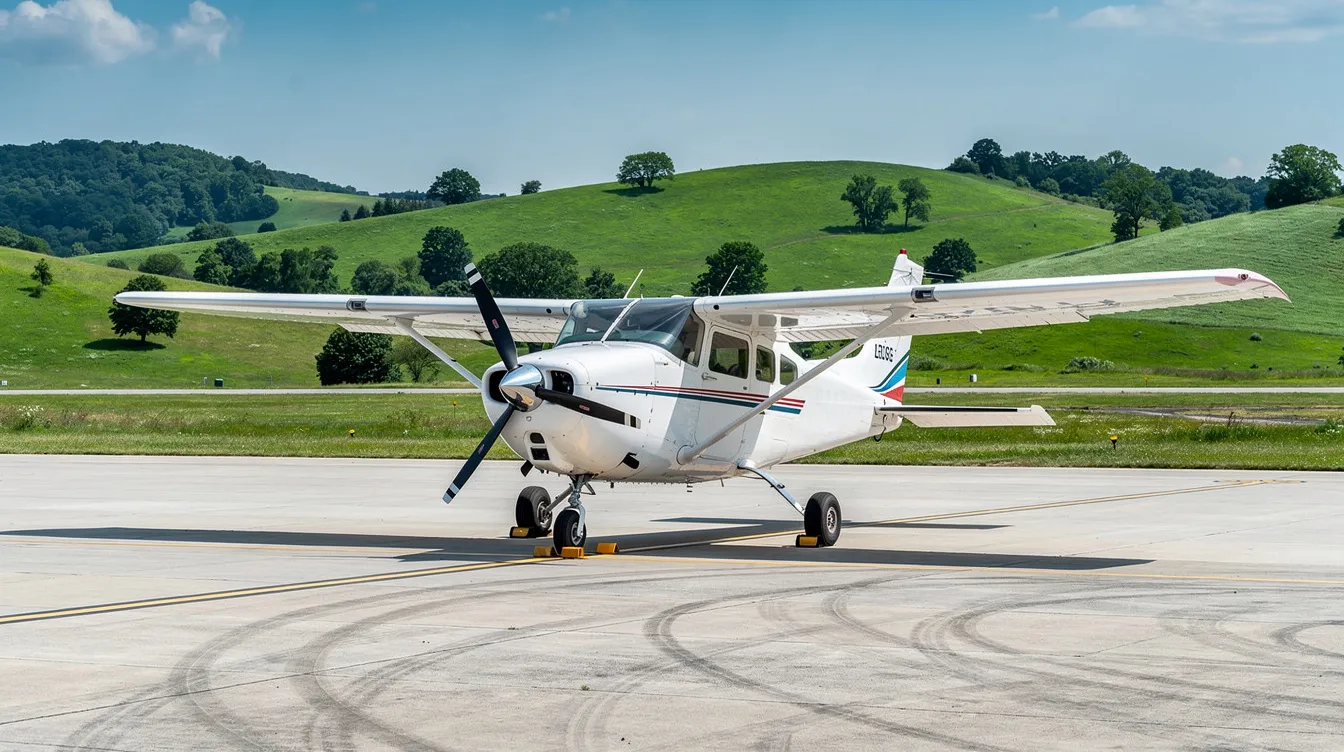
The Cessna 182T Skylane is a popular single-engine aircraft known for its reliability and performance. With a price range from $239,897 to $879,250, buyers can find models from 2001 to 2024. Understanding key factors like total time, engine status, and avionics is crucial for making informed purchasing decisions.
Jay Franco Serevilla
Oct 19, 2026
|
5
min read
View all
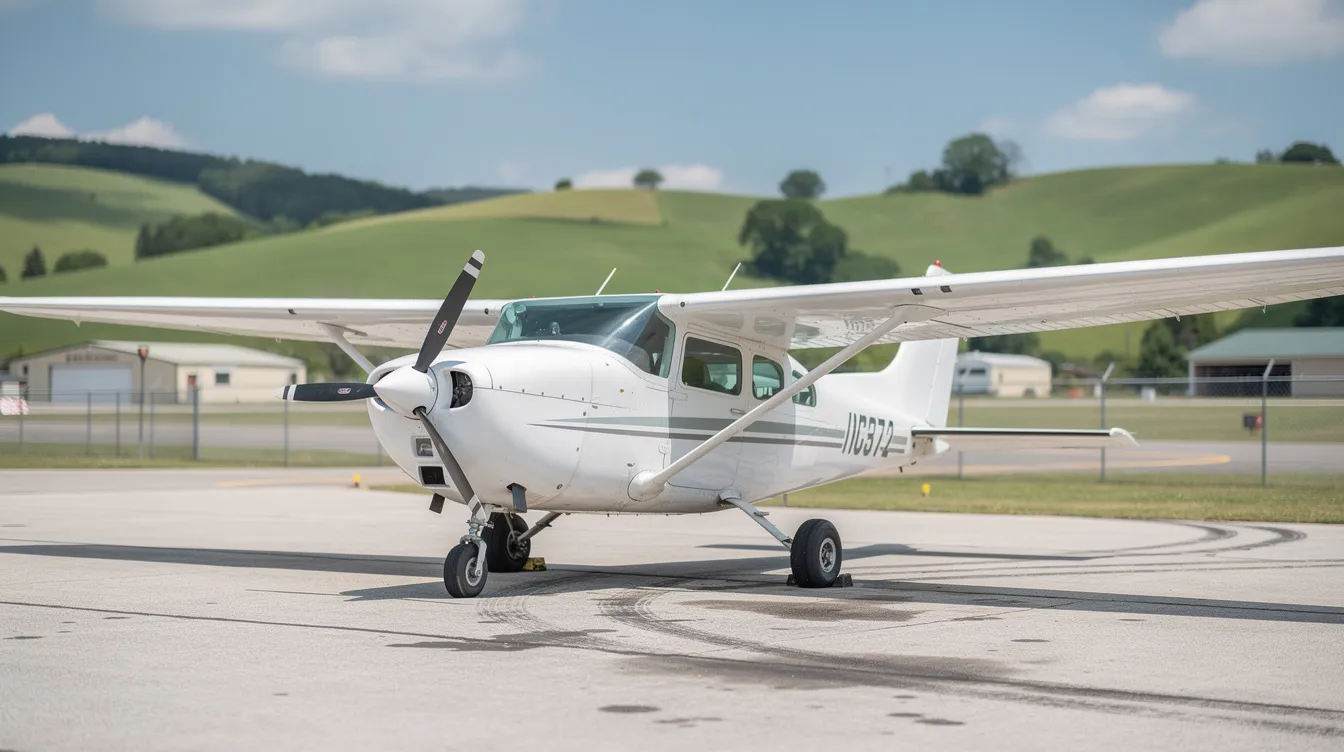
In 2026, owning a Cessna 182 Skylane involves navigating fixed and variable costs that can range from $180 to $350 per flight hour. Fixed costs typically amount to $6,500 to $19,500 annually, while variable costs, including fuel and maintenance, can add another $100 to $200 per hour. Understanding these expenses is crucial for pilots considering ownership versus alternatives like chartering.
Jay Franco Serevilla
Oct 19, 2026
|
5
min read

View all
Oman hosts U.S. military access through key facilities like RAFO Thumrait, Masirah Island Airbase, and Duqm Port, but does not have sovereign U.S. bases. This strategic partnership enhances regional security and logistics while maintaining Omani sovereignty. Travelers can utilize civil airports in Muscat and Salalah for access, with private jet services available through Jettly.
Jay Franco Serevilla
Oct 19, 2026
|
5
min read
Explore our latest articles and updates.
5
min read
Can Private Pilots Make Money? A Practical Guide to Legal Earning Options
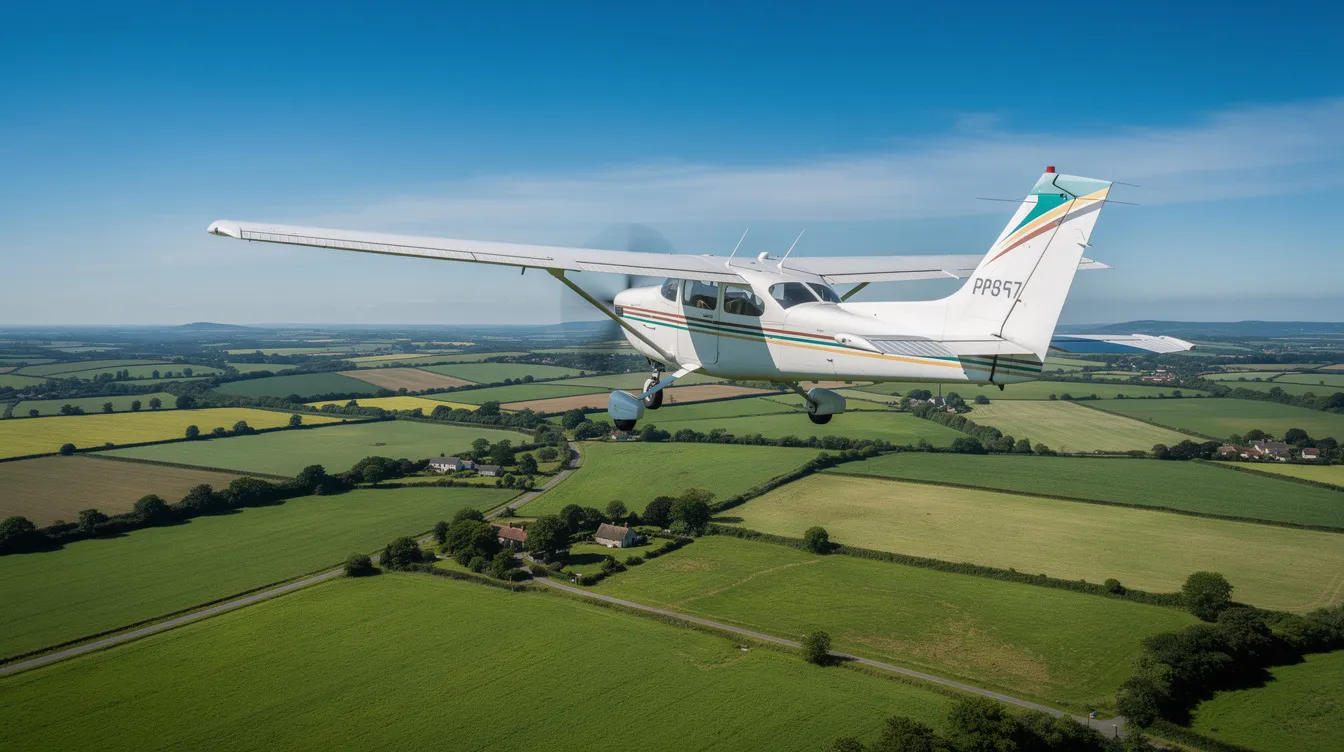
Private pilots can earn money legally, but only under specific and regulated circumstances, primarily outlined in 14 CFR 61.113. They may share flight costs with passengers, conduct business-related flights, participate in charity events, and engage in activities like towing gliders or performing demo flights for aircraft sales, among others. However, substantial income typically requires a commercial pilot license, which opens up more paid flying opportunities. While private pilots can offset costs through limited avenues, a commercial pilot certificate is essential for a stable and meaningful aviation career.
Read More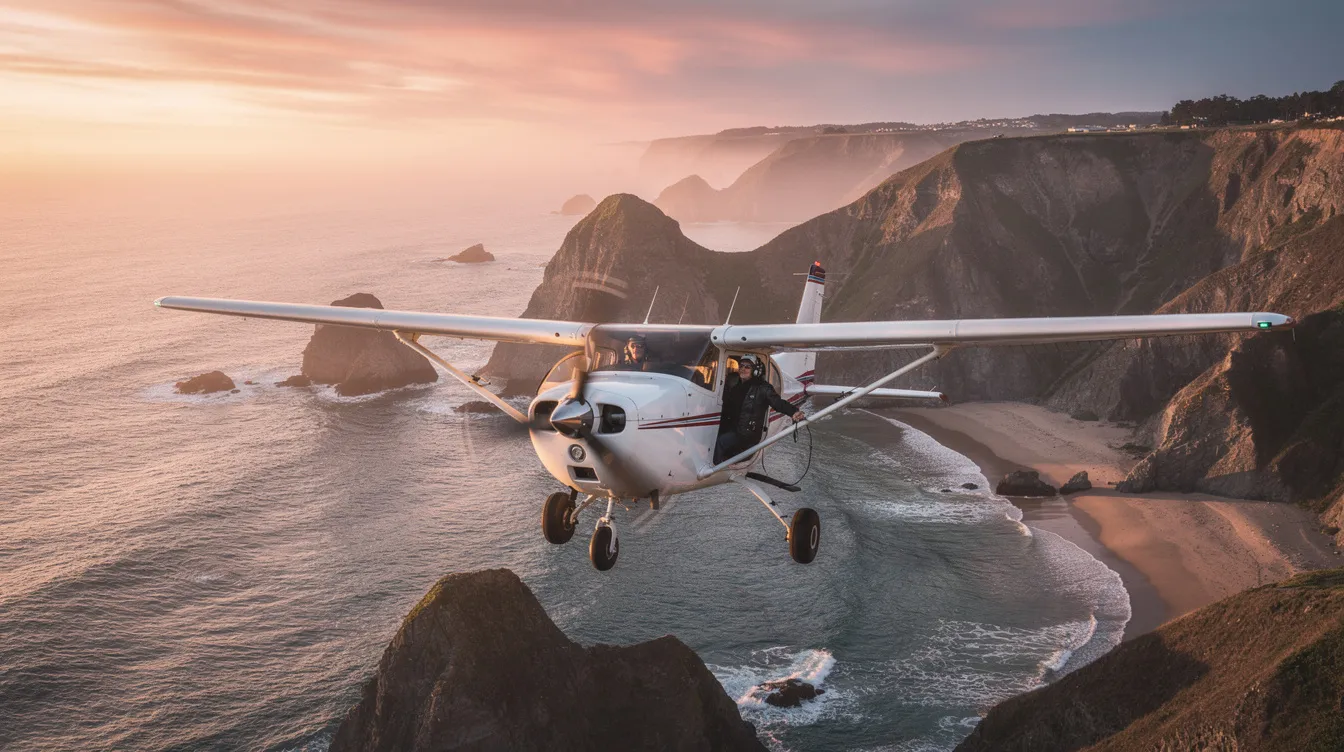
5
min read
What Can You Do with a Private Pilot License?
A Private Pilot License (PPL) allows holders to fly single-engine and some multi-engine aircraft for personal and business travel, carry passengers, and operate under Visual Flight Rules (VFR) in good weather. While pilots cannot fly for compensation, they can share operating expenses with passengers and enjoy various flying experiences, including scenic flights, cross-country trips, and volunteer missions. The PPL serves as a foundation for further aviation training, such as obtaining an instrument rating or a commercial pilot license. Additionally, many pilots complement their flying with private jet charters for longer or more complex trips, enhancing their travel flexibility.
Read MoreJoin our community and receive the latest blog updates directly in your inbox.
MEMBERSHIPS AND ASSOCIATIONS



Disclaimer: Jettly operates as a charter broker, offering access to a global digital jet charter marketplace. Jettly is not a direct air carrier and does not own or operate aircraft. All advertised flights are conducted by third-party air carriers that are fully licensed and hold the appropriate Part 135 or Part 121 certifications issued by the Federal Aviation Administration (FAA) or equivalent regulatory authorities under U.S. or foreign law. Jettly complies fully with the U.S. Department of Transportation's Part 295 and Part 298 Charter Broker regulations. Jettly does not carry additional liability insurance. Passengers are covered by aircraft operator insurance. TICO: 50023770


