



Login
Get Instant Pricing On 23,000+ Aircraft

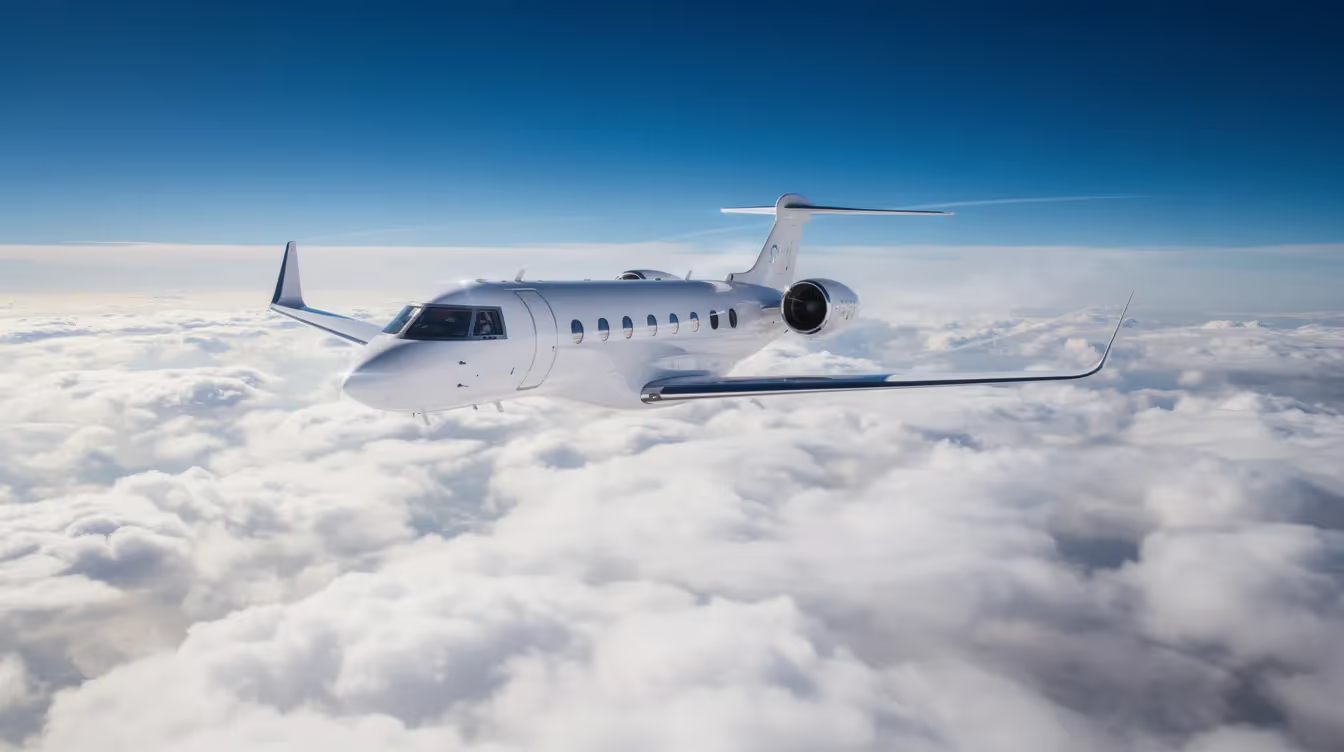
In 2026, travelers are increasingly considering private jets over commercial flights due to rising delays and a demand for flexibility, with the private jet charter market projected to reach $35 billion. Key factors influencing the decision include time, cost, comfort, privacy, and flexibility, with private jets offering significant time savings and a more personalized experience, especially for groups of 4-8 where costs can rival business-class fares. While commercial flights remain more affordable per seat, private aviation provides advantages such as access to smaller airports, reduced security hassles, and the ability to customize itineraries. Ultimately, the choice between private and commercial travel depends on individual priorities, including budget, travel style, and specific trip requirements.
Jay Franco Serevilla
Apr 13, 2026
|
5
min read



View all
Oman hosts U.S. military access through key facilities like RAFO Thumrait, Masirah Island Airbase, and Duqm Port, but does not have sovereign U.S. bases. This strategic partnership enhances regional security and logistics while maintaining Omani sovereignty. Travelers can utilize civil airports in Muscat and Salalah for access, with private jet services available through Jettly.
Jay Franco Serevilla
Oct 19, 2026
|
5
min read
View all
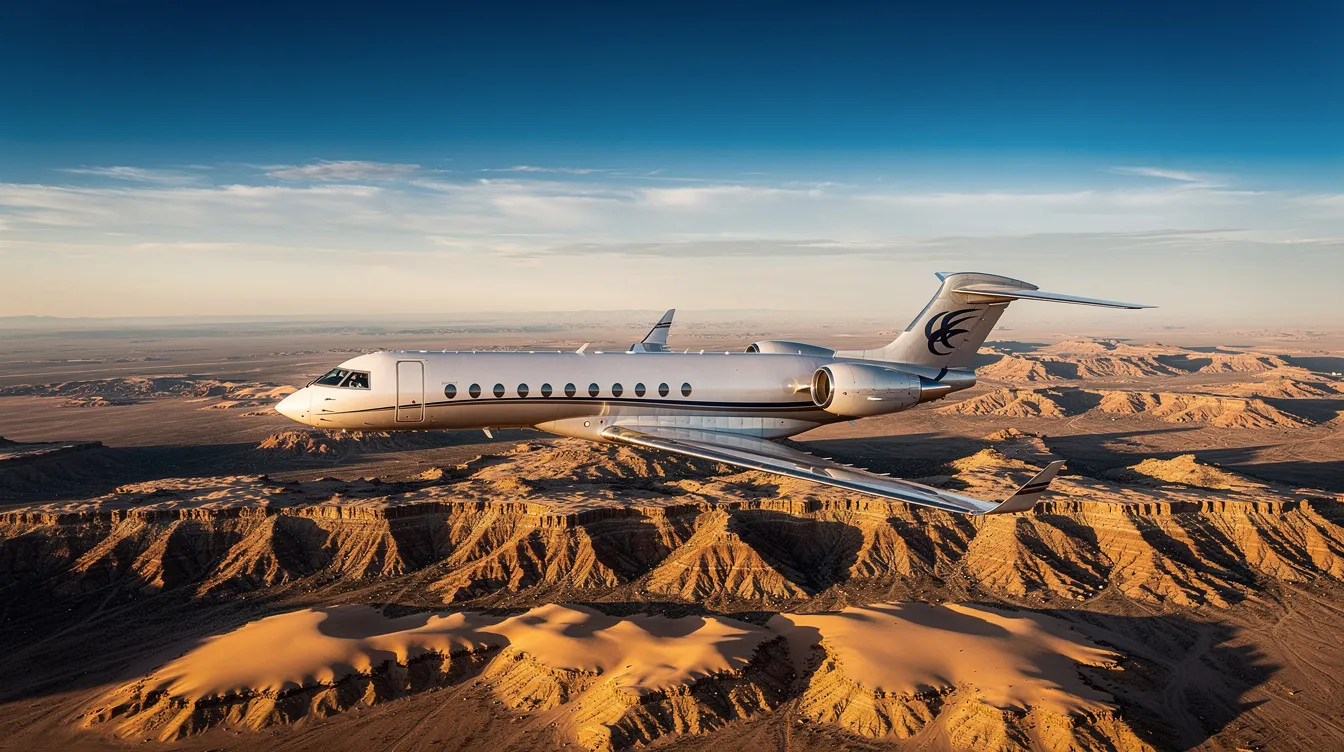
Chartering a private jet from NYC to Vegas offers unmatched convenience and comfort, with flight times of 5 to 6 hours. Prices range from $28,000 to $70,000, depending on the aircraft type and travel dates. Jettly provides a marketplace with over 20,000 aircraft, ensuring travelers can find the perfect jet for their needs.
Jay Franco Serevilla
Oct 19, 2026
|
5
min read
View all
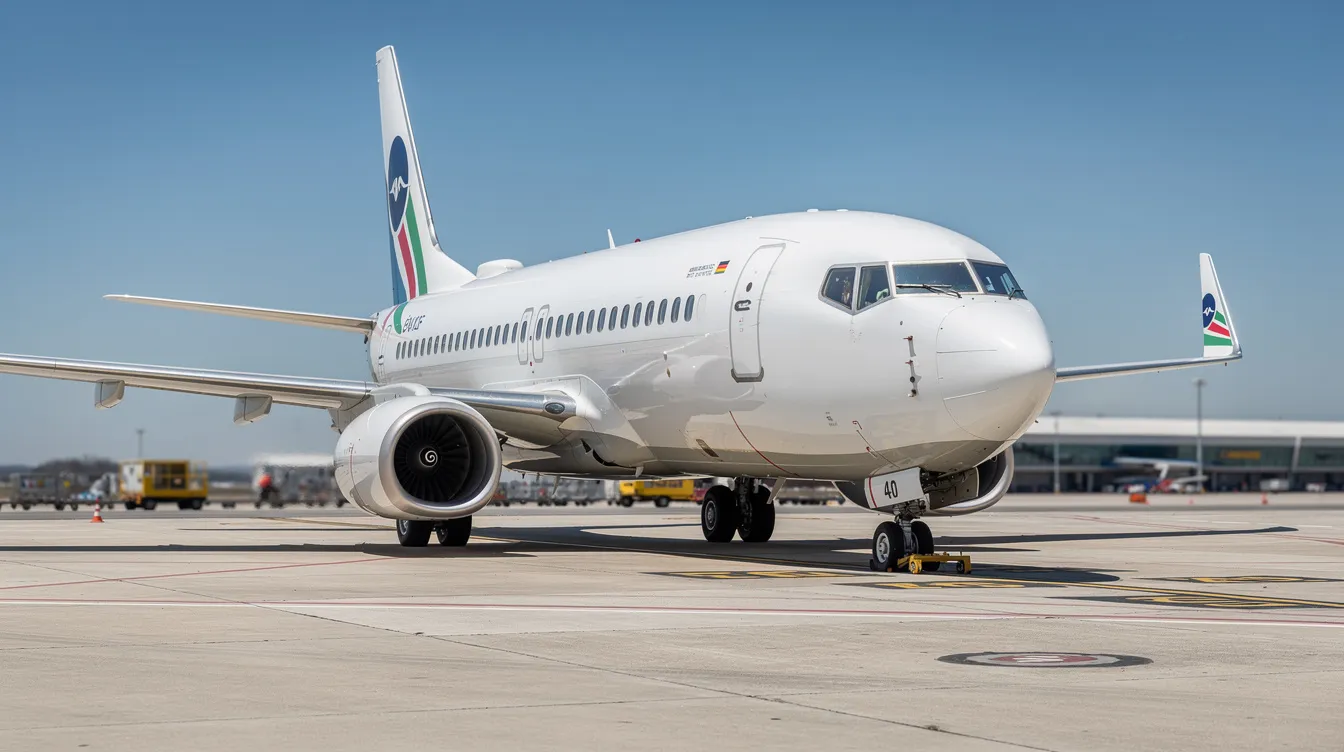
The Boeing 737-700 boasts a strong safety record since its introduction in 1998, distinct from the 737 MAX series. Governed by the FAA and other global regulators, its safety is maintained through rigorous inspections and operator compliance. Passengers can trust the 737-700 for both commercial and private charters, as it lacks the controversial MCAS system found in the MAX models.
Jay Franco Serevilla
Oct 17, 2026
|
5
min read
View all
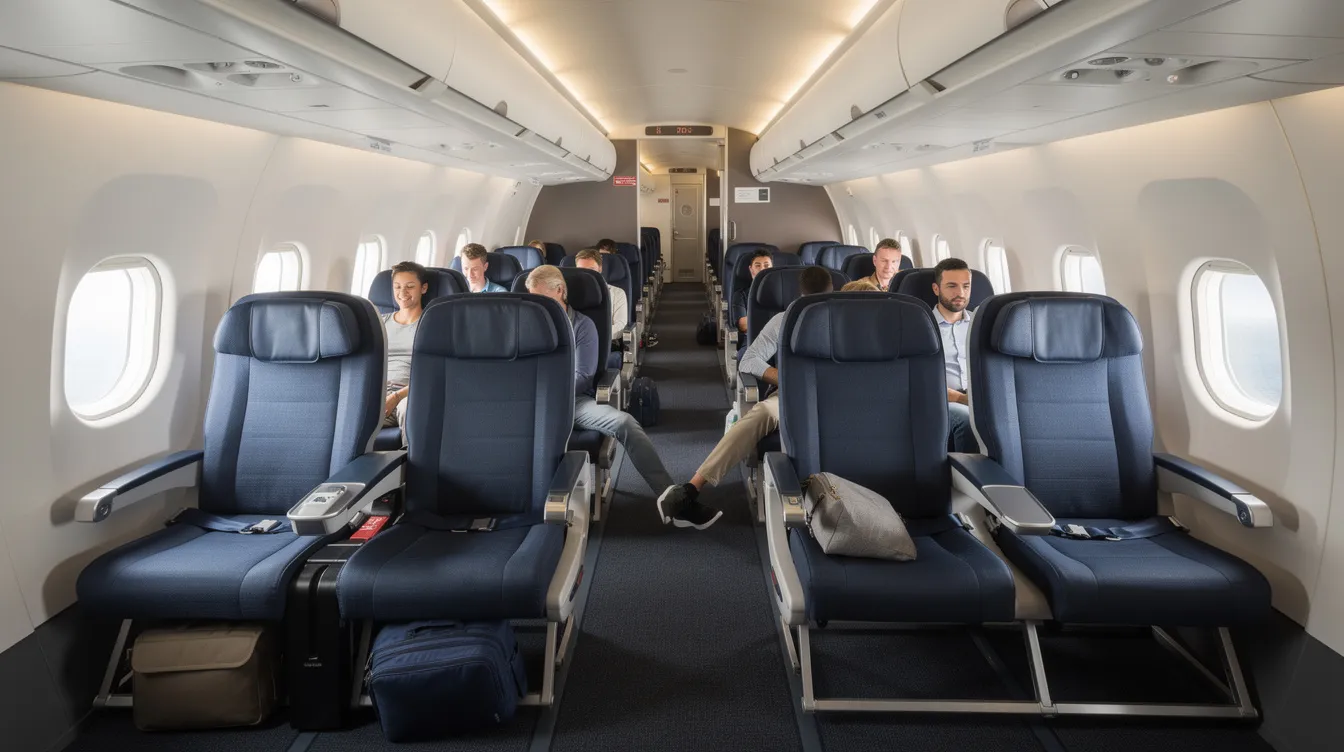
Navigating the Delta Comfort Plus seating chart can enhance your travel experience by providing extra legroom and amenities. This guide details how to choose the best seats, understand aircraft layouts, and when to consider private jet charters for more comfort. Discover the benefits of Comfort Plus and how it compares to other classes, ensuring you arrive at your destination refreshed.
Jay Franco Serevilla
Oct 17, 2026
|
5
min read
View all
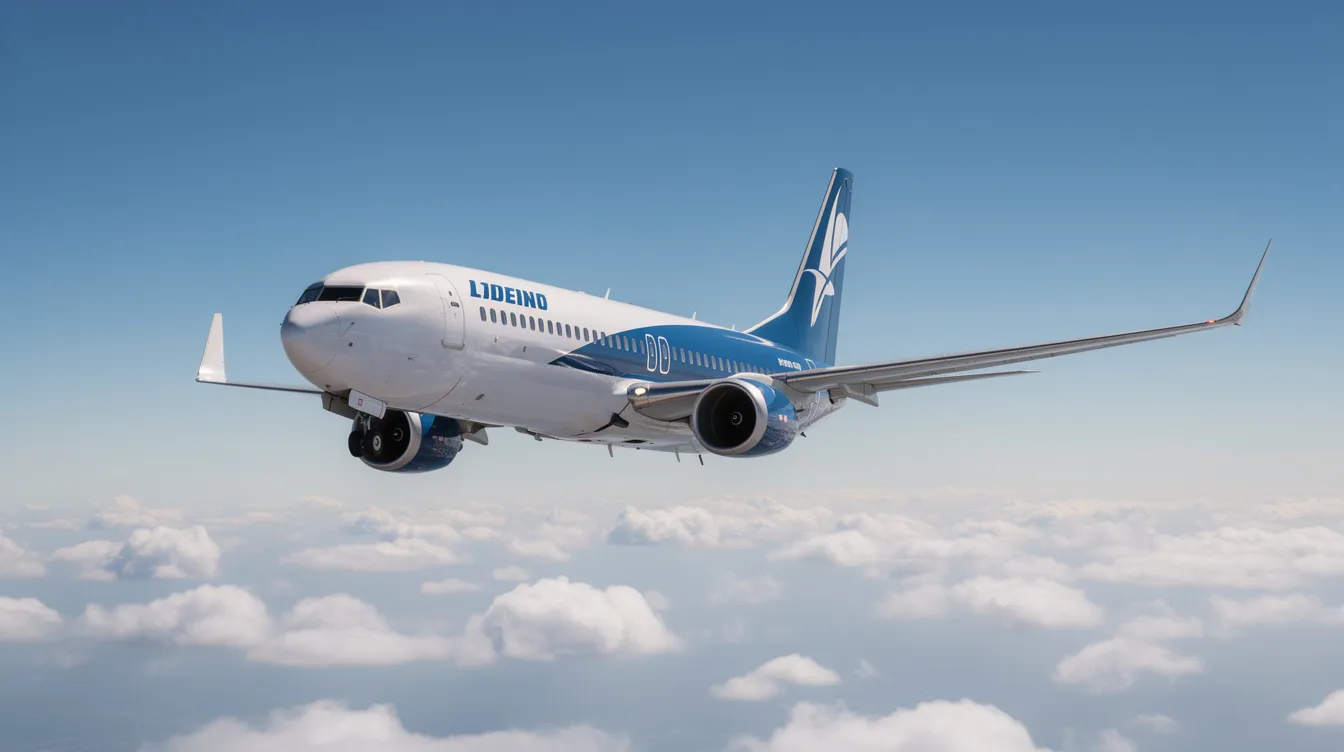
The Boeing 737-800 is a leading narrowbody airliner known for its maximum speed of Mach 0.82, translating to approximately 620-630 mph. In practice, it typically cruises at Mach 0.78-0.79, balancing speed and fuel efficiency for airlines and charter operators. With a range of about 2,935 nautical miles and seating for up to 189 passengers, it serves both commercial and private charter needs effectively.
Jay Franco Serevilla
Oct 17, 2026
|
5
min read
View all
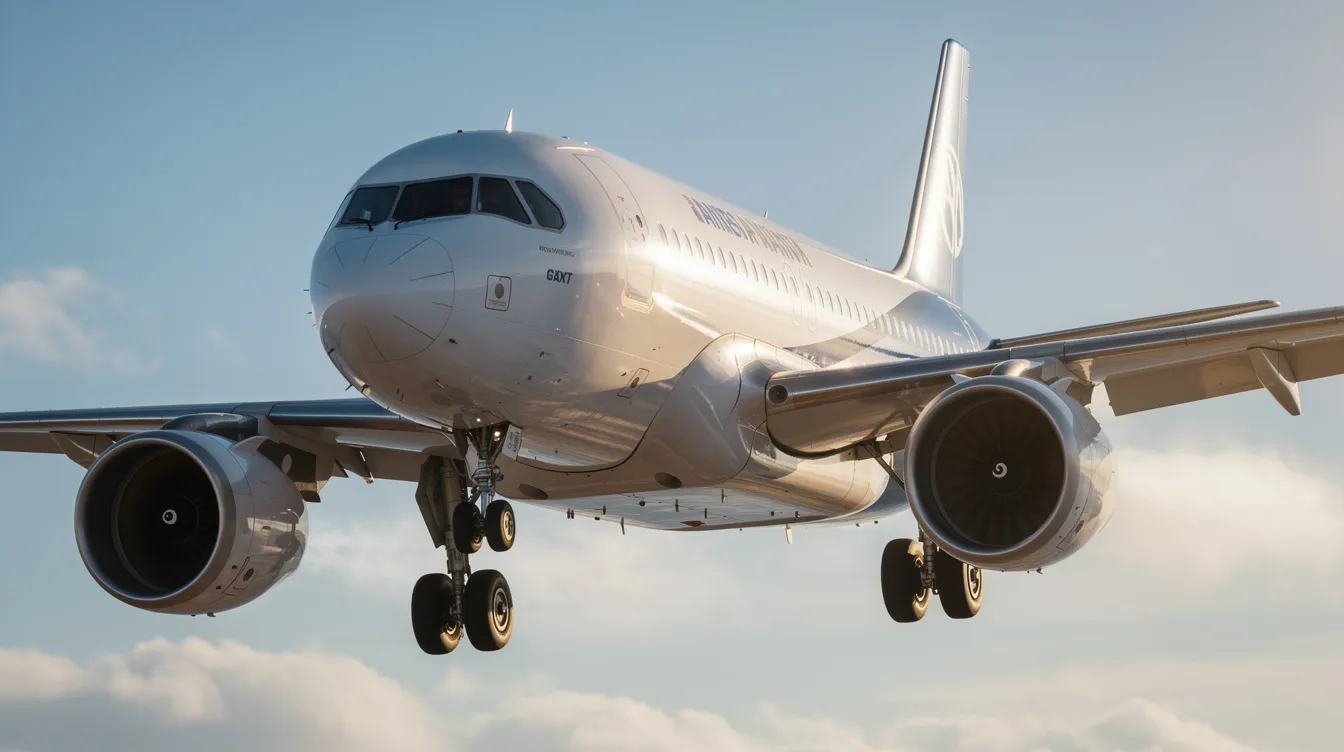
Golden State Flying Club in San Diego offers accessible flight training and affordable aircraft rental at Gillespie Field. With a focus on community and cost-effective learning, the club supports aspiring pilots through structured programs and experienced instructors. Members enjoy flexible scheduling and the opportunity to fly a well-maintained fleet of aircraft for both training and personal trips.
Jay Franco Serevilla
Oct 17, 2026
|
5
min read
Explore our latest articles and updates.
5
min read
Can You Take Cigarettes on an Airplane? (Commercial & Private Jet Rules)
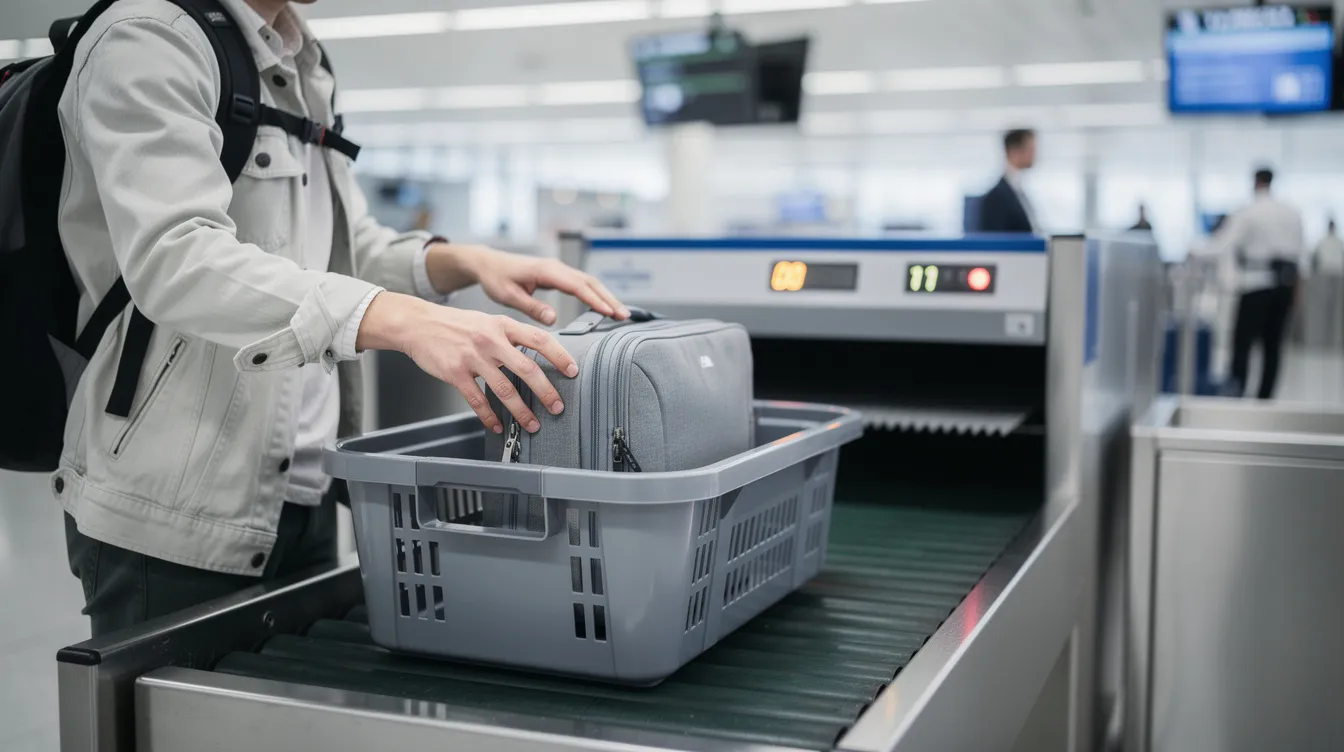
Cigarettes can be carried in both carry-on and checked luggage on most airlines, but smoking on commercial flights is strictly prohibited, with fines up to $4,000 for violations. While there are no domestic limits on the number of cigarettes for personal use in the U.S., international travel is subject to customs regulations, typically allowing around 200 cigarettes duty-free per adult, though this varies by country. Lighters, vapes, and other smoking accessories have stricter rules, often requiring them to be kept in carry-on luggage only. Private jet charters may allow smoking if permitted by the aircraft owner and operator, offering more flexibility compared to commercial flights.
Read More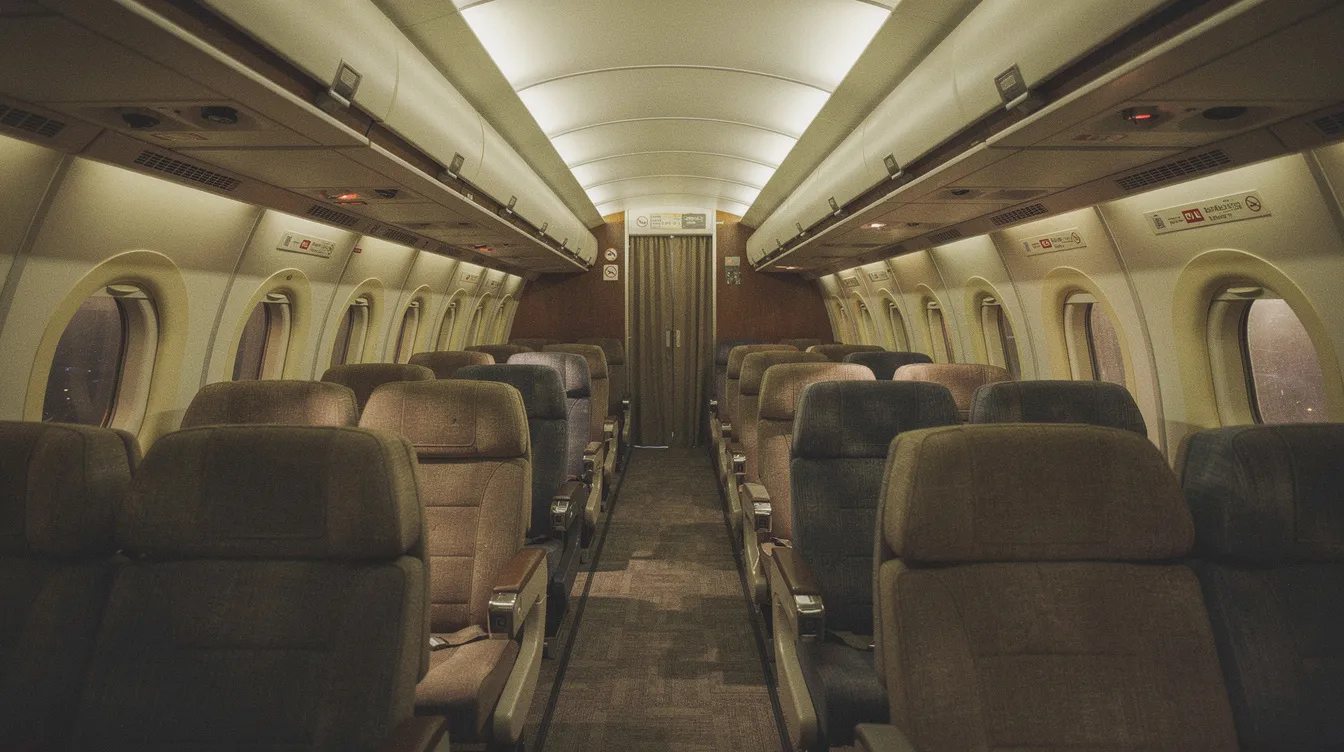
5
min read
When Was Smoking on Airplanes Banned? A Timeline for Commercial and Private Flights
Smoking on U.S. airplanes was gradually banned, starting with domestic flights under two hours in 1988 and culminating in a complete federal ban on June 4, 2000. This movement was driven by health and safety concerns, particularly regarding secondhand smoke and fire risks, despite resistance from the tobacco industry. By the early 2000s, most commercial airlines worldwide had adopted similar smoking bans, leading to a universal expectation of smoke-free flights. Today, smoking and vaping are prohibited on nearly all commercial and private flights, reflecting a commitment to passenger safety and comfort.
Read MoreJoin our community and receive the latest blog updates directly in your inbox.
MEMBERSHIPS AND ASSOCIATIONS



Disclaimer: Jettly operates as a charter broker, offering access to a global digital jet charter marketplace. Jettly is not a direct air carrier and does not own or operate aircraft. All advertised flights are conducted by third-party air carriers that are fully licensed and hold the appropriate Part 135 or Part 121 certifications issued by the Federal Aviation Administration (FAA) or equivalent regulatory authorities under U.S. or foreign law. Jettly complies fully with the U.S. Department of Transportation's Part 295 and Part 298 Charter Broker regulations. Jettly does not carry additional liability insurance. Passengers are covered by aircraft operator insurance. TICO: 50023770


