


Login
Get Instant Pricing On 23,000+ Aircraft


The Robinson R66 is a light turbine helicopter designed for private travelers, commercial operators, and public safety agencies, marking Robinson Helicopter Company's first foray into turbine technology. With a capacity of five seats, powered by a Rolls-Royce RR300 engine, the R66 offers impressive performance metrics, including cruise speeds up to 125 knots and a range of approximately 350 nautical miles, all at lower operating costs compared to competitors. Its versatile design accommodates various missions, from private transport to law enforcement, and it features a dedicated cargo compartment for added utility. For those interested in accessing R66-class helicopters without ownership, Jettly provides a digital platform for on-demand charters, ensuring flexible and transparent pricing.
Jay Franco Serevilla
Apr 16, 2026
|
5
min read



View all
Finding the best time to buy international airline tickets to Europe can save travelers hundreds of dollars. Booking 3 to 7 months in advance typically yields the best prices, especially during shoulder seasons. This guide offers insights on timing, fare tracking, and alternative airports to maximize savings and flexibility.
Jay Franco Serevilla
Oct 7, 2026
|
5
min read

View all
Understanding when plane tickets get cheaper is essential for travelers looking to save on airfare. Generally, booking domestic flights 1 to 3 months in advance and international flights 2 to 8 months ahead yields the best prices. Factors like travel dates, day of the week, and seasonality significantly impact ticket costs, making it crucial to stay flexible and track fare changes.
Jay Franco Serevilla
Oct 7, 2026
|
5
min read

View all
Discover the truth behind the elusive 'Day of Cheap Flights' and learn how to consistently find the best flight deals. This guide highlights seasonal patterns, optimal booking windows, and effective search tools to help travelers save money on both commercial and private flights.
Jay Franco Serevilla
Oct 7, 2026
|
5
min read

View all
Discover the best times to fly to Italy for the lowest fares, from November to March, and learn how to find affordable flights. This guide also explores when private jet charters via Jettly can be a cost-effective alternative for groups and last-minute trips.
Jay Franco Serevilla
Oct 7, 2026
|
5
min read

View all
Finding the best day of the week to buy plane tickets is a common query, but no single day guarantees the lowest fare. Mid-week days often show slightly lower fares, but factors like booking window and flight timing are more crucial for savings. This guide explores data-backed patterns and smart strategies for both commercial and private jet travel.
Jay Franco Serevilla
Oct 7, 2026
|
5
min read

View all
Discover the best strategies for booking flights to Hawaii and save money on your trip. This guide outlines optimal booking windows, travel periods, and tips for finding the best deals. Whether you're traveling for leisure or business, understanding these factors can help you secure the best airfare.
Jay Franco Serevilla
Oct 7, 2026
|
5
min read
Explore our latest articles and updates.
5
min read
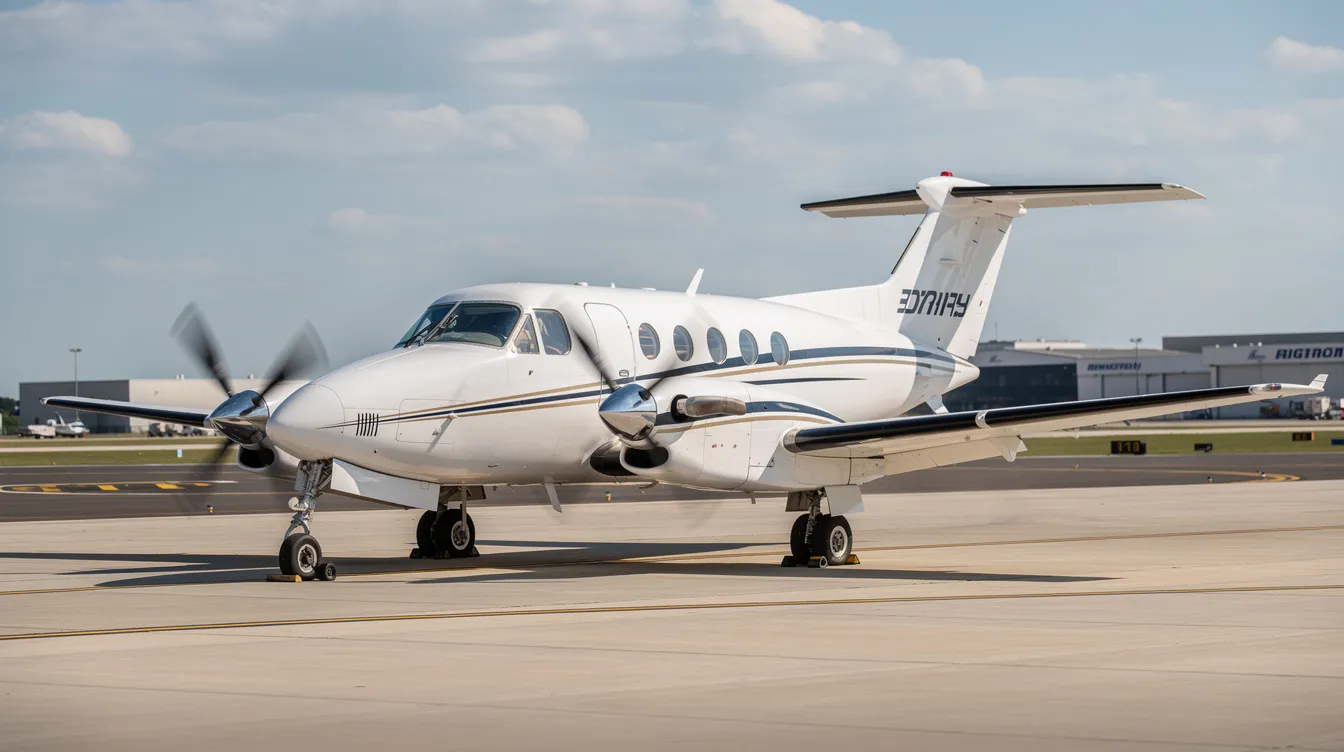
Beechcraft King Air F90 Overview
The Beechcraft King Air F90, produced from 1979 to 1985, is a high-performance twin-engine turboprop that seats 6 to 8 passengers and offers a cruise speed of up to 265 knots with a range of 1,200 to 1,600 nautical miles. It is well-regarded for its efficiency, short-field capability, and comfort, making it suitable for corporate shuttles, regional charters, and medical evacuations. Although no longer in production, the F90 remains popular in the charter market due to its lower operating costs compared to light jets and its ability to access smaller airports. Jettly provides a digital platform for booking the King Air F90 and similar turboprops, offering transparent pricing and flexible charter options.
Read More
5
min read
Dan Jones International Airport (T51) – Private Jet Guide
Dan Jones International Airport (T51) is a privately owned, public-use general aviation airport located near Cypress, Texas, catering primarily to private pilots and charter operators. With a single 3,440-foot runway, it supports light aircraft, turboprops, and select very light jets, making it a convenient alternative for business travelers looking to avoid congestion at larger Houston airports. The airport facilitates around 7,800 annual aircraft operations and offers minimal terminal facilities, but its proximity to key communities allows for quick access and efficient travel. Jettly provides a digital marketplace for booking private charters to and from T51, emphasizing flexibility and transparent pricing for travelers.
Read MoreJoin our community and receive the latest blog updates directly in your inbox.
MEMBERSHIPS AND ASSOCIATIONS



Disclaimer: Jettly operates as a charter broker, offering access to a global digital jet charter marketplace. Jettly is not a direct air carrier and does not own or operate aircraft. All advertised flights are conducted by third-party air carriers that are fully licensed and hold the appropriate Part 135 or Part 121 certifications issued by the Federal Aviation Administration (FAA) or equivalent regulatory authorities under U.S. or foreign law. Jettly complies fully with the U.S. Department of Transportation's Part 295 and Part 298 Charter Broker regulations. Jettly does not carry additional liability insurance. Passengers are covered by aircraft operator insurance. TICO: 50023770


