


Login
Get Instant Pricing On 23,000+ Aircraft

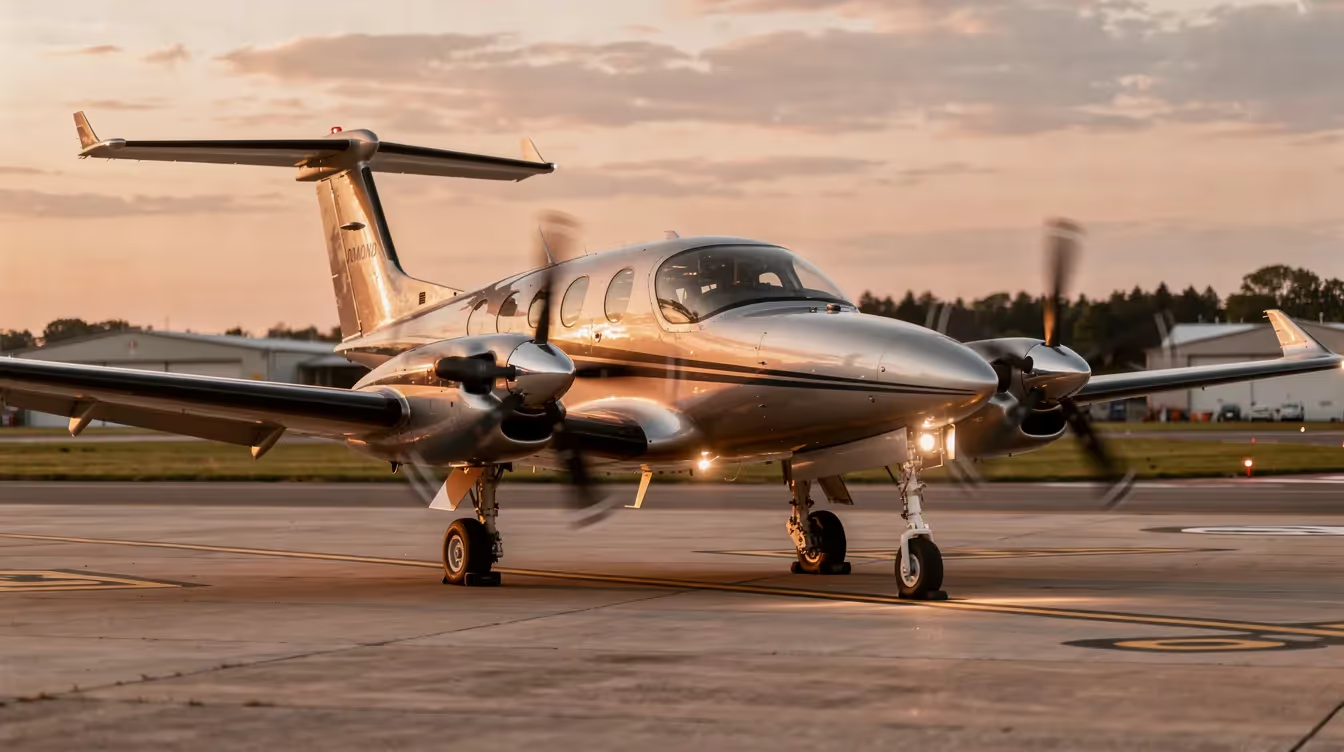
The Diamond DA62 is a modern twin-engine piston aircraft designed for private ownership and charter, offering seven seats and efficient performance since its introduction in 2015. Powered by twin 180 hp diesel engines, it boasts a max cruise speed of 192 KTAS and a range of approximately 1,280 nm, making it ideal for regional trips. Its composite construction enhances safety and comfort, while features like gull-wing doors and a spacious cabin cater to both business and family travelers. The DA62's fuel efficiency and lower operating costs compared to single-engine aircraft and light jets make it a compelling choice for those seeking a reliable and versatile private aviation solution.
Jay Franco Serevilla
Apr 16, 2026
|
5
min read


View all
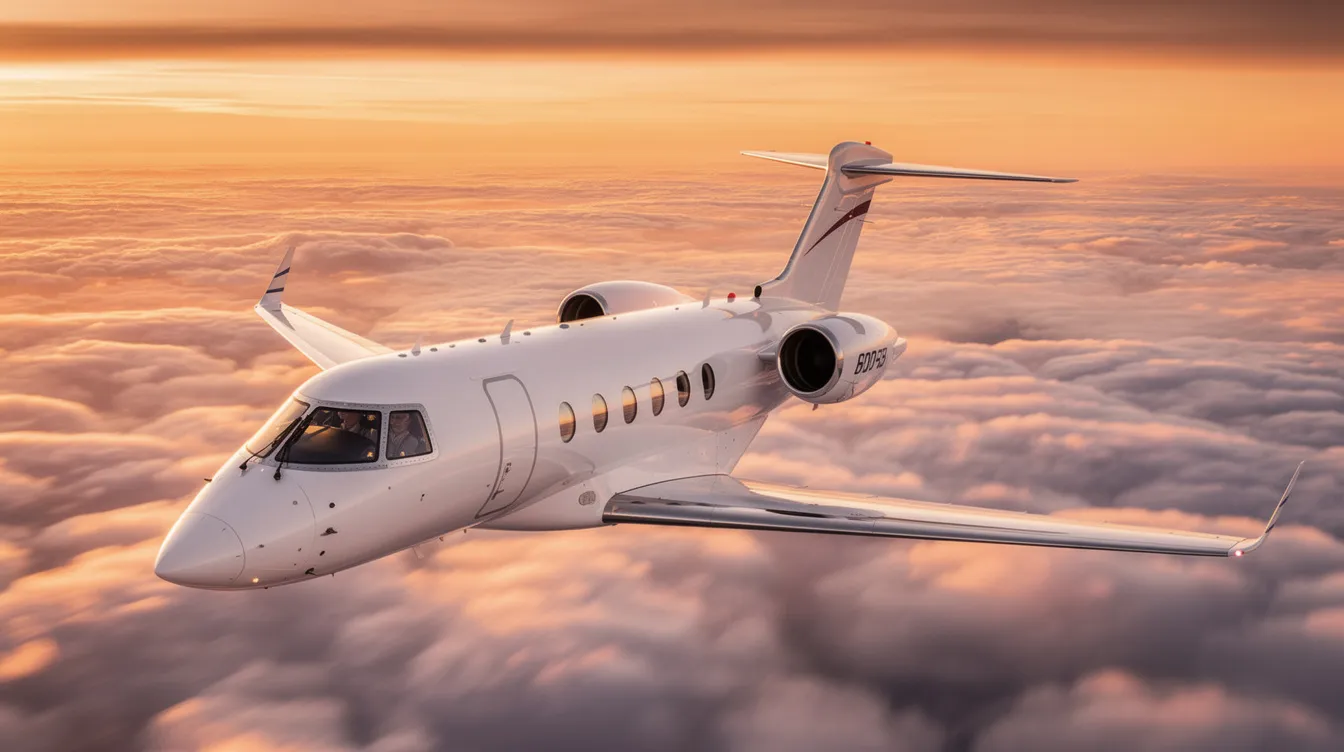
The Dassault Falcon 100 is a light-to-midsize business jet known for its speed and operational efficiency, ideal for short-to-medium-range travel. Produced from 1983 to 1989, it features a compact cabin accommodating up to six passengers and advanced avionics for its time. Despite its age, the Falcon 100 remains popular in the charter market, offering flexibility and access to smaller airports.
Jay Franco Serevilla
Sep 19, 2026
|
5
min read
View all
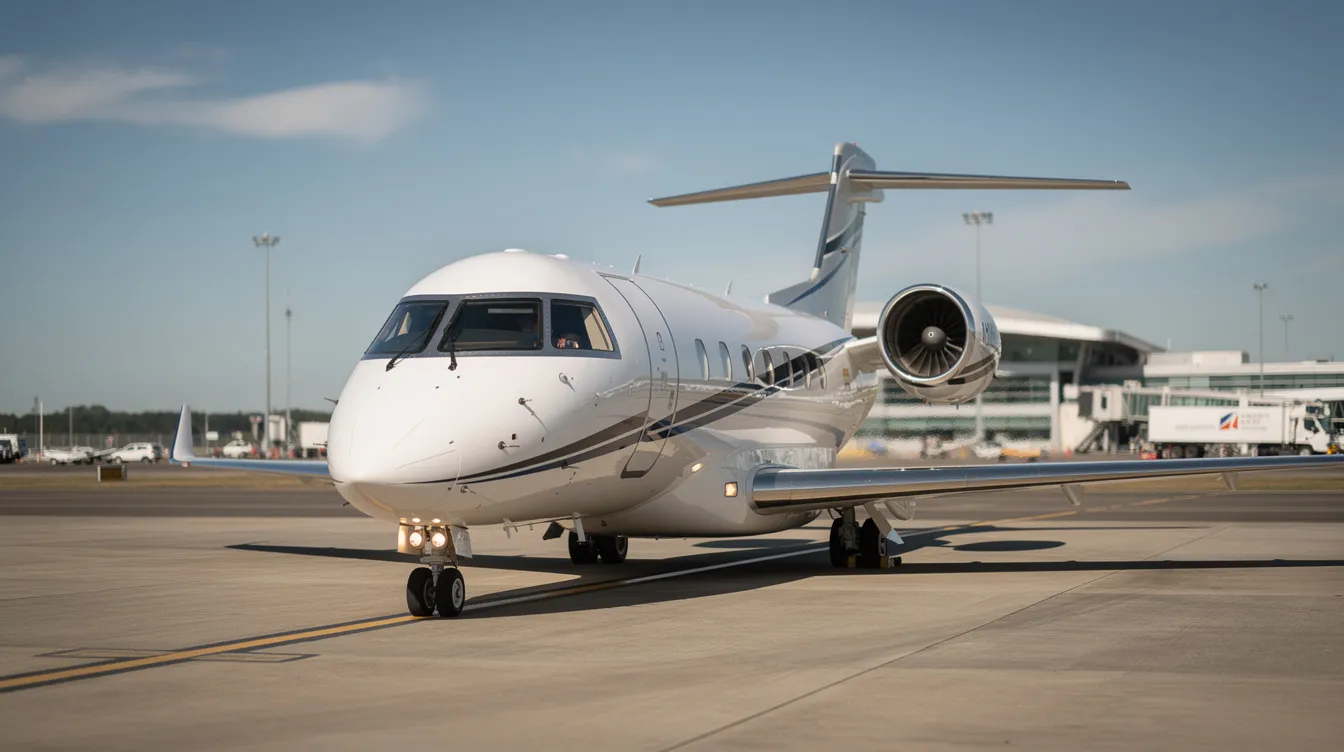
The Embraer Legacy 650 is a large-cabin business jet designed for long-range travel, accommodating up to 13 passengers with a range of 3,900 nautical miles. Ideal for transatlantic flights and corporate travel, it features a spacious three-zone cabin and advanced avionics for safety and efficiency. With its impressive baggage capacity and comfort, the Legacy 650 is a top choice for those seeking flexible private jet charters.
Jay Franco Serevilla
Sep 18, 2026
|
5
min read
View all
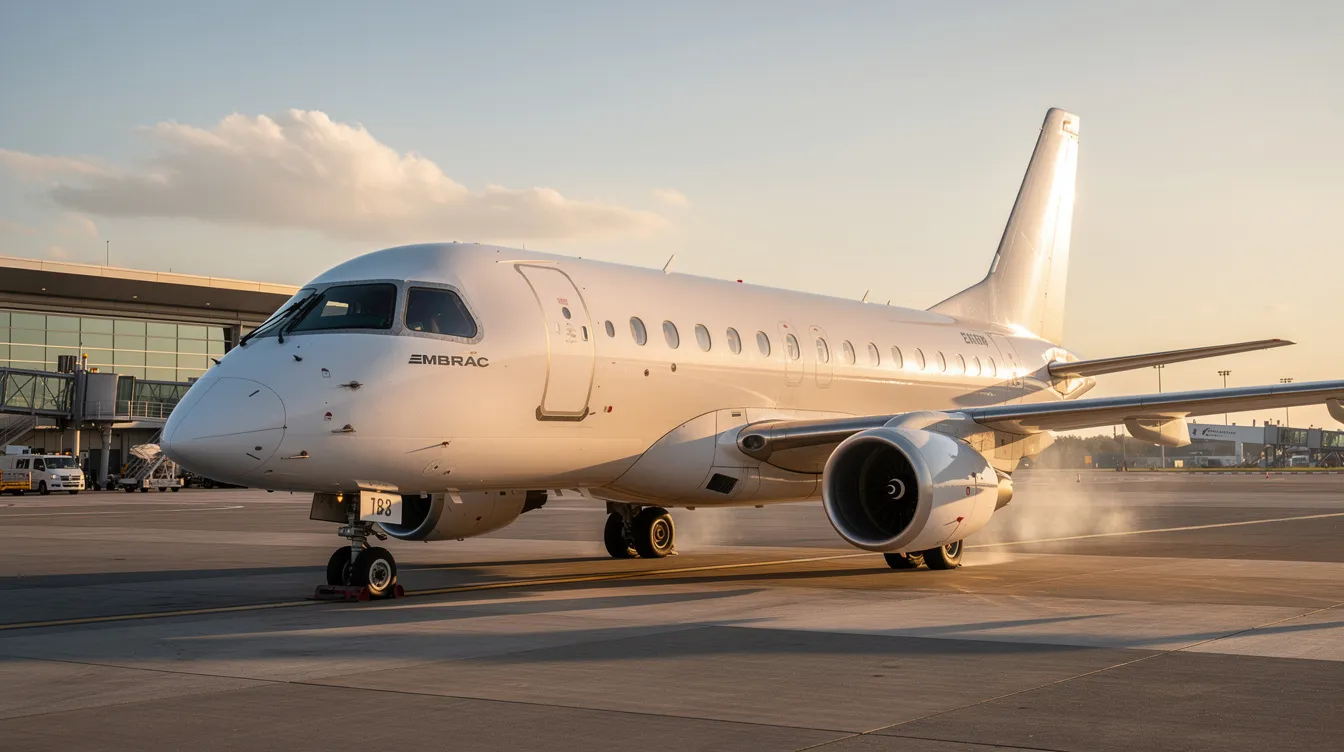
The Embraer 175 jet is a popular regional aircraft known for its comfort, performance, and safety. With a flexible cabin layout and advanced features, it caters to both business and leisure travelers. Ideal for charter services, the E175 efficiently connects secondary cities to major hubs, making it a cost-effective choice for group travel.
Jay Franco Serevilla
Sep 18, 2026
|
5
min read
View all
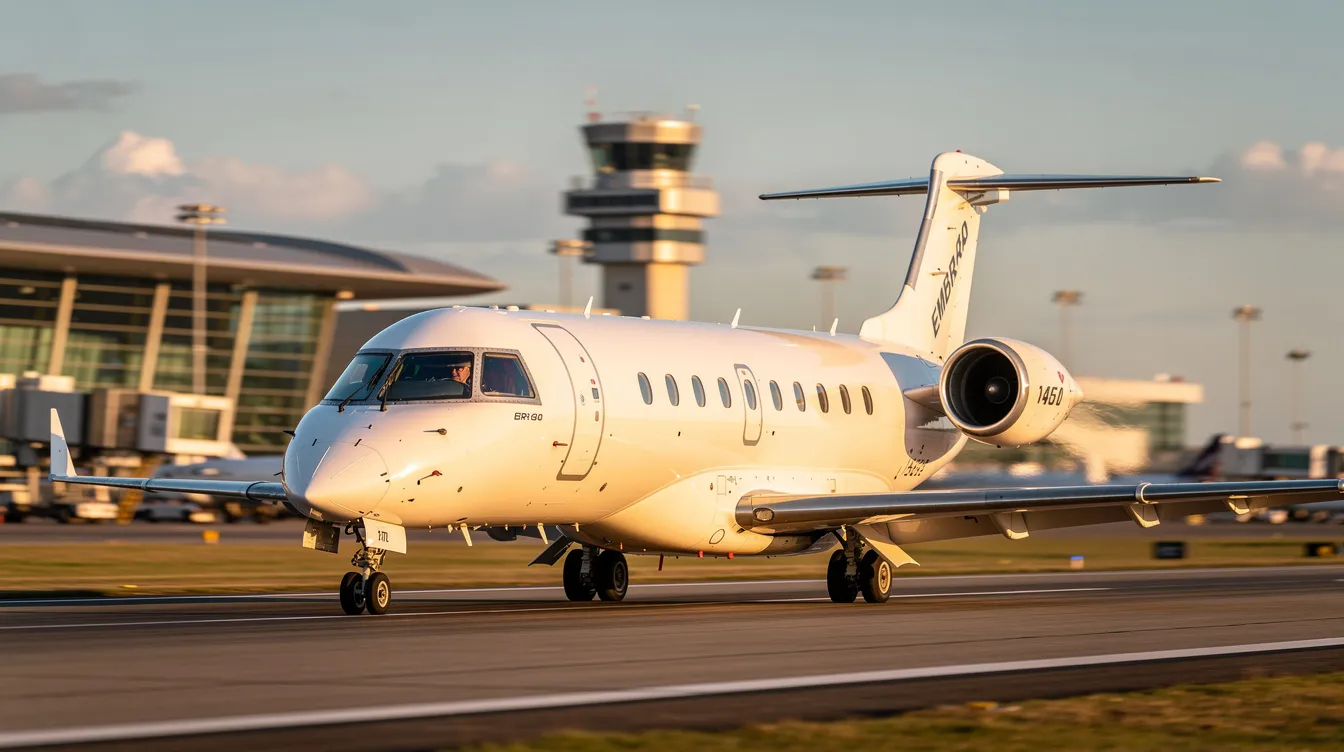
The Embraer ERJ 145 is a popular regional jet available in the pre-owned market, with prices ranging from $2.8 million to $4 million. This guide provides insights into the aircraft's specifications, market dynamics, and charter alternatives, making it essential for prospective buyers and aviation professionals. Understanding the ERJ 145's operating costs and value drivers is crucial for informed purchasing decisions.
Jay Franco Serevilla
Sep 18, 2026
|
5
min read

View all
Choosing the right billing model for private jet travel can save you thousands. For approximately 60 hours of flying annually, hours-based or occupied-hour billing typically offers the best value, providing predictable costs without the burden of fixed fees. This guide breaks down the differences between days-based, hours-based, and occupied-hour billing to help you make an informed decision.
Jeff Ryan Serevilla
Sep 17, 2026
|
5
min read

View all
Choosing the best private jet for business travel in 2025 and 2026 depends on specific mission profiles, passenger needs, and budget considerations. Top contenders include the Bombardier Global 7500 and Gulfstream G700 for ultra-long-range travel, while the Embraer Phenom 300E excels for regional trips. This guide helps decision-makers evaluate jets based on range, cabin productivity, and operating economics to find the ideal fit for their travel requirements.
Jeff Ryan Serevilla
Sep 17, 2026
|
5
min read
Explore our latest articles and updates.
5
min read
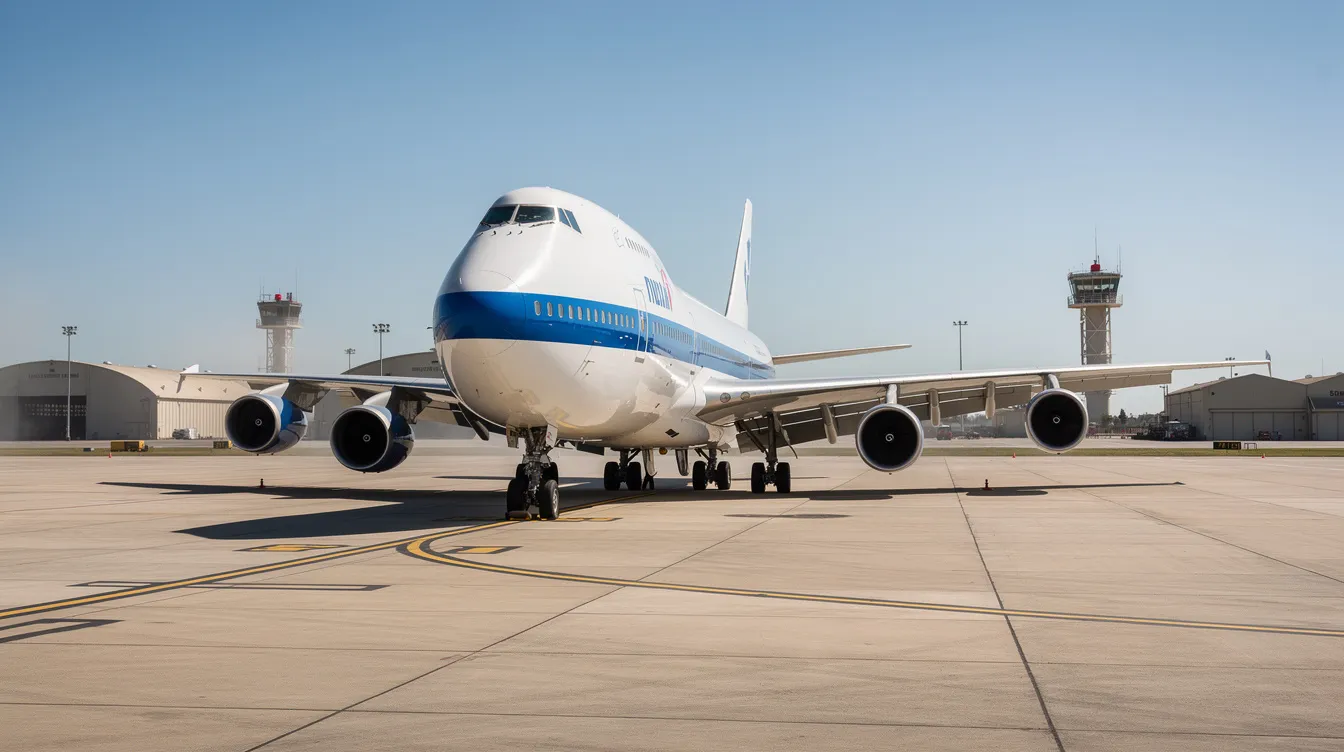
Inside US Air Force 1: A Detailed Look at America's Flying Oval Office
Air Force One, the iconic aircraft used by the U.S. president, is a modified Boeing 747-200B designed for security and functionality. With 4,000 square feet of space, it includes a presidential suite, a flying Oval Office, and advanced communication systems. This article explores its history, technical specifications, and how it compares to modern private aviation options.
Read More
5
min read
Best Cross Country Plane: From "Flying SUVs" to High-Performance Singles and Charter Alternatives
Choosing the best cross country plane hinges on your specific mission, whether it's family trips, business travel, or backcountry adventures. Key contenders include the Cirrus SR22 for speed, the Cessna Turbo Stationair HD for payload, and charter options for flexibility without ownership costs. Understanding your priorities in speed, range, and comfort is essential for making the right choice.
Read MoreJoin our community and receive the latest blog updates directly in your inbox.
MEMBERSHIPS AND ASSOCIATIONS



Disclaimer: Jettly operates as a charter broker, offering access to a global digital jet charter marketplace. Jettly is not a direct air carrier and does not own or operate aircraft. All advertised flights are conducted by third-party air carriers that are fully licensed and hold the appropriate Part 135 or Part 121 certifications issued by the Federal Aviation Administration (FAA) or equivalent regulatory authorities under U.S. or foreign law. Jettly complies fully with the U.S. Department of Transportation's Part 295 and Part 298 Charter Broker regulations. Jettly does not carry additional liability insurance. Passengers are covered by aircraft operator insurance. TICO: 50023770


