


Login
Get Instant Pricing On 23,000+ Aircraft

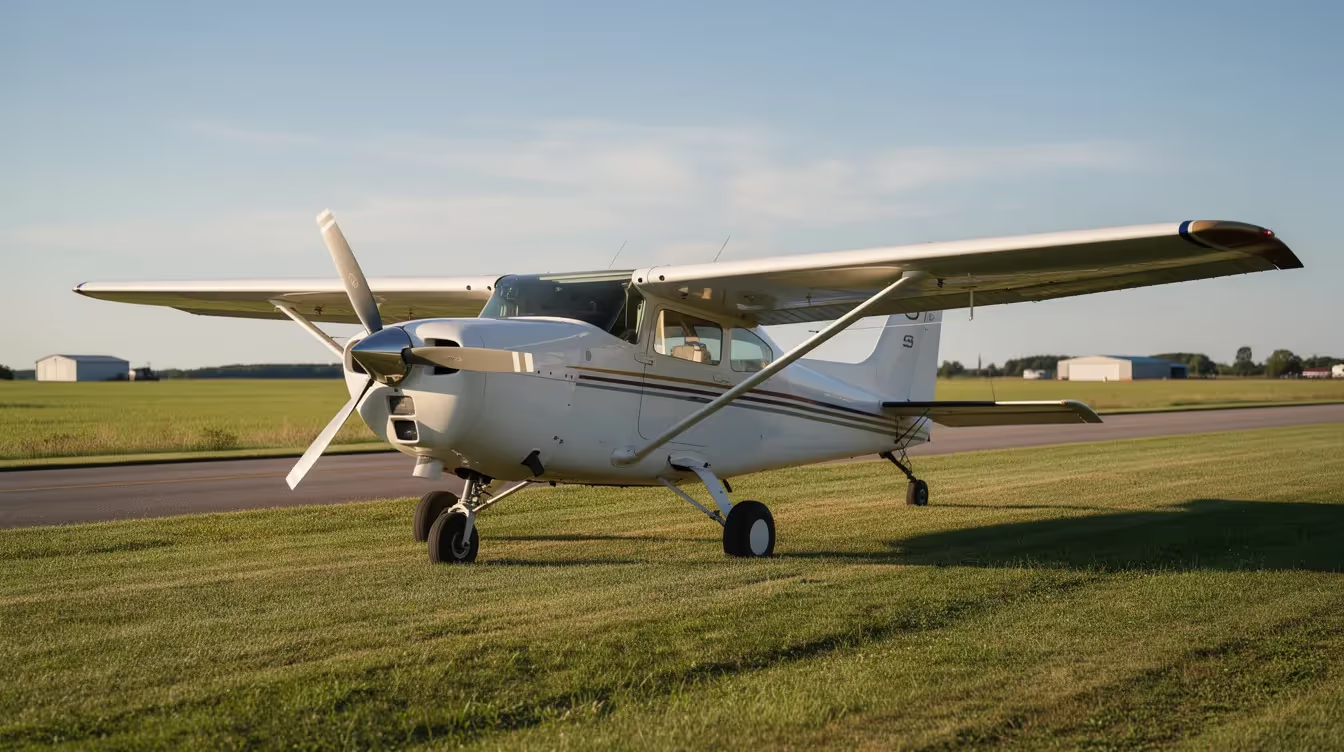
The Cessna 172B, a popular single-engine aircraft introduced in the 1960s, remains a favored choice for both new and experienced pilots due to its reliability and versatility. Listings for a 1961 Cessna 172B typically range from $59,000 to $100,000, influenced by factors such as engine hours and avionics upgrades. Buyers can opt for ownership, which incurs fixed costs like hangar fees and insurance, or choose charter services through platforms like Jettly, which offer flexible access to similar aircraft without the long-term commitments. This guide provides insights into specifications, pricing, and operational costs to help potential buyers or charter users make informed decisions in the private aviation market.
Jay Franco Serevilla
May 13, 2026
|
5
min read


View all
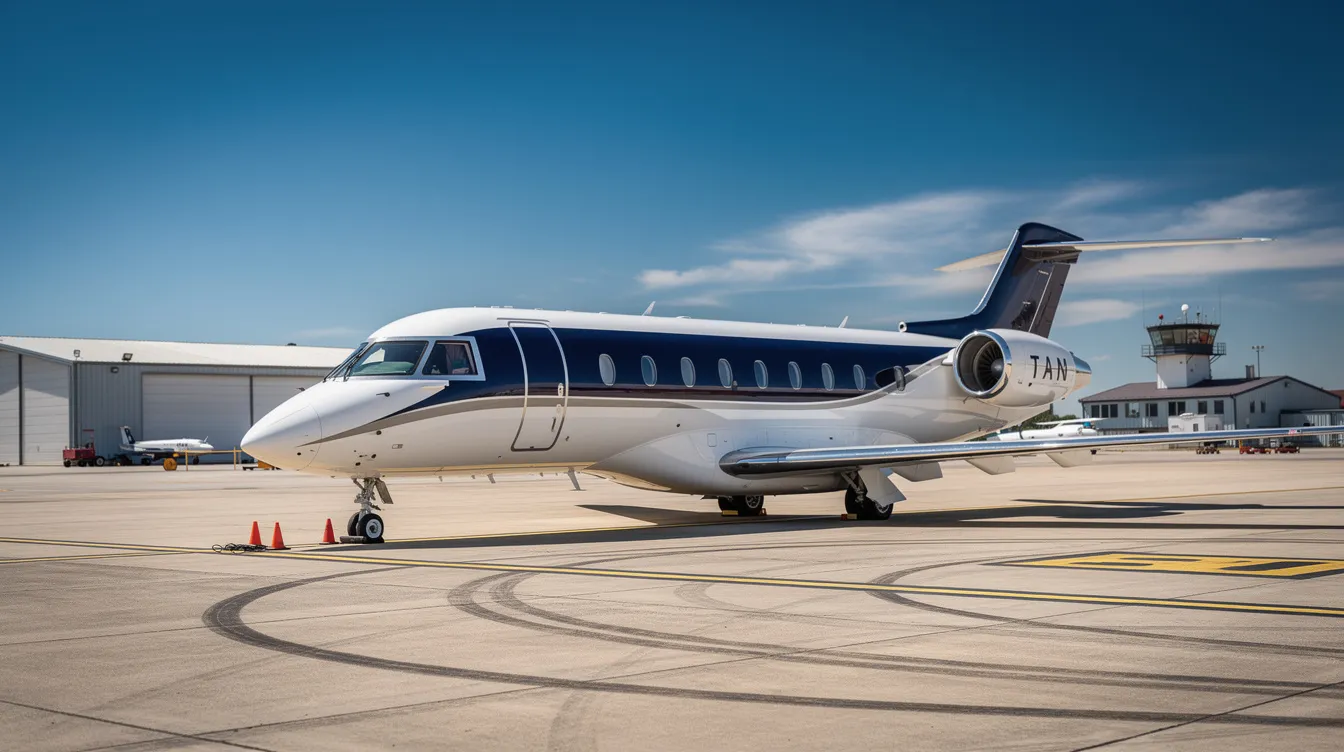
In 2026, private jet rental costs range from $2,000 to $24,000 per flight hour, influenced by aircraft type and route. This guide provides insights into hourly rates, hidden fees, and cost-saving strategies, helping travelers choose the best access model for their needs. Jettly's digital marketplace offers instant pricing and transparency for private jet bookings.
Jeff Ryan Serevilla
Oct 8, 2026
|
5
min read
View all
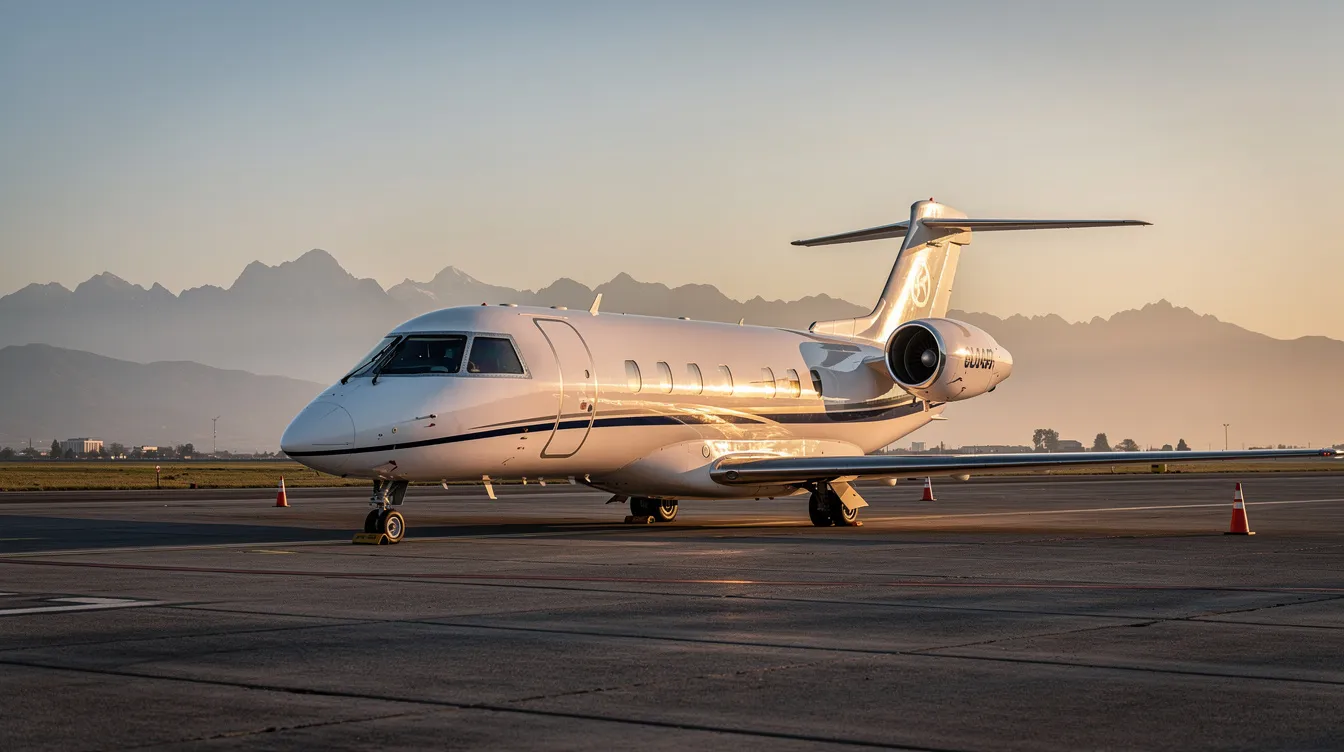
The Dassault Falcon 20F is a notable midsize business jet that played a crucial role in defining the charter category from the 1970s to the 1980s. While it offers a rich history and solid performance, modern jets surpass it in efficiency, comfort, and technology. Today, platforms like Jettly provide access to newer alternatives that better meet the needs of private travelers.
Jeff Ryan Serevilla
Oct 8, 2026
|
5
min read
View all
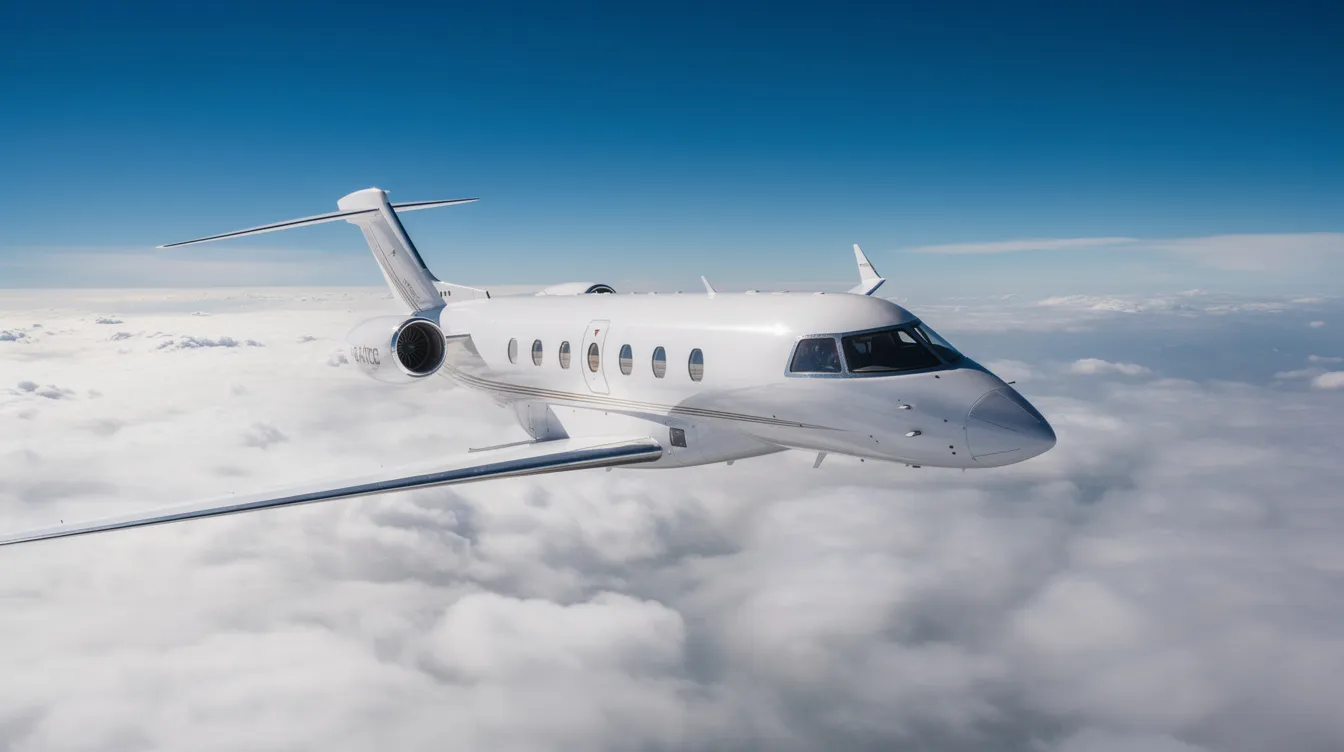
Discover the fastest non-military jet, the Bombardier Global 8000, which reaches speeds of Mach 0.94 and offers an intercontinental range of 8,000 nautical miles. This guide explores the importance of speed in private aviation, comparing top contenders and highlighting how Jettly connects travelers with high-speed jets for efficient travel.
Jeff Ryan Serevilla
Oct 8, 2026
|
5
min read

View all
AVCARD is a versatile aviation fuel card from World Fuel, enabling operators to manage fuel purchases and operational expenses seamlessly at over 8,600 locations worldwide. It simplifies billing with detailed invoicing and supports various fuel types, making it essential for flight departments and charter operators. With no annual fee and integration with contract fuel programs, AVCARD enhances cost control and efficiency in aviation fuel procurement.
Jeff Ryan Serevilla
Oct 8, 2026
|
5
min read
View all
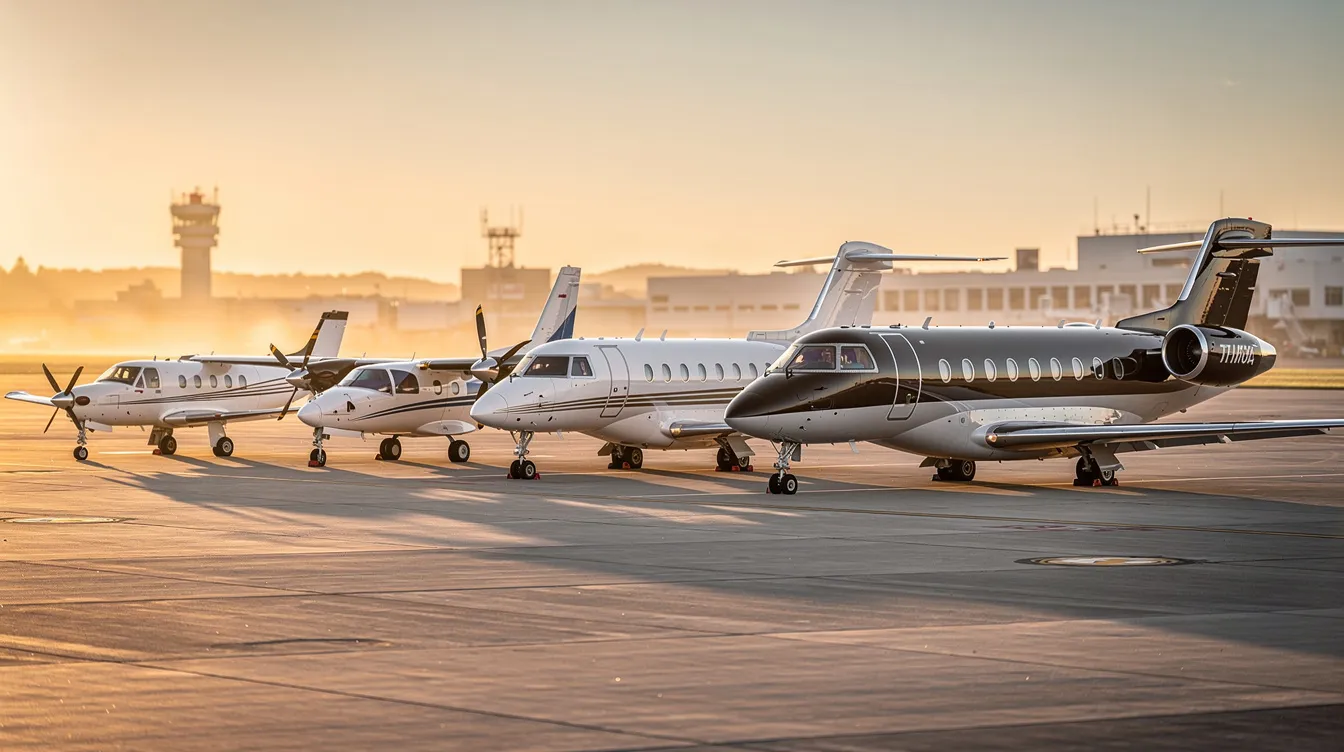
Understanding how much weight a plane can hold is crucial for safe flight operations. Each aircraft has a certified maximum takeoff weight (MTOW) that dictates its capacity for passengers, baggage, and fuel. This knowledge helps travelers and pilots make informed decisions about flight planning and safety.
Jeff Ryan Serevilla
Oct 8, 2026
|
5
min read
View all
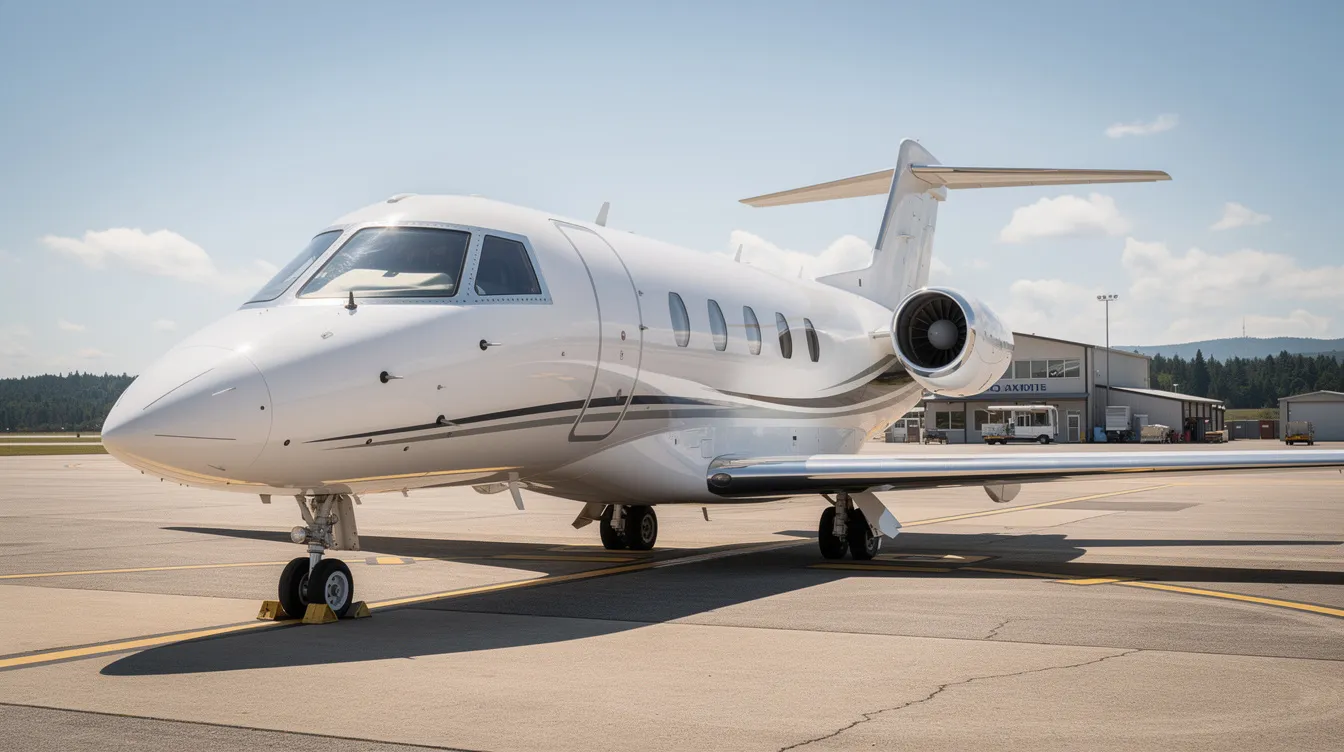
Empty leg flights are discounted private jet journeys that occur when a jet is repositioning without passengers. These flights offer travelers the luxury of private aviation at a fraction of the cost, typically 50% to 80% cheaper than standard charters. This guide explains how to find and book these flights, making private travel more accessible for those with flexible schedules.
Jeff Ryan Serevilla
Oct 8, 2026
|
5
min read
Explore our latest articles and updates.
5
min read
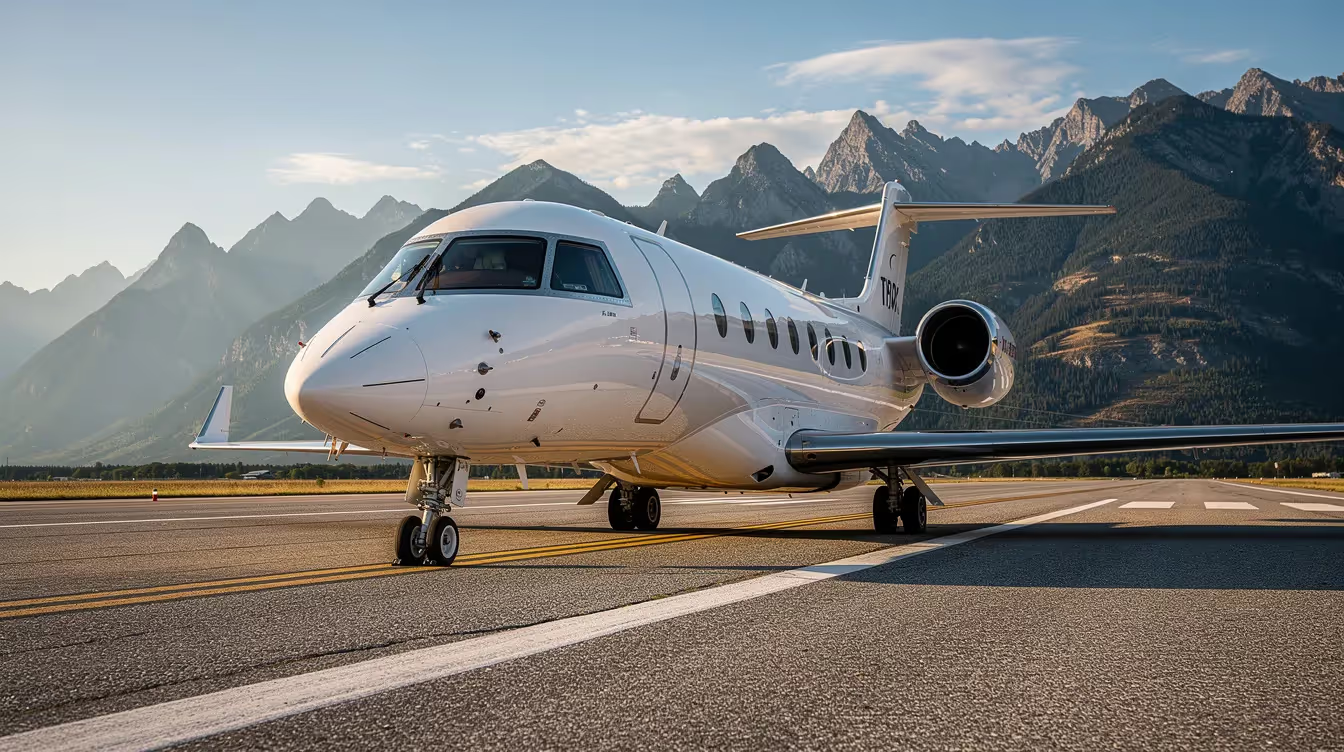
Types of Jet Engines: From Turbojets to Turbofans (and What Matters for Private Jets)
Understanding the various types of jet engines—such as turbojets, turbofans, turboprops, and turboshafts—is crucial for private jet travelers to make informed decisions about aircraft selection. Most modern private jets utilize high-bypass turbofan engines, which offer the best combination of fuel efficiency, range, and cabin comfort, while turboprops are ideal for shorter flights and smaller airports. Each engine type serves specific missions, with turbofans favored for commercial and business aviation, and turboprops for regional routes. By recognizing these distinctions, travelers can better evaluate their options and optimize their travel experience through platforms like Jettly.
Read More
5
min read
Private Jet Range: How Far Different Jets Can Really Fly
This guide outlines the range capabilities of various private jets, emphasizing the importance of understanding these ranges for efficient travel planning. Private jet range is affected by factors such as payload, weather, and routing, with real-world ranges typically 5-20% lower than manufacturer claims. Different classes of jets offer varying ranges, from very light jets covering 1,000-1,500 nautical miles to heavy jets reaching 4,000-7,700+ nautical miles. Jettly's digital platform simplifies the selection process by matching travelers with suitable aircraft based on their specific route and passenger needs.
Read MoreJoin our community and receive the latest blog updates directly in your inbox.
MEMBERSHIPS AND ASSOCIATIONS



Disclaimer: Jettly operates as a charter broker, offering access to a global digital jet charter marketplace. Jettly is not a direct air carrier and does not own or operate aircraft. All advertised flights are conducted by third-party air carriers that are fully licensed and hold the appropriate Part 135 or Part 121 certifications issued by the Federal Aviation Administration (FAA) or equivalent regulatory authorities under U.S. or foreign law. Jettly complies fully with the U.S. Department of Transportation's Part 295 and Part 298 Charter Broker regulations. Jettly does not carry additional liability insurance. Passengers are covered by aircraft operator insurance. TICO: 50023770


