


Login
Get Instant Pricing On 23,000+ Aircraft

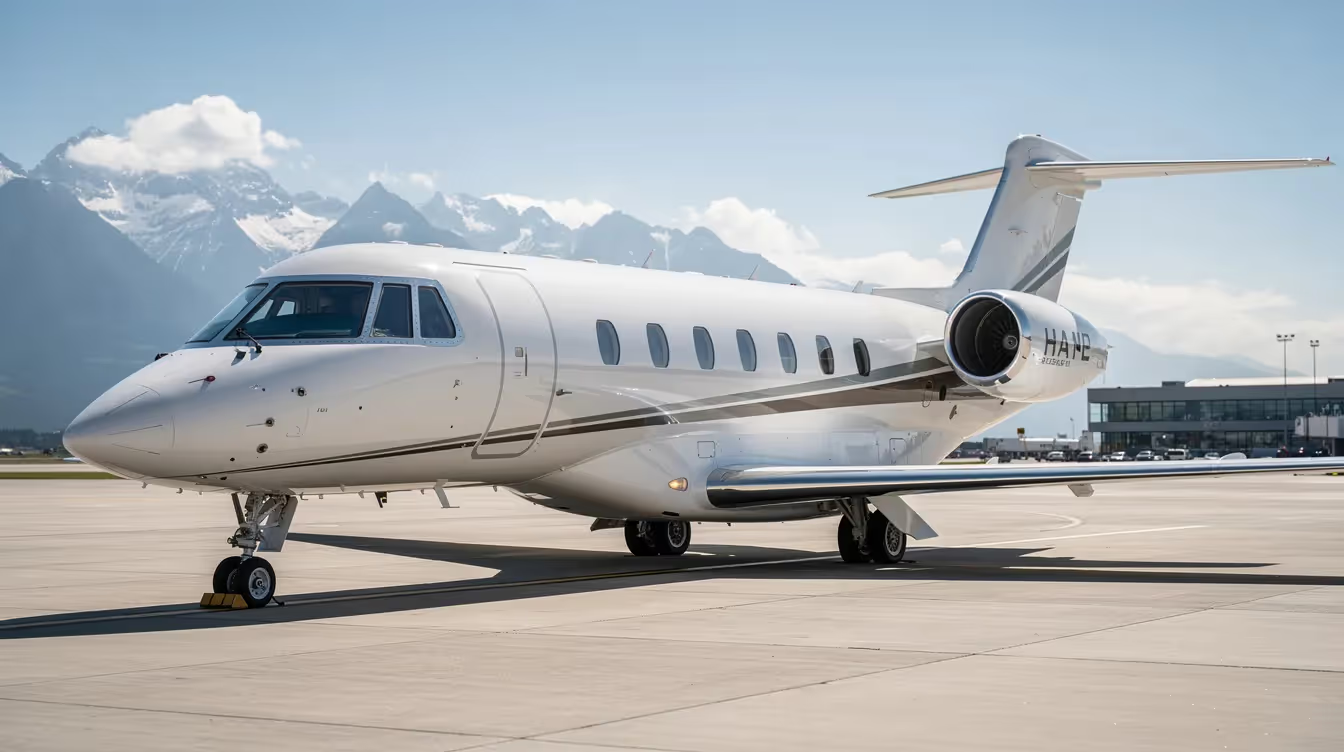
Private jet owners considering selling their aircraft can explore various alternatives to maintain access to private aviation without the burdens of full ownership. Options include on-demand charter services, jet card memberships, fractional ownership, and leasing arrangements, which can significantly reduce costs, especially for those flying under 200 hours annually. Jettly offers a flexible charter model that connects users to a global fleet, allowing for cost-effective travel without long-term commitments. By analyzing flight data and comparing alternatives, owners can make informed decisions that align with their current travel needs and financial goals.
Jay Franco Serevilla
Apr 22, 2026
|
5
min read



View all
The Wheels Up private jet center FBO at Cincinnati/Northern Kentucky International Airport has transitioned to PremierFBO, operated by Premier Private Jets since April 2025. This guide details the changes, current services, and booking processes for private aviation travelers using this key facility.
Jeff Ryan Serevilla
Sep 22, 2026
|
5
min read
View all
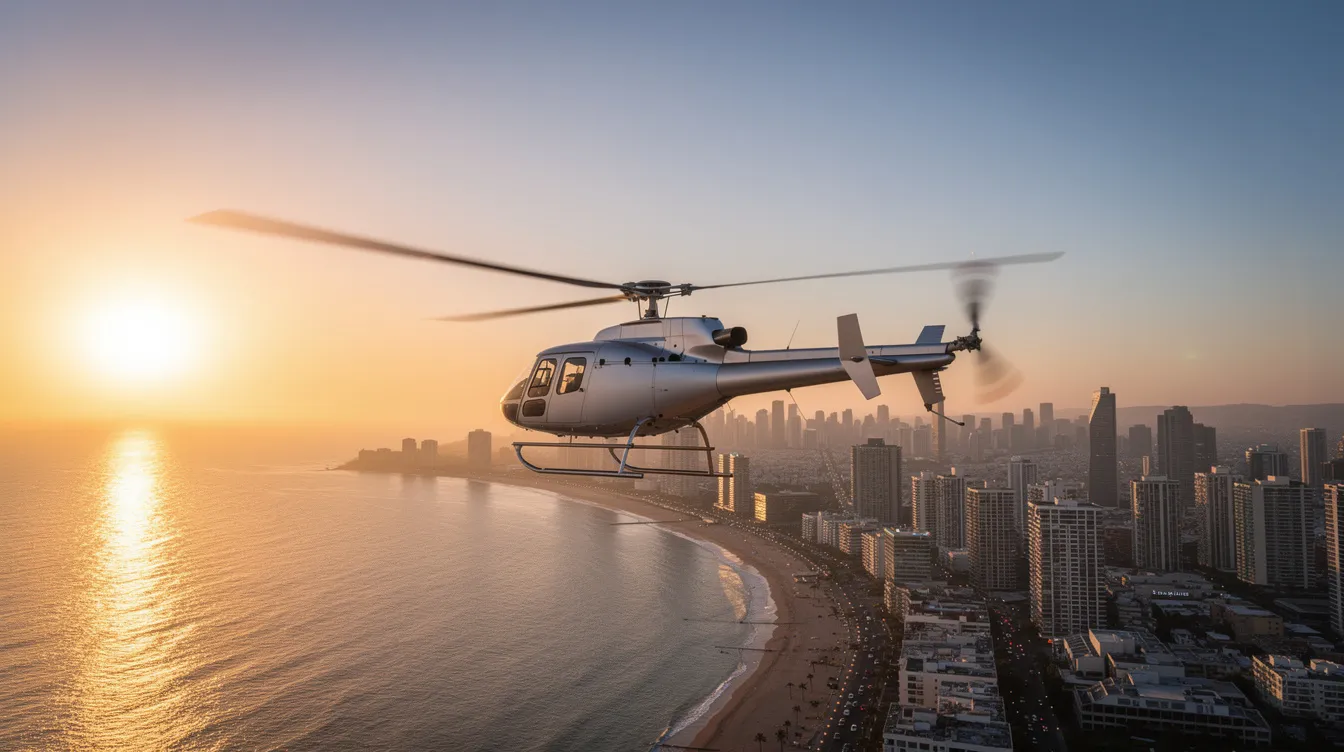
Helicopter rides typically last between 10 minutes and 2 hours, depending on the purpose and distance. Sightseeing flights usually range from 10 to 45 minutes, while point-to-point transfers can take longer. Understanding these timeframes helps travelers plan their itineraries effectively.
Jeff Ryan Serevilla
Sep 22, 2026
|
5
min read
View all
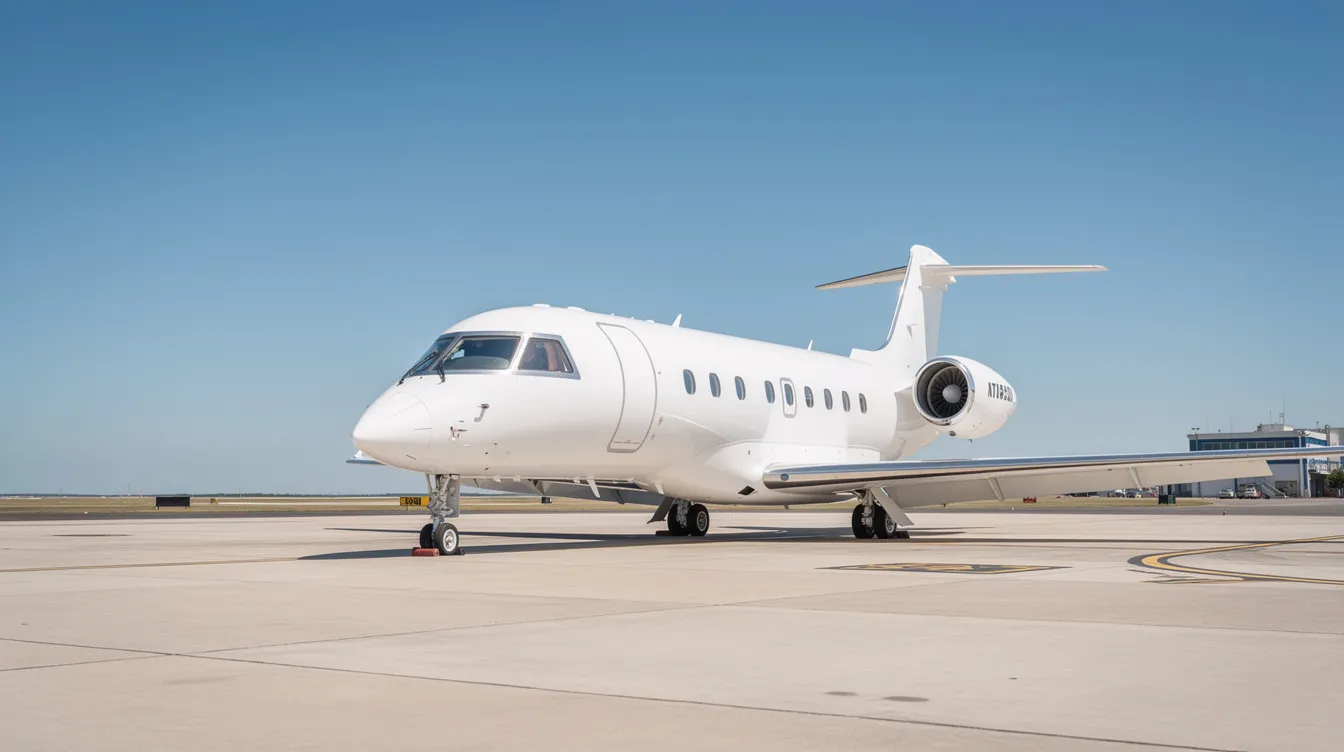
The N224LD Embraer Legacy 600 is a 2006 business jet known for its spacious three-zone cabin and long-range capabilities. Operated by Cloud Enterprise Holdings LLC, it offers luxury private charters from Teterboro, NJ. With a maximum range of 3,250 nautical miles, this aircraft is ideal for corporate and family travel, providing comfort and productivity in the air.
Jeff Ryan Serevilla
Sep 22, 2026
|
5
min read
View all
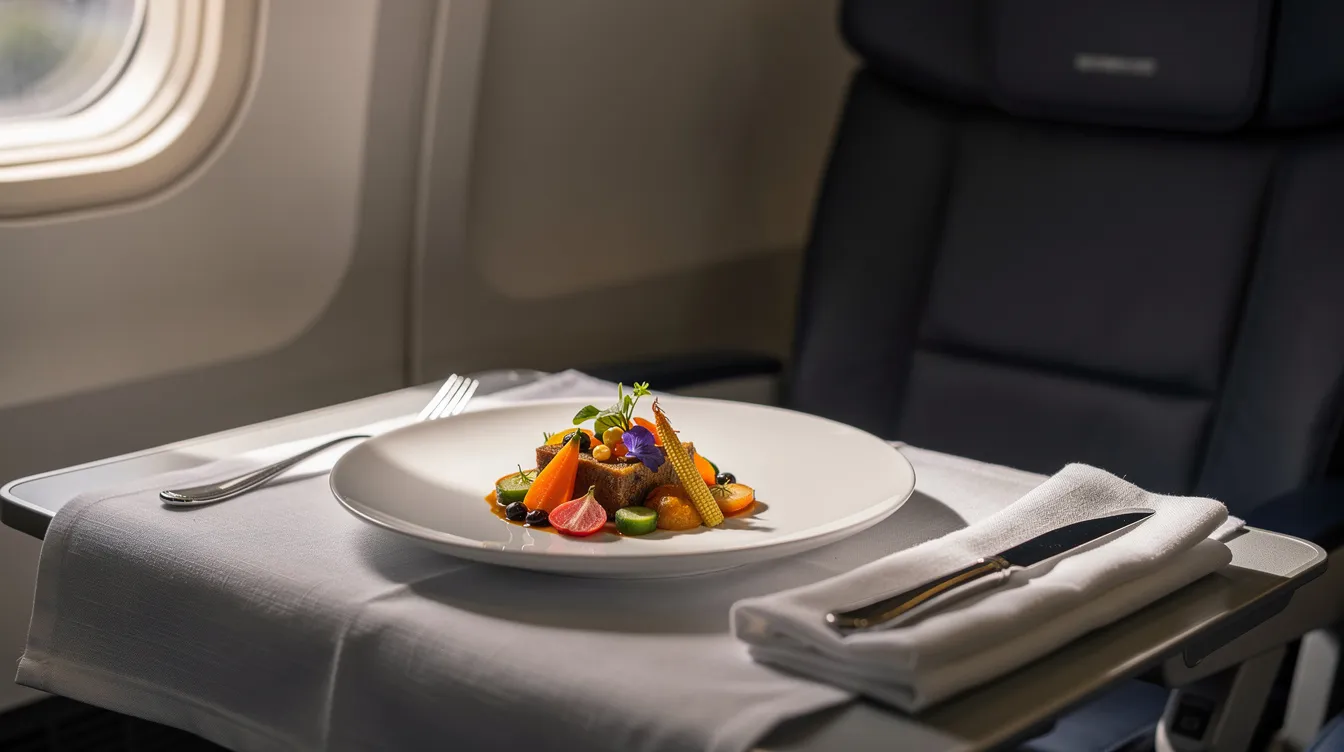
The emergence of flying chefs is transforming private jet travel by offering personalized, high-quality dining experiences at cruising altitude. These culinary professionals elevate in-flight meals, adapting menus to passenger preferences and ensuring gourmet quality. As luxury travel evolves, flying chefs are becoming essential for discerning travelers seeking exceptional onboard dining.
Jeff Ryan Serevilla
Sep 22, 2026
|
5
min read
View all
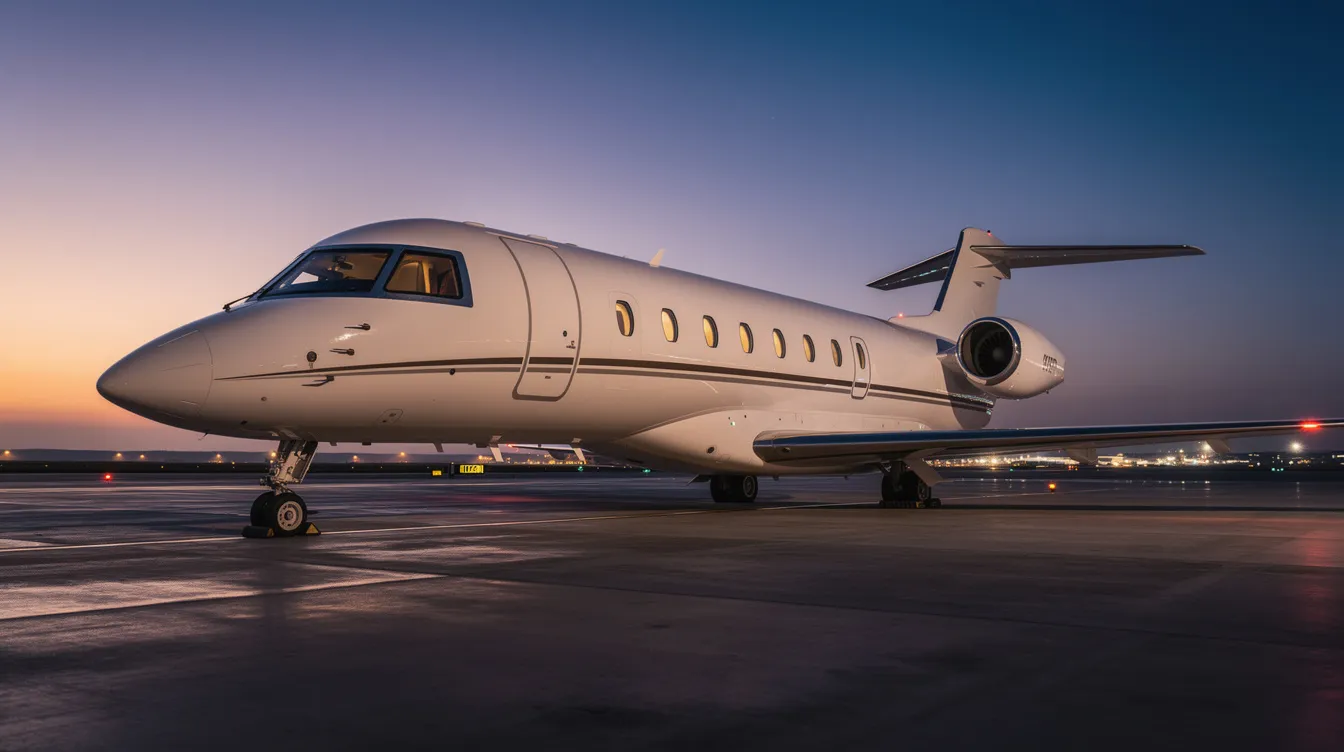
The Gulfstream G550 N550EW is an ultra-long-range private jet ideal for both business and leisure travel. With a range of over 6,700 nautical miles and luxurious amenities, it offers exceptional comfort and operational flexibility. This guide covers the aircraft's features, booking process, and pricing, making it a valuable resource for potential travelers.
Jeff Ryan Serevilla
Sep 22, 2026
|
5
min read

View all
Chartering a private jet to Bora Bora offers luxury travelers a seamless and flexible travel experience, bypassing the hassles of commercial flights. With Jettly, you can choose from a wide range of aircraft and enjoy competitive pricing, ensuring a comfortable journey to this stunning destination. This guide covers routes, pricing, and how to book your private jet charter effortlessly.
Jeff Ryan Serevilla
Sep 22, 2026
|
5
min read
Explore our latest articles and updates.
5
min read
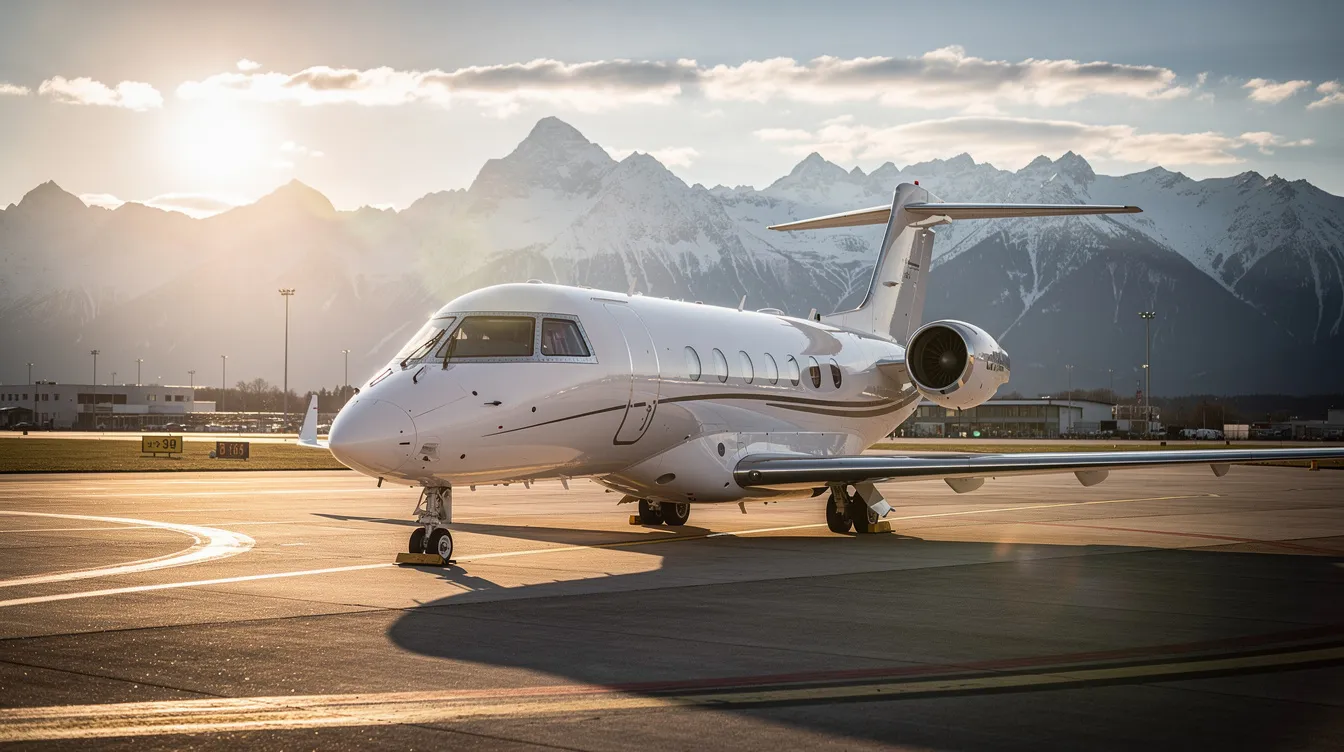
ImperialJet & Modern Private Jet Charter: How It Compares to Digital Platforms Like Jettly
ImperialJet is a well-established private jet charter operator in Europe and the Middle East, known for its fleet control and regional expertise, while Jettly is a digital marketplace offering access to over 20,000 aircraft globally. ImperialJet operates its own fleet under strict regulatory oversight, providing consistent service and tailored options for corporate and private travelers. In contrast, Jettly emphasizes flexibility and instant pricing through its tech-driven platform, appealing to those seeking a broader range of aircraft and routes without long-term commitments. The choice between the two depends on travelers' preferences for consistency versus flexibility in their private jet charter experience.
Read More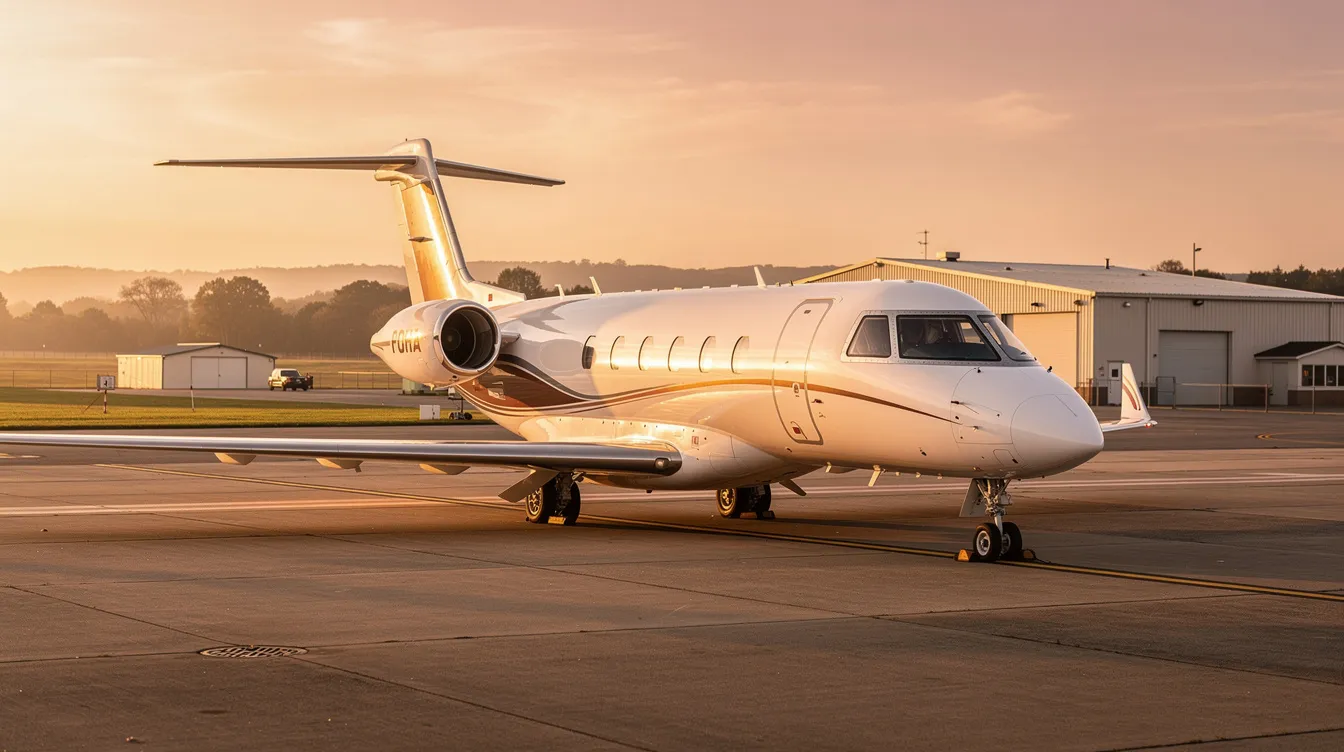
5
min read
Fly on Private Jet Cheap: Practical Ways to Cut Your Private Jet Cost with Jettly
Flying on a private jet has become more affordable through strategies like utilizing empty leg flights, selecting smaller aircraft, and leveraging on-demand charter services such as Jettly. Travelers can save 30-75% on costs by being flexible with their schedules and choosing the right aircraft type, with prices ranging from $2,000 to over $10,000 per hour depending on the flight specifics. Jettly offers access to over 20,000 aircraft worldwide, providing transparent pricing and options for both on-demand and membership programs to help reduce travel expenses. By following practical tips and utilizing Jettly's platform, travelers can enjoy the benefits of private jet travel without the hefty price tag.
Read MoreJoin our community and receive the latest blog updates directly in your inbox.
MEMBERSHIPS AND ASSOCIATIONS



Disclaimer: Jettly operates as a charter broker, offering access to a global digital jet charter marketplace. Jettly is not a direct air carrier and does not own or operate aircraft. All advertised flights are conducted by third-party air carriers that are fully licensed and hold the appropriate Part 135 or Part 121 certifications issued by the Federal Aviation Administration (FAA) or equivalent regulatory authorities under U.S. or foreign law. Jettly complies fully with the U.S. Department of Transportation's Part 295 and Part 298 Charter Broker regulations. Jettly does not carry additional liability insurance. Passengers are covered by aircraft operator insurance. TICO: 50023770


