


Login
Get Instant Pricing On 23,000+ Aircraft

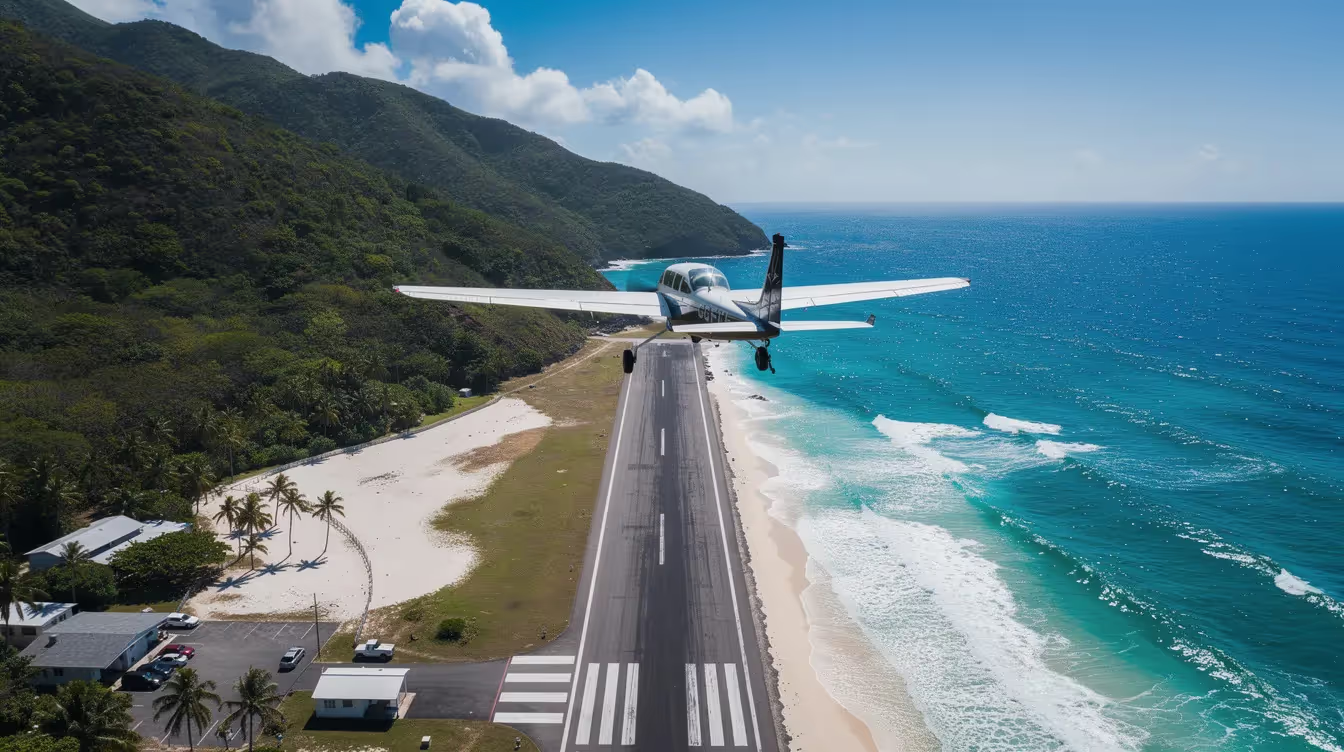
Jettly's private jet charter platform provides access to over 20,000 aircraft capable of landing at remote airports, enabling travelers to reach secluded destinations like islands, ski resorts, and safari lodges that commercial flights cannot access. These remote airports offer significant advantages, including time savings, enhanced privacy, and streamlined processing, allowing travelers to bypass crowded terminals and lengthy ground transfers. By utilizing Jettly's services, clients can efficiently plan their trips, manage necessary permits, and enjoy a seamless travel experience tailored to their needs. Overall, private jet remote airports transform travel by offering unparalleled convenience and flexibility for both leisure and business travelers.
Jay Franco Serevilla
Apr 22, 2026
|
5
min read



View all
Flying by private jet to Greece offers travelers direct access to both the mainland and islands, significantly reducing travel time compared to commercial flights. With over 40 airports available, private jets provide flexibility, privacy, and customized in-flight experiences. Jettly's platform simplifies the booking process, offering instant pricing and access to a wide range of aircraft.
Jeff Ryan Serevilla
Sep 22, 2026
|
5
min read
View all
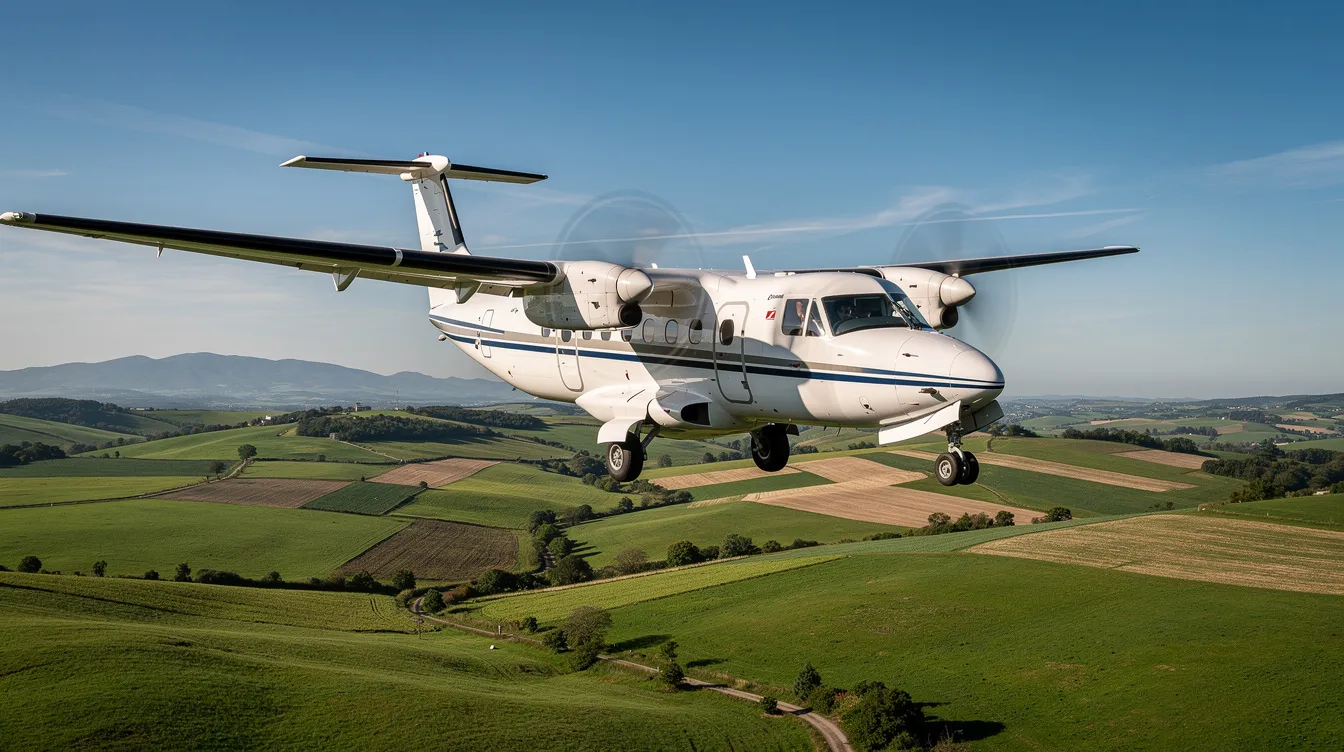
Propeller planes are increasingly relevant in modern private aviation, offering cost-effective solutions for regional and remote flights. They excel in accessing short and unpaved runways, making them ideal for connecting communities that jets cannot reach. This guide explores the advantages of propeller aircraft, their operational mechanics, and how they compare to jets.
Jeff Ryan Serevilla
Sep 22, 2026
|
5
min read
View all
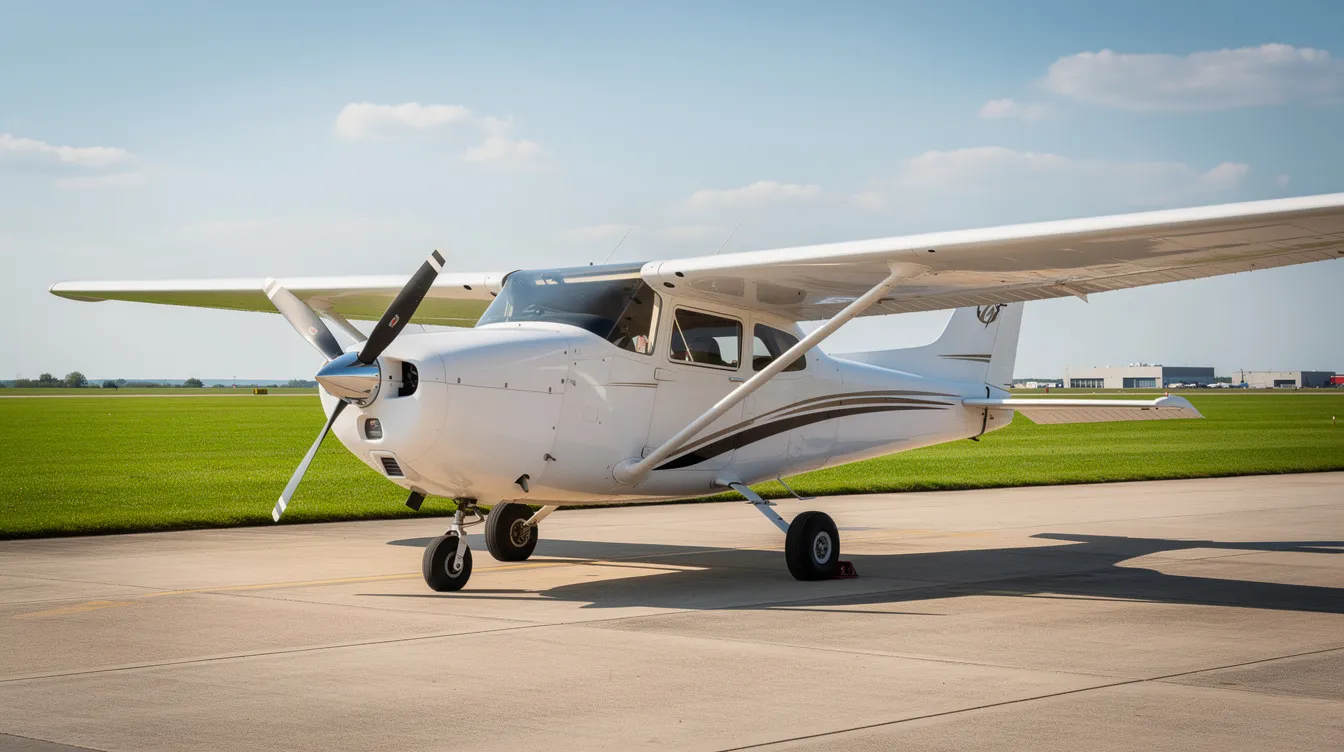
This comprehensive guide explores the insurance costs for Cessna 172 owners in 2026, detailing typical premiums and factors that influence rates. With costs ranging from $150 to $1,400 annually for private pilots, the guide also offers practical tips for managing expenses while ensuring adequate coverage.
Jeff Ryan Serevilla
Sep 22, 2026
|
5
min read
View all
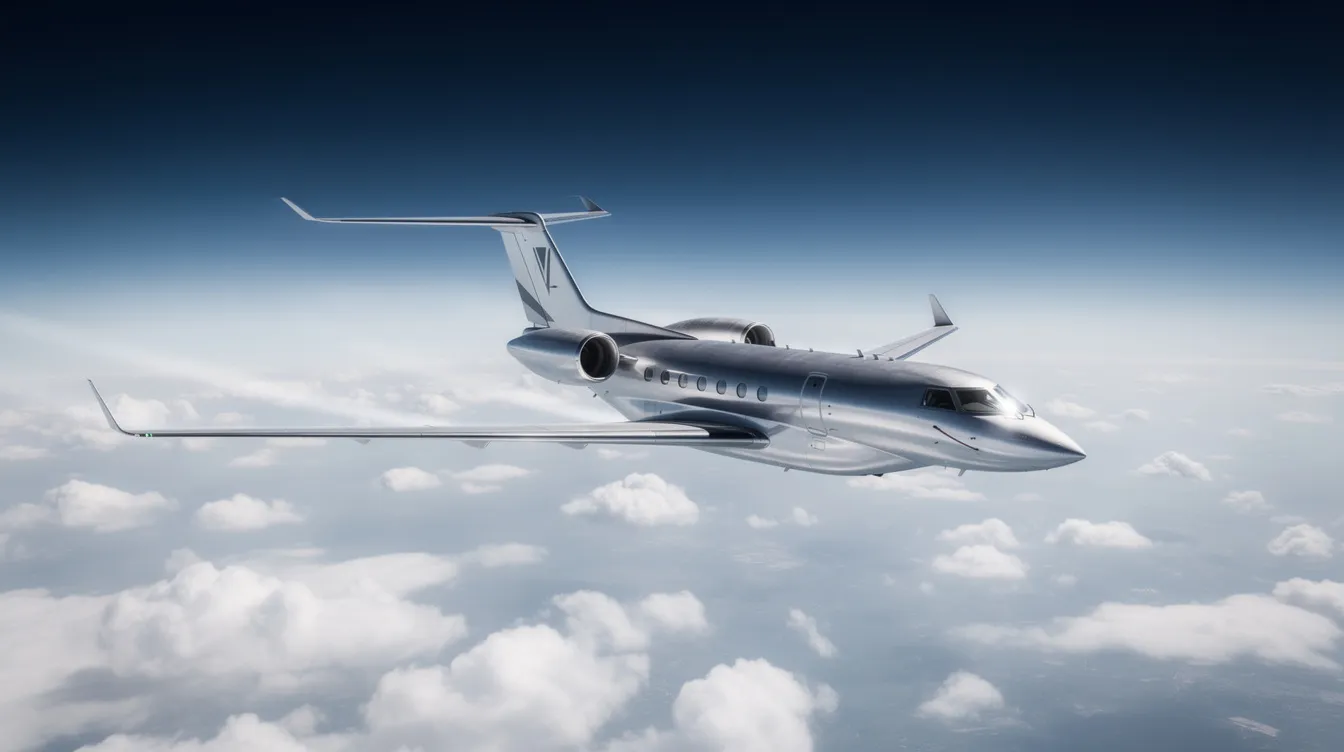
The Cirrus Vision Jet boasts a maximum cruise speed of 311 knots, making it a competitive choice for regional travel. This guide explores its performance, safety features, and how charter users can leverage its capabilities through platforms like Jettly. Understanding cruise speed is essential for effective trip planning and maximizing the jet experience.
Jeff Ryan Serevilla
Sep 22, 2026
|
5
min read
View all
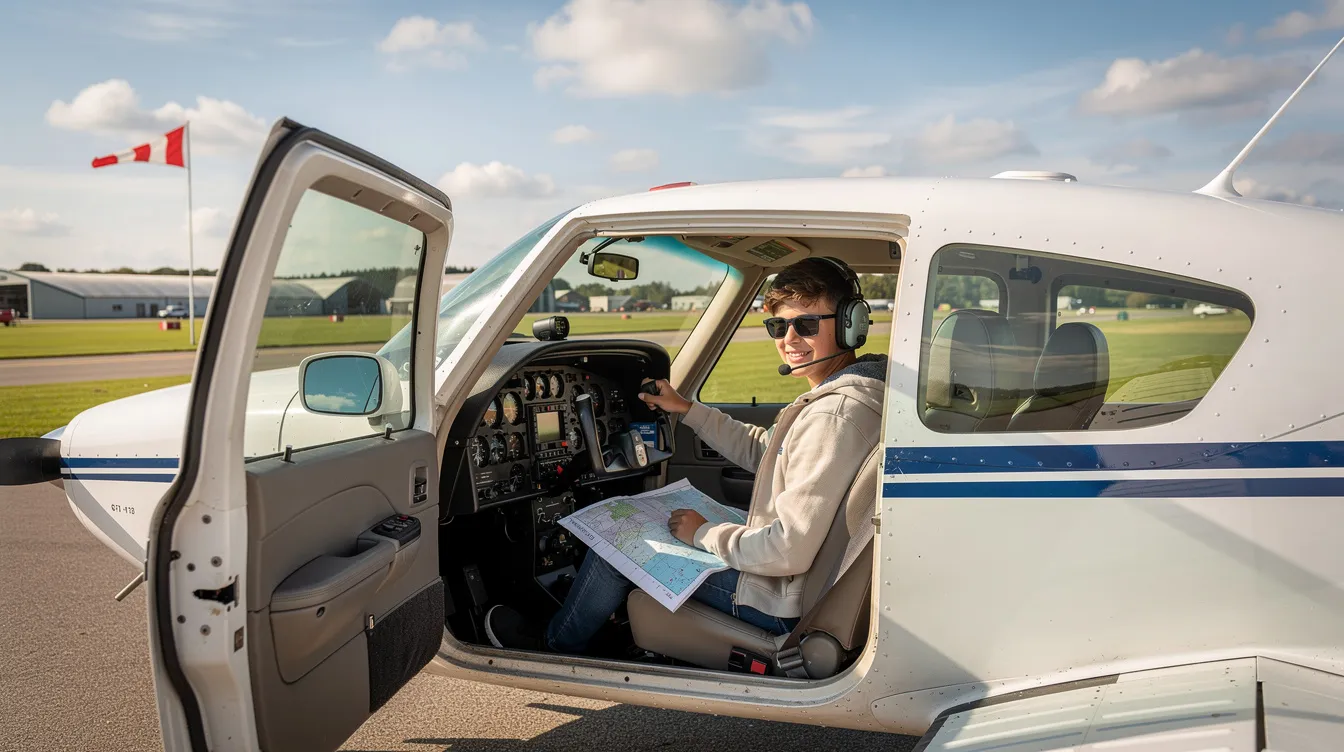
In 2026, pilot training costs in the U.S. range from $4,500 for a basic sport pilot certificate to over $130,000 for comprehensive career-track programs. Understanding these costs is crucial for aspiring pilots and career changers to budget effectively and avoid unexpected expenses. This guide breaks down the various training milestones and associated costs, helping you plan your aviation journey with confidence.
Jeff Ryan Serevilla
Sep 22, 2026
|
5
min read
View all
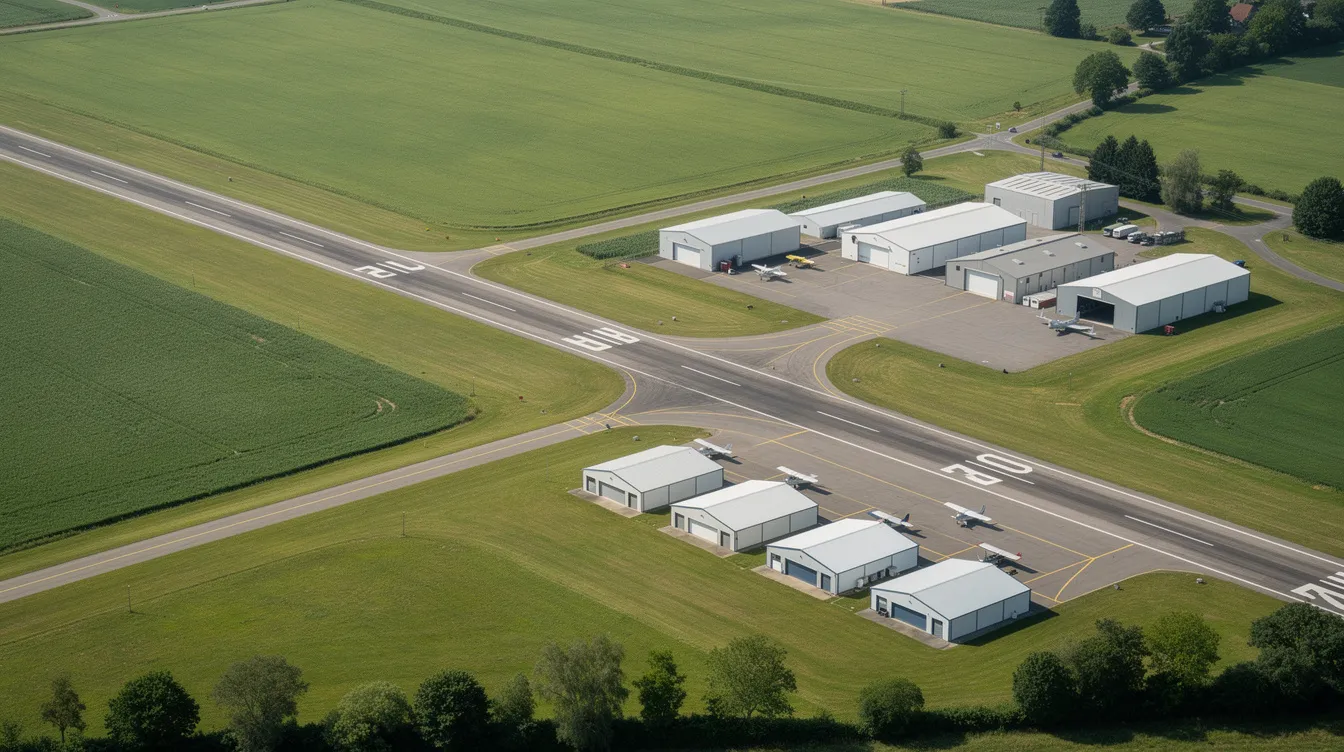
Ann Arbor Municipal Airport (ARB) is a key hub for private flyers in southeastern Michigan, located just 3 miles from downtown Ann Arbor. This guide provides essential information on airport facilities, ground transportation options, and private charter services through Jettly, making travel to and from ARB efficient and convenient.
Jeff Ryan Serevilla
Sep 21, 2026
|
5
min read
Explore our latest articles and updates.
5
min read
Can You Take Cigarettes on an Airplane? (Commercial & Private Jet Rules)
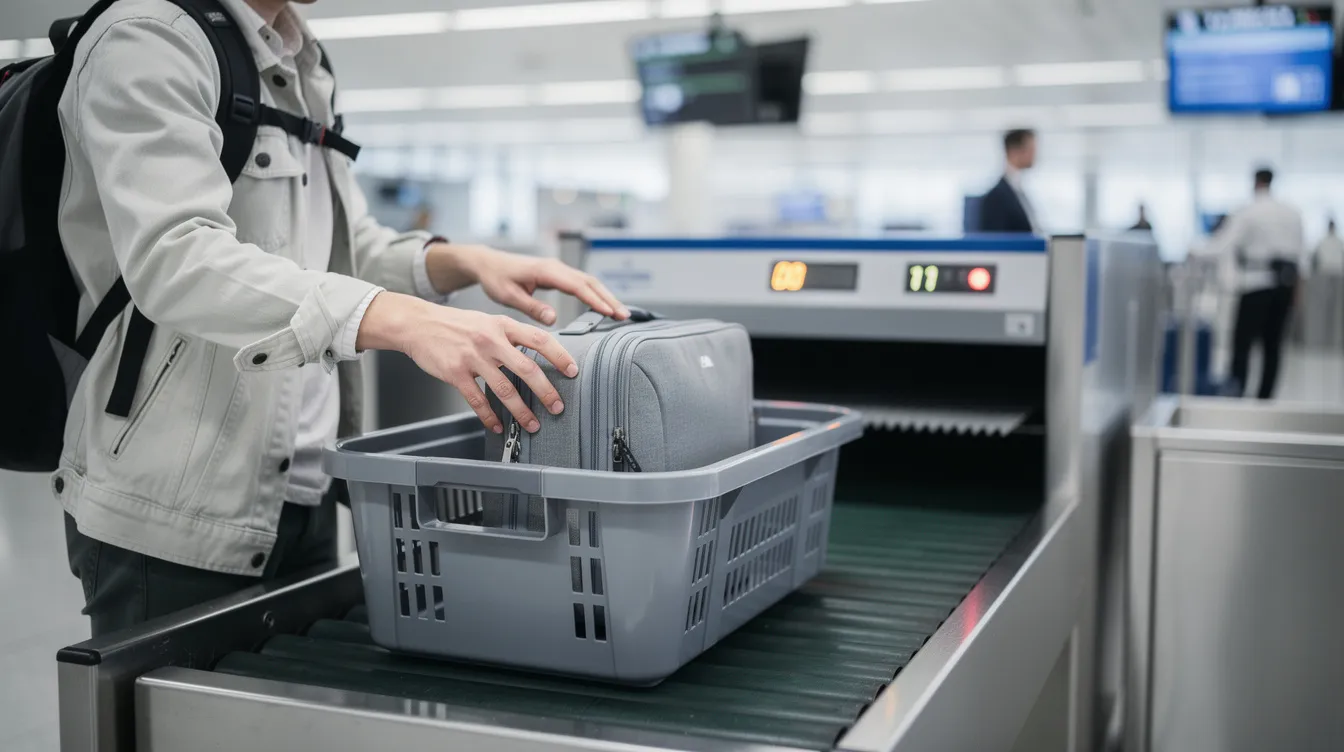
Cigarettes can be carried in both carry-on and checked luggage on most airlines, but smoking on commercial flights is strictly prohibited, with fines up to $4,000 for violations. While there are no domestic limits on the number of cigarettes for personal use in the U.S., international travel is subject to customs regulations, typically allowing around 200 cigarettes duty-free per adult, though this varies by country. Lighters, vapes, and other smoking accessories have stricter rules, often requiring them to be kept in carry-on luggage only. Private jet charters may allow smoking if permitted by the aircraft owner and operator, offering more flexibility compared to commercial flights.
Read More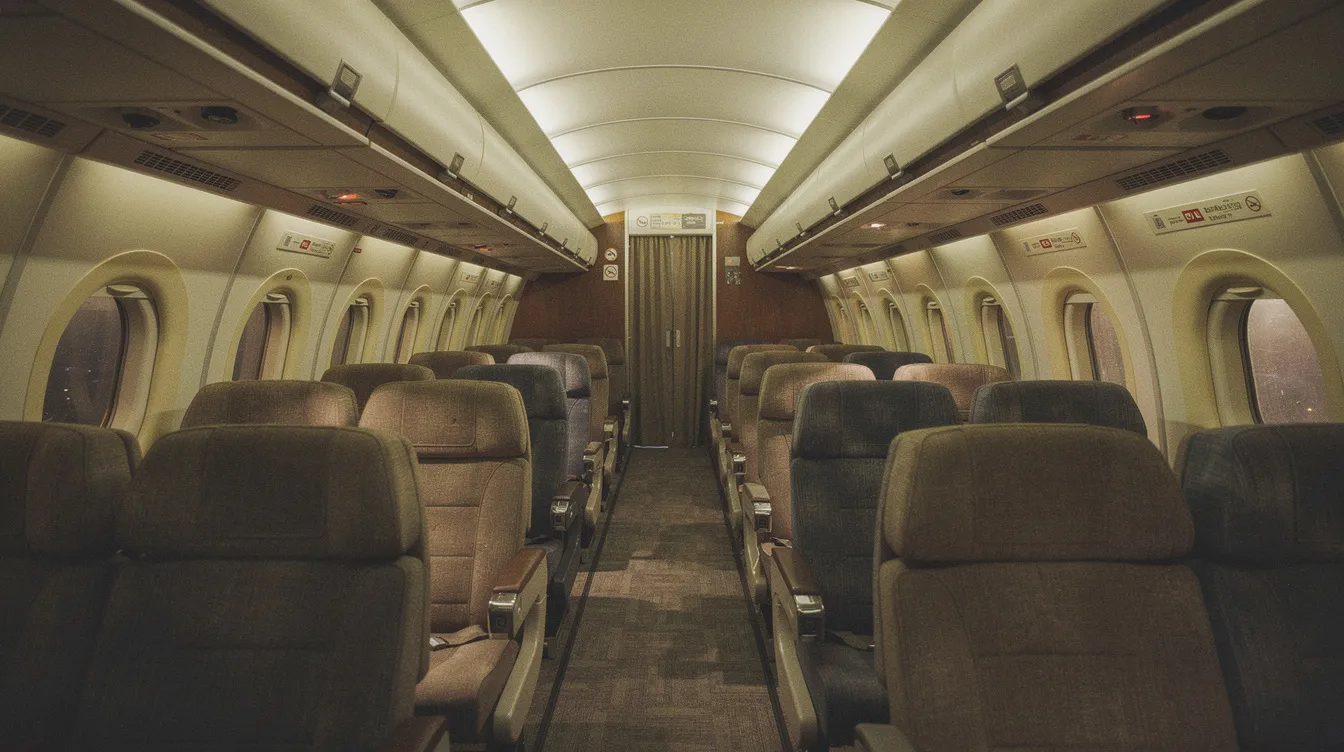
5
min read
When Was Smoking on Airplanes Banned? A Timeline for Commercial and Private Flights
Smoking on U.S. airplanes was gradually banned, starting with domestic flights under two hours in 1988 and culminating in a complete federal ban on June 4, 2000. This movement was driven by health and safety concerns, particularly regarding secondhand smoke and fire risks, despite resistance from the tobacco industry. By the early 2000s, most commercial airlines worldwide had adopted similar smoking bans, leading to a universal expectation of smoke-free flights. Today, smoking and vaping are prohibited on nearly all commercial and private flights, reflecting a commitment to passenger safety and comfort.
Read MoreJoin our community and receive the latest blog updates directly in your inbox.
MEMBERSHIPS AND ASSOCIATIONS



Disclaimer: Jettly operates as a charter broker, offering access to a global digital jet charter marketplace. Jettly is not a direct air carrier and does not own or operate aircraft. All advertised flights are conducted by third-party air carriers that are fully licensed and hold the appropriate Part 135 or Part 121 certifications issued by the Federal Aviation Administration (FAA) or equivalent regulatory authorities under U.S. or foreign law. Jettly complies fully with the U.S. Department of Transportation's Part 295 and Part 298 Charter Broker regulations. Jettly does not carry additional liability insurance. Passengers are covered by aircraft operator insurance. TICO: 50023770


