


Login
Get Instant Pricing On 23,000+ Aircraft

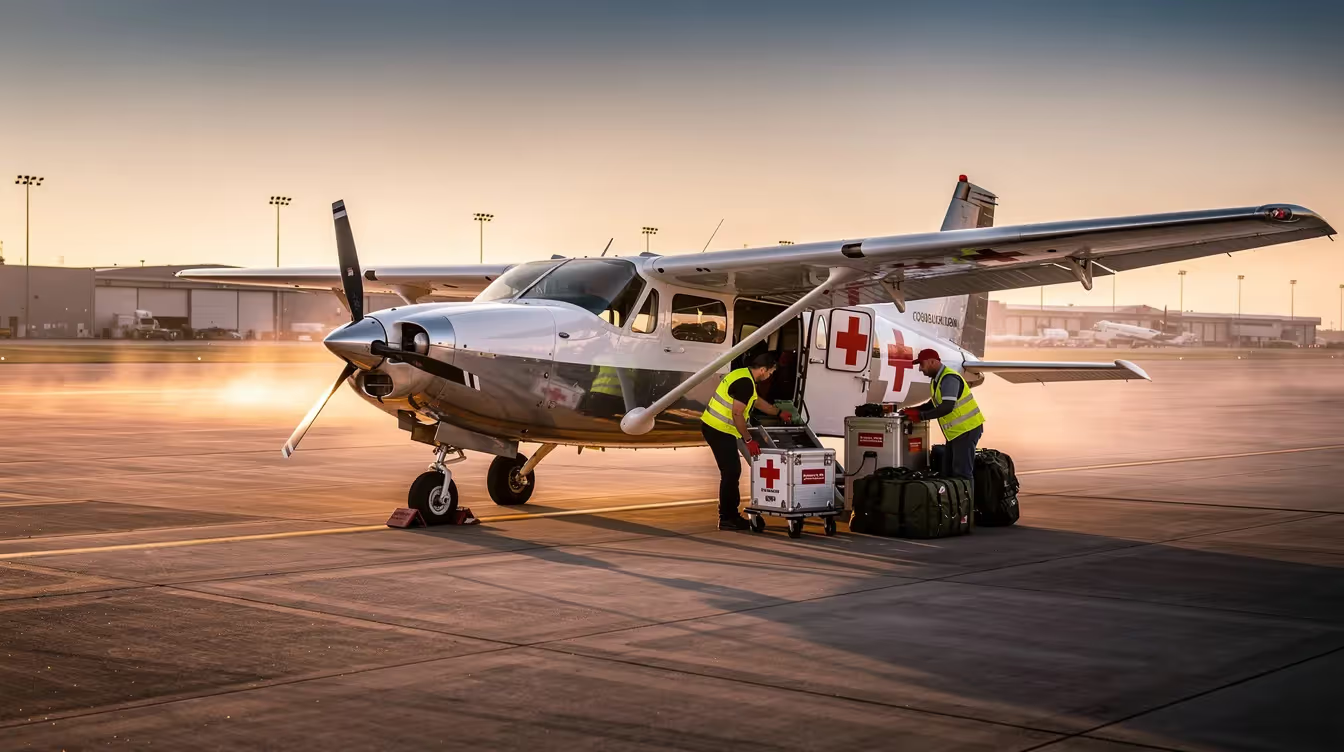
Disaster relief charter flights are essential aviation services that transport personnel, medical supplies, and critical cargo to crisis zones when traditional air travel is unavailable. These flights can be activated quickly, often within 3–6 hours, and are capable of reaching remote or damaged airstrips that commercial airlines cannot access. Jettly connects organizations with a global network of over 20,000 aircraft, providing rapid response capabilities for various mission types, including medical evacuations and supply deliveries. The platform offers transparent pricing and a wide range of aircraft options, ensuring effective disaster response and preparedness.
Jay Franco Serevilla
Apr 22, 2026
|
5
min read


View all
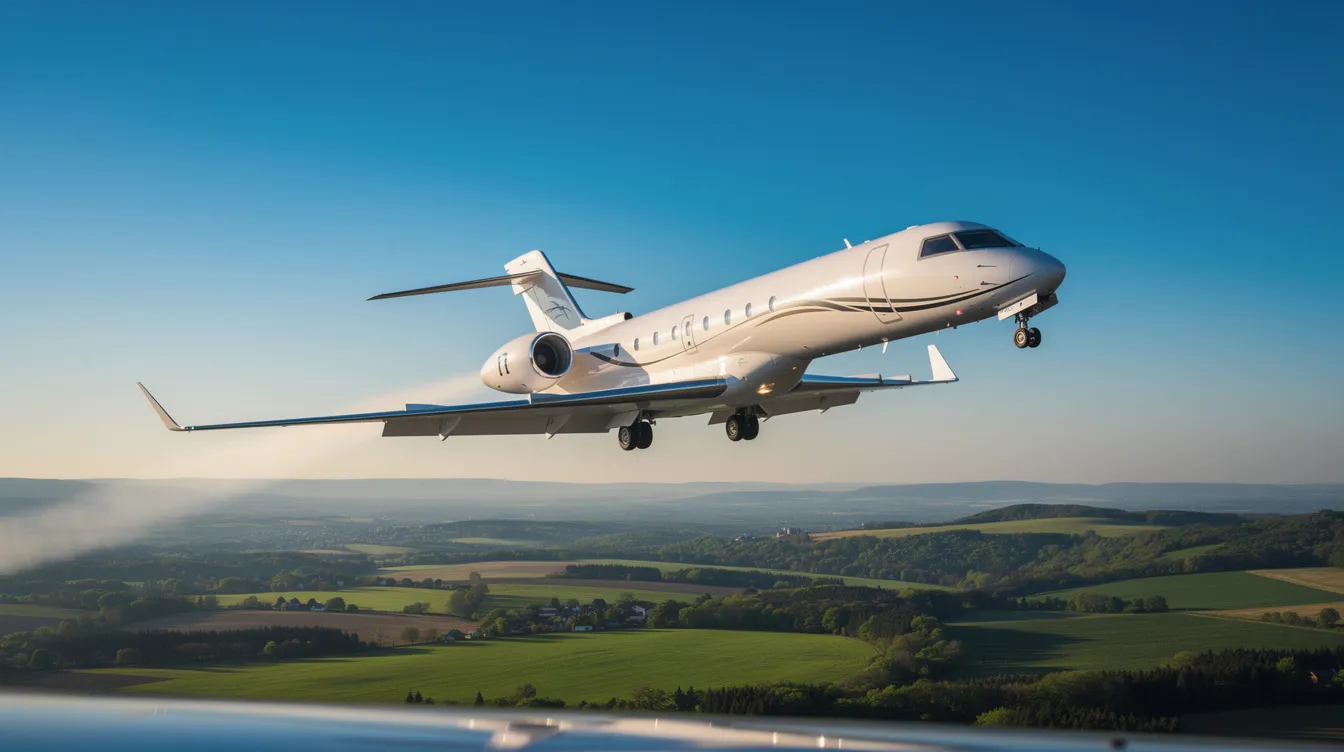
The HondaJet offers a flexible and cost-effective solution for private air travel, with charter prices typically ranging from $2,000 to $5,000 per flight hour. This guide provides insights into the costs, specifications, and scenarios where chartering a HondaJet makes financial sense compared to ownership. Understanding these factors can help travelers make informed decisions about their private aviation needs.
Jeff Ryan Serevilla
Sep 20, 2026
|
5
min read

View all
The market for very light jets (VLJs) is rapidly expanding, offering a cost-effective entry into business aviation. This guide explores the benefits of ownership versus chartering, highlighting the efficiency and flexibility of VLJs for business and leisure travel. With options like Jettly, travelers can access these jets without the burdens of ownership, making private aviation more accessible than ever.
Jeff Ryan Serevilla
Sep 20, 2026
|
5
min read
View all
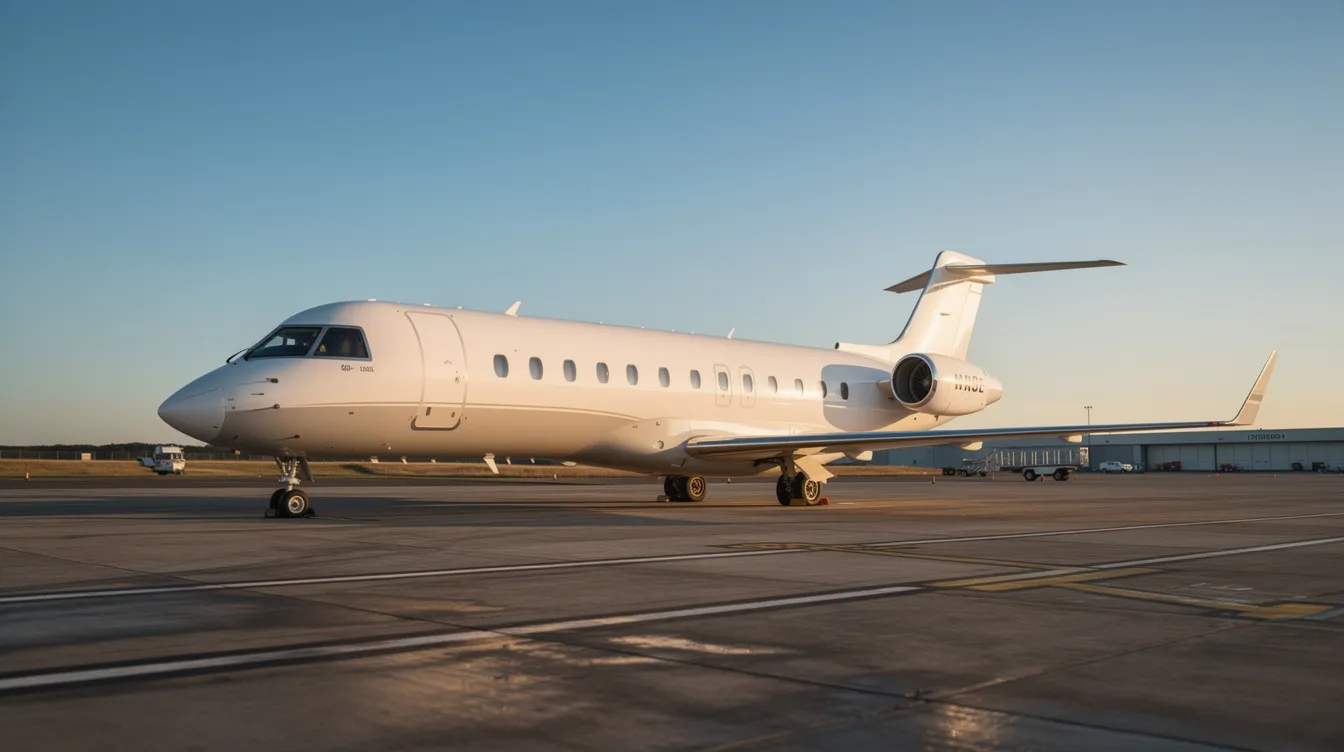
The Gulfstream G700 is a premier ultra-long-range private jet with a list price ranging from $75 million to $81 million, often exceeding $90 million due to customization and demand. For high-net-worth individuals and corporations, understanding the ownership costs versus chartering options through Jettly is crucial for making informed decisions about private aviation.
Jeff Ryan Serevilla
Sep 20, 2026
|
5
min read
View all
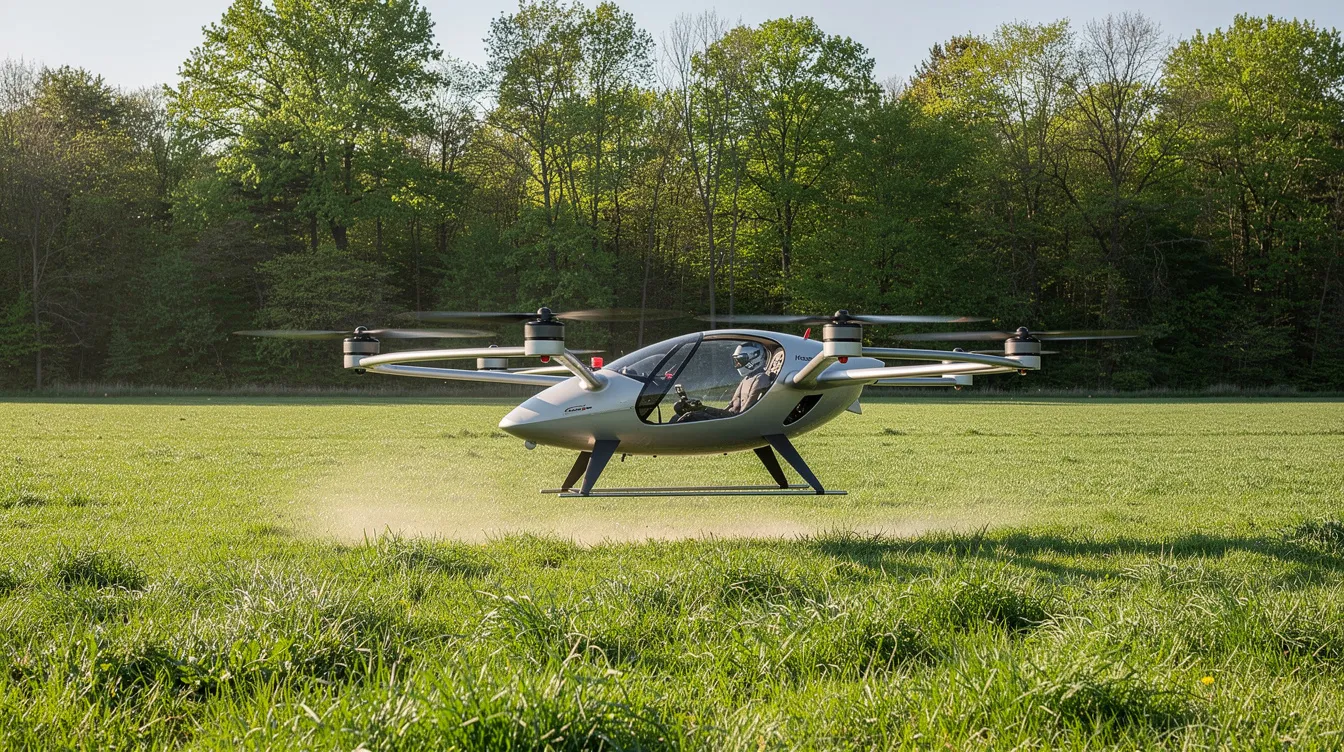
VTOL personal aircraft, or eVTOLs, are revolutionizing air mobility by providing vertical takeoff and landing capabilities without the need for runways. These electric aircraft bridge the gap between ground transportation and private jet travel, offering a new category of personal aviation for short hops. As technology matures, eVTOLs are expected to integrate seamlessly with private jet operations, enhancing travel efficiency.
Jeff Ryan Serevilla
Sep 20, 2026
|
5
min read
View all
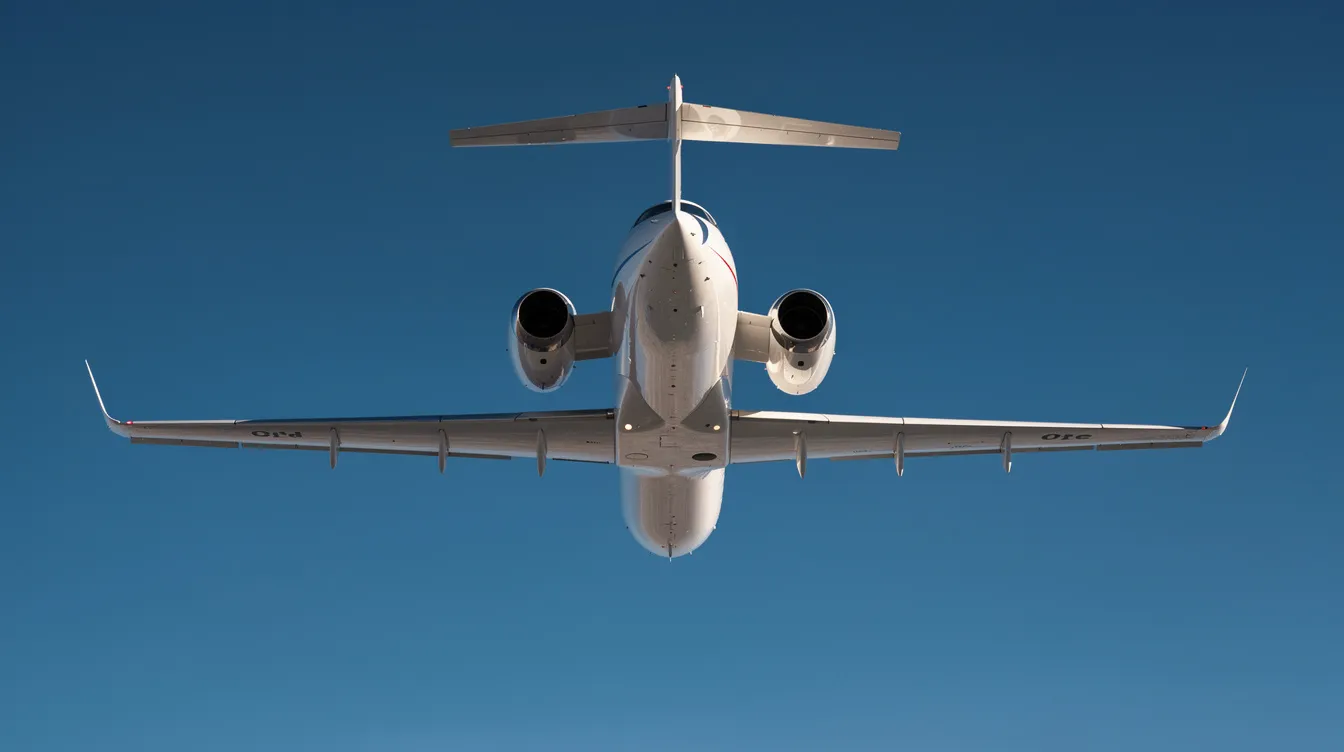
The C-21 plane, a military variant of the Learjet 35A, has been a reliable light transport aircraft for the USAF since 1984, serving various missions including passenger airlift and aeromedical evacuation. With impressive speed and range, it continues to play a vital role in military logistics, while civilians can access similar performance through private jet charters like the Learjet 35A.
Jeff Ryan Serevilla
Sep 20, 2026
|
5
min read

View all
Private jets increasingly offer WiFi, becoming essential for both business and leisure travelers. Connectivity options vary by aircraft type, age, and installed technology, impacting performance and costs. Understanding these factors helps travelers choose the right jet for their connectivity needs.
Jeff Ryan Serevilla
Sep 20, 2026
|
5
min read
Explore our latest articles and updates.
5
min read
When Was Smoking on Airplanes Banned? A Timeline for Commercial and Private Flights
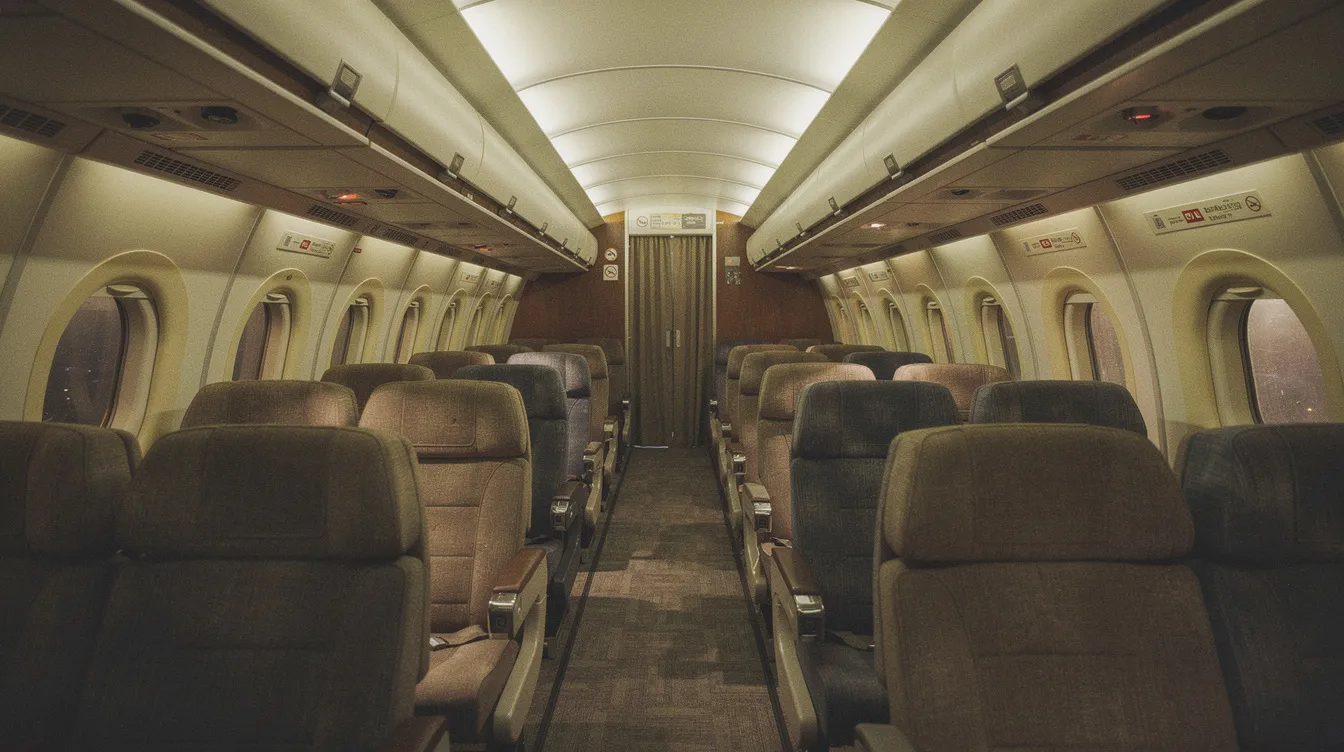
Smoking on U.S. airplanes was gradually banned, starting with domestic flights under two hours in 1988 and culminating in a complete federal ban on June 4, 2000. This movement was driven by health and safety concerns, particularly regarding secondhand smoke and fire risks, despite resistance from the tobacco industry. By the early 2000s, most commercial airlines worldwide had adopted similar smoking bans, leading to a universal expectation of smoke-free flights. Today, smoking and vaping are prohibited on nearly all commercial and private flights, reflecting a commitment to passenger safety and comfort.
Read More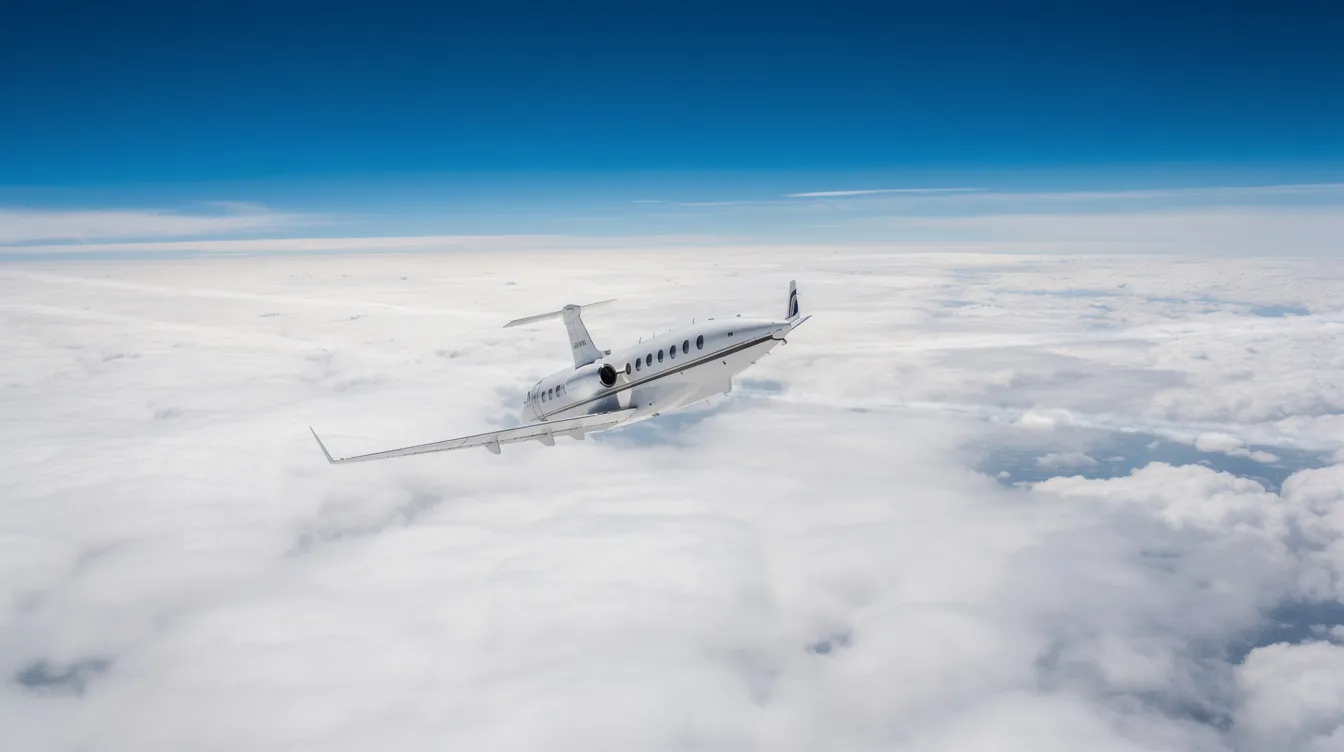
5
min read
Cruise Speed of Aircraft: How Fast Airplanes Really Fly and Why It Matters for Private Jet Charter
The cruise speed of an aircraft is a critical factor in private jet charter, representing a balance between speed, fuel efficiency, and passenger comfort rather than the maximum speed the aircraft can achieve. Typical cruise speeds vary by aircraft type, with commercial airliners cruising at Mach 0.78–0.85 and private jets ranging from Mach 0.76 to Mach 0.90. Understanding cruise speed helps travelers avoid overpaying for unnecessary speed and select the right aircraft for their specific route and budget. Platforms like Jettly facilitate this process by allowing users to compare aircraft based on cruise speed, range, and cost, ensuring optimal travel efficiency.
Read MoreJoin our community and receive the latest blog updates directly in your inbox.
MEMBERSHIPS AND ASSOCIATIONS



Disclaimer: Jettly operates as a charter broker, offering access to a global digital jet charter marketplace. Jettly is not a direct air carrier and does not own or operate aircraft. All advertised flights are conducted by third-party air carriers that are fully licensed and hold the appropriate Part 135 or Part 121 certifications issued by the Federal Aviation Administration (FAA) or equivalent regulatory authorities under U.S. or foreign law. Jettly complies fully with the U.S. Department of Transportation's Part 295 and Part 298 Charter Broker regulations. Jettly does not carry additional liability insurance. Passengers are covered by aircraft operator insurance. TICO: 50023770


