



Login
Get Instant Pricing On 23,000+ Aircraft


Becoming a helicopter pilot can take anywhere from 2 months to 2 years, depending on the type of license and training frequency. A private pilot license typically requires 40 flight hours, while a commercial license demands 150 hours. Factors such as training intensity, weather conditions, and flight school choice significantly influence the timeline and costs involved.
Jay Franco Serevilla
Oct 20, 2026
|
5
min read



View all
Understanding Delta Airlines airplane seating can greatly enhance your travel experience by providing comfort and potential cost savings. This guide details the various cabin classes, how to read seat maps, and tips for selecting the best seats for your journey. Whether you're flying Delta One or Basic Economy, knowing your options can make a significant difference.
Jay Franco Serevilla
Nov 2, 2026
|
5
min read

View all
Jet A fuel is a kerosene-based aviation fuel primarily used for turbine engines in the U.S. It is essential for both commercial airlines and private jet charters, offering specific properties that ensure safety and efficiency during flights. This guide provides insights into its technical specifications, performance in cold weather, and the differences between various aviation fuels.
Jay Franco Serevilla
Nov 2, 2026
|
5
min read

View all
Understanding the types of jet fuel is crucial for private flight operations. Jet A and Jet A-1 are the most common kerosene-based fuels, each with unique properties that affect performance, safety, and costs. Knowledge of these fuels helps travelers make informed decisions when booking private charters.
Jay Franco Serevilla
Nov 2, 2026
|
5
min read
View all
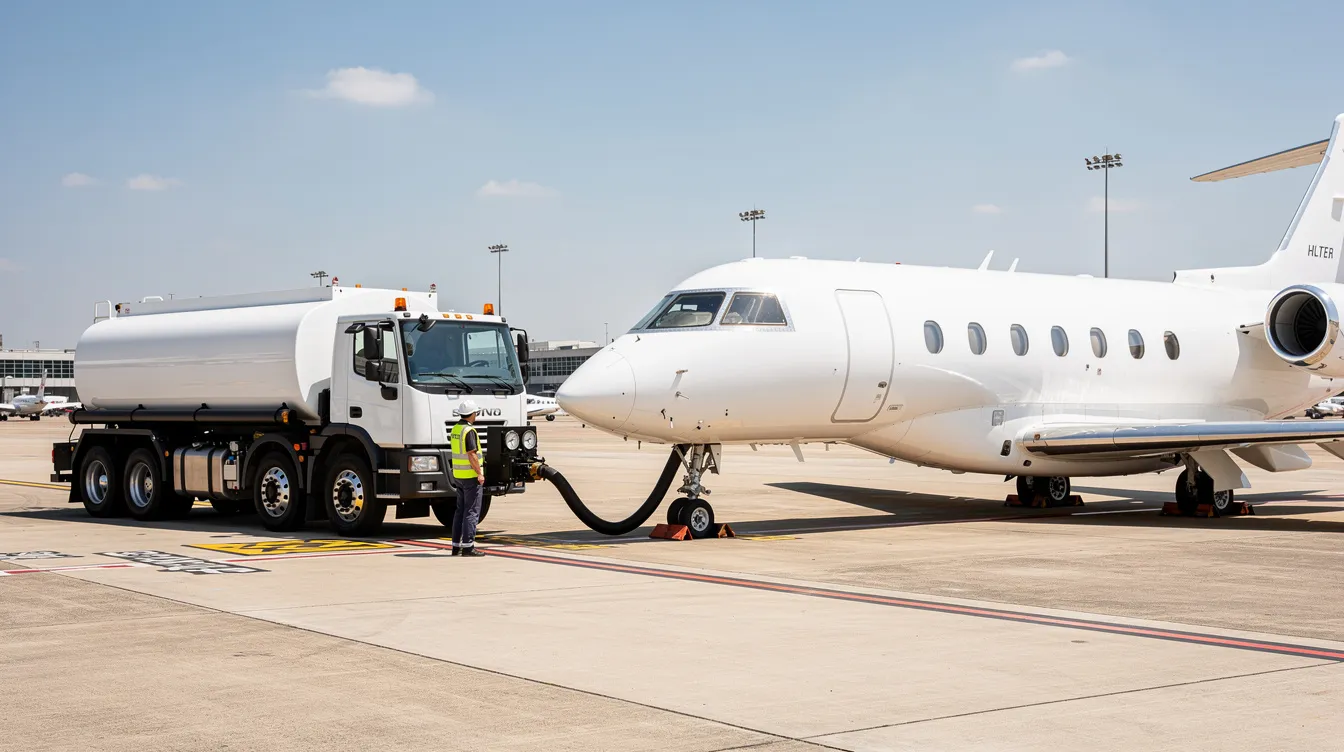
Jet fuel is indeed flammable, but its behavior differs significantly from gasoline. With a flash point above 38 °C, jet fuel requires specific conditions to ignite, making it safer to handle than more volatile fuels. Understanding jet fuel's properties is essential for aviation safety and informed travel decisions.
Jay Franco Serevilla
Nov 2, 2026
|
5
min read
View all
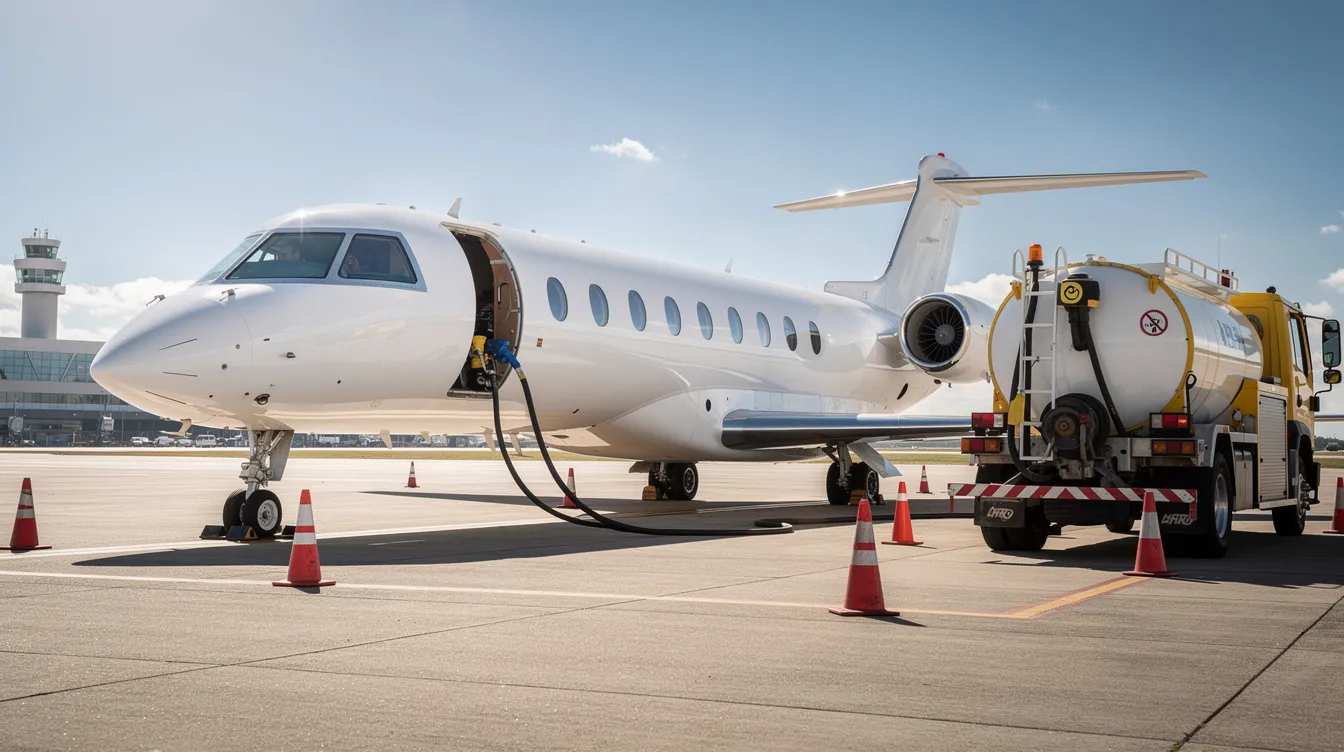
Understanding airplane fuel is essential for private jet travelers, as it directly impacts aircraft range, operational costs, and charter pricing. This guide covers the types of aviation fuel, their capacities, and how they influence the travel experience. With insights into jet fuel and aviation gasoline, travelers can make informed decisions when chartering flights.
Jay Franco Serevilla
Nov 2, 2026
|
5
min read

View all
Understanding private jet pricing can be challenging for first-time charter buyers. An instant quote is merely an estimate that changes until a binding quote is confirmed by the operator and payment is secured. This guide clarifies the differences between estimates and binding quotes, and how to navigate the booking process effectively.
Jay Franco Serevilla
Nov 2, 2026
|
5
min read
Explore our latest articles and updates.

5
min read
Greene County Airport, Xenia, Ohio – Guide for Private and General Aviation
Greene County Airport, also known as Greene County Lewis A. Jackson Regional Airport, is a public-use general aviation airport in Xenia, Ohio, catering primarily to private pilots and charter travelers. With a 5,004-foot runway and 24/7 operations, it offers a convenient alternative to larger commercial airports, providing services like fuel, maintenance, and pilot amenities through its primary FBO, MacAir Aviation. The airport's strategic location near major highways facilitates quick access to regional business centers, while Jettly's platform allows for easy booking of on-demand private jet charters. Recent investments, including a $400,000 terminal upgrade, highlight the airport's commitment to modernization and growth in the general aviation sector.
Read More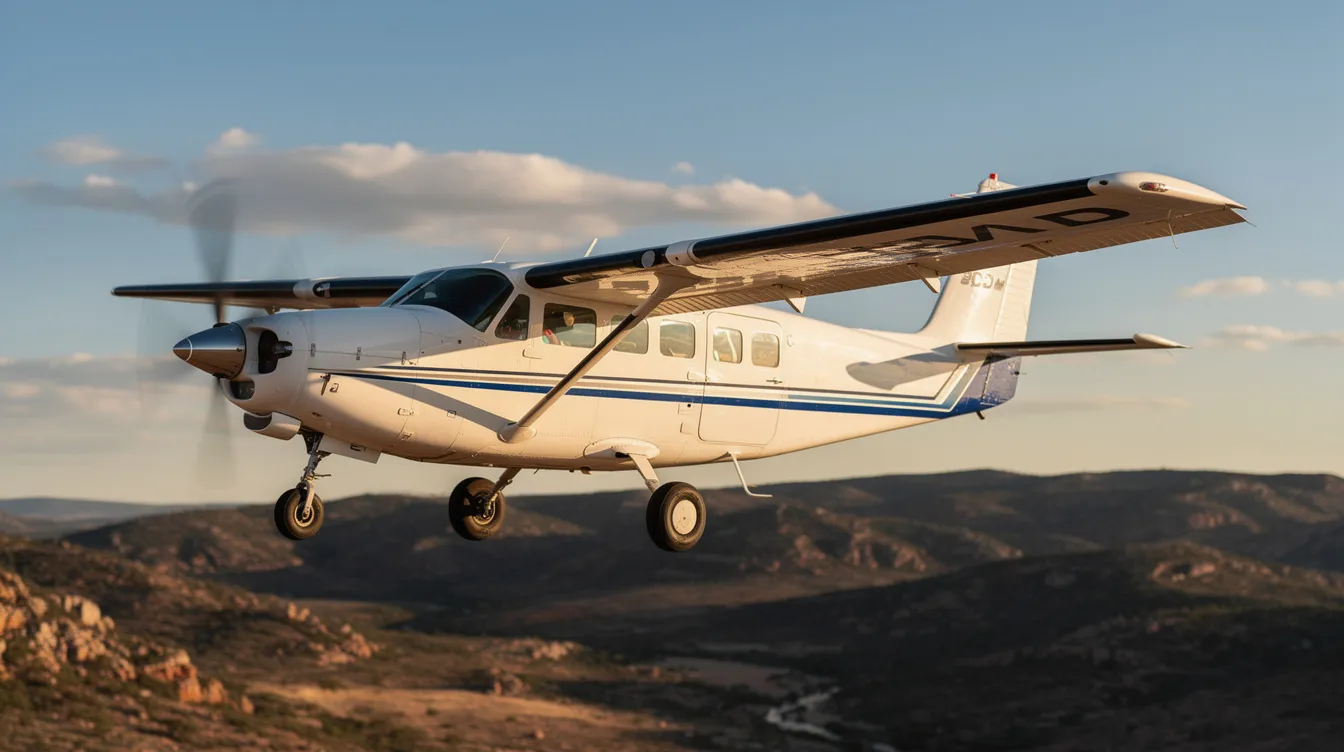
5
min read
Cessna Caravan Specs: Performance, Cabin, and Charter Uses Explained
The Cessna Caravan family, including the 208 Caravan and Grand Caravan EX, is a rugged single-engine turboprop aircraft designed for regional passenger and cargo operations, accommodating up to 14 passengers in high-density configurations. With a cruise speed of approximately 186 mph and a range of up to 1,070 nautical miles, these aircraft are ideal for short regional flights and can operate from unpaved runways. The Grand Caravan EX offers enhanced power and performance, making it suitable for demanding routes. Jettly provides a platform for travelers to compare charter pricing and book flights, emphasizing the Caravan's cost-effectiveness and versatility for various missions.
Read MoreJoin our community and receive the latest blog updates directly in your inbox.
MEMBERSHIPS AND ASSOCIATIONS



Disclaimer: Jettly operates as a charter broker, offering access to a global digital jet charter marketplace. Jettly is not a direct air carrier and does not own or operate aircraft. All advertised flights are conducted by third-party air carriers that are fully licensed and hold the appropriate Part 135 or Part 121 certifications issued by the Federal Aviation Administration (FAA) or equivalent regulatory authorities under U.S. or foreign law. Jettly complies fully with the U.S. Department of Transportation's Part 295 and Part 298 Charter Broker regulations. Jettly does not carry additional liability insurance. Passengers are covered by aircraft operator insurance. TICO: 50023770


