


Login
Get Instant Pricing On 23,000+ Aircraft


The Pup Plane guide focuses on the Preceptor N3 Pup family, which includes the N3 Pup, Super Pup, and Ultra Pup, catering to modern pilots and aviation enthusiasts interested in homebuilt aircraft. These lightweight, high-wing planes, developed in the late 1970s and 1980s, are known for their affordability and ease of construction, with the N3 Pup qualifying as an ultralight under FAR Part 103 regulations. While these aircraft are ideal for recreational flying, they are not suitable for commercial charter services, which are better served by platforms like Jettly that offer access to a wide range of professionally operated private jets. Understanding the differences between Pup planes and charter options helps pilots and travelers make informed decisions based on their flying needs.
Jay Franco Serevilla
May 6, 2026
|
5
min read


View all
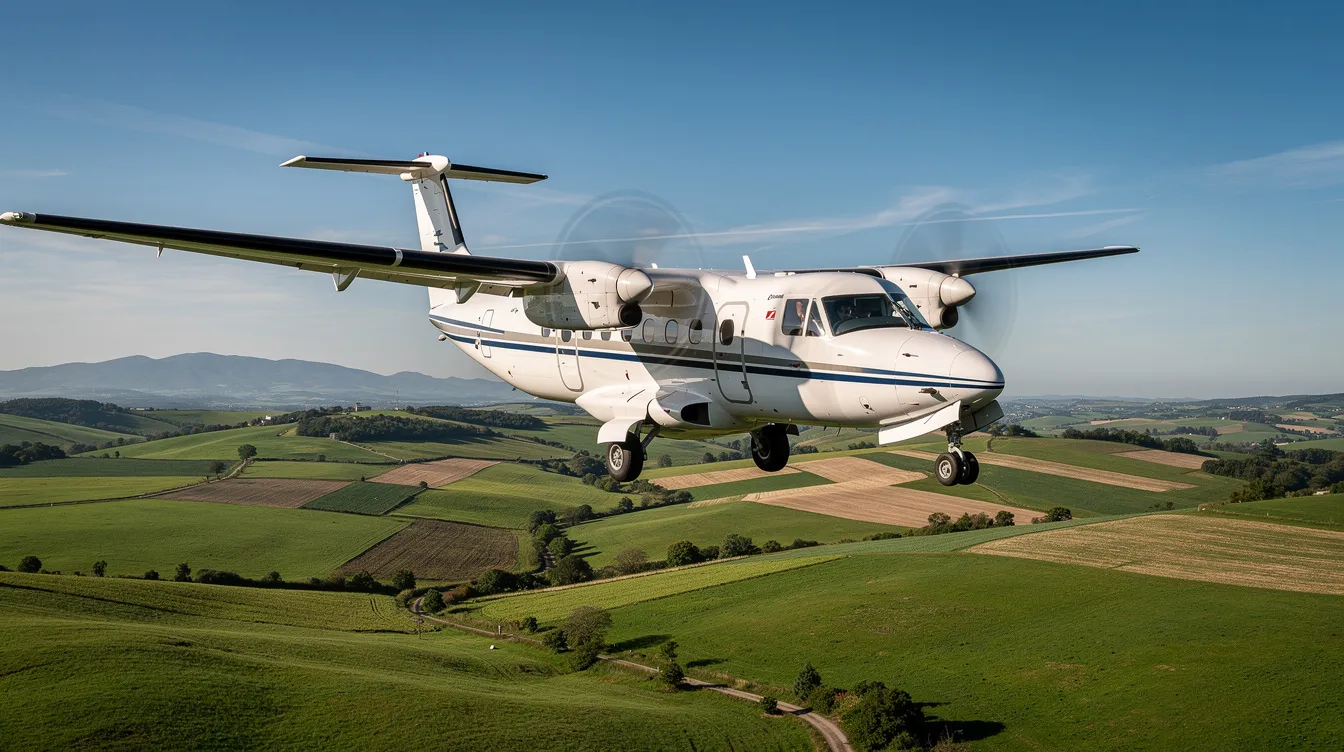
Propeller planes are increasingly relevant in modern private aviation, offering cost-effective solutions for regional and remote flights. They excel in accessing short and unpaved runways, making them ideal for connecting communities that jets cannot reach. This guide explores the advantages of propeller aircraft, their operational mechanics, and how they compare to jets.
Jeff Ryan Serevilla
Sep 22, 2026
|
5
min read

View all
This comprehensive guide explores the insurance costs for Cessna 172 owners in 2026, detailing typical premiums and factors that influence rates. With costs ranging from $150 to $1,400 annually for private pilots, the guide also offers practical tips for managing expenses while ensuring adequate coverage.
Jeff Ryan Serevilla
Sep 22, 2026
|
5
min read

View all
The Cirrus Vision Jet boasts a maximum cruise speed of 311 knots, making it a competitive choice for regional travel. This guide explores its performance, safety features, and how charter users can leverage its capabilities through platforms like Jettly. Understanding cruise speed is essential for effective trip planning and maximizing the jet experience.
Jeff Ryan Serevilla
Sep 22, 2026
|
5
min read

View all
In 2026, pilot training costs in the U.S. range from $4,500 for a basic sport pilot certificate to over $130,000 for comprehensive career-track programs. Understanding these costs is crucial for aspiring pilots and career changers to budget effectively and avoid unexpected expenses. This guide breaks down the various training milestones and associated costs, helping you plan your aviation journey with confidence.
Jeff Ryan Serevilla
Sep 22, 2026
|
5
min read

View all
Ann Arbor Municipal Airport (ARB) is a key hub for private flyers in southeastern Michigan, located just 3 miles from downtown Ann Arbor. This guide provides essential information on airport facilities, ground transportation options, and private charter services through Jettly, making travel to and from ARB efficient and convenient.
Jeff Ryan Serevilla
Sep 21, 2026
|
5
min read
View all
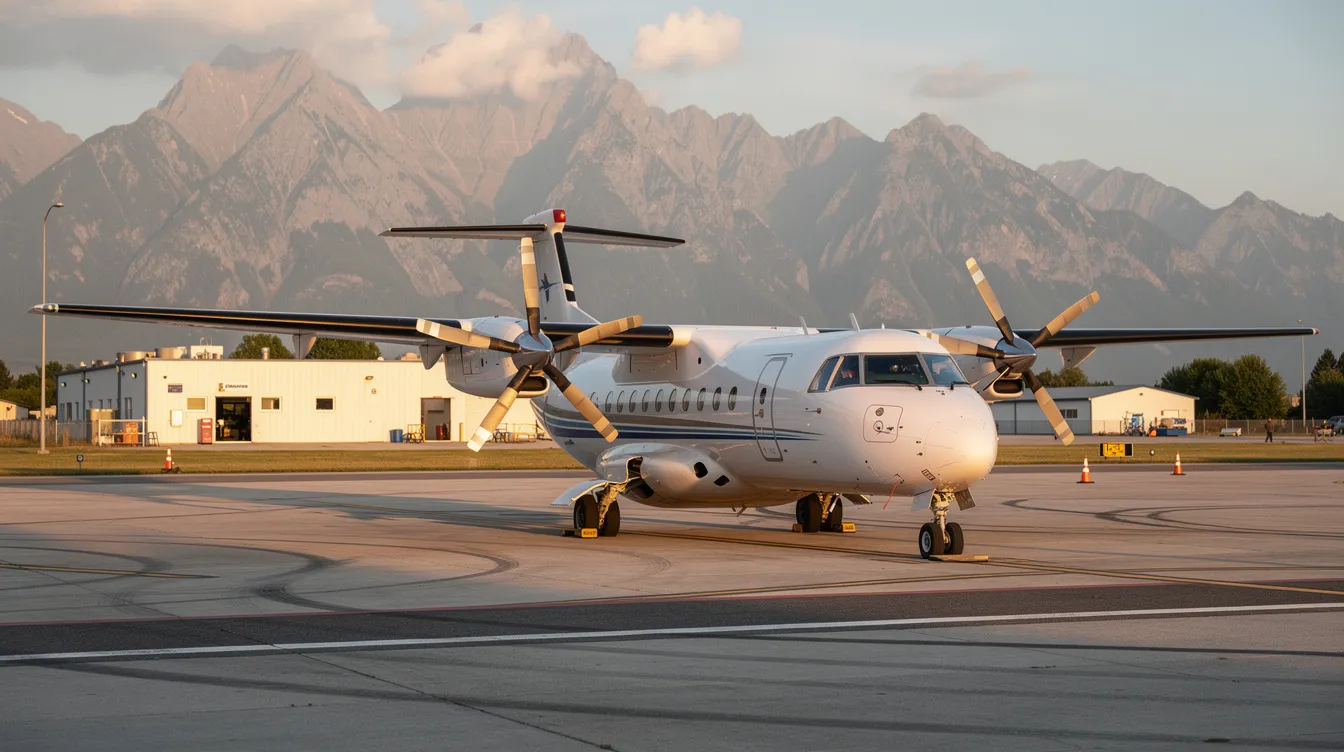
The Beechcraft 1900D is a 19-seat regional airliner known for its stand-up cabin, allowing passengers to walk upright. Despite production ending in 2002, it remains a popular choice for charter, cargo, and corporate shuttle services due to its versatility and efficiency. This guide covers its history, performance, and how to book a charter through Jettly.
Jay Franco Serevilla
Sep 21, 2026
|
5
min read
Explore our latest articles and updates.

5
min read
Fractional Jet Ownership Tax Benefits: Depreciation, Section 179 & Deductibility
Fractional jet ownership can offer significant tax advantages for qualified business operators, primarily through bonus depreciation, Section 179 expensing, and deductions for business-use flight activity. However, these benefits come with complexities, including compliance requirements, limitations on business use, and potential tax consequences such as depreciation recapture upon resale. The tax treatment varies based on ownership structure and individual circumstances, making it essential for buyers to consult with tax professionals to navigate these intricacies. For those prioritizing flexibility and reduced administrative burdens, jet card programs and charter services may provide simpler alternatives without the tax benefits associated with ownership.
Read More
5
min read
Fractional Ownership vs Jet Card vs Charter: Which Is Right for You?
This guide compares three private aviation options: fractional ownership, jet cards, and on-demand charter, highlighting their distinct trade-offs in cost, commitment, flexibility, and aircraft consistency. Fractional ownership requires a significant upfront investment and long-term commitment, making it suitable for frequent flyers (100-200+ hours/year) who value consistent access to a specific aircraft. Jet cards offer a more flexible, pay-as-you-go model ideal for moderate flyers (25-100 hours/year) seeking predictable pricing without ownership risks. On-demand charter is the most flexible and cost-effective option for occasional flyers (under 25 hours/year), allowing users to pay only for the flights they take without any long-term commitments.
Read MoreJoin our community and receive the latest blog updates directly in your inbox.
MEMBERSHIPS AND ASSOCIATIONS



Disclaimer: Jettly operates as a charter broker, offering access to a global digital jet charter marketplace. Jettly is not a direct air carrier and does not own or operate aircraft. All advertised flights are conducted by third-party air carriers that are fully licensed and hold the appropriate Part 135 or Part 121 certifications issued by the Federal Aviation Administration (FAA) or equivalent regulatory authorities under U.S. or foreign law. Jettly complies fully with the U.S. Department of Transportation's Part 295 and Part 298 Charter Broker regulations. Jettly does not carry additional liability insurance. Passengers are covered by aircraft operator insurance. TICO: 50023770


