


Login
Get Instant Pricing On 23,000+ Aircraft


When comparing private jet travel to commercial flights, the primary advantage lies in time savings, particularly in door-to-door travel time. Private jets can save travelers 90–180 minutes on many business routes due to expedited check-in, direct access to smaller airports, and flexible routing, while commercial flights often involve longer security lines and layovers. Although commercial airlines may be competitive on ultra-long-haul routes, private jets consistently offer a more efficient experience for short to medium-haul trips. Jettly's platform enables travelers to easily compare these options, emphasizing the importance of time management for frequent flyers.
Jay Franco Serevilla
Apr 22, 2026
|
5
min read


View all
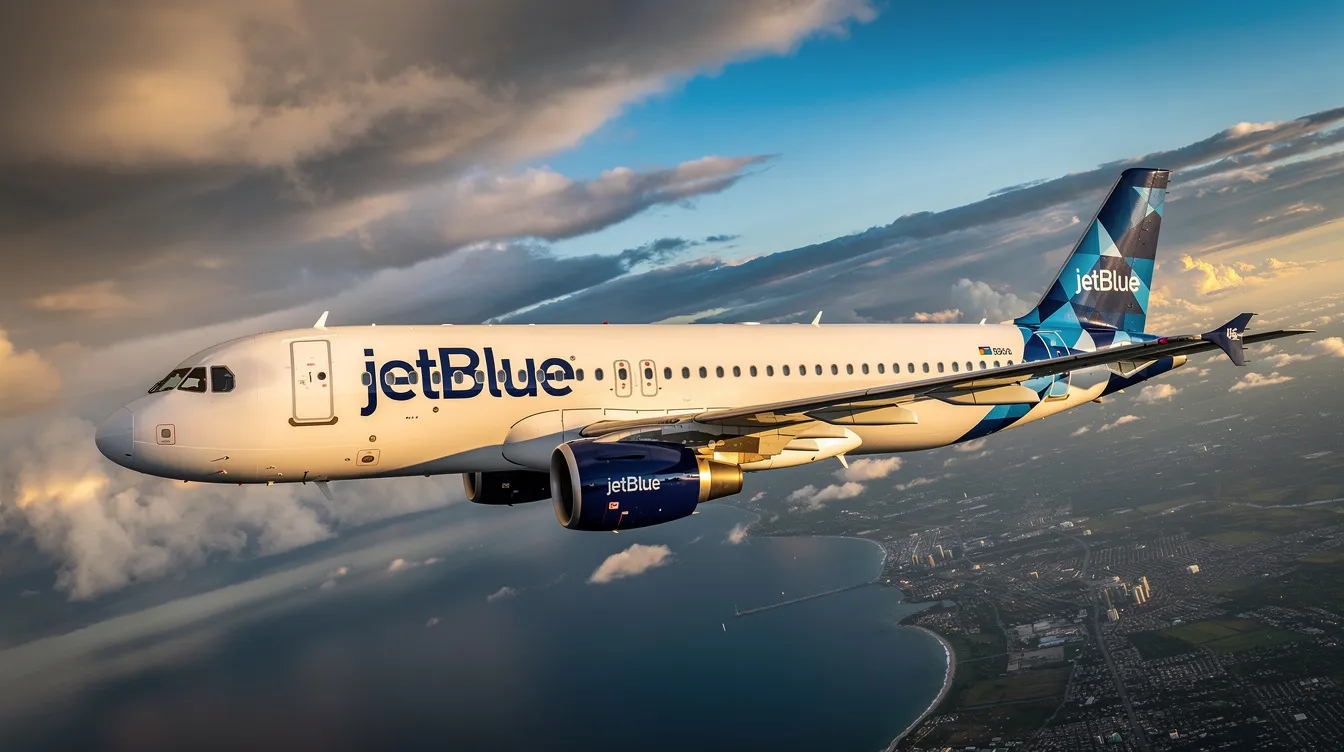
This article provides developers and travel planners with essential insights into accessing JetBlue's aviation data, including flight schedules and real-time status. It highlights the importance of integrating JetBlue's API with private charter services like Jettly to enhance travel solutions and optimize trip planning. Understanding these options allows for seamless passenger experiences and operational advantages.
Jay Franco Serevilla
Sep 13, 2026
|
5
min read
View all
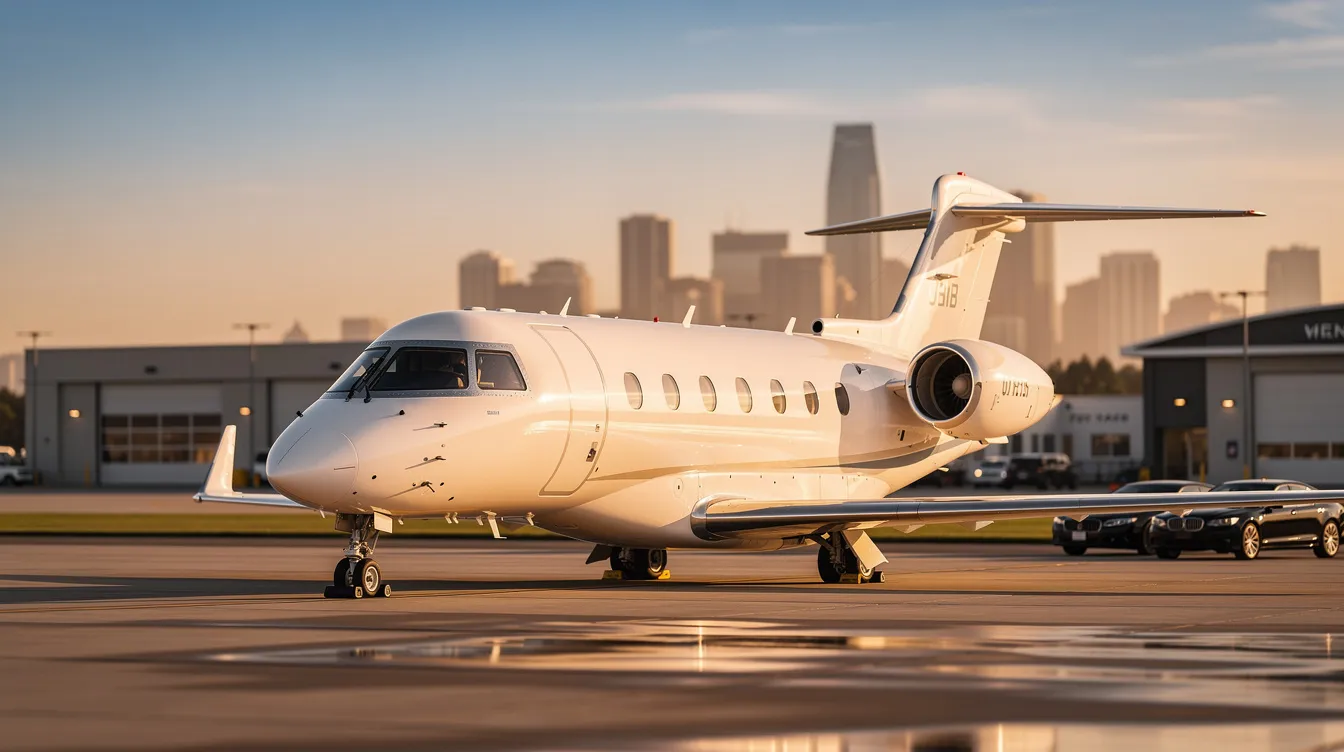
ATI Jet, now rebranded as Jetvia, specializes in private jet charters with a dedicated fleet of Learjet 60 aircraft. Established in 1985 in El Paso, TX, the company offers tailored services and a strong safety record, catering to both business and leisure travelers across North America. This overview compares Jetvia's fleet-based model with digital platforms like Jettly, highlighting the benefits of each for potential travelers.
Jay Franco Serevilla
Sep 13, 2026
|
5
min read
View all
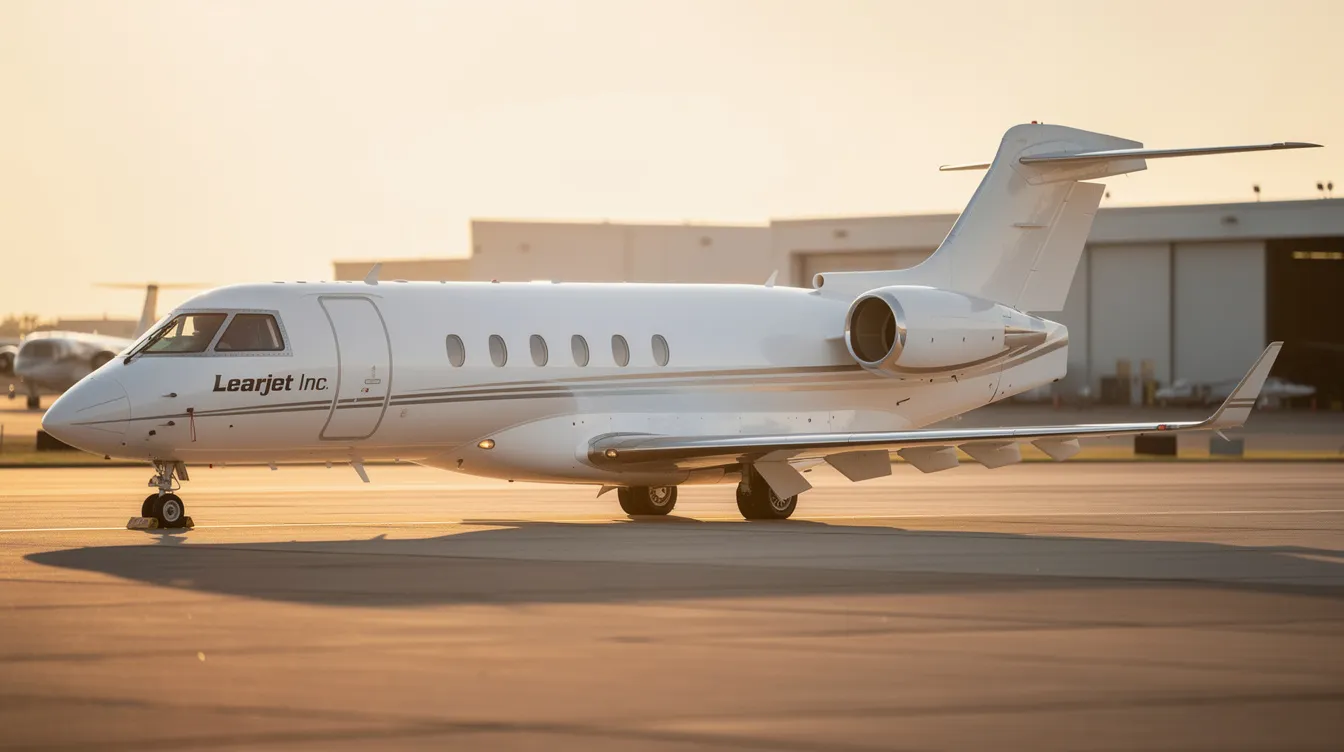
The Learjet 55 is a renowned midsize business jet known for its speed, altitude capability, and spacious stand-up cabin. Since its introduction in the early 1980s, it has remained a practical choice for charter travelers and aircraft buyers alike. This guide covers its performance, cabin features, operating costs, and charter options, providing essential insights for those interested in this versatile aircraft.
Jay Franco Serevilla
Sep 13, 2026
|
5
min read
View all
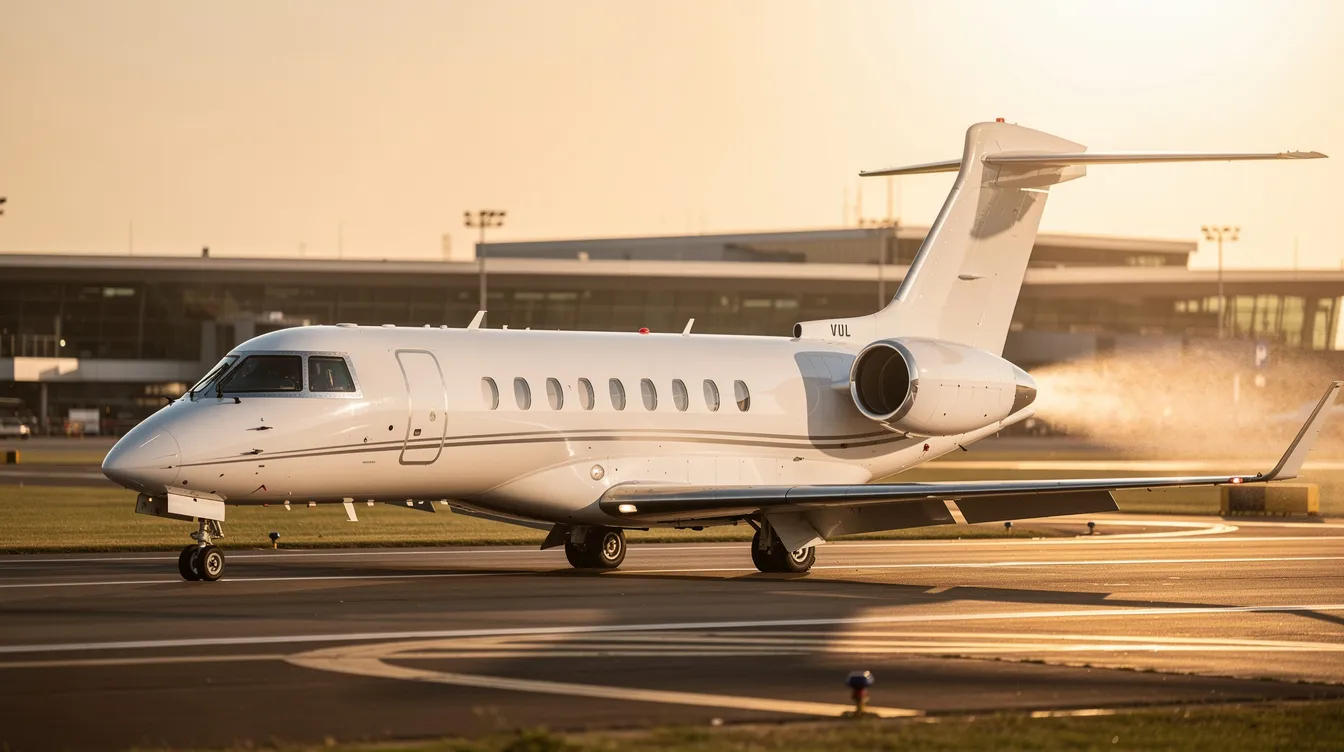
The Learjet 55 is a renowned midsize business jet known for its speed, altitude capability, and spacious stand-up cabin. Since its introduction in the early 1980s, it has remained a practical choice for charter travelers and aircraft buyers alike. This guide covers its performance, cabin features, operating costs, and charter options, making it a valuable resource for aviation enthusiasts.
Jay Franco Serevilla
Sep 13, 2026
|
5
min read
View all
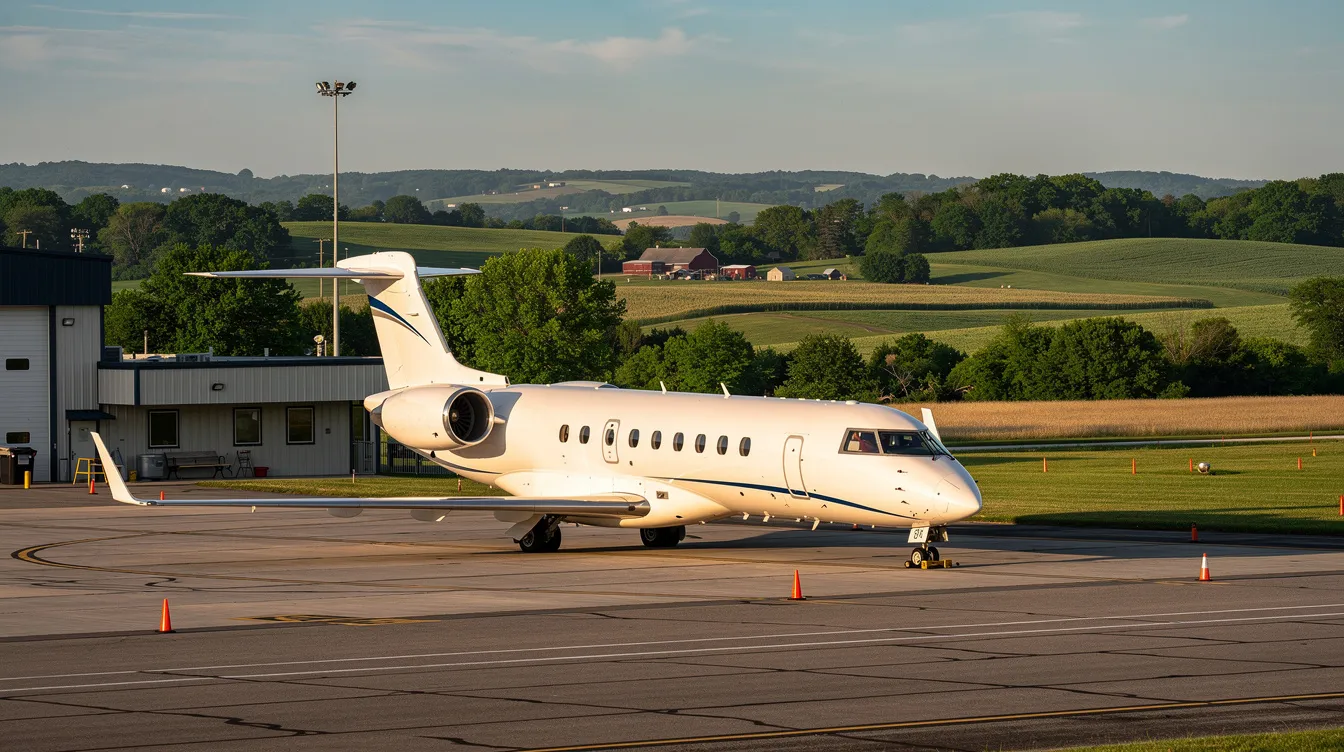
As the private jet charter landscape evolves in 2026, understanding the differences between Ultimate Jetcharters LLC and modern platforms like Jettly is essential. Ultimate Jetcharters, once a key player in group travel, has ceased operations, leaving travelers to seek flexible and efficient alternatives. Jettly offers access to over 20,000 aircraft, providing instant pricing and tailored services for various travel needs.
Jay Franco Serevilla
Sep 13, 2026
|
5
min read
View all
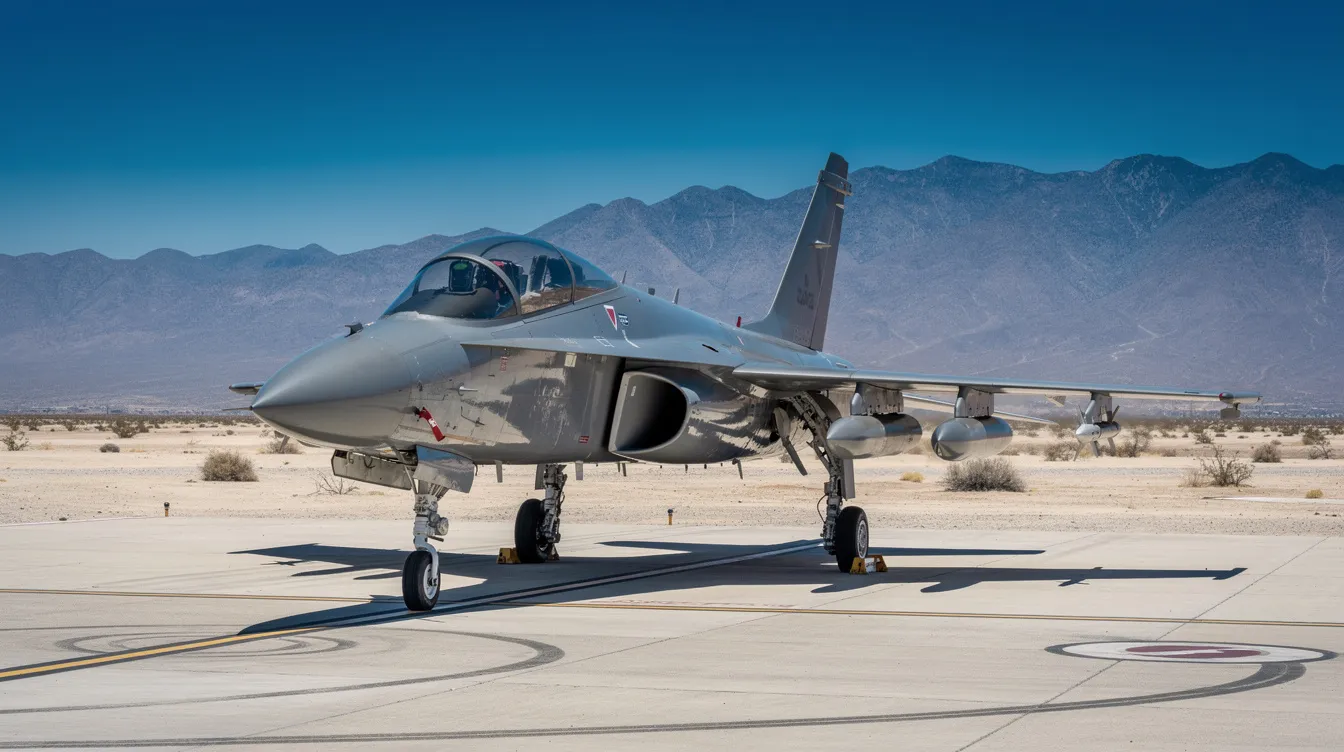
Jet rides offer a thrilling range of experiences, from luxurious private jet charters to adrenaline-pumping fighter jet flights. Jettly connects travelers with vetted operators for both comfort and adventure, making it easy to compare options and book unforgettable flights. Whether you're an aviation enthusiast or looking for a unique gift, this guide covers everything you need to know about jet rides.
Jay Franco Serevilla
Sep 13, 2026
|
5
min read
Explore our latest articles and updates.
5
min read
King Air E90 Operating Costs: Budget, Cost per Hour & Charter Alternatives
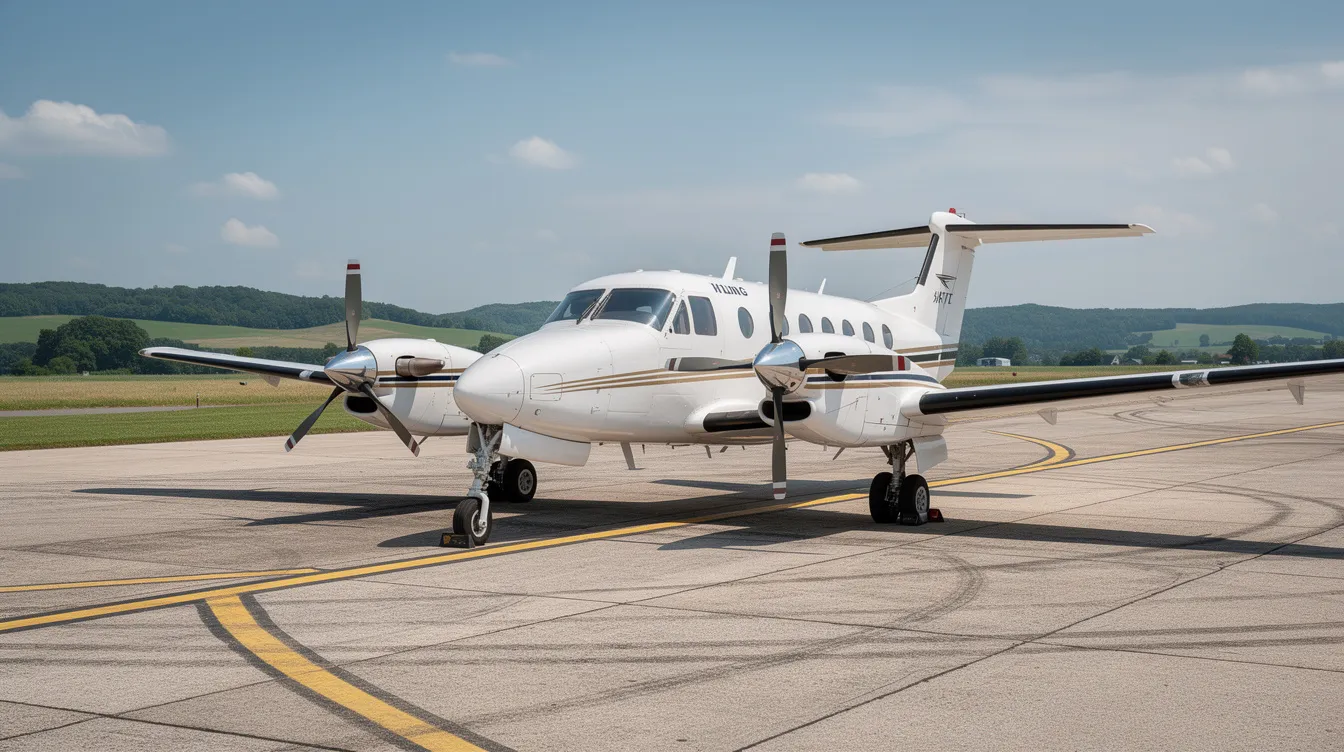
The Beechcraft King Air E90, a versatile turboprop aircraft, has annual operating costs that can exceed $1.1 million for high-utilization owners flying around 450 hours per year, with costs averaging approximately $2,577 per hour. Key cost drivers include fuel, maintenance, crew salaries, insurance, and hangar fees, with fuel being the largest variable expense. For those flying fewer than 200 hours annually, chartering through platforms like Jettly may be more cost-effective, as it avoids the high fixed costs associated with ownership. Ultimately, the decision between ownership and chartering hinges on expected flight hours and the value placed on aircraft availability and customization.
Read More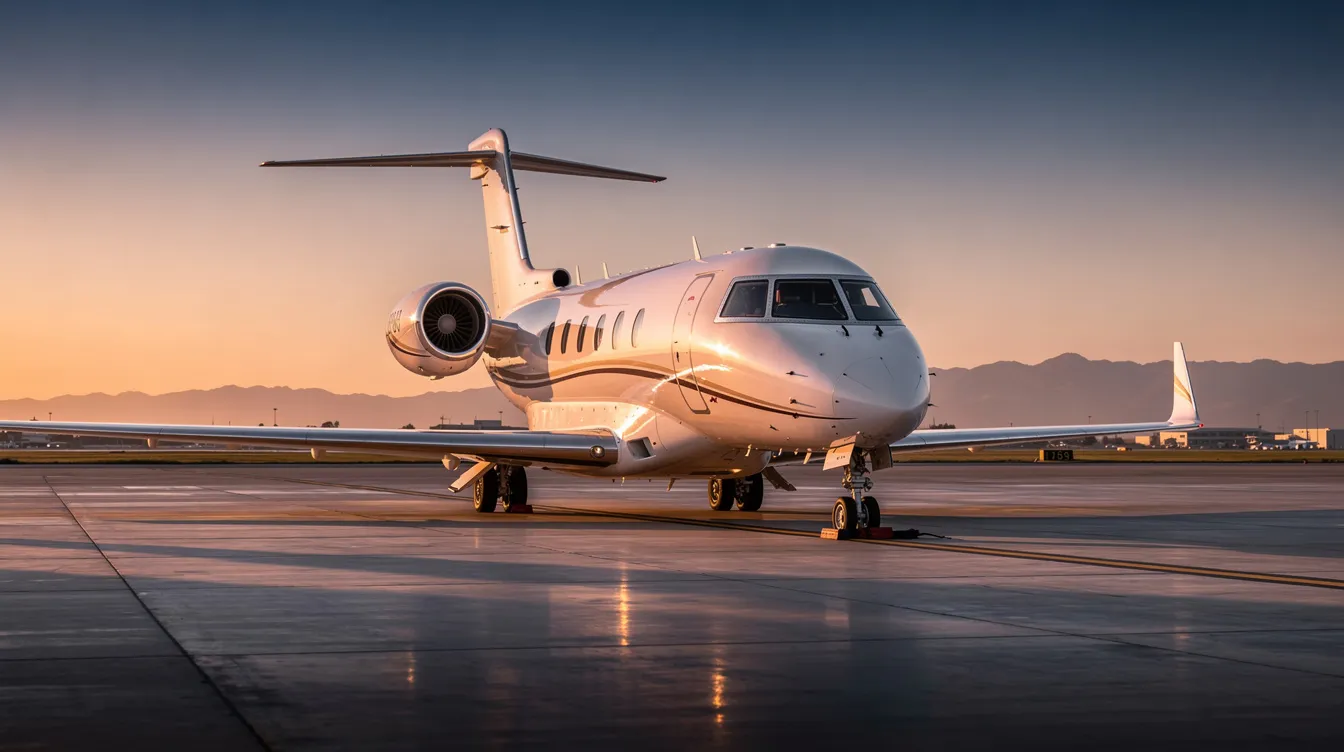
5
min read
Private Airplanes Cost: What It Really Takes to Fly, Rent, or Own
Understanding the costs of private airplanes involves three main components: chartering flights, purchasing an aircraft, and ongoing operational expenses. In 2026, charter rates range from approximately $2,000 to over $14,000 per hour, while purchase prices for new jets start at around $3.5 million and can exceed $81 million for ultra-long-range models. Annual operating costs can reach $500,000 to $2 million or more, depending on the aircraft type and usage, making chartering more cost-effective for those flying fewer than 200-250 hours annually. Jettly offers a digital marketplace for on-demand private jet charters, providing transparent pricing and flexibility without the burdens of ownership.
Read MoreJoin our community and receive the latest blog updates directly in your inbox.
MEMBERSHIPS AND ASSOCIATIONS



Disclaimer: Jettly operates as a charter broker, offering access to a global digital jet charter marketplace. Jettly is not a direct air carrier and does not own or operate aircraft. All advertised flights are conducted by third-party air carriers that are fully licensed and hold the appropriate Part 135 or Part 121 certifications issued by the Federal Aviation Administration (FAA) or equivalent regulatory authorities under U.S. or foreign law. Jettly complies fully with the U.S. Department of Transportation's Part 295 and Part 298 Charter Broker regulations. Jettly does not carry additional liability insurance. Passengers are covered by aircraft operator insurance. TICO: 50023770


