


Login
Get Instant Pricing On 23,000+ Aircraft


Santa Barbara private jet charters with Jettly provide a fast and flexible way to reach California's scenic coastal destination. With access to over 20,000 aircraft and transparent pricing, travelers can enjoy the convenience of flying into Santa Barbara Municipal Airport, just minutes from the beach and wine country.
Jay Franco Serevilla
Aug 4, 2026
|
5
min read


View all
The General Dynamics F-16 Fighting Falcon is a multirole air combat fighter known for its agility and advanced avionics, first delivered in 1979. With over 4,600 units built, it remains a key asset for around 25 air forces worldwide, showcasing continuous modernization and operational versatility. This guide explores its design, combat history, and relevance in modern military aviation.
Jay Franco Serevilla
Jul 29, 2026
|
5
min read

View all
In 2026, flight prices are expected to remain high due to factors like fuel costs and limited aircraft capacity. However, travelers can still find affordable options by booking strategically and being flexible with their travel dates. This guide offers insights for both commercial and private travelers on how to navigate pricing trends and secure better deals.
Jay Franco Serevilla
Jul 29, 2026
|
5
min read
View all
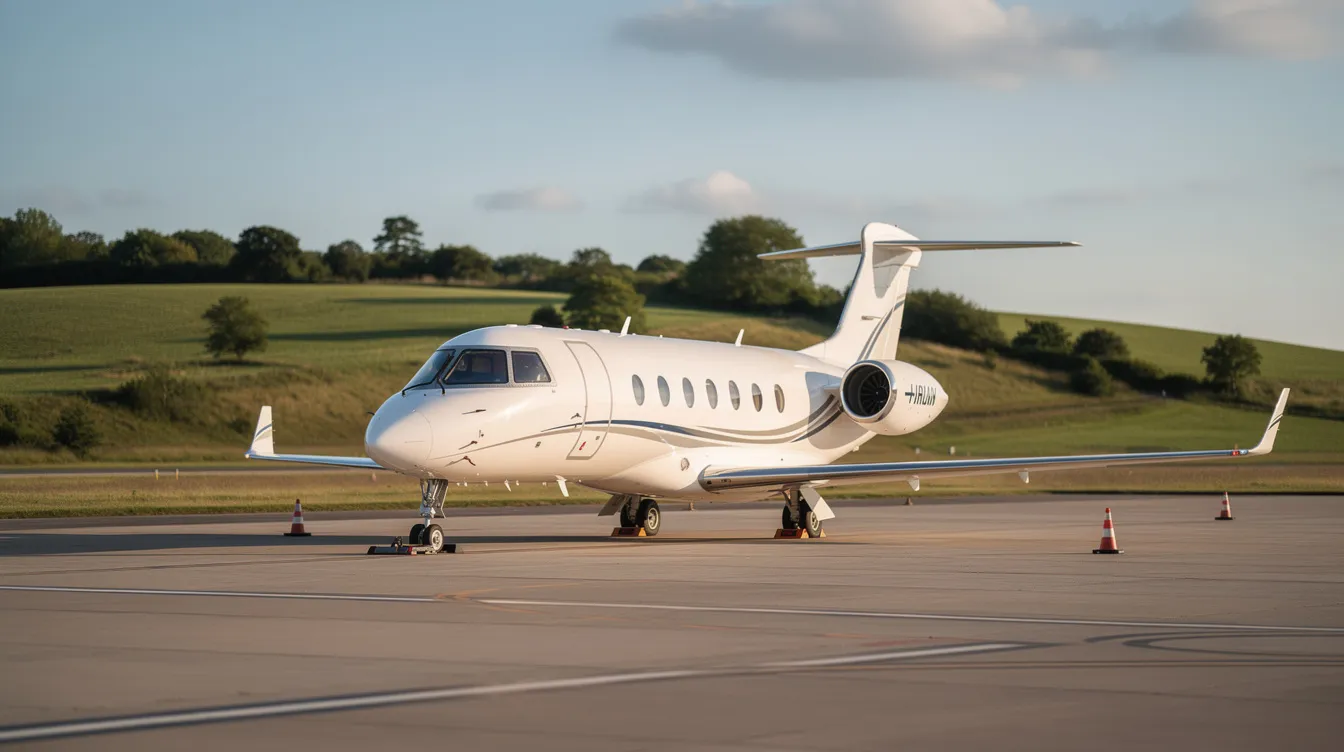
This guide explores small jet plane manufacturers, focusing on very light jets and light jets ideal for charter flyers and future owners. Key players include Cessna, Embraer, Honda, Cirrus, Pilatus, and Eclipse, each offering unique features for various missions. Understanding these manufacturers helps set realistic expectations for comfort, performance, and operational efficiency in business aviation.
Jay Franco Serevilla
Jul 29, 2026
|
5
min read
View all
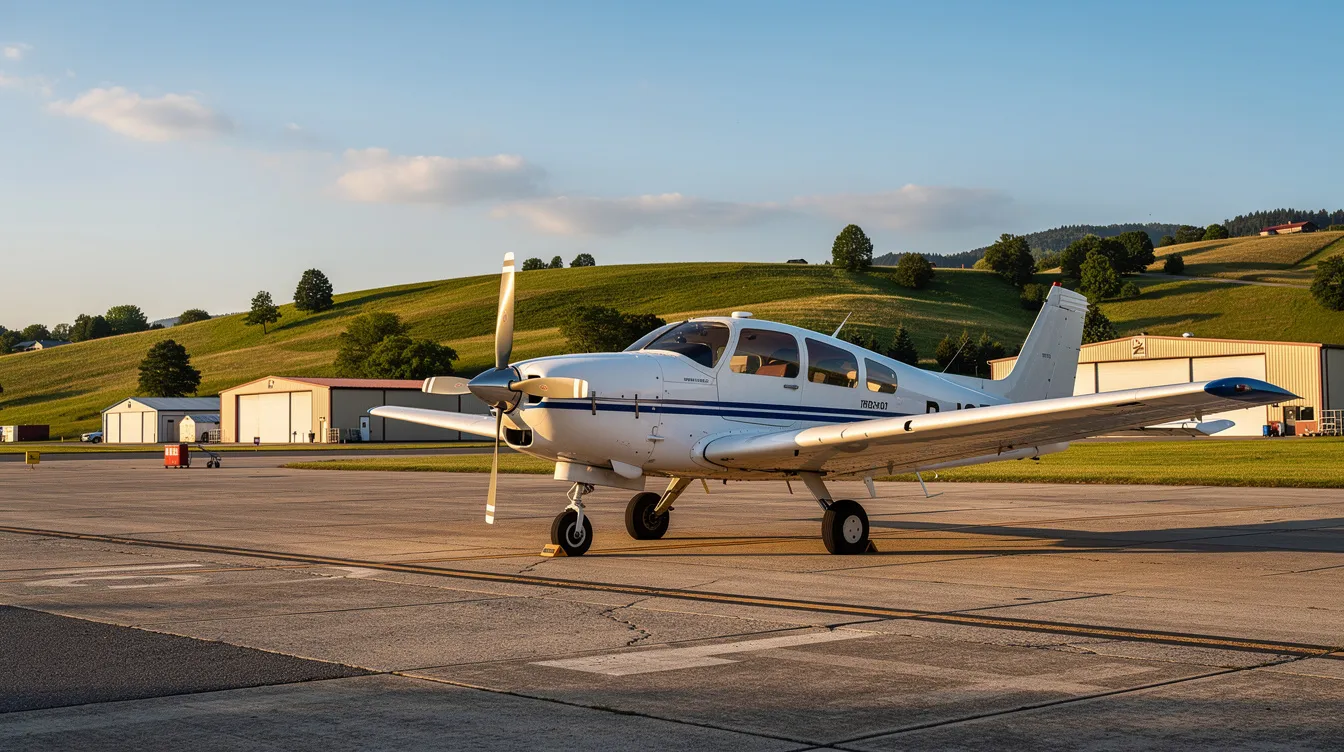
Discover the best small airplanes for various travel needs, from piston singles to light jets. This guide highlights top models, their unique capabilities, and how to access them via charter services like Jettly. Whether for business or leisure, find the perfect aircraft to suit your mission profile without the burden of ownership.
Jay Franco Serevilla
Jul 29, 2026
|
5
min read
View all
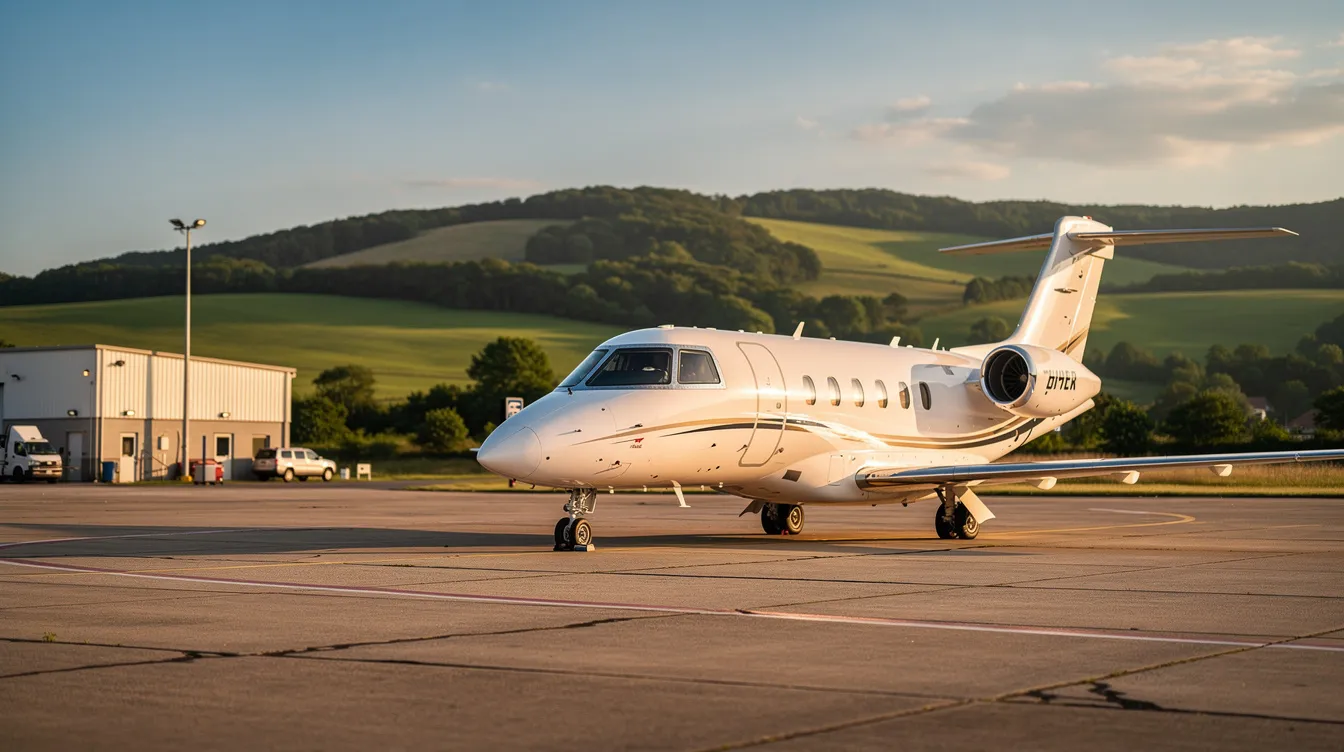
Discover the best small jet aircraft for charter in 2026, including top models like the Cirrus Vision Jet and HondaJet Elite II. This guide highlights their specifications, advantages, and how they cater to various travel needs, making them ideal for both business and leisure trips. With Jettly's digital platform, booking these jets is easier than ever.
Jay Franco Serevilla
Jul 29, 2026
|
5
min read

View all
Personal ultralight aircraft provide a unique flying experience for aviation enthusiasts, allowing for low-cost, hands-on flight without the regulatory burdens of traditional aircraft. In 2026, these single-seat machines complement private jet travel by offering local recreational flying while chartered jets handle time-sensitive trips. This guide explores the integration of ultralights into modern travel lifestyles, covering regulations, costs, and popular models.
Jay Franco Serevilla
Jul 29, 2026
|
5
min read
Explore our latest articles and updates.
5
min read
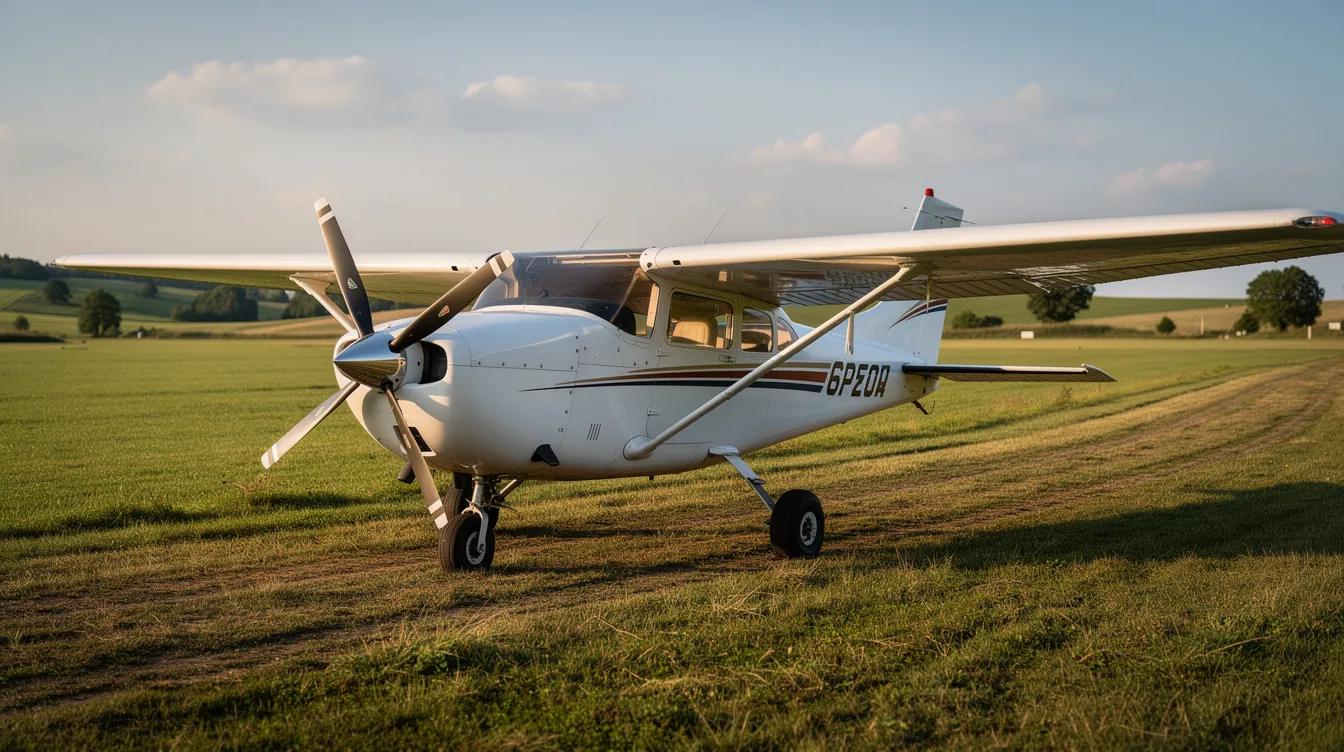
Cessna 182 Useful Load: Real-World Numbers, Tradeoffs & Planning
The Cessna 182's useful load is crucial for pilots when planning flights, as it determines how much weight can be carried, including passengers and fuel. This guide explores the useful load across various Cessna 182 models, highlighting trade-offs and practical loading scenarios for effective flight planning.
Read More
5
min read
How Much Is Airplane Fuel? Jet Fuel Prices, Costs, and What They Mean for Private Flights
As of May 2026, airplane fuel prices in the U.S. range from $7.00 to $9.20 per gallon for Jet A, significantly impacting private flight costs. Understanding these prices is crucial for frequent flyers, as fuel constitutes a major portion of charter expenses. Jettly offers transparent pricing that incorporates real-time fuel costs to help travelers budget effectively.
Read MoreJoin our community and receive the latest blog updates directly in your inbox.
MEMBERSHIPS AND ASSOCIATIONS



Disclaimer: Jettly operates as a charter broker, offering access to a global digital jet charter marketplace. Jettly is not a direct air carrier and does not own or operate aircraft. All advertised flights are conducted by third-party air carriers that are fully licensed and hold the appropriate Part 135 or Part 121 certifications issued by the Federal Aviation Administration (FAA) or equivalent regulatory authorities under U.S. or foreign law. Jettly complies fully with the U.S. Department of Transportation's Part 295 and Part 298 Charter Broker regulations. Jettly does not carry additional liability insurance. Passengers are covered by aircraft operator insurance. TICO: 50023770


