


Login
Get Instant Pricing On 23,000+ Aircraft


Traveling internationally by private jet offers unparalleled convenience and flexibility, allowing passengers to bypass crowded commercial airports and streamline customs processes. Jettly provides access to over 20,000 aircraft worldwide, making it easy to book tailored flights that fit individual schedules and preferences. This guide explores the unique aspects of international private flights, including costs, aircraft types, and the booking process.
Jay Franco Serevilla
Aug 5, 2026
|
5
min read


View all
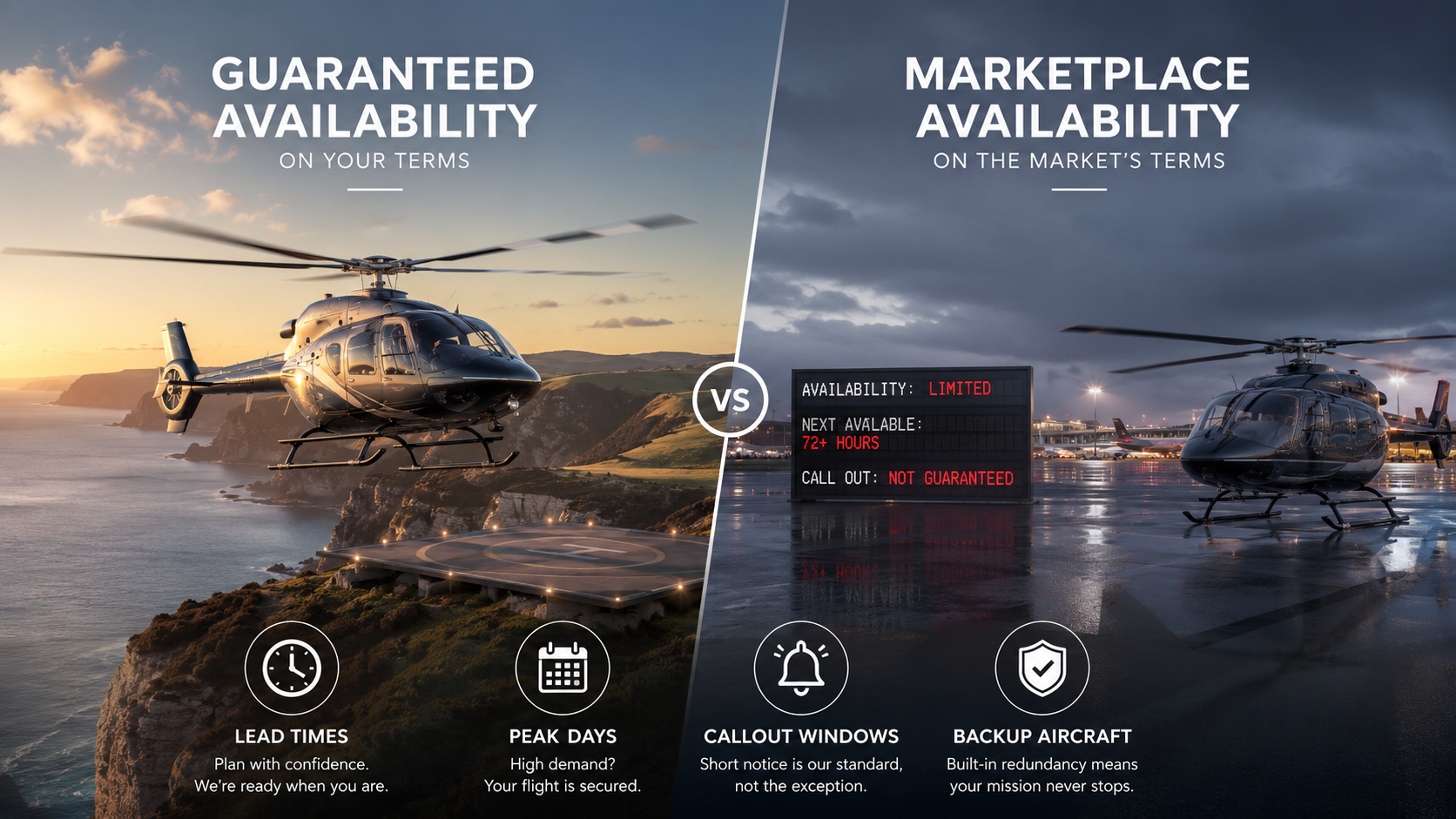
In private aviation, guaranteed availability offers a contract-backed promise for aircraft access, while marketplace availability provides real-time access to a larger fleet based on supply and demand. Understanding the differences in lead times, peak days, and backup aircraft options is crucial for making informed decisions. This guide breaks down the nuances of both models to help you choose the best fit for your flying needs.
Jay Franco Serevilla
Jul 25, 2026
|
5
min read

View all
Helicopter passenger capacity varies significantly based on the model, typically accommodating 2 to 8 passengers plus a pilot. Larger helicopters can carry 15 or more, but real-world factors like weight, baggage, and safety regulations often limit the actual number of passengers. Jettly's platform simplifies the process of selecting the right helicopter for your travel needs.
Jay Franco Serevilla
Jul 25, 2026
|
5
min read
View all
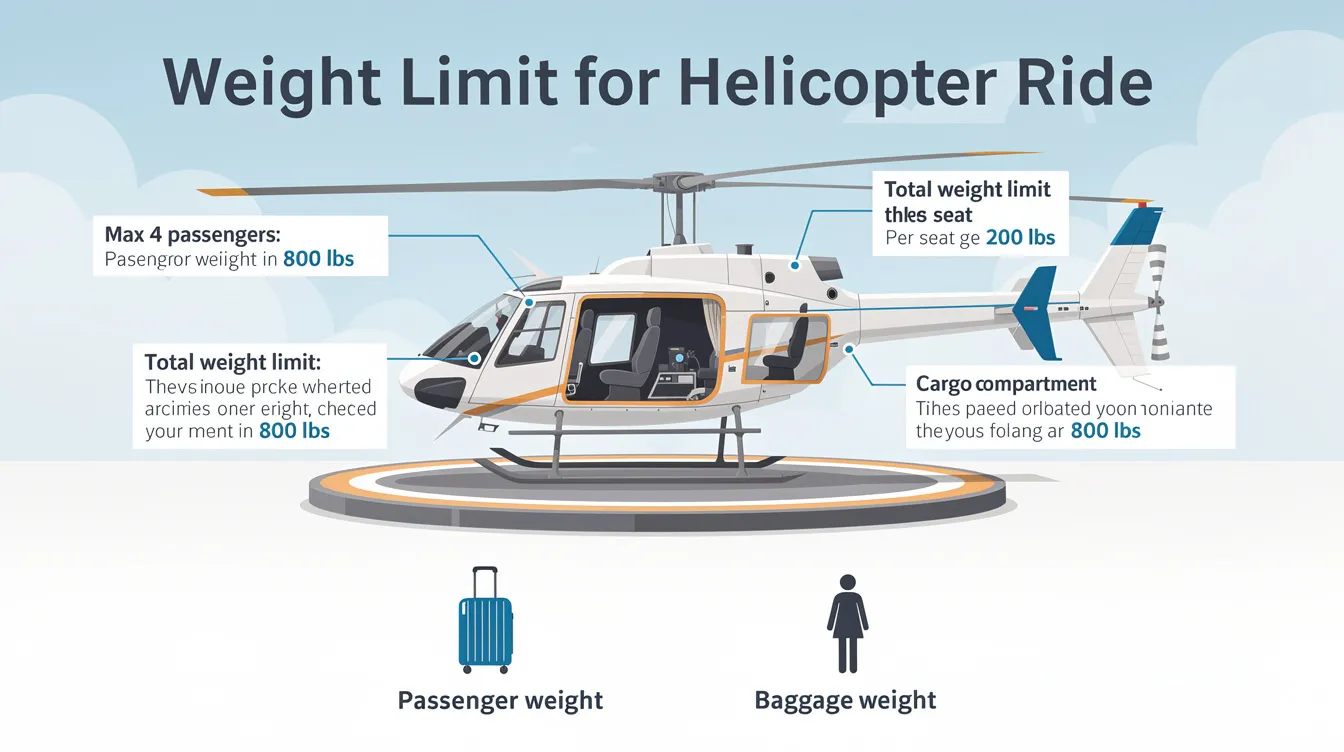
Understanding helicopter weight limits is crucial for ensuring safety and comfort during flights. Each helicopter has specific weight restrictions that can affect seating arrangements and costs. Passengers should be aware of these limits and plan accordingly to avoid surprises.
Jay Franco Serevilla
Jul 25, 2026
|
5
min read

View all
Helicopter specs provide essential performance data that define a rotorcraft's capabilities, including weight, speed, range, and passenger capacity. Understanding these specifications is crucial for selecting the right helicopter for various missions, from VIP transfers to emergency services. This guide simplifies complex technical details, helping users make informed decisions based on their travel needs.
Jay Franco Serevilla
Jul 25, 2026
|
5
min read

View all
Helicopter landings are critical for ensuring passenger safety and comfort, requiring precise techniques and awareness of environmental factors. Pilots utilize various landing approaches tailored to terrain and conditions, while platforms like Jettly ensure certified operators manage these complexities effectively. Understanding these processes enhances the travel experience for charter passengers.
Jay Franco Serevilla
Jul 25, 2026
|
5
min read

View all
A 6 seat helicopter strikes the perfect balance between passenger capacity and operational efficiency, making it ideal for business teams and family trips. With models like the Bell 429 and Leonardo AW119Kx, these helicopters offer spacious cabins and advanced safety features. Jettly's platform simplifies the booking process, allowing travelers to compare options and secure charters effortlessly.
Jay Franco Serevilla
Jul 25, 2026
|
5
min read
Explore our latest articles and updates.

5
min read
Lease a Cessna: How to Access Cessna Aircraft Without Buying
Leasing a Cessna aircraft provides an affordable alternative to ownership, allowing pilots, flight schools, and businesses to access various models without significant upfront costs. With options like dry and wet leases, operators can tailor agreements to their specific needs while enjoying predictable budgeting. For those seeking flexibility, platforms like Jettly offer on-demand charter services as a viable alternative.
Read More
5
min read
Flights to Zapopan: How to Get There, Save Time, and Upgrade with Private Charter
Traveling to Zapopan requires flying into Guadalajara Miguel Hidalgo y Costilla International Airport (GDL), located about 25-30 km away. This guide outlines both commercial and private flight options, helping travelers save time and choose the best fit for their needs. With competitive pricing and flexible scheduling, private jet charters through Jettly offer a convenient alternative for those seeking comfort and efficiency.
Read MoreJoin our community and receive the latest blog updates directly in your inbox.
MEMBERSHIPS AND ASSOCIATIONS



Disclaimer: Jettly operates as a charter broker, offering access to a global digital jet charter marketplace. Jettly is not a direct air carrier and does not own or operate aircraft. All advertised flights are conducted by third-party air carriers that are fully licensed and hold the appropriate Part 135 or Part 121 certifications issued by the Federal Aviation Administration (FAA) or equivalent regulatory authorities under U.S. or foreign law. Jettly complies fully with the U.S. Department of Transportation's Part 295 and Part 298 Charter Broker regulations. Jettly does not carry additional liability insurance. Passengers are covered by aircraft operator insurance. TICO: 50023770


