



Login
Get Instant Pricing On 23,000+ Aircraft


Understanding aircraft time is essential in private aviation, influencing trip planning, pricing, and safety compliance. Flight time varies by region and is calculated differently, affecting everything from crew scheduling to fuel needs. Platforms like Jettly provide tools to accurately estimate flight time and costs, ensuring a seamless booking experience.
Jay Franco Serevilla
Oct 27, 2026
|
5
min read



View all
The Cessna Grand Caravan on floats is a versatile amphibious aircraft, ideal for accessing remote destinations without runways. With its powerful PT6A-140 engine and spacious cabin, it accommodates various missions, from tourism to humanitarian services. Jettly offers charter options for this aircraft, making it easy to reach waterfront locations.
Jay Franco Serevilla
Aug 24, 2026
|
5
min read

View all
The GippsAero GA8 Airvan is a versatile single-engine utility aircraft designed for rugged operations, accommodating up to 8 occupants. With a cruising speed of 140 mph and a range of 840 nautical miles, it excels in remote transport, sightseeing, and humanitarian missions. Jettly offers charter options for this aircraft, making it an ideal choice for various operational needs.
Jay Franco Serevilla
Aug 24, 2026
|
5
min read

View all
The Winnebago Heli-Home represents a unique intersection of aviation and RV culture, showcasing the dream of a flying camper. Despite its innovative design, high costs and operational complexities prevented it from becoming mainstream. Today, modern alternatives like Jettly offer efficient air travel paired with traditional RV experiences, allowing adventurous travelers to explore remote destinations without the burdens of ownership.
Jay Franco Serevilla
Aug 24, 2026
|
5
min read

View all
Jet trailers, manufactured by Jet Company in Humboldt, Iowa, are specialized semi-trailers designed for agriculture, construction, and heavy hauling. This comprehensive guide covers various models, including side dumps, grain hoppers, and drop decks, detailing their specifications, pricing, and unique features that enhance performance and resale value.
Jay Franco Serevilla
Aug 24, 2026
|
5
min read
View all
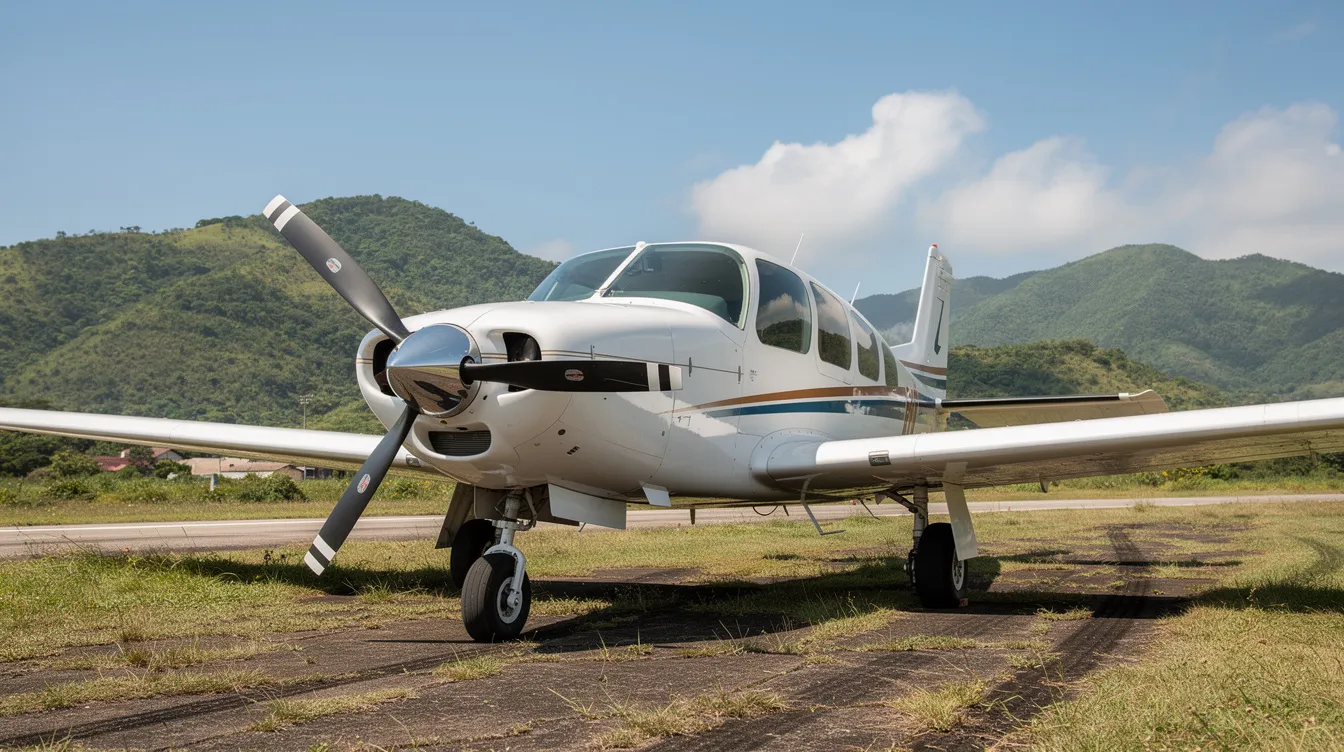
Cessna turboprops, including the Grand Caravan EX and SkyCourier, are versatile aircraft ideal for private aviation, especially for remote and regional missions. With their short takeoff and landing capabilities, they can access locations that jets cannot, making them a cost-effective choice for both passenger and cargo transport. This guide provides insights into their specifications, interior options, and how to book through Jettly.
Jay Franco Serevilla
Aug 24, 2026
|
5
min read

View all
The Cessna P210N is a turbocharged, pressurized single-engine aircraft known for its efficiency and comfort at altitude. With a maximum range of 661 NM and a service ceiling of 23,000 feet, it is ideal for regional travel. However, potential owners should consider significant operating costs and maintenance requirements before purchasing.
Jay Franco Serevilla
Aug 24, 2026
|
5
min read
Explore our latest articles and updates.

5
min read
Owning a Private Plane: Costs, Models, and When It Makes Financial Sense
Owning a private plane offers significant advantages in flexibility, convenience, and time savings for frequent travelers, allowing them to bypass commercial flight constraints. There are various ownership models, including outright ownership, fractional ownership, and jet card programs, each catering to different financial and usage needs. While ownership entails substantial upfront and ongoing costs, the benefits often justify the investment for high-net-worth individuals and businesses. Additionally, environmental considerations and regulatory compliance are important factors to consider, and chartering can serve as an alternative for those seeking private travel without the full responsibilities of ownership.
Read More
5
min read
Private Airlines California: Charter Flights, Aircraft Types, and Jettly Benefits
Private airlines in California offer flexible and efficient travel options, catering to business executives, families, and leisure travelers with customizable schedules and direct routes. Jettly's platform simplifies the booking process, providing access to over 20,000 aircraft, including light, midsize, and large jets, with popular routes like Los Angeles to Las Vegas and San Francisco. Travelers benefit from significant time savings, avoiding TSA lines and crowded airports, while safety standards are upheld through FAA certifications and third-party audits. Jettly also offers cost-saving opportunities through empty leg flights and membership options for frequent flyers, making private jet travel more accessible and convenient. For more information or to get instant pricing, visit https://www.jettly.com.
Read MoreJoin our community and receive the latest blog updates directly in your inbox.
MEMBERSHIPS AND ASSOCIATIONS



Disclaimer: Jettly operates as a charter broker, offering access to a global digital jet charter marketplace. Jettly is not a direct air carrier and does not own or operate aircraft. All advertised flights are conducted by third-party air carriers that are fully licensed and hold the appropriate Part 135 or Part 121 certifications issued by the Federal Aviation Administration (FAA) or equivalent regulatory authorities under U.S. or foreign law. Jettly complies fully with the U.S. Department of Transportation's Part 295 and Part 298 Charter Broker regulations. Jettly does not carry additional liability insurance. Passengers are covered by aircraft operator insurance. TICO: 50023770


