


Login
Get Instant Pricing On 23,000+ Aircraft

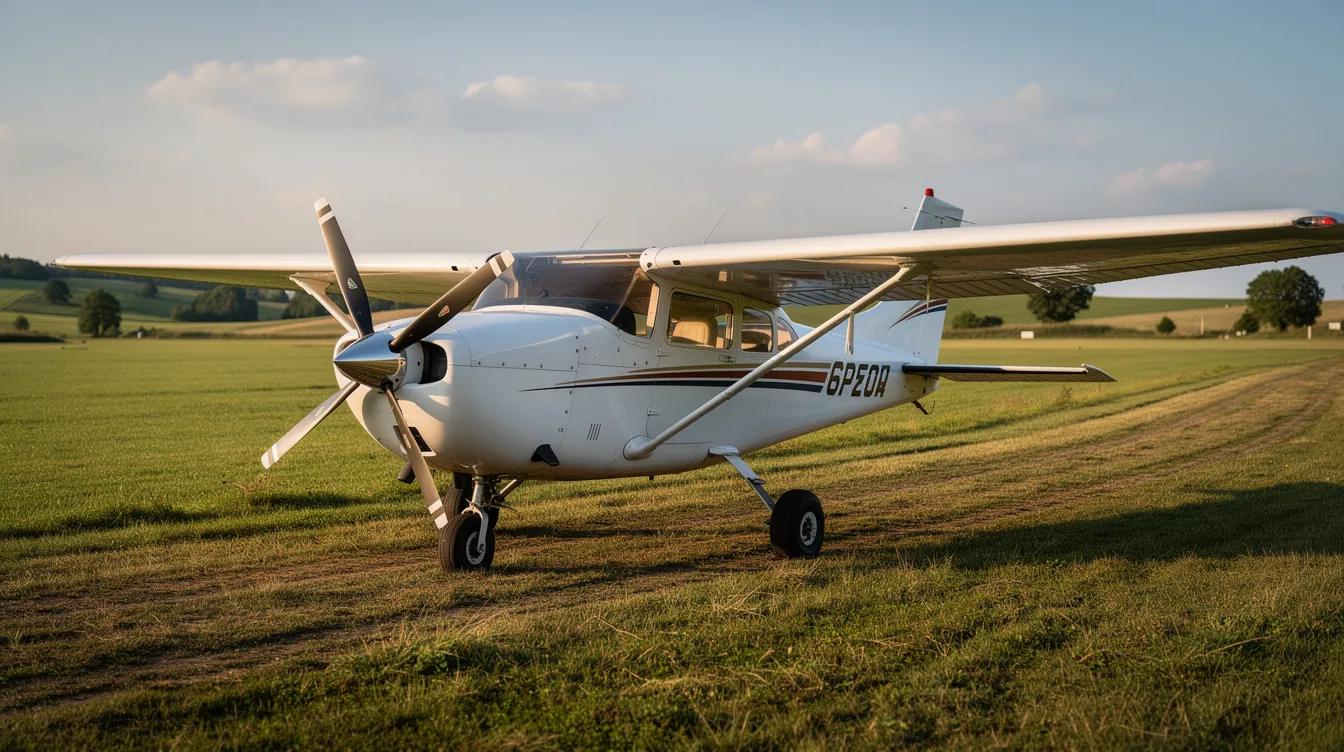
The Cessna 182's useful load is crucial for pilots when planning flights, as it determines how much weight can be carried, including passengers and fuel. This guide explores the useful load across various Cessna 182 models, highlighting trade-offs and practical loading scenarios for effective flight planning.
Jeff Ryan Serevilla
Oct 6, 2026
|
5
min read


View all
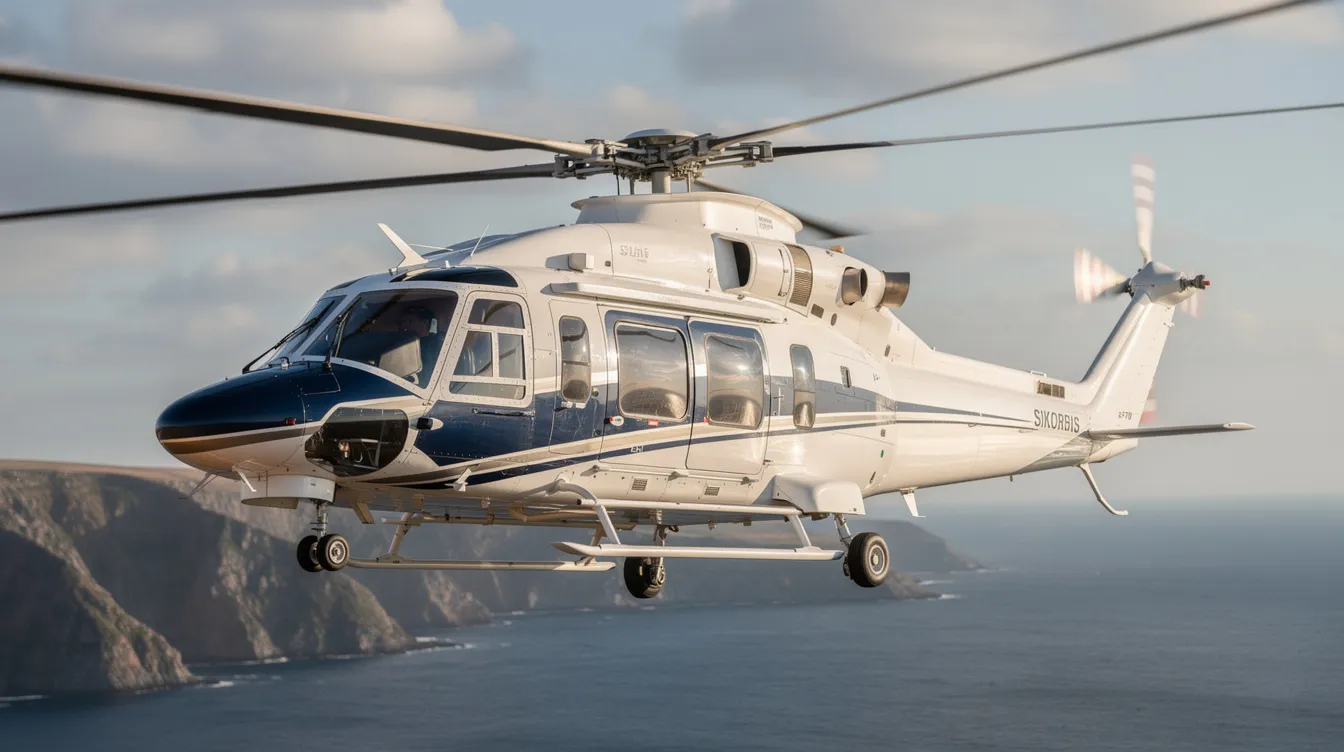
The Sikorsky S-76C is a versatile medium twin-engine helicopter known for its reliability and performance in various roles, including offshore oil transport, air ambulance, and VIP services. With a comfortable cabin and advanced technology, it remains a top choice for charter clients seeking efficiency and safety. This guide provides insights into its specifications, mission profiles, and how to charter through platforms like Jettly.
Jay Franco Serevilla
Aug 2, 2026
|
5
min read
View all
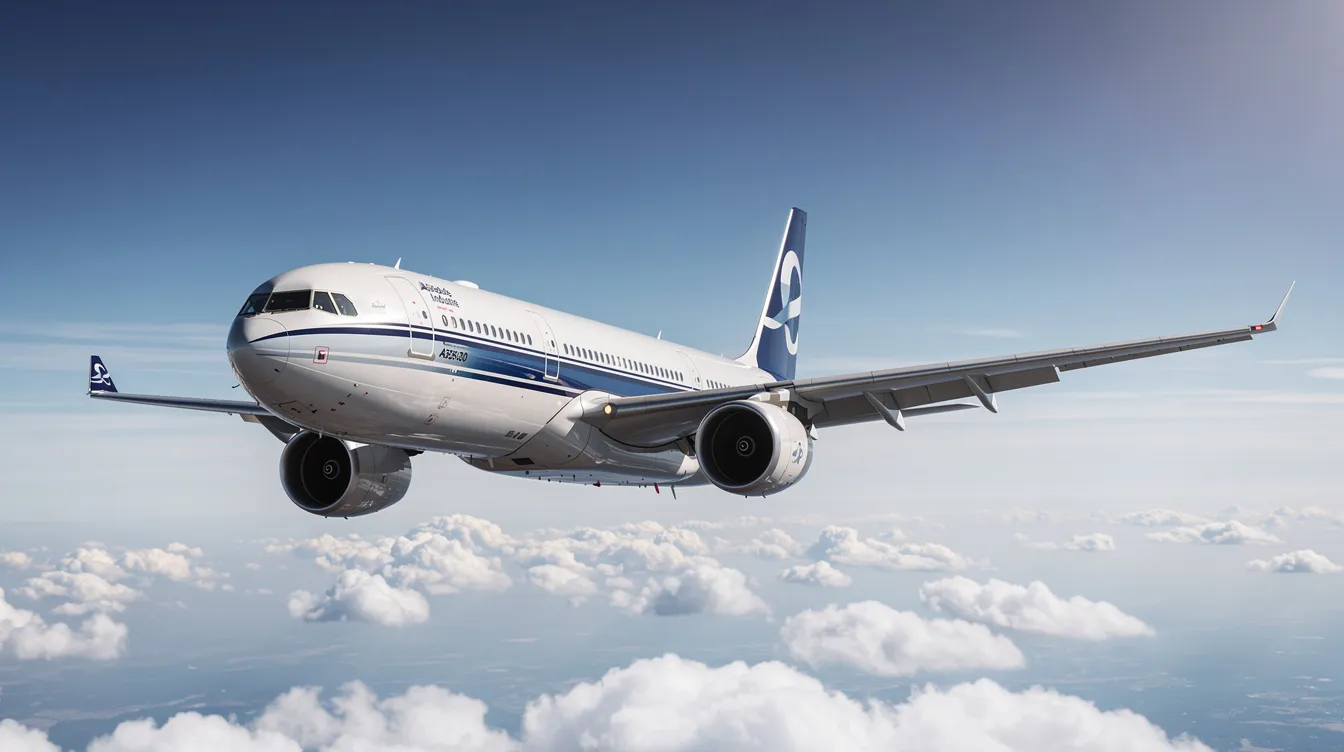
The Airbus A330-300 is a versatile twin-engine wide-body airliner, accommodating 250-300 passengers with a range of 9,000 to 11,750 km. Known for its fuel efficiency and reliability, it serves both commercial and charter markets, making it ideal for large groups and long-haul flights. This article explores its specifications, seat maps, and charter insights, providing valuable information for travelers and planners alike.
Jay Franco Serevilla
Aug 2, 2026
|
5
min read
View all
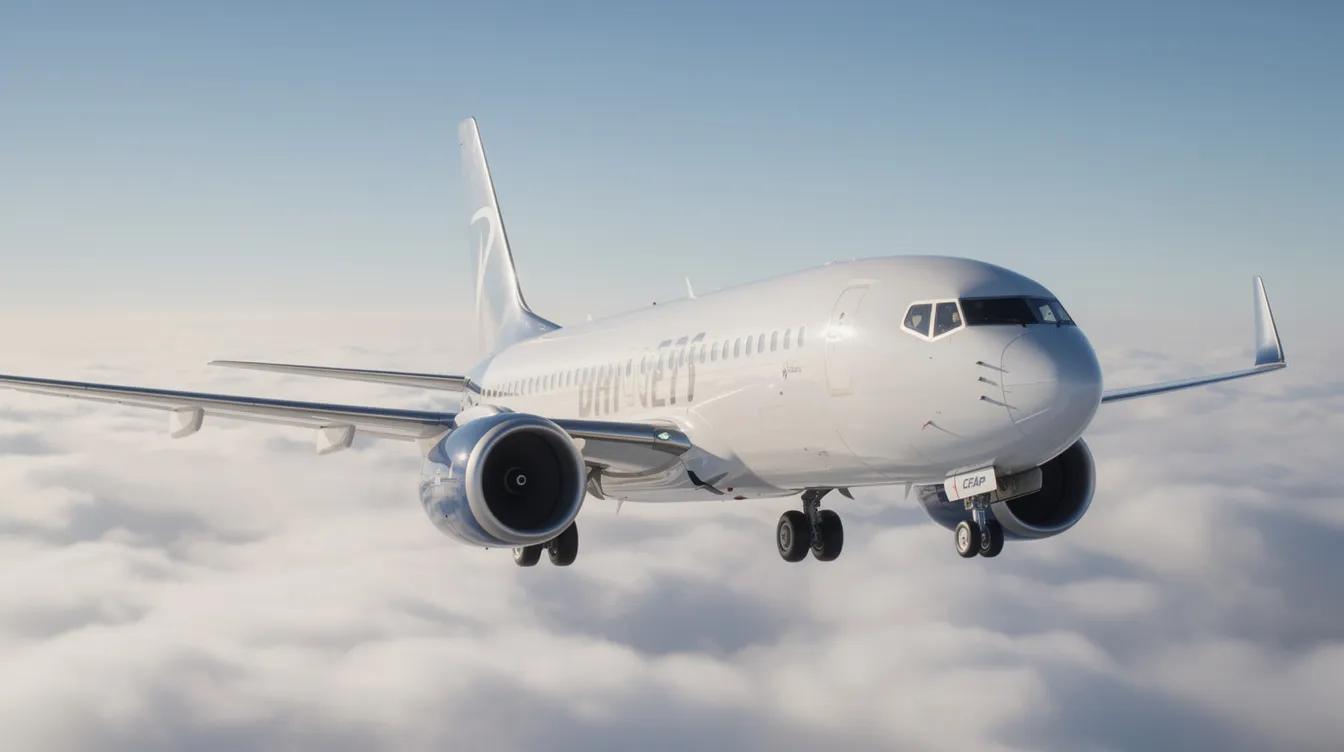
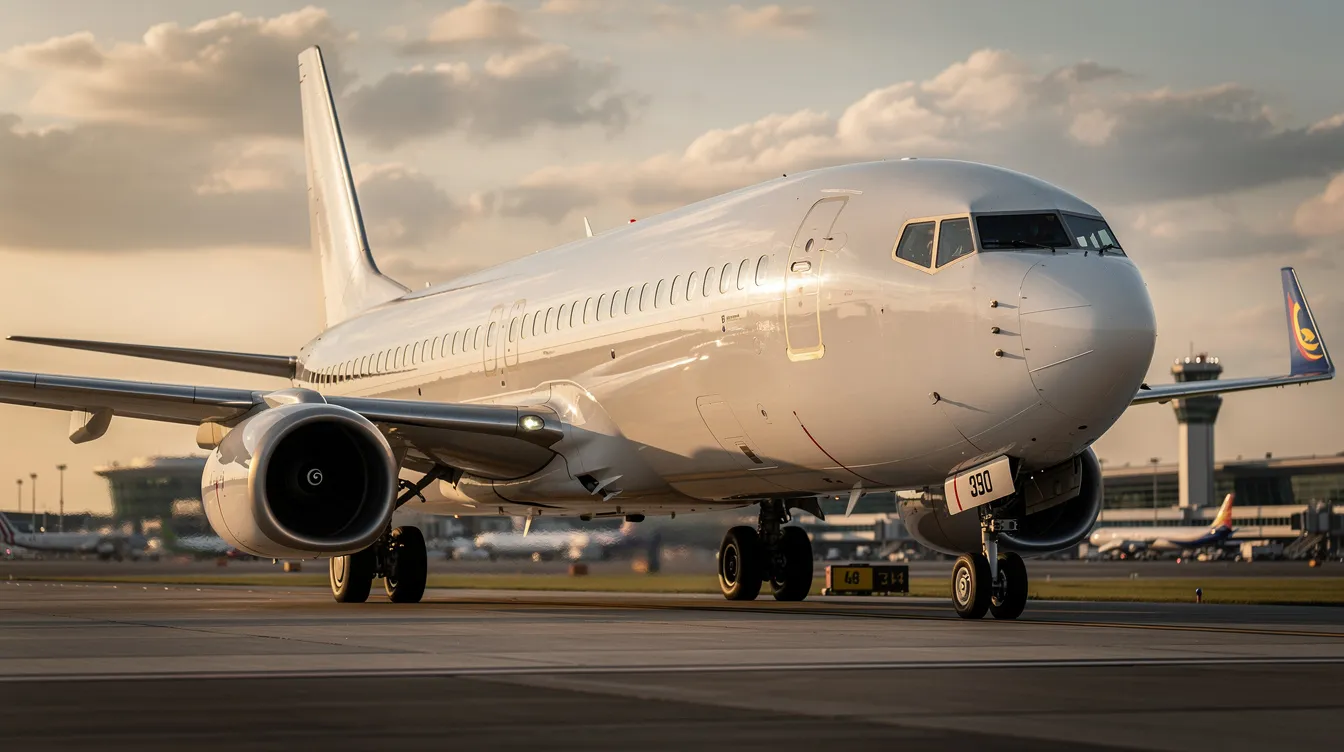
The Boeing 737 MAX 8 is a fourth-generation narrow-body airliner known for its fuel efficiency and modern design, but it also carries a troubled safety history due to two fatal crashes. This article delves into its development, safety reforms, and the implications for air travel today, especially in light of the extensive changes made post-grounding. Understanding the MAX 8 is crucial for travelers and aviation enthusiasts alike as it shapes perceptions of aircraft safety.
Jay Franco Serevilla
Aug 2, 2026
|
5
min read
View all
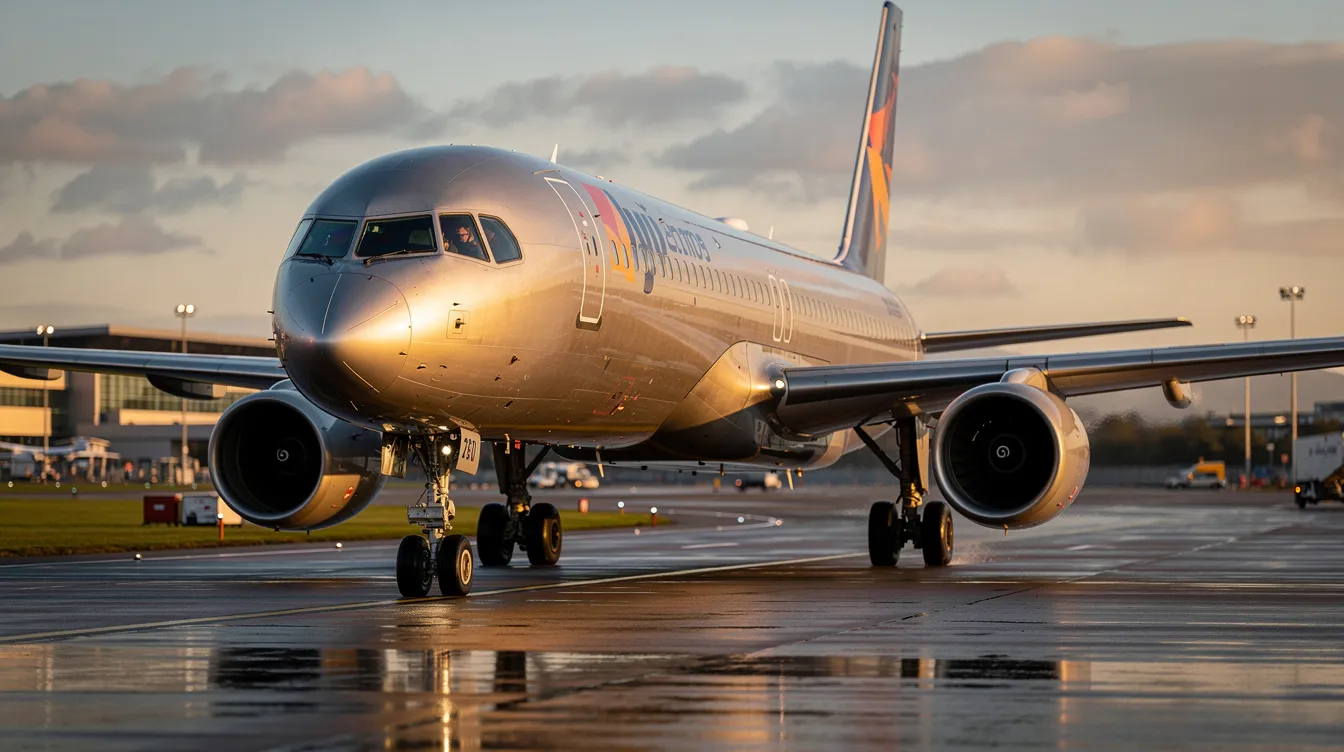
The Boeing 737-800 is a popular narrow-body aircraft known for its versatility in seating configurations, accommodating 160 to 189 passengers. This guide provides insights into the seating layout, cabin sections, and onboard amenities, helping travelers choose the best seats for comfort and convenience. Additionally, it compares commercial flying with private charter options for those seeking more personalized travel experiences.
Jay Franco Serevilla
Aug 2, 2026
|
5
min read
View all
The Boeing 757 remains a relevant aircraft in 2025, with costs ranging from $1.5 million to $10 million for used models and operating expenses between $12,000 and $25,000 per hour. VIP conversions can push total investments over $80 million, making chartering a more viable option for many travelers. Jettly offers flexible access to 757-level capacity without the burdens of ownership.
Jay Franco Serevilla
Aug 2, 2026
|
5
min read

View all
The Cessna G1000, particularly the 172S Skyhawk SP, is a popular choice for buyers seeking modern avionics and reliable performance. This guide provides insights on pricing, key features, and what to consider when purchasing or chartering. With strong demand from flight schools and private owners, understanding the market and aircraft specifics is crucial for making an informed decision.
Jay Franco Serevilla
Aug 2, 2026
|
5
min read
Explore our latest articles and updates.

5
min read
Private Jet Terminal: How FBOs Transform the Private Aviation Experience
Private jet terminals, or Fixed Base Operators (FBOs), enhance the private aviation experience by providing exclusive, efficient services that allow travelers to bypass the long waits and crowded spaces of commercial airports. Operated by companies like Jet Aviation and Signature Aviation, these terminals enable passengers to arrive just 15 to 30 minutes before departure, offering seamless transitions from vehicle to aircraft. Jettly utilizes a global network of over 5,000 FBOs to streamline the entire journey, including check-in, security, and customs clearance, while ensuring personalized service tailored to individual needs. Key factors for selecting an FBO include location, runway length, operating hours, and available ground services, all of which contribute to a more efficient and luxurious travel experience.
Read More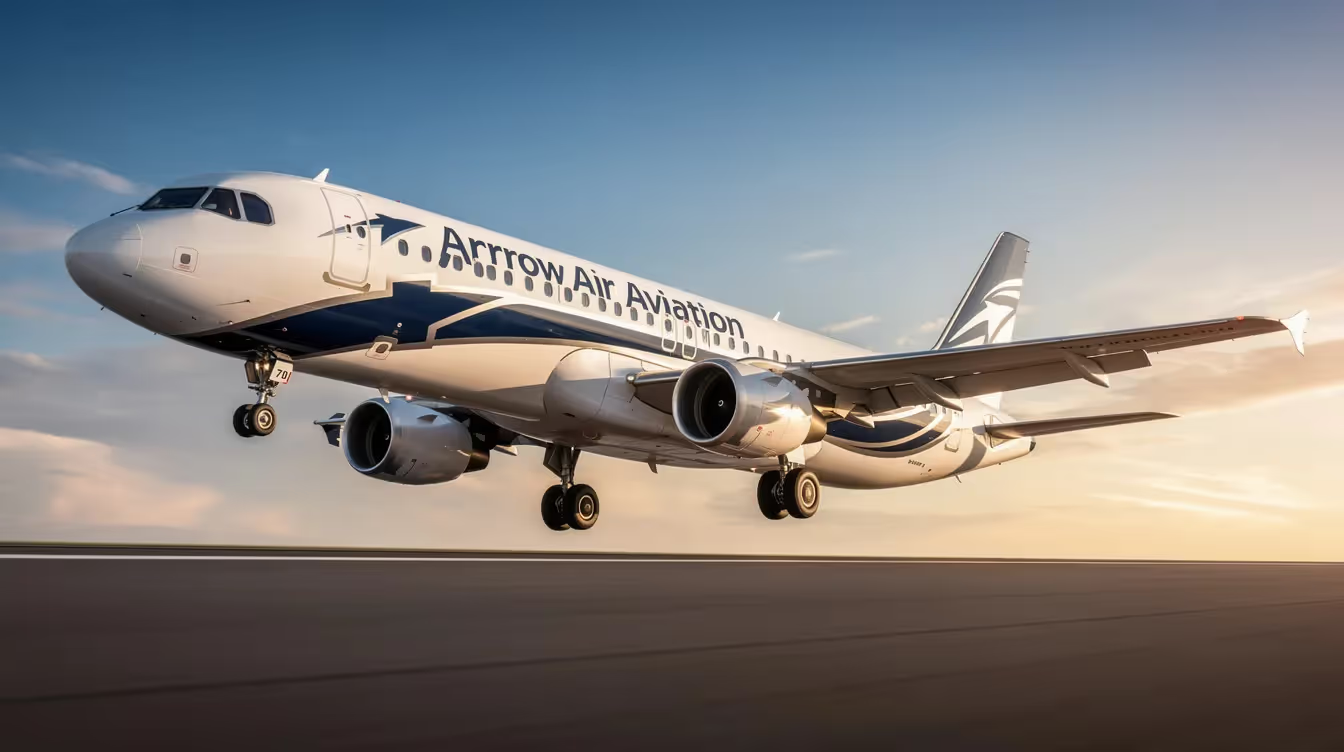
5
min read
Arrow Air: History, Flight 1285, and Its Legacy in Aviation Safety
Arrow Air Flight 1285 crashed on December 12, 1985, shortly after takeoff from Gander, Newfoundland, resulting in the deaths of all 256 people on board, making it Canada's deadliest aviation disaster. The investigation revealed that ice contamination on the wings and an underestimation of the aircraft's weight contributed to the crash, leading to significant changes in aviation safety protocols in Canada. The controversy surrounding the investigation, including a dissenting minority report that proposed alternative theories, ultimately led to the dissolution of the Canadian Aviation Safety Board and the establishment of the Transportation Safety Board of Canada. Today, lessons from this tragedy continue to shape modern aviation practices, emphasizing rigorous safety standards, data-driven flight planning, and transparency in operations, as exemplified by platforms like Jettly.
Read MoreJoin our community and receive the latest blog updates directly in your inbox.
MEMBERSHIPS AND ASSOCIATIONS



Disclaimer: Jettly operates as a charter broker, offering access to a global digital jet charter marketplace. Jettly is not a direct air carrier and does not own or operate aircraft. All advertised flights are conducted by third-party air carriers that are fully licensed and hold the appropriate Part 135 or Part 121 certifications issued by the Federal Aviation Administration (FAA) or equivalent regulatory authorities under U.S. or foreign law. Jettly complies fully with the U.S. Department of Transportation's Part 295 and Part 298 Charter Broker regulations. Jettly does not carry additional liability insurance. Passengers are covered by aircraft operator insurance. TICO: 50023770


