


Login
Get Instant Pricing On 23,000+ Aircraft

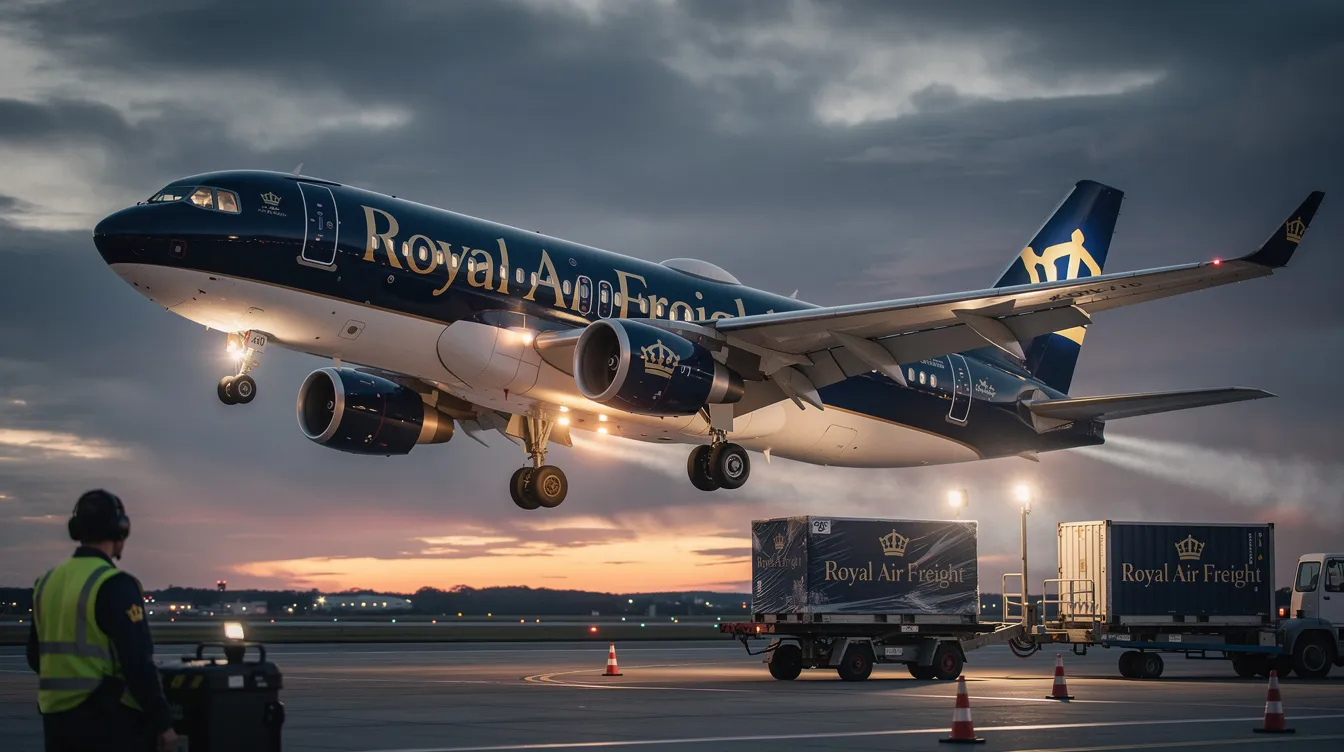
Royal Air Freight Inc. has been a trusted name in charter and air freight services since 1961, specializing in expedited cargo and passenger flights across North America. Jettly, a digital charter broker, offers a broader marketplace for comparing private jet and cargo flight options, providing travelers with greater flexibility and instant pricing.
Jay Franco Serevilla
Sep 27, 2026
|
5
min read


View all
Key West International Airport (EYW) is the main airport for flights to Key West, with direct service from 23 U.S. cities. Private jet options are available through platforms like Jettly, offering flexibility and access to nearby airports. This guide compares commercial and private travel options to help you choose the best route to the island.
Jay Franco Serevilla
Jul 29, 2026
|
5
min read

View all
Traveling from Dallas to Key West, Florida, offers both commercial and private jet options. American Airlines provides daily nonstop flights from DFW, while Jettly offers private charters for a more personalized experience. This guide covers flight options, pricing strategies, and tips for securing the best deals.
Jay Franco Serevilla
Jul 29, 2026
|
5
min read

View all
Traveling from Austin to Key West offers both commercial and private charter options. While commercial flights require at least one stop and take longer, private charters provide direct flights, significantly reducing travel time. Understanding pricing, booking strategies, and the benefits of each option can help travelers make informed decisions for their trip.
Jay Franco Serevilla
Jul 29, 2026
|
5
min read

View all
Travelers from Denver to Key West can choose between commercial flights with layovers and private charters for a direct experience. While commercial options are budget-friendly, private jets offer significant time savings and convenience. This guide provides insights into pricing, travel times, and booking tips to help you make the best choice for your trip.
Jay Franco Serevilla
Jul 29, 2026
|
5
min read

View all
Choosing the best airline to fly to Key West in 2026 involves evaluating your departure city, budget, and travel preferences. This guide compares commercial airlines like American, Delta, and Allegiant with private jet options through Jettly, helping you find the ideal route to paradise. Whether you prioritize cost, convenience, or time savings, there are options to suit every traveler.
Jay Franco Serevilla
Jul 29, 2026
|
5
min read

View all
Flying from Atlanta to Key West offers various options for travelers, from affordable commercial flights to private jet charters. Delta Air Lines provides the most nonstop flights, while Jettly allows for flexible private travel. Booking in advance and being flexible with dates can lead to significant savings.
Jay Franco Serevilla
Jul 29, 2026
|
5
min read
Explore our latest articles and updates.

5
min read
Corporate Flight Management Airline: How Jettly Redefines Business Flight Operations
Jettly is revolutionizing corporate flight management by offering on-demand access to over 20,000 aircraft worldwide, allowing companies to avoid long-term commitments and fixed schedules associated with traditional corporate flight management airlines. The platform provides transparent, per-trip pricing and instant quoting, enabling travel managers to optimize costs and improve employee travel experiences without the overhead of aircraft ownership. By acting as a virtual flight department, Jettly streamlines logistics, safety oversight, and ground support, while integrating additional services like catering and transportation. This flexible approach not only enhances travel efficiency but also aligns with modern corporate needs for transparency and adaptability in air travel.
Read More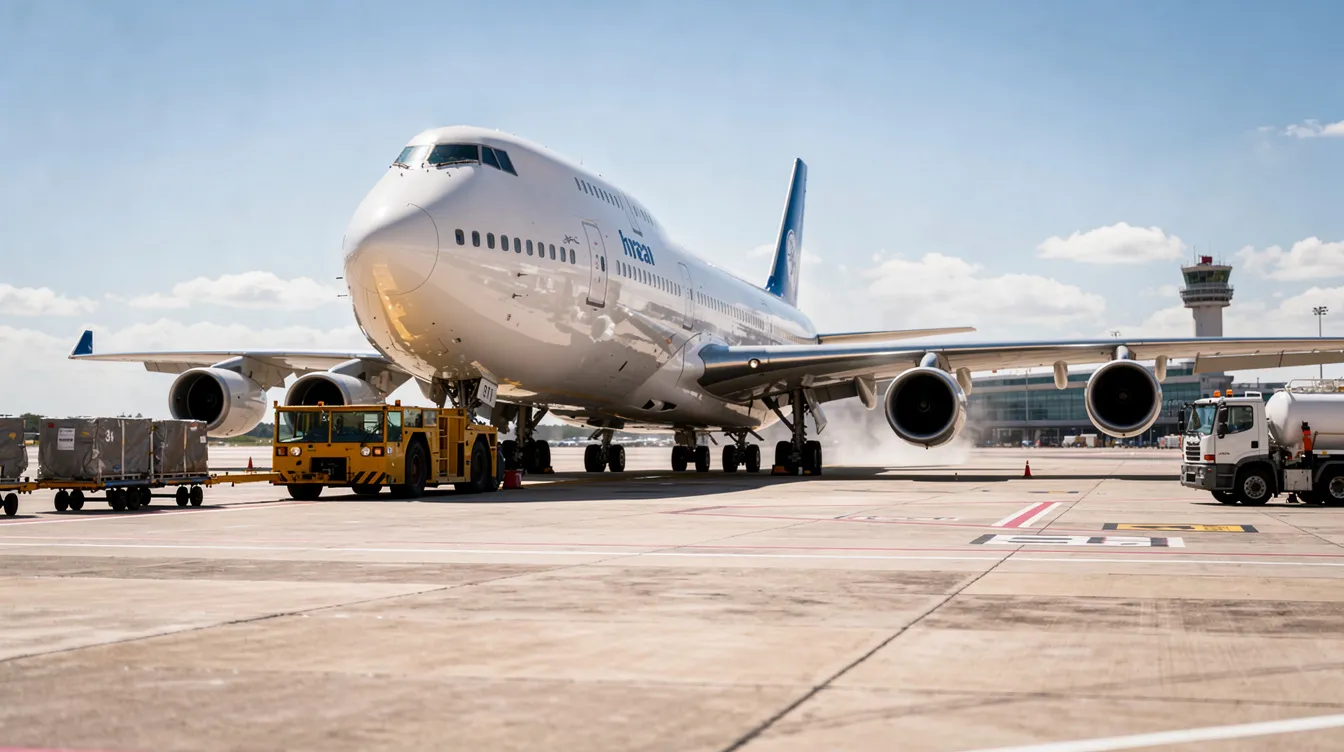
5
min read
Cost to Charter 747: What You'll Really Pay in 2025–2026
Chartering a Boeing 747 in 2025–2026 typically costs between $25,000 and $40,000 per flight hour, with total expenses for long-haul flights potentially exceeding $500,000 due to additional fees and services. This option is ideal for large groups (150-400 passengers) needing to travel together for corporate events, sports, or entertainment, where smaller jets are insufficient. Factors influencing costs include aircraft type, route length, seasonal demand, and operational expenses like fuel and crew salaries. Jettly's platform helps clients find the most suitable aircraft and provides transparent pricing, often recommending alternatives for smaller groups to optimize costs.
Read MoreJoin our community and receive the latest blog updates directly in your inbox.
MEMBERSHIPS AND ASSOCIATIONS



Disclaimer: Jettly operates as a charter broker, offering access to a global digital jet charter marketplace. Jettly is not a direct air carrier and does not own or operate aircraft. All advertised flights are conducted by third-party air carriers that are fully licensed and hold the appropriate Part 135 or Part 121 certifications issued by the Federal Aviation Administration (FAA) or equivalent regulatory authorities under U.S. or foreign law. Jettly complies fully with the U.S. Department of Transportation's Part 295 and Part 298 Charter Broker regulations. Jettly does not carry additional liability insurance. Passengers are covered by aircraft operator insurance. TICO: 50023770


