



Login
Get Instant Pricing On 23,000+ Aircraft


Every private jet has a unique jet number, also known as a tail number, which serves as its identification in the aviation world. This alphanumeric code is crucial for air traffic control, legal records, and flight tracking, ensuring safety and compliance. Understanding jet numbers can enhance the private jet booking experience, providing travelers with essential information about the aircraft.
Jeff Ryan Serevilla
Oct 22, 2026
|
5
min read



View all
Hop-on jet services allow travelers to purchase individual seats on scheduled private flights, offering a blend of comfort and affordability. Ideal for business executives and leisure travelers, these services provide quick access to private terminals and reduced travel times. Jettly's platform simplifies the booking process, making private aviation more accessible than ever.
Jay Franco Serevilla
Sep 11, 2026
|
5
min read
View all
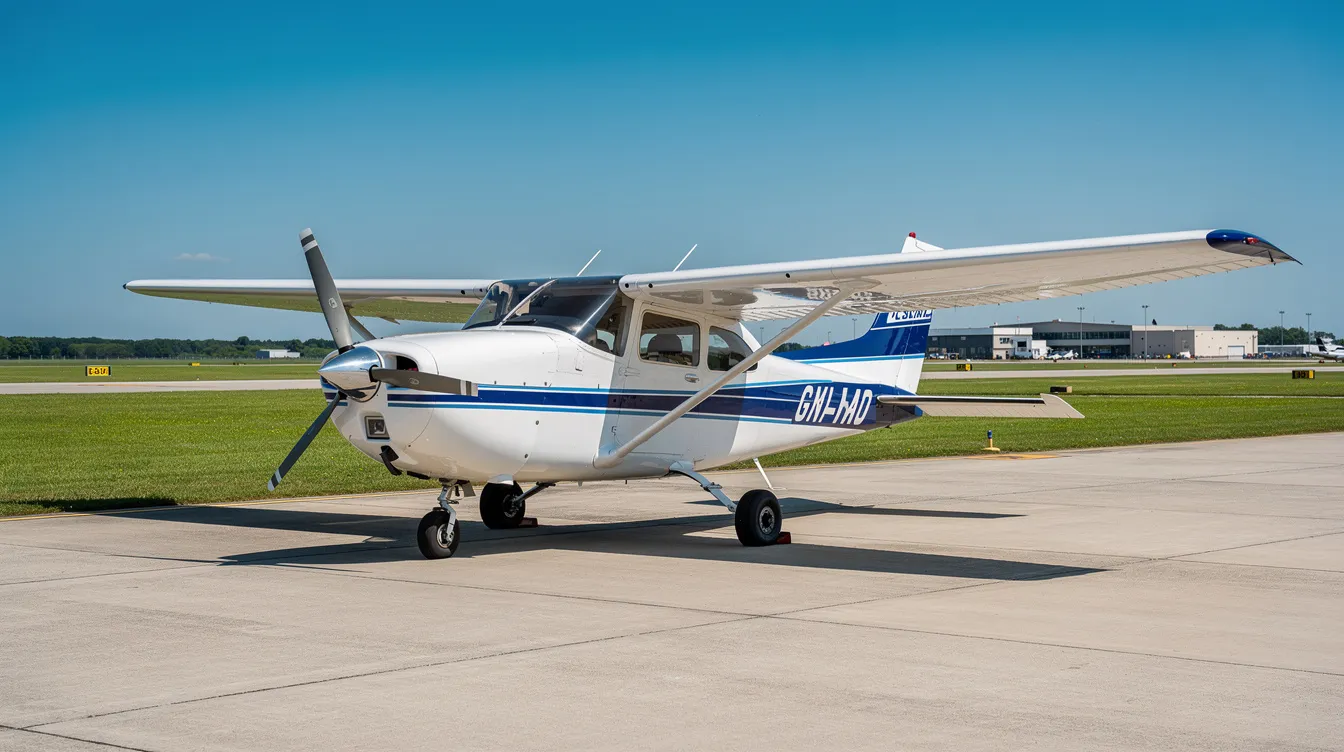
In 2026, the cost of a new Cessna ranges from approximately $480,000 for a Cessna 172S Skyhawk to over $1,100,000 for a Turbo Stationair HD. Buyers should also consider annual operating costs, which can exceed $50,000, and the potential benefits of chartering through platforms like Jettly for those flying less frequently.
Jay Franco Serevilla
Sep 11, 2026
|
5
min read

View all
The Conexon jet incident on March 3, 2023, involved a Bombardier Challenger 300 that experienced a fatal in-flight upset, initially attributed to severe turbulence. However, investigations revealed a complex interplay of human error and procedural failures, emphasizing the importance of safety protocols in private aviation. This incident serves as a critical reminder for passengers about the significance of wearing seat belts and understanding flight safety measures.
Jay Franco Serevilla
Sep 11, 2026
|
5
min read

View all
The term 'V jet' refers to various aviation concepts, primarily efficient light and midsize jets like the Cessna Citation V. Understanding its applications in aviation, 3D printing, and industrial cleaning is crucial for informed decision-making in private travel and industry. This article explores the significance of 'V jet' across these contexts and how it impacts private aviation.
Jay Franco Serevilla
Sep 11, 2026
|
5
min read

View all
Modern jet services have revolutionized private aviation, allowing travelers to book flights in minutes through digital marketplaces like Jettly. This guide explores the various options available, including traditional operators and on-demand charters, highlighting the benefits of flexibility, transparency, and convenience for both business and leisure travelers.
Jay Franco Serevilla
Sep 11, 2026
|
5
min read

View all
Jettly offers fast and flexible private jet charter services worldwide, catering to both leisure and business travelers. With access to over 20,000 aircraft and personalized service, Jettly ensures a seamless booking experience and unmatched convenience. This guide explores the benefits of air jet travel and the technical aspects of air jets in various industries.
Jay Franco Serevilla
Sep 11, 2026
|
5
min read
Explore our latest articles and updates.

5
min read
Personal Aircraft With No License: How to Fly Ultralights Under Part 103
Under FAA Part 103, you can fly an ultralight personal aircraft without a license, medical exam, or registration, provided it meets specific criteria. These lightweight vehicles are limited to a maximum weight of 254 pounds, a fuel capacity of 5 gallons, and a top speed of 55 knots, making them ideal for recreational flying in uncontrolled airspace. While no formal training is required, it is highly recommended for safety.
Read More
5
min read
Plane Crash Cause of Death: What Really Happens in an Aircraft Accident
The leading cause of death in plane crashes is blunt force trauma from rapid deceleration upon impact, rather than the dramatic scenarios often portrayed in media. Post-crash fires and smoke inhalation also contribute to fatalities. Understanding these causes helps clarify aviation safety and the importance of proper operator standards for private jet travelers.
Read MoreJoin our community and receive the latest blog updates directly in your inbox.
MEMBERSHIPS AND ASSOCIATIONS



© 2026 Jettly Inc. All rights reserved.
Disclaimer: Jettly operates as a charter broker, offering access to a global digital jet charter marketplace. Jettly is not a direct air carrier and does not own or operate aircraft. All advertised flights are conducted by third-party air carriers that are fully licensed and hold the appropriate Part 135 or Part 121 certifications issued by the Federal Aviation Administration (FAA) or equivalent regulatory authorities under U.S. or foreign law. Jettly complies fully with the U.S. Department of Transportation's Part 295 and Part 298 Charter Broker regulations. Jettly does not carry additional liability insurance. Passengers are covered by aircraft operator insurance. TICO: 50023770


