


Login
Get Instant Pricing On 23,000+ Aircraft

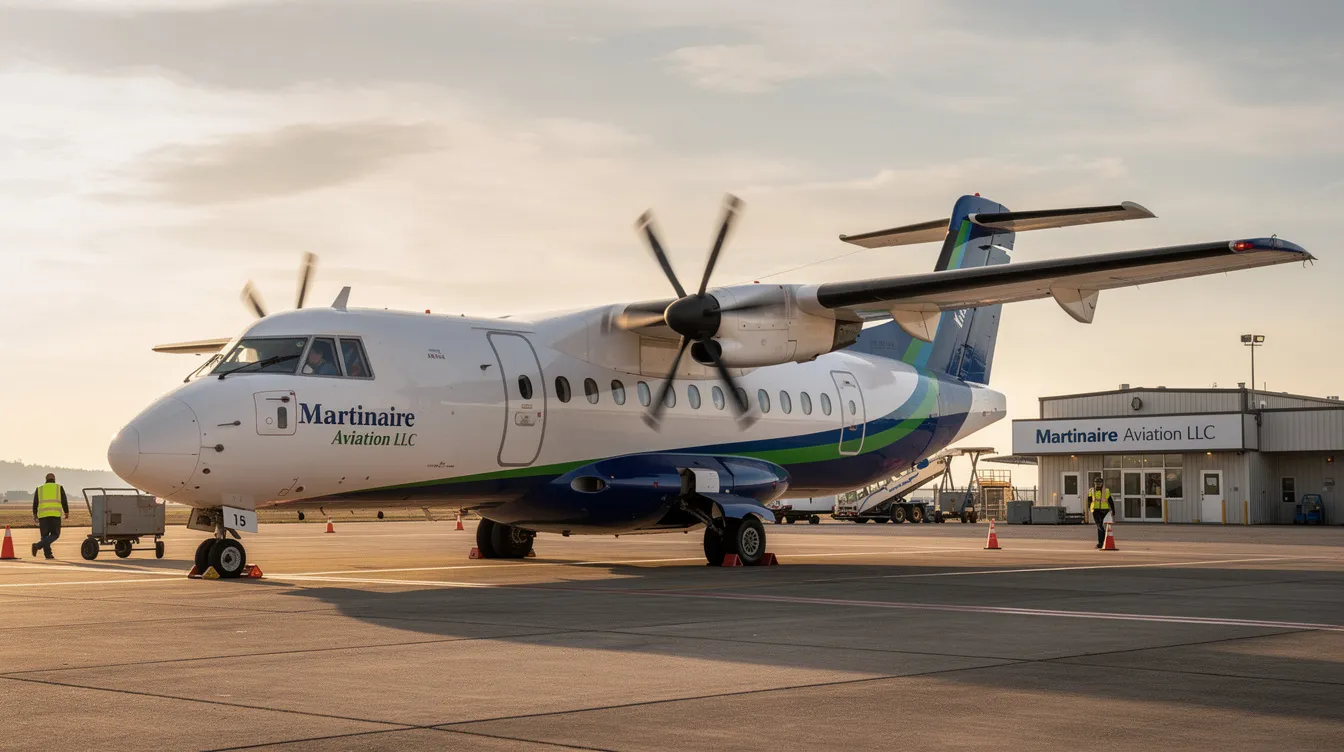
Martinaire Aviation LLC, founded in 1978, is a leading cargo feeder carrier in the U.S., specializing in overnight freight operations. With a fleet of turboprop aircraft, it connects regional airports to major sorting hubs, primarily serving integrators like UPS. This article explores Martinaire's operations, career opportunities, and how it contrasts with private charter services like Jettly.
Jay Franco Serevilla
Sep 4, 2026
|
5
min read


View all
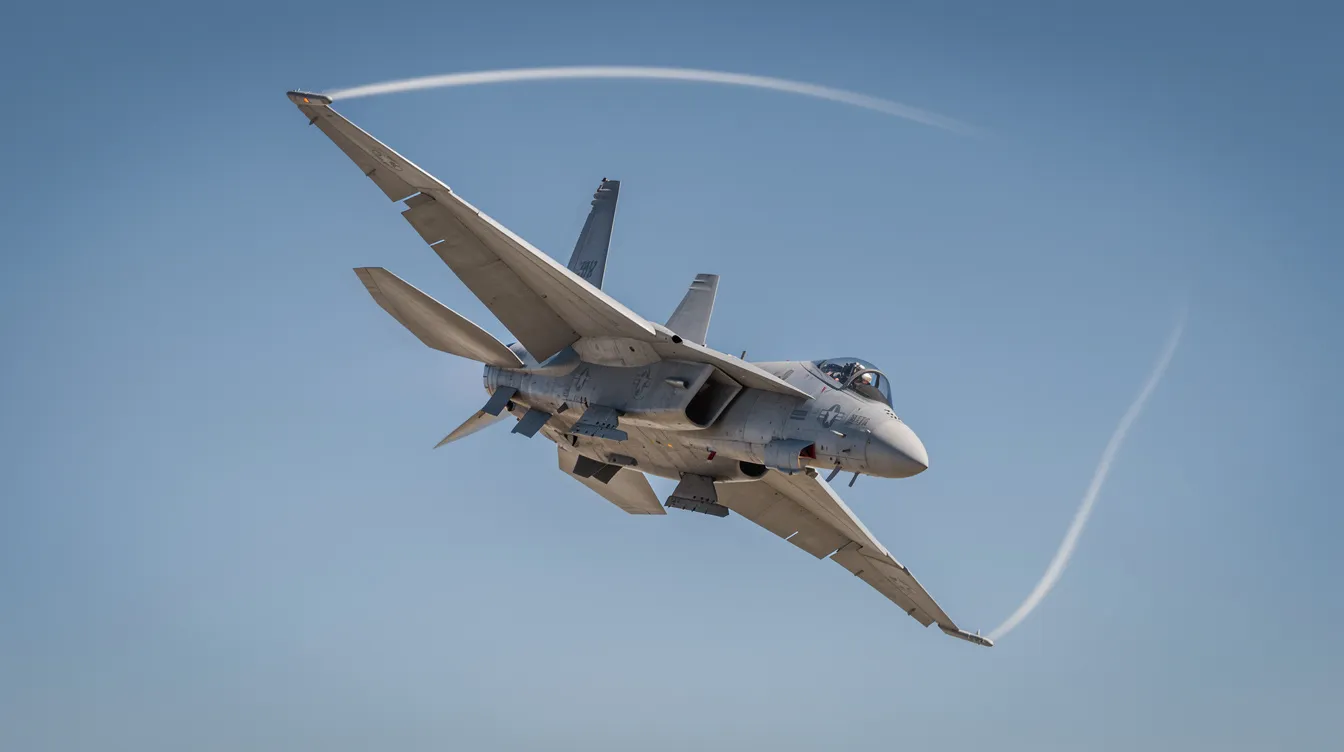
A light fighter is a small, agile combat aircraft designed for air-to-air combat and light attack missions, offering advantages in maneuverability and cost-effectiveness compared to larger multirole fighters. The concept has evolved since the 1960s, significantly influencing air combat doctrine and leading to the development of notable aircraft like the F-16 and F/A-18. Modern light fighters integrate advanced technologies such as digital engineering and open-architecture avionics, making them adaptable for various missions while maintaining lower operational costs. This design philosophy parallels trends in civilian aviation, where similar trade-offs in performance and cost are considered when selecting aircraft for private travel.
Jay Franco Serevilla
Jul 7, 2026
|
5
min read
View all
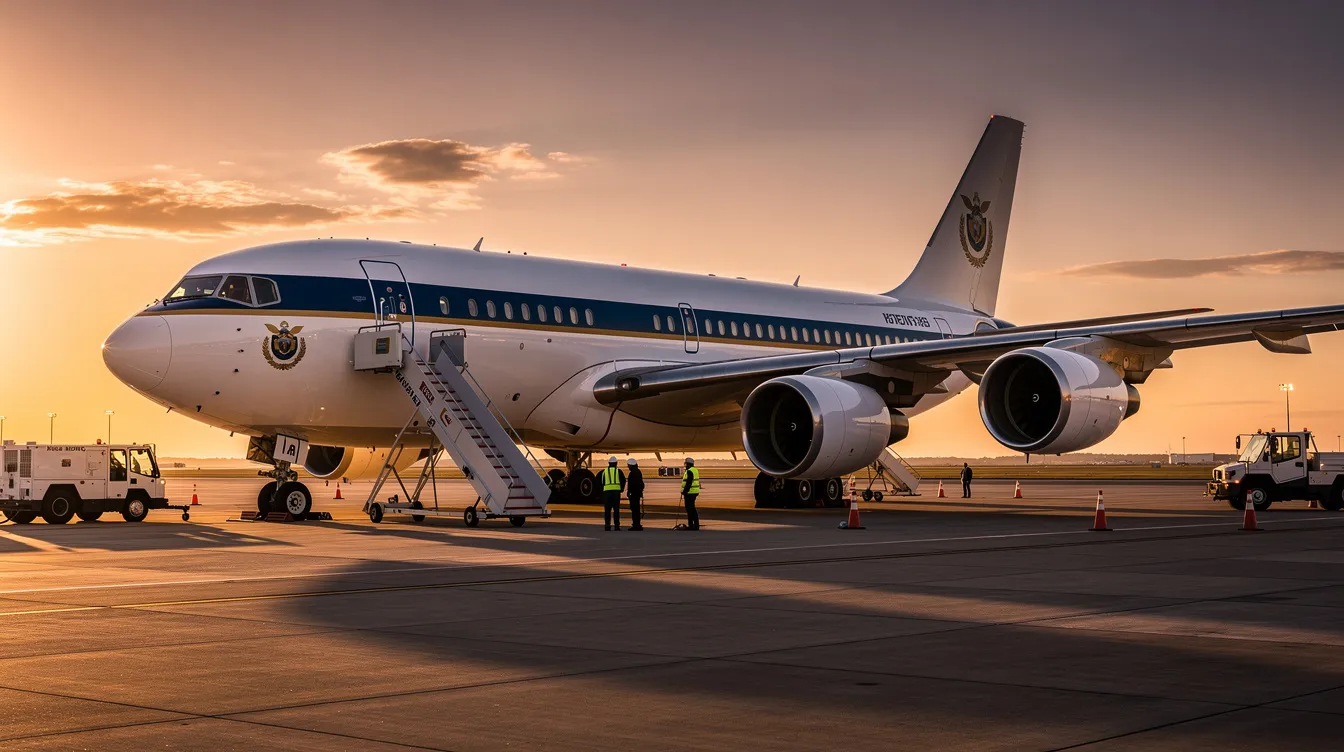
VIP planes, including presidential aircraft and private business jets, serve as secure and comfortable travel options for heads of state, corporate executives, and affluent travelers. Governments invest heavily in these aircraft for their strategic importance in ensuring continuity of operations and facilitating rapid diplomacy during crises. Charter platforms like Jettly make VIP-level travel accessible to private travelers by offering a marketplace of over 20,000 aircraft, enabling on-demand access without the need for ownership or long-term commitments. The article discusses various types of VIP aircraft, their unique features, and practical steps for chartering, highlighting the benefits of flexibility, privacy, and productivity in air travel.
Jay Franco Serevilla
Jul 7, 2026
|
5
min read
View all
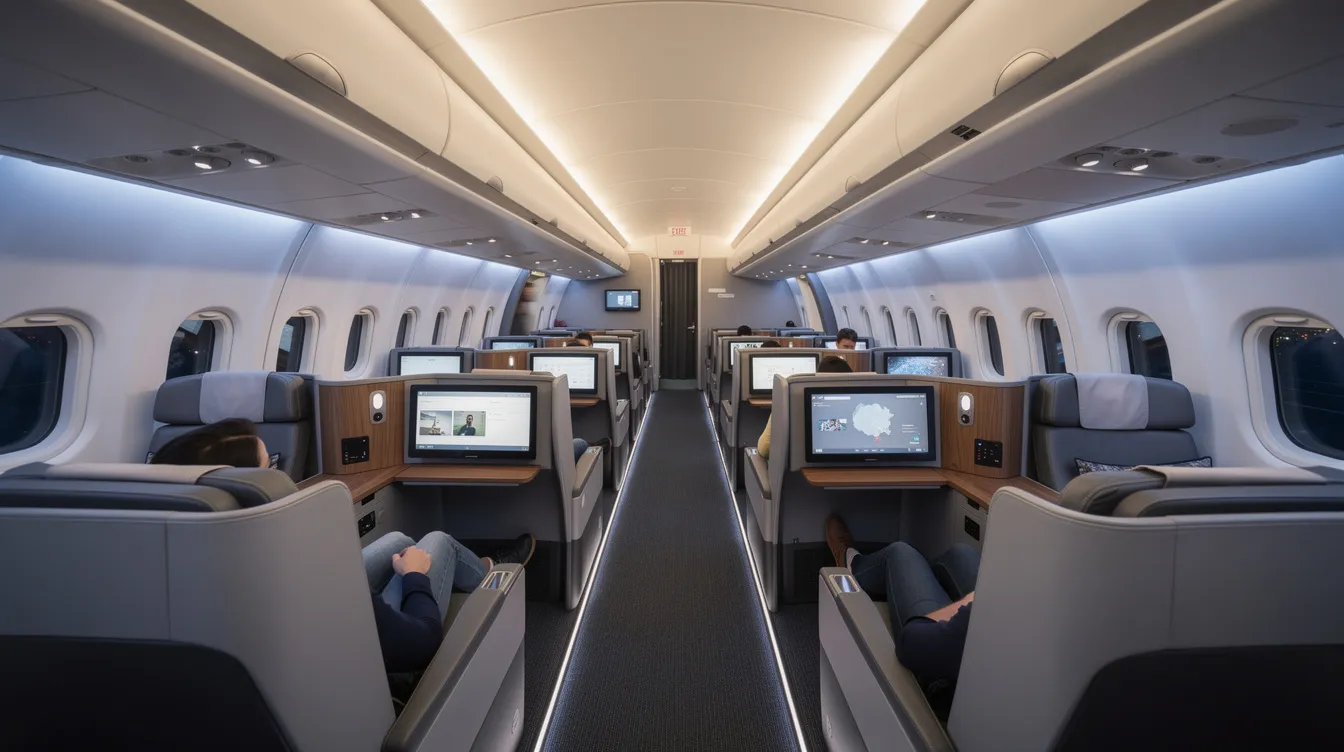
Luxury plane tickets now encompass business class, first class, and private jet charters, offering travelers a range of options and pricing complexities. Jettly provides a digital platform connecting users to over 20,000 aircraft globally, often making private jet charters financially competitive with premium cabin tickets, especially for groups. The guide details the features and costs associated with various classes, highlighting that private jets can save time and offer greater flexibility compared to commercial flights. Ultimately, the best choice depends on group size, schedule flexibility, and personal preferences for comfort and privacy.
Jay Franco Serevilla
Jul 7, 2026
|
5
min read
View all
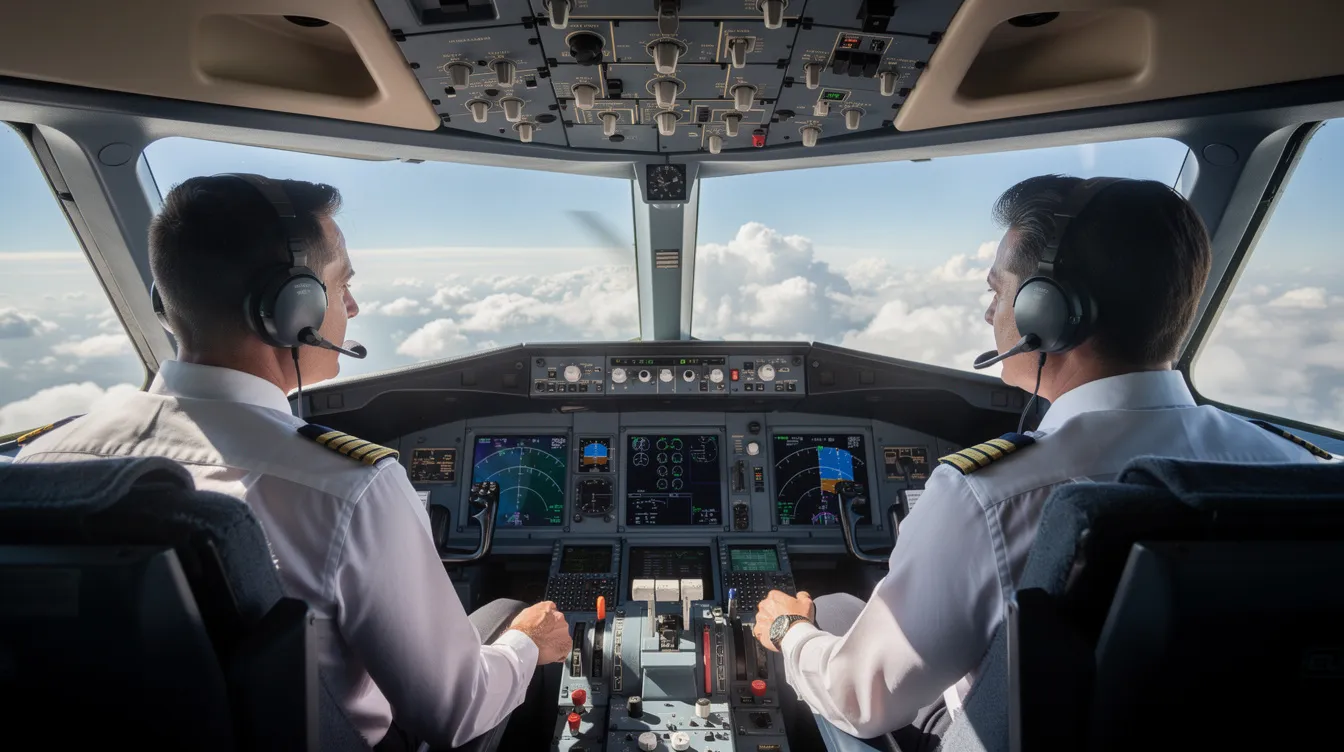
In 2026, co-pilot salaries vary significantly based on airline type, experience, and aircraft, with first-year regional co-pilots earning between $70,000 and $90,000, while those at major airlines can make $100,000 to $155,000, and experienced pilots on widebody aircraft can exceed $200,000. The average salary for co-pilots in the U.S. is approximately $130,916, with potential total compensation reaching up to $450,000 for senior captains. Factors influencing pay include seniority, aircraft type, and airline contracts, with cargo airlines and private jet charters often offering higher compensation. The demand for pilots is expected to remain strong through the 2030s, making co-pilot careers financially rewarding and stable.
Jay Franco Serevilla
Jul 7, 2026
|
5
min read
View all
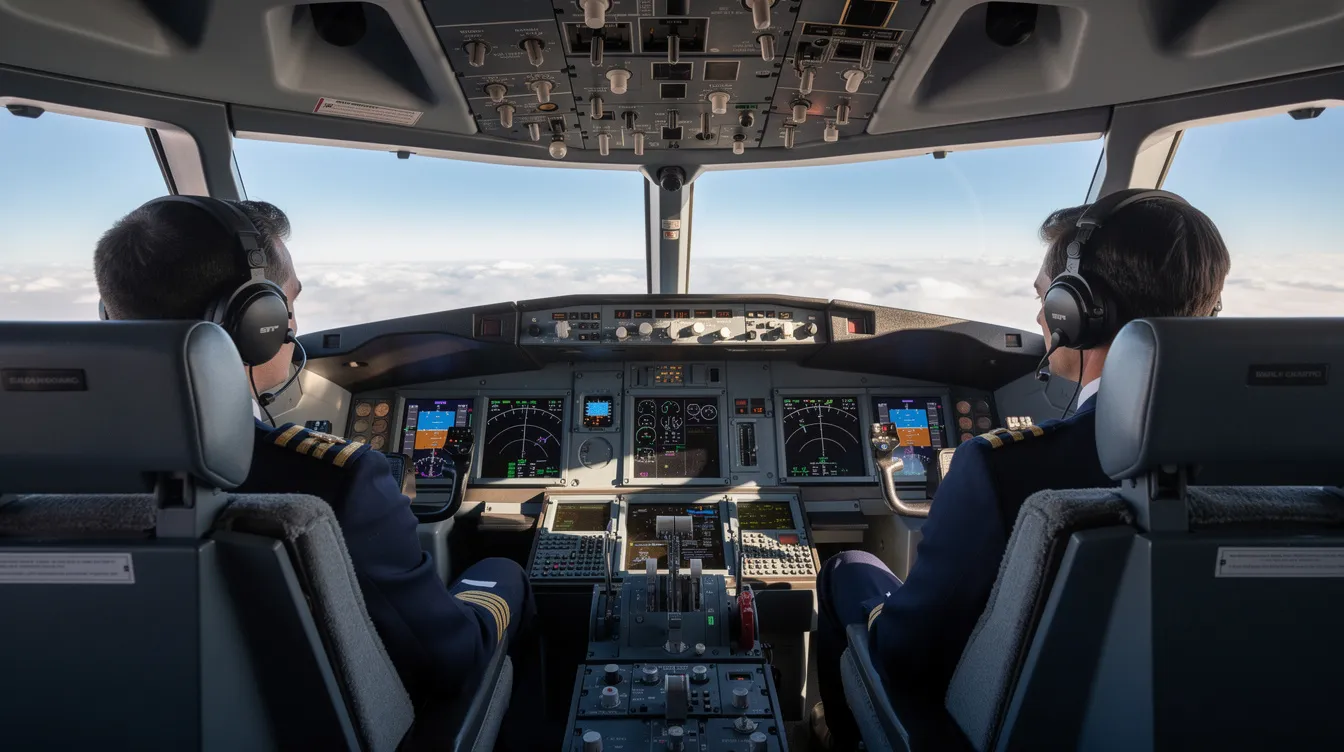
In 2026, airline and commercial pilots are expected to earn significantly higher salaries, with average earnings for airline pilots exceeding $200,000 and experienced pilots at major carriers potentially earning between $300,000 and $450,000 or more. The median annual wage for airline pilots is projected at approximately $226,600, while commercial pilots earn around $122,670. Factors influencing pilot salaries include employer type, aircraft size, rank, and geographic location, with major airlines offering the best compensation packages. Despite high training costs, the strong demand for pilots and rising salaries make pursuing a career in aviation financially attractive.
Jay Franco Serevilla
Jul 7, 2026
|
5
min read

View all
The AH-64 Apache helicopter, a leading attack aircraft, is expected to have a flyaway cost between $35 million and $50 million in 2026, with total program costs potentially exceeding $100 million when including weapons and support packages. Factors influencing its price include advanced avionics, weapons integration, and ongoing modernization efforts, reflecting its combat-proven capabilities and extensive operational history. The Apache's costs have risen significantly since its introduction, with the current AH-64E variant priced around $52 million, driven by sophisticated technology and the need for continuous upgrades. Despite its high price, the Apache's proven effectiveness in combat justifies the investment for many military forces worldwide.
Jay Franco Serevilla
Jul 7, 2026
|
5
min read
Explore our latest articles and updates.

5
min read
The Benefits of Flying in a Private Jet
This article outlines the advantages of private jet travel for both business and leisure travelers, emphasizing unmatched flexibility, privacy, and a tailored experience. Private jet charters allow travelers to control their schedules, access more airports, and enjoy a quieter, more comfortable cabin environment compared to commercial flights. Key benefits include significant time savings, reduced travel stress, and the ability to conduct confidential meetings in a private setting. Platforms like Jettly facilitate easy access to private jet services without the need for ownership, offering various charter and membership options to suit different budgets and travel needs.
Read More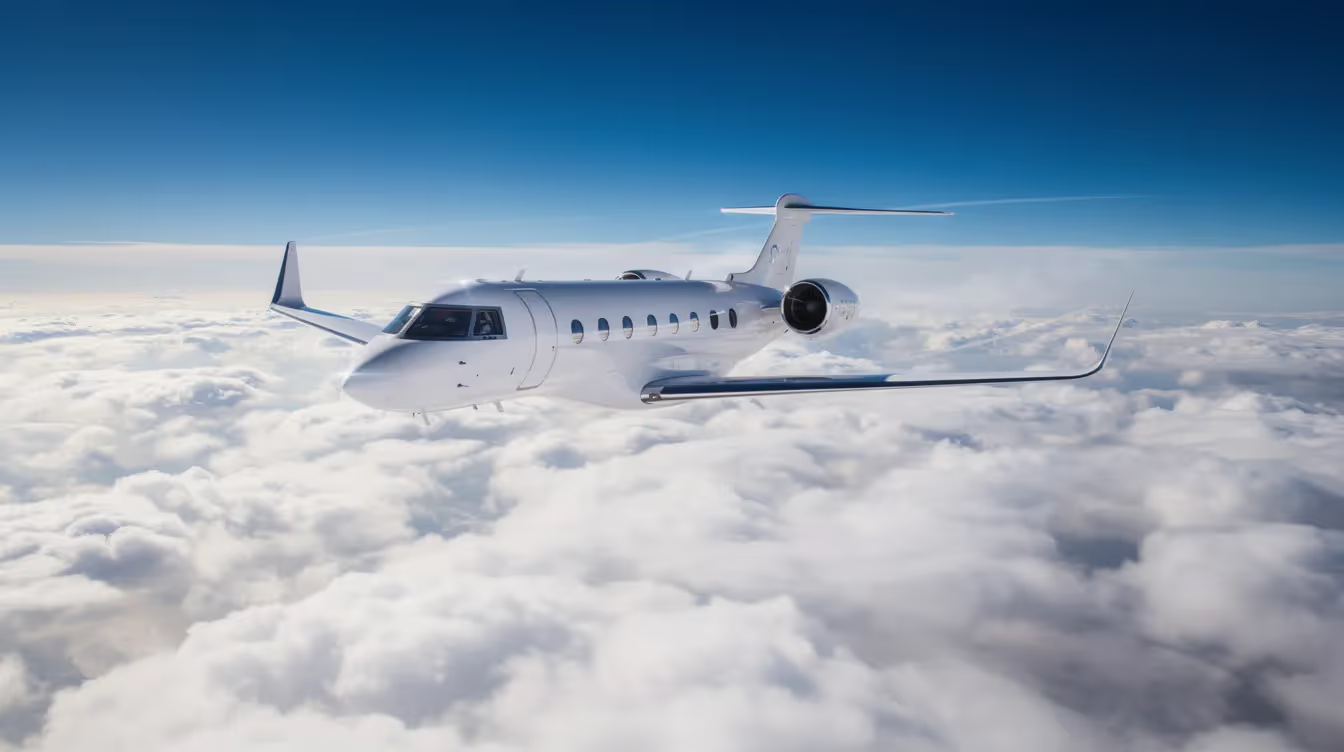
5
min read
Private Jets vs Commercial Flights: Which Makes Sense for Your Trip?
In 2026, travelers are increasingly considering private jets over commercial flights due to rising delays and a demand for flexibility, with the private jet charter market projected to reach $35 billion. Key factors influencing the decision include time, cost, comfort, privacy, and flexibility, with private jets offering significant time savings and a more personalized experience, especially for groups of 4-8 where costs can rival business-class fares. While commercial flights remain more affordable per seat, private aviation provides advantages such as access to smaller airports, reduced security hassles, and the ability to customize itineraries. Ultimately, the choice between private and commercial travel depends on individual priorities, including budget, travel style, and specific trip requirements.
Read MoreJoin our community and receive the latest blog updates directly in your inbox.
MEMBERSHIPS AND ASSOCIATIONS



Disclaimer: Jettly operates as a charter broker, offering access to a global digital jet charter marketplace. Jettly is not a direct air carrier and does not own or operate aircraft. All advertised flights are conducted by third-party air carriers that are fully licensed and hold the appropriate Part 135 or Part 121 certifications issued by the Federal Aviation Administration (FAA) or equivalent regulatory authorities under U.S. or foreign law. Jettly complies fully with the U.S. Department of Transportation's Part 295 and Part 298 Charter Broker regulations. Jettly does not carry additional liability insurance. Passengers are covered by aircraft operator insurance. TICO: 50023770


