


Login
Get Instant Pricing On 23,000+ Aircraft


Most commercial planes fly between 9 to 12 km, while private jets can reach up to 15.5 km. The chosen altitude balances fuel efficiency, safety, and passenger comfort. Understanding these heights helps travelers appreciate the dynamics of air travel and optimize their flight experience.
Jay Franco Serevilla
Sep 12, 2026
|
5
min read



View all
The Mooney Acclaim Ultra is the fastest certified single-engine piston aircraft, boasting a cruise speed of approximately 242 knots. With its turbocharged engine and aerodynamic design, it sets a benchmark for performance in general aviation. This overview explores its specifications, flight experience, and how it compares to other aircraft, including the benefits of private jet charter for longer missions.
Jay Franco Serevilla
Jul 19, 2026
|
5
min read

View all
This guide explores the fastest Very Light Jets (VLJs) available in 2026, highlighting their speed, performance, and charter options for time-sensitive travelers. With speeds rivaling larger jets and lower operating costs, VLJs like the Embraer Phenom 100 and HondaJet Elite II offer efficient solutions for regional travel. Discover how these aircraft can save you time and money on your next business trip.
Jay Franco Serevilla
Jul 19, 2026
|
5
min read
View all
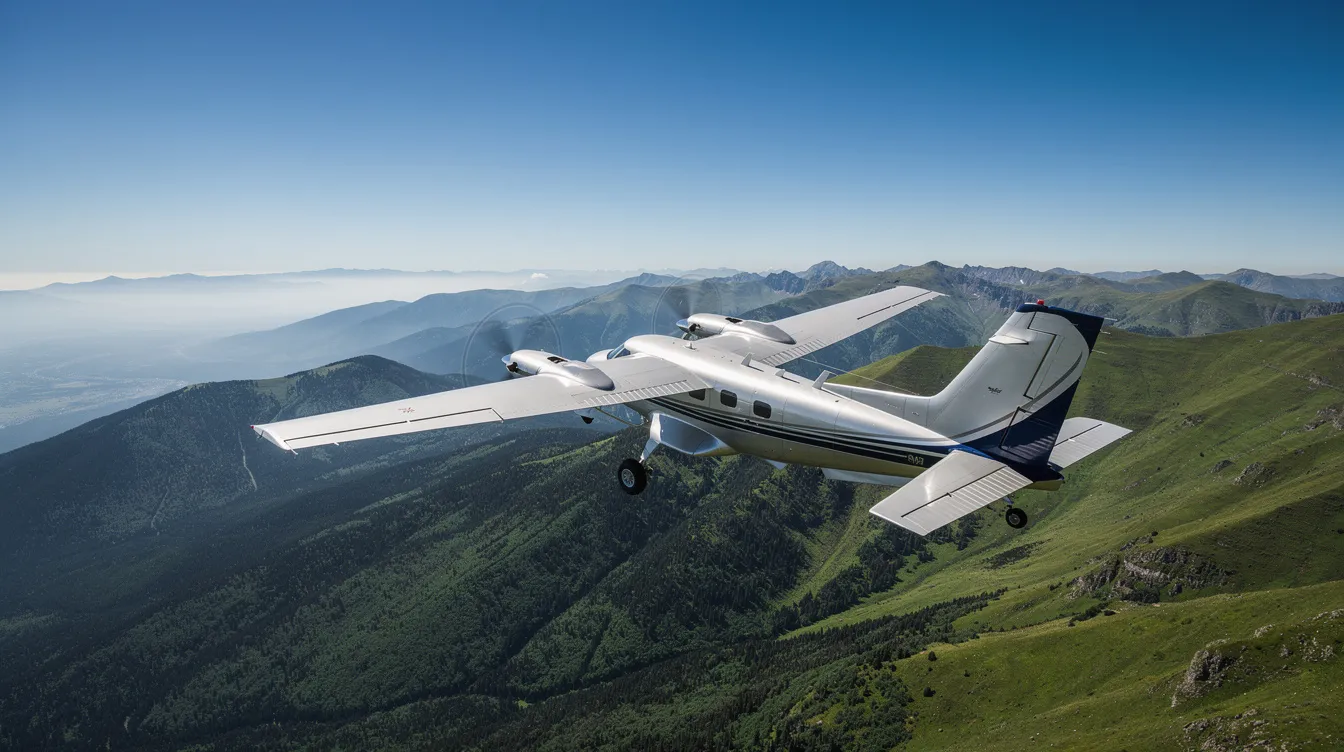
The fastest single engine plane today is the Epic E1000 GX, reaching speeds of 333 KTAS, while the Mooney M20V Acclaim Ultra leads piston aircraft at 242 KTAS. This guide explores their performance, real-world applications, and comparisons to private jets, helping pilots and travelers make informed choices for regional trips.
Jay Franco Serevilla
Jul 19, 2026
|
5
min read

View all
The Airbus A320 family boasts a range of 3,100 to 4,700 nautical miles, depending on the variant and configuration. This versatility allows airlines and charter operators to efficiently serve various city pairs nonstop, catering to both corporate and leisure travelers. Understanding the range capabilities of each model, including the A320neo and A321XLR, is crucial for optimizing flight planning and operational efficiency.
Jay Franco Serevilla
Jul 19, 2026
|
5
min read
View all
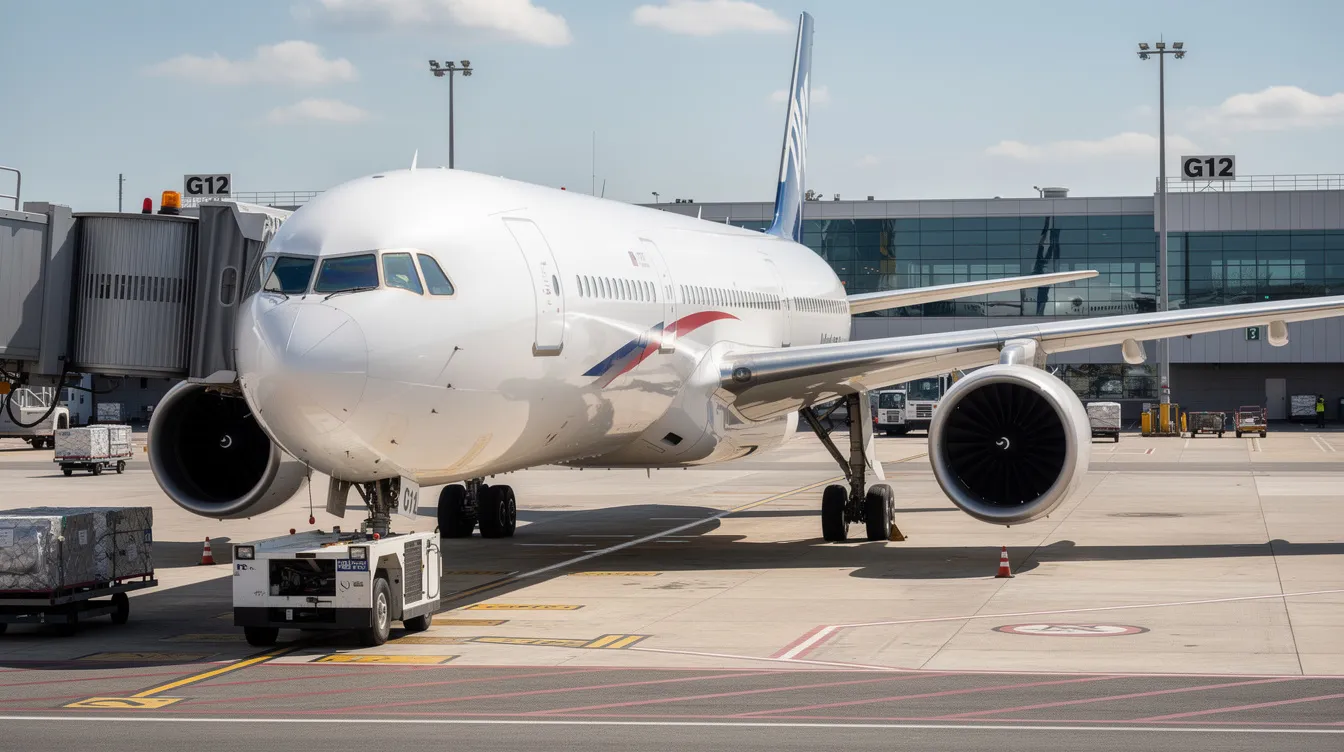
The Airbus A330, a versatile twin-engine widebody aircraft, has a varied cost structure influenced by its model, age, and usage type. In 2025, new A330-900neo models are valued around $107 million, while pre-owned variants average $18 million. Operating costs, including fuel and maintenance, can significantly impact total expenses, making it essential for airlines and private users to evaluate their options carefully.
Jay Franco Serevilla
Jul 19, 2026
|
5
min read
View all
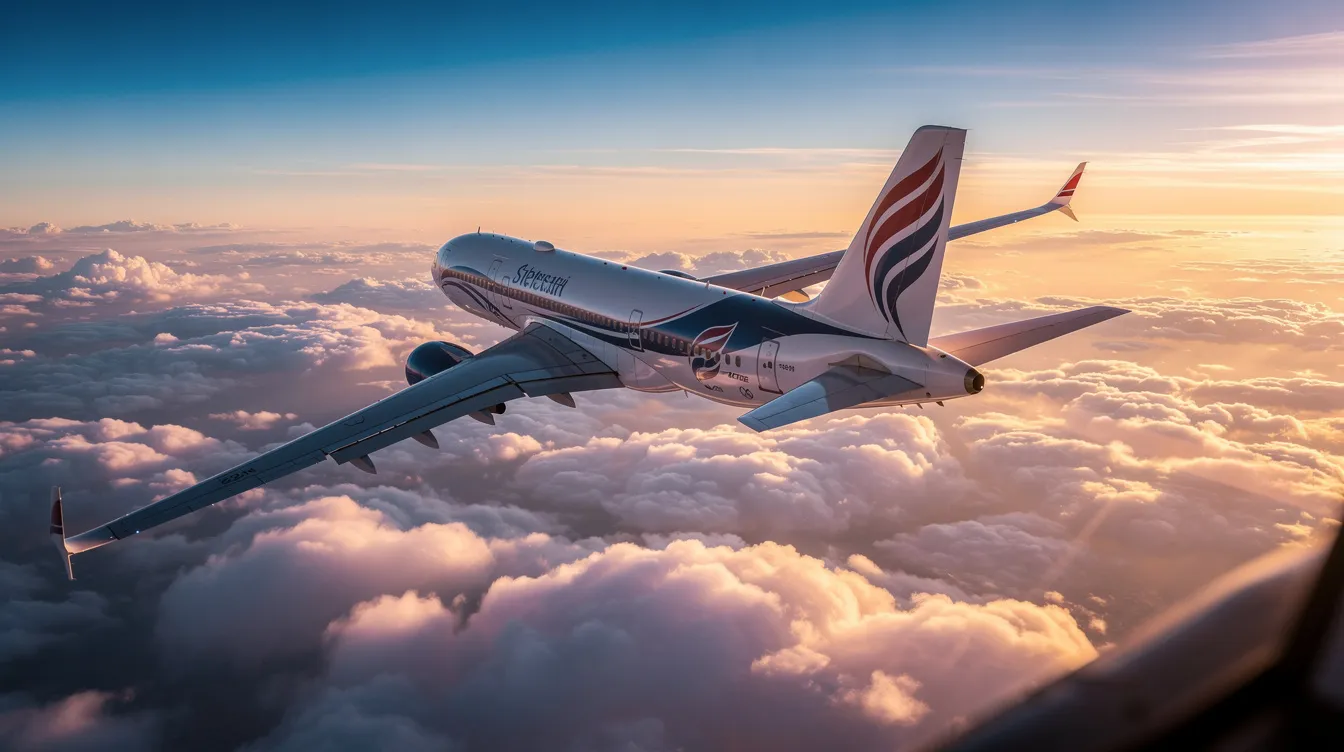
The Airbus A330 boasts a maximum operating speed of Mach 0.86, with typical cruising speeds ranging from Mach 0.82 to 0.84 for optimal fuel efficiency. Variants like the A330neo enhance fuel economy while maintaining similar speed capabilities. Understanding these speeds aids travelers in comparing commercial flights with private jet options.
Jay Franco Serevilla
Jul 19, 2026
|
5
min read
Explore our latest articles and updates.

5
min read
Key West International Airport Arrivals: Guide for Commercial & Private Flights
Key West International Airport (EYW) offers a convenient arrival experience for both commercial and private flights. With its compact layout and proximity to downtown, travelers can expect minimal wait times and easy access to ground transportation. This guide provides essential information on live flight tracking, arrival procedures, and private jet options for a seamless journey.
Read More
5
min read
Seattle to Key West Flights: How to Get There, Costs, and Private Jet Options
Traveling from Seattle to Key West involves a distance of approximately 2,720 miles with no direct commercial flights available. This guide provides insights into flight options, costs, and private jet alternatives, helping travelers make informed decisions for their journey. Understanding seasonal fare patterns and booking strategies can lead to significant savings and a smoother travel experience.
Read MoreJoin our community and receive the latest blog updates directly in your inbox.
MEMBERSHIPS AND ASSOCIATIONS



Disclaimer: Jettly operates as a charter broker, offering access to a global digital jet charter marketplace. Jettly is not a direct air carrier and does not own or operate aircraft. All advertised flights are conducted by third-party air carriers that are fully licensed and hold the appropriate Part 135 or Part 121 certifications issued by the Federal Aviation Administration (FAA) or equivalent regulatory authorities under U.S. or foreign law. Jettly complies fully with the U.S. Department of Transportation's Part 295 and Part 298 Charter Broker regulations. Jettly does not carry additional liability insurance. Passengers are covered by aircraft operator insurance. TICO: 50023770


