


Login
Get Instant Pricing On 23,000+ Aircraft


A helicopter ride in New York offers breathtaking views of iconic landmarks like the Statue of Liberty and Central Park. Tours typically last between 12 to 30 minutes and can be booked as shared sightseeing flights or private charters. Jettly provides a platform for arranging customizable helicopter experiences, making it easy to explore the city from above.
Jay Franco Serevilla
Oct 11, 2026
|
5
min read



View all
Skyservice Business Aviation leads the evolution of private travel, offering comprehensive aircraft management and charter services. In contrast, digital platforms like Jettly provide flexible, on-demand access to a vast network of aircraft, catering to diverse traveler needs. This article explores the key differences between traditional operators and digital charter alternatives, helping clients navigate modern private aviation options.
Jay Franco Serevilla
Aug 19, 2026
|
5
min read

View all
Private plane landing fees are charges imposed by airports for each landing, varying significantly based on aircraft weight and airport type. Understanding these fees is crucial for travelers as they can impact overall trip costs. Jettly simplifies the process by providing transparent quotes that include all airport charges, helping travelers make informed decisions.
Jay Franco Serevilla
Aug 19, 2026
|
5
min read

View all
Causey Aviation, a family-owned charter service in North Carolina since 1967, offers personalized private jet charter, aircraft management, and maintenance. In contrast, digital platforms like Jettly provide instant access to a vast network of over 20,000 aircraft, enabling faster bookings and broader choices for travelers.
Jay Franco Serevilla
Aug 19, 2026
|
5
min read
View all
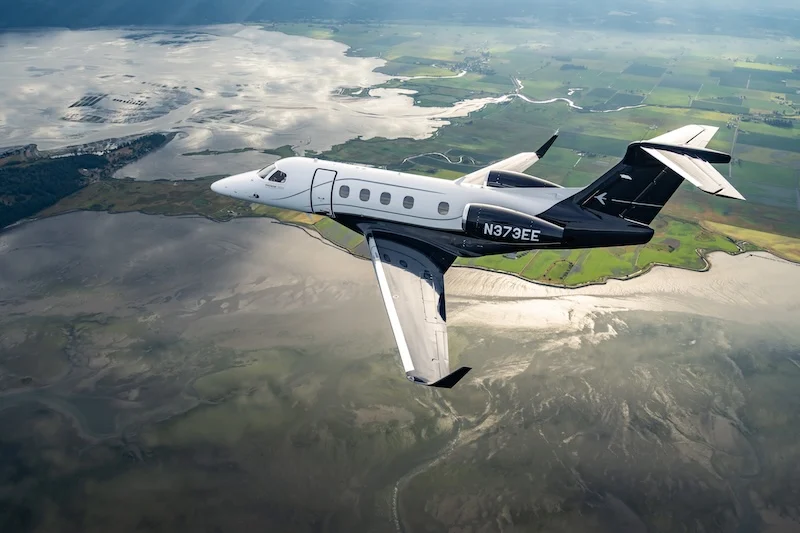
Jet cards provide private jet access without aircraft ownership. Unlike full ownership, where you purchase and manage an aircraft, or fractional ownership, where you own a share, a jet card is a service that provides access to private aircraft—often with fixed hourly rates, guaranteed availability, and other benefits. In simple terms: jet card = access, fractional = partial ownership, full ownership = complete ownership. Jet cards are ideal for travelers who want the convenience and predictability of private aviation without the acquisition costs, management responsibilities, maintenance, crew, and depreciation associated with owning an aircraft.
Jay Franco Serevilla
Aug 18, 2026
|
5
min read

View all
ONEflight International and Jettly are revolutionizing private aviation with their digital platforms that simplify the booking process for travelers. By connecting users to extensive aircraft networks, they offer flexible options for corporate executives and leisure travelers alike. The upcoming ONEflight Myrtle Beach Classic highlights the synergy between private aviation and high-profile events, showcasing how these companies cater to affluent clients seeking convenience and luxury.
Jay Franco Serevilla
Aug 16, 2026
|
5
min read

View all
ValueJet has established itself in Nigerian aviation since late 2022, offering scheduled flights across West and Central Africa. While it provides accessible regional travel, private charter services like Jettly offer greater flexibility for complex itineraries and underserved routes. This article explores the offerings of ValueJet and how private charters can complement scheduled flights.
Jay Franco Serevilla
Aug 16, 2026
|
5
min read
Explore our latest articles and updates.

5
min read
How Far Can a Cessna Fly? Range, Fuel, and Real-World Planning
The Cessna 172 Skyhawk typically has a practical range of 500 to 640 nautical miles, depending on factors such as fuel capacity, weight, weather, and flight settings. While it is an excellent choice for training and short regional flights, its limitations make it unsuitable for long-distance travel without multiple fuel stops. For business or longer trips, private jets offer faster, more comfortable, and non-stop options, which can be accessed through platforms like Jettly. Understanding the capabilities of a Cessna is crucial for effective flight planning and ensuring safe travel.
Read More
5
min read
Is Private Low Fares Legit Reddit: What Reviews Really Reveal
Private Low Fares is widely regarded as a scam by Reddit users, who report issues such as missing tickets, surprise charges, and personal data risks. Many travelers have experienced bait-and-switch tactics, where advertised low fares are suddenly unavailable, leading to demands for additional payments. Users are advised to book directly through airlines or reputable platforms like Google Flights to avoid these risks. For those seeking private jet charters, platforms like Jettly offer transparent pricing and confirmed bookings, distinguishing them from unreliable low-fare sites.
Read MoreJoin our community and receive the latest blog updates directly in your inbox.
MEMBERSHIPS AND ASSOCIATIONS



Disclaimer: Jettly operates as a charter broker, offering access to a global digital jet charter marketplace. Jettly is not a direct air carrier and does not own or operate aircraft. All advertised flights are conducted by third-party air carriers that are fully licensed and hold the appropriate Part 135 or Part 121 certifications issued by the Federal Aviation Administration (FAA) or equivalent regulatory authorities under U.S. or foreign law. Jettly complies fully with the U.S. Department of Transportation's Part 295 and Part 298 Charter Broker regulations. Jettly does not carry additional liability insurance. Passengers are covered by aircraft operator insurance. TICO: 50023770


