


Login
Get Instant Pricing On 23,000+ Aircraft

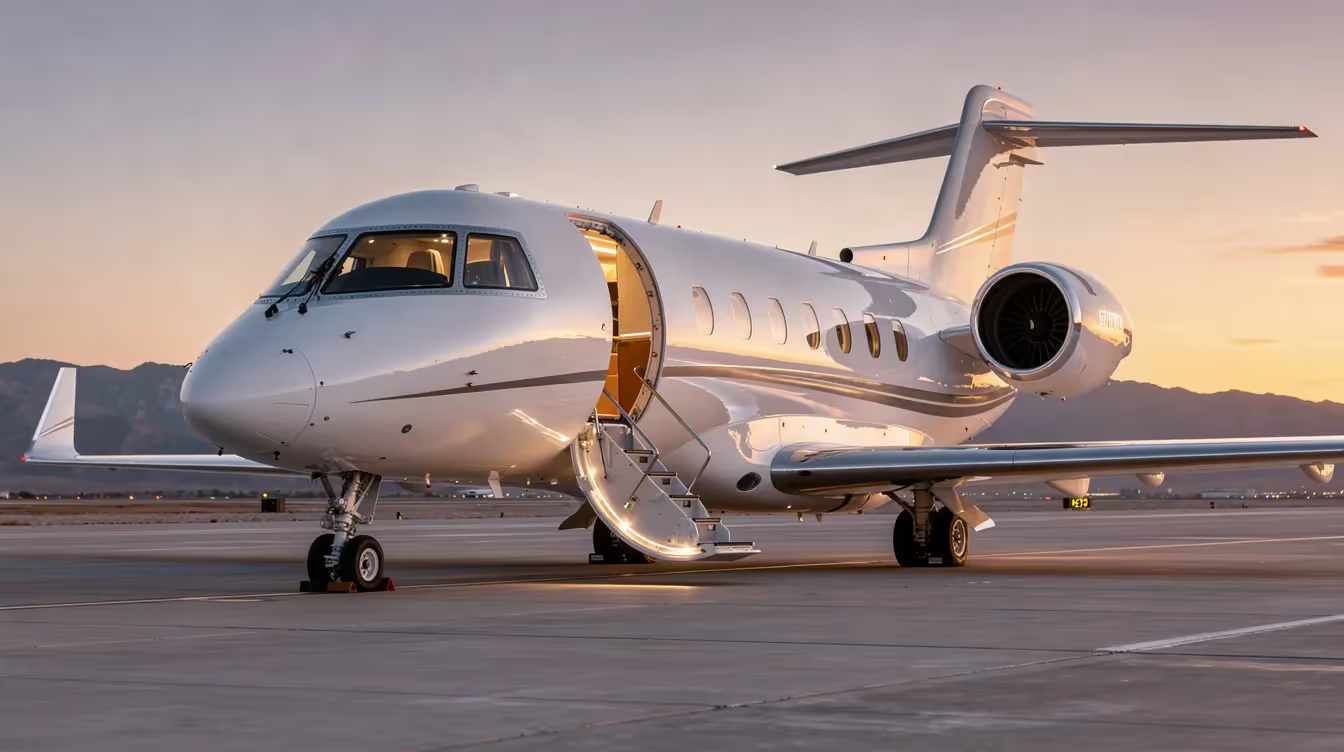
Understanding the difference between planes and jets is crucial for travelers in private aviation, as jets are specifically powered by jet engines and designed for higher speeds and longer distances compared to propeller planes. Jets excel in long-haul travel, typically cruising at 400–600+ mph and accessing a wider range of airports, while turboprops are more efficient for short regional flights. Platforms like Jettly offer access to over 20,000 aircraft, allowing travelers to easily compare options based on their specific needs, such as distance, budget, and airport access. Ultimately, choosing the right aircraft depends on factors like trip duration, passenger count, and desired flexibility.
Jay Franco Serevilla
May 6, 2026
|
5
min read


View all
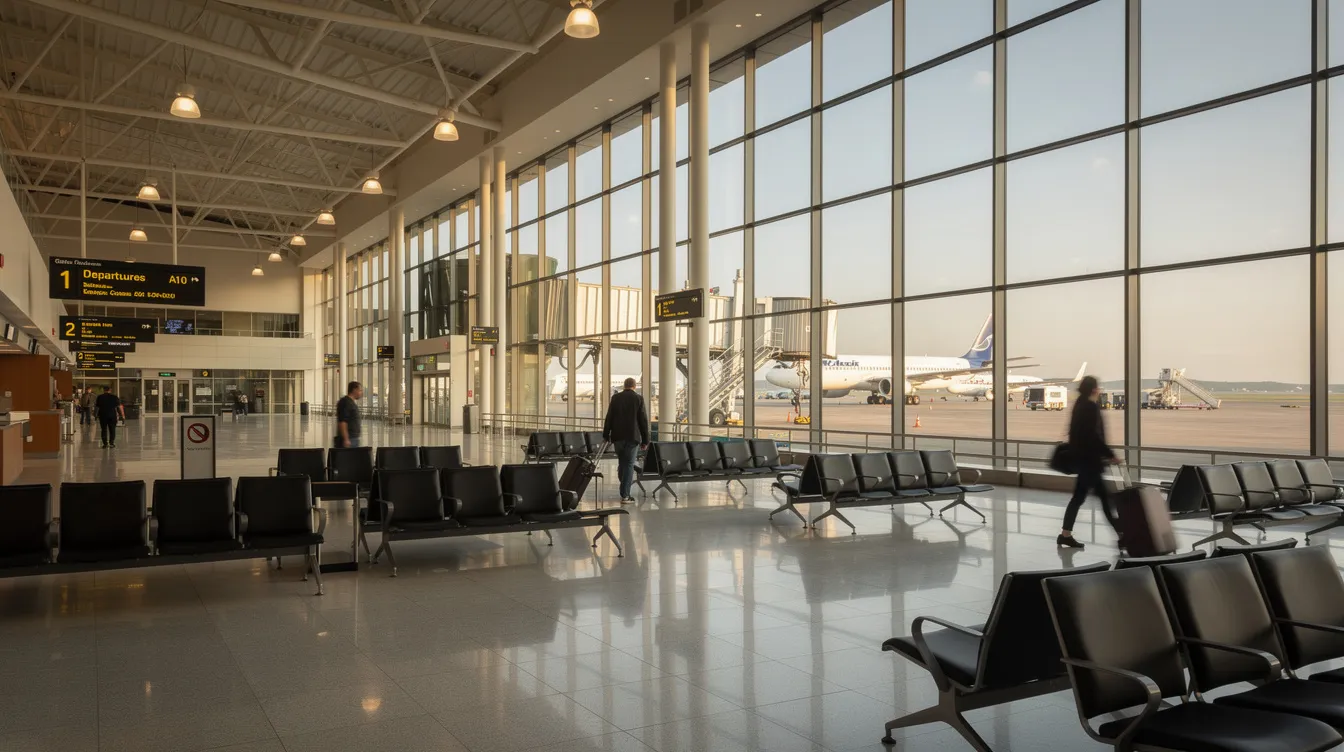
Finding the cheapest months to fly can save travelers significant money on airfare. Generally, January and September are the most affordable months for domestic and many international flights, while June and July tend to be the most expensive. This guide provides insights into seasonal pricing patterns and practical tips for booking flights at the best prices.
Jay Franco Serevilla
Jul 13, 2026
|
5
min read
View all
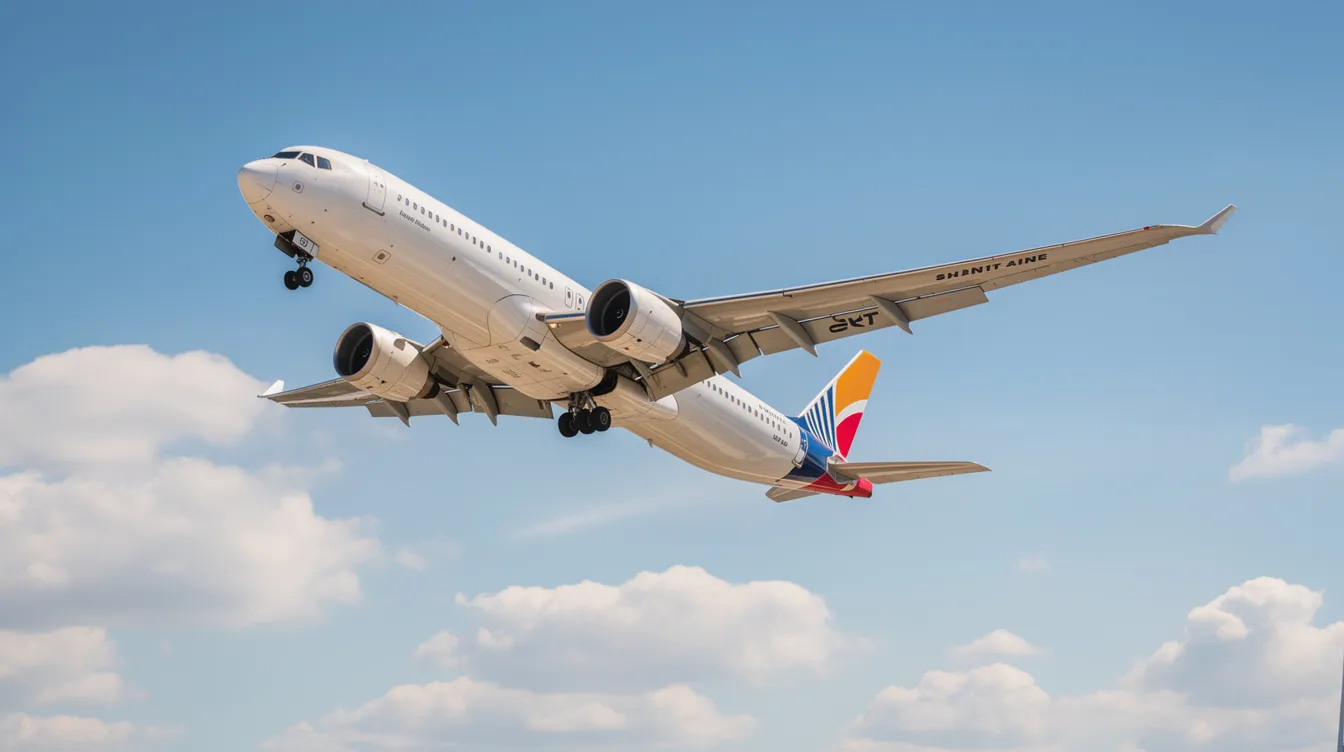
Discover the best days to book and fly in 2026 for cheaper airfare and smarter private travel. Fridays often yield the lowest fares for commercial flights, while midweek days are ideal for flying. Flexibility in booking and travel dates is crucial for maximizing savings, especially for private jet charters.
Jay Franco Serevilla
Jul 13, 2026
|
5
min read

View all
This comprehensive guide covers everything travelers need to know about flying to London, England, whether via private jets or commercial airlines. It highlights key airports, pricing strategies, and booking tips to maximize convenience and savings. With insights into seasonal trends and aircraft options, this guide is essential for both business and leisure travelers planning their journey to London.
Jay Franco Serevilla
Jul 13, 2026
|
5
min read

View all
Fighter jets are named to convey speed, agility, and dominance, often using themes from nature, mythology, and national symbols. The evolution of naming conventions reflects the aircraft's roles and capabilities, from World War II icons to modern stealth fighters. Understanding these names provides insight into military strategy and the cultural significance behind each aircraft.
Jay Franco Serevilla
Jul 13, 2026
|
5
min read

View all
Jet fighter planes are specialized military aircraft designed for air-to-air combat, emphasizing speed, maneuverability, and precision. This article explores the evolution of these fighters from their inception in the 1940s to the advanced fifth-generation models like the F-35 and emerging sixth-generation concepts. Understanding their capabilities and roles is essential for grasping modern military aviation and air superiority.
Jay Franco Serevilla
Jul 13, 2026
|
5
min read
View all
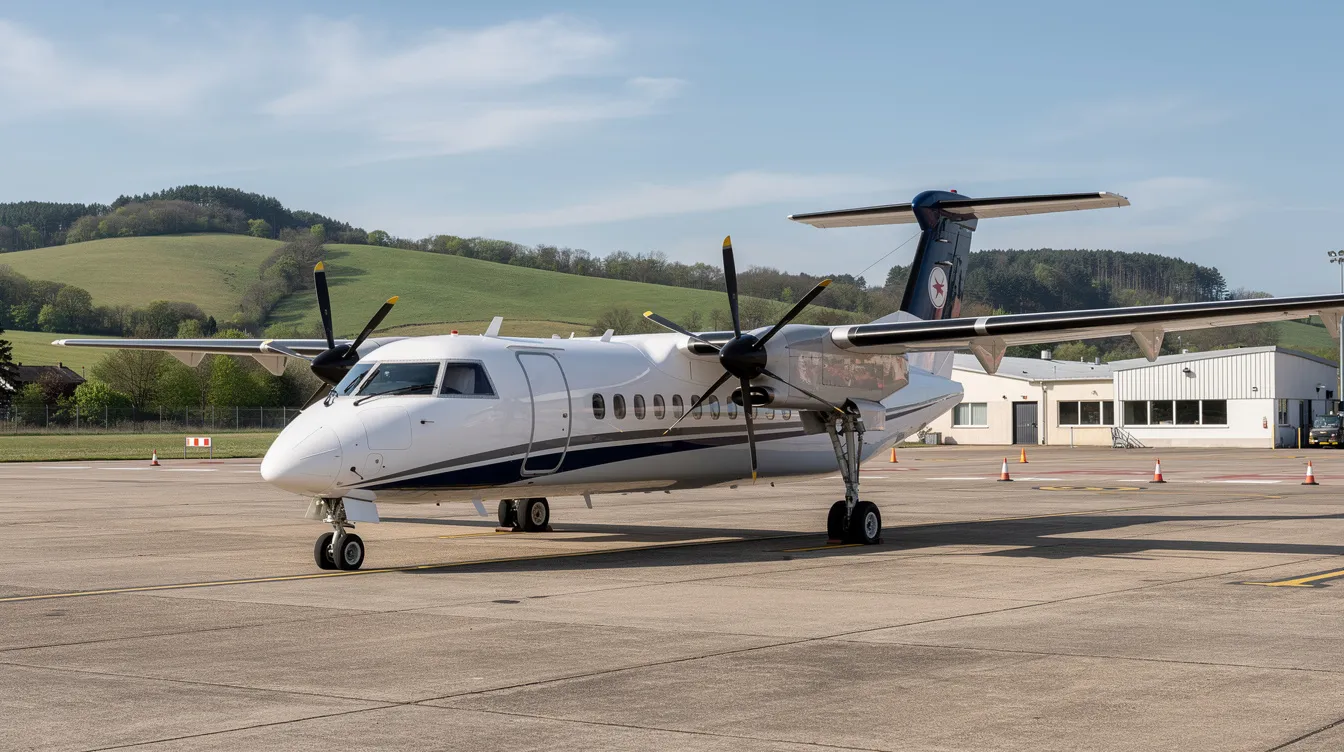
The Saab 340A is a reliable twin-engine turboprop airliner designed for regional markets, accommodating 25 to 36 passengers. With a maximum cruising speed of 271 knots and a service ceiling of 25,000 feet, it remains a strong choice for charter operations. Jettly offers easy access to Saab 340A charters, providing transparent pricing and on-demand booking for various travel needs.
Jay Franco Serevilla
Jul 13, 2026
|
5
min read
Explore our latest articles and updates.
5
min read
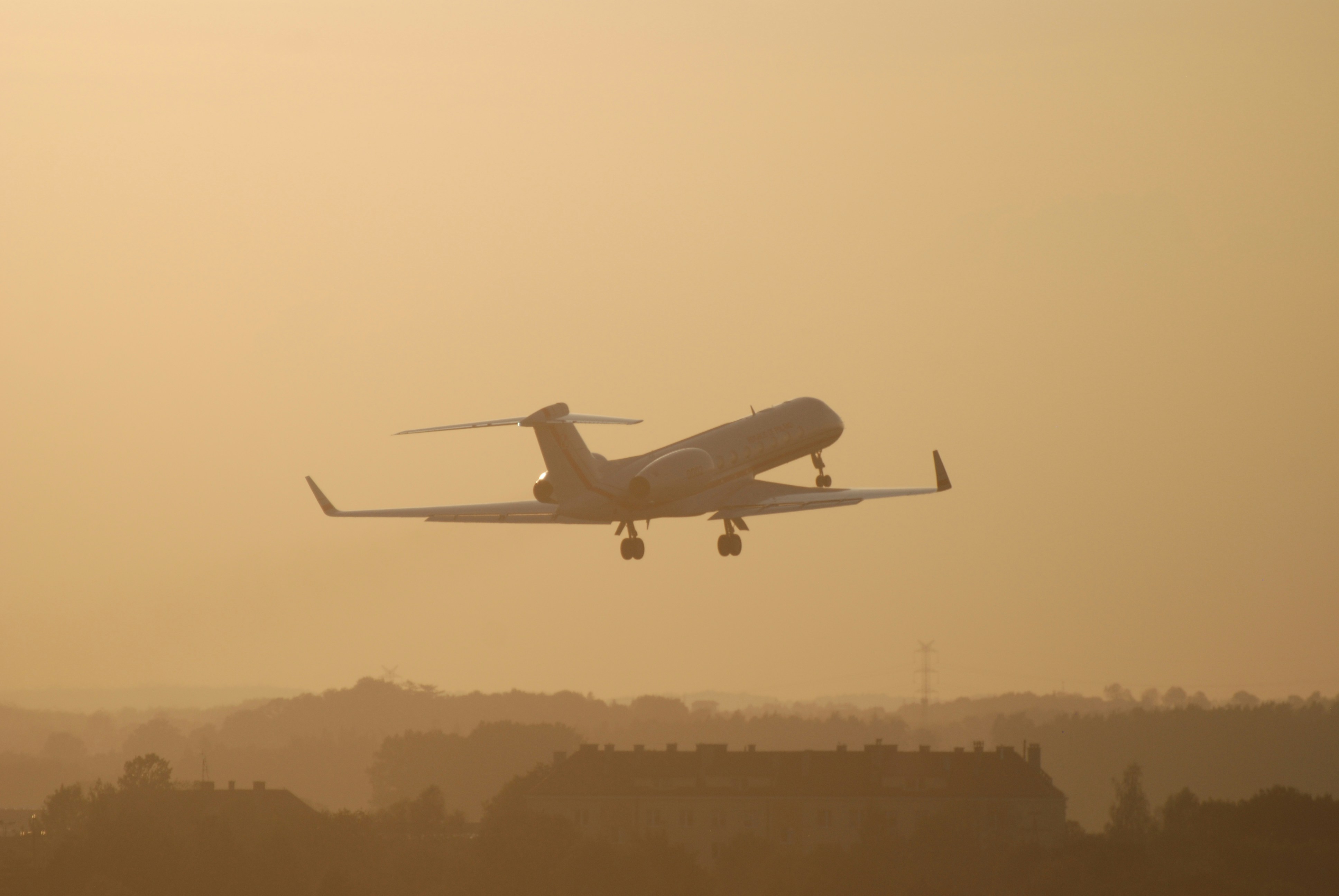
Tiger Woods' Gulfstream G550: How elite athletes manage multicity travel
This article explores Tiger Woods' $53 million Gulfstream G550 and how high-performance private aviation serves as a crucial tool for top athletes. Beyond comfort and luxury, the jet's low cabin altitude pressurization, massive storage for specialized physio equipment, and direct long-range flight capabilities help Woods manage chronic injuries and travel fatigue while navigating a demanding global competition schedule.
Read More
5
min read
Helicopter Flying Time: How Long Your Flight Should Really Be
This guide provides insights into helicopter flying times, helping travelers understand what to expect when booking a flight. Factors such as distance, weather, and aircraft type influence the duration of flights, with typical airborne times ranging from 15 to 60 minutes. Knowing these details allows for better planning and a more enjoyable charter experience.
Read MoreJoin our community and receive the latest blog updates directly in your inbox.
MEMBERSHIPS AND ASSOCIATIONS



Disclaimer: Jettly operates as a charter broker, offering access to a global digital jet charter marketplace. Jettly is not a direct air carrier and does not own or operate aircraft. All advertised flights are conducted by third-party air carriers that are fully licensed and hold the appropriate Part 135 or Part 121 certifications issued by the Federal Aviation Administration (FAA) or equivalent regulatory authorities under U.S. or foreign law. Jettly complies fully with the U.S. Department of Transportation's Part 295 and Part 298 Charter Broker regulations. Jettly does not carry additional liability insurance. Passengers are covered by aircraft operator insurance. TICO: 50023770


