


Login
Get Instant Pricing On 23,000+ Aircraft


Cirrus SR22 insurance costs can range from $2,500 to over $9,000 annually, influenced by factors like hull value and pilot experience. Understanding these costs and investing in training can help owners manage their insurance expenses effectively as they head into 2026.
Jay Franco Serevilla
Oct 6, 2026
|
5
min read


View all
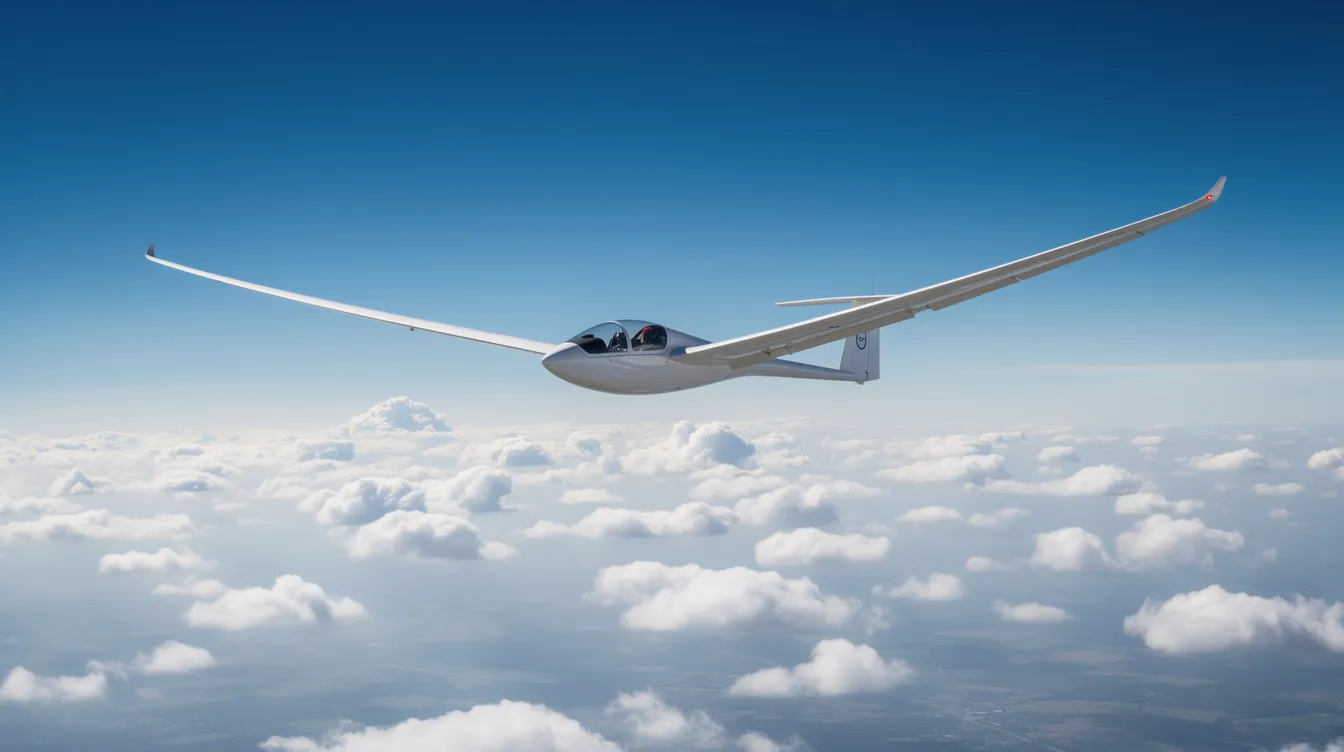
This comprehensive guide explores sailplane gliders, high-performance unpowered aircraft designed for long-distance soaring. It covers aerodynamics, soaring techniques, training, and the differences between sailplanes and other aircraft. Whether you're an aspiring pilot or an aviation enthusiast, this guide provides valuable insights into the world of modern gliding.
Jay Franco Serevilla
Aug 15, 2026
|
5
min read

View all
The AH-64 Apache is a formidable twin-engine attack helicopter with a fuselage length of 58 ft 3 in and a rotor diameter of 48 ft. Its dimensions significantly influence its operational capabilities, including range, payload, and battlefield performance. Understanding these specifications is crucial for military logistics and mission planning.
Jay Franco Serevilla
Aug 15, 2026
|
5
min read
View all
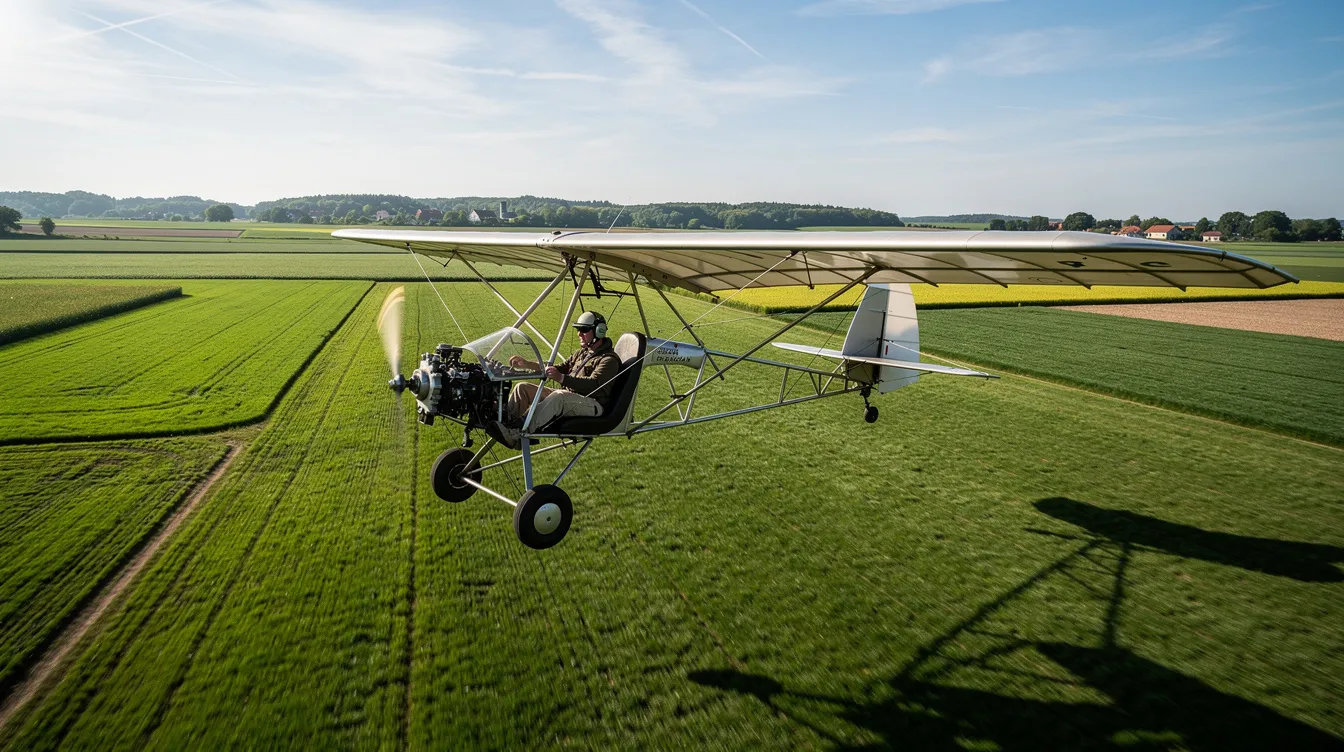
The Ison Airbike ultralight is a minimalist aircraft that offers a unique flying experience, often referred to as the 'motorcycle of the sky.' This guide explores its design, performance, and regulatory context, making it ideal for aviation enthusiasts and prospective builders. With its lightweight structure and open-cockpit design, the Airbike provides an accessible entry point into the world of ultralight flying.
Jay Franco Serevilla
Aug 15, 2026
|
5
min read

View all
Quicksilver ultralight airplanes are lightweight, open-cockpit aircraft known for their accessibility and ease of use, with over 15,000 units produced since the 1970s. They offer a unique flying experience, ideal for recreational pilots, while also complementing private aviation through charter services for longer trips.
Jay Franco Serevilla
Aug 15, 2026
|
5
min read
View all
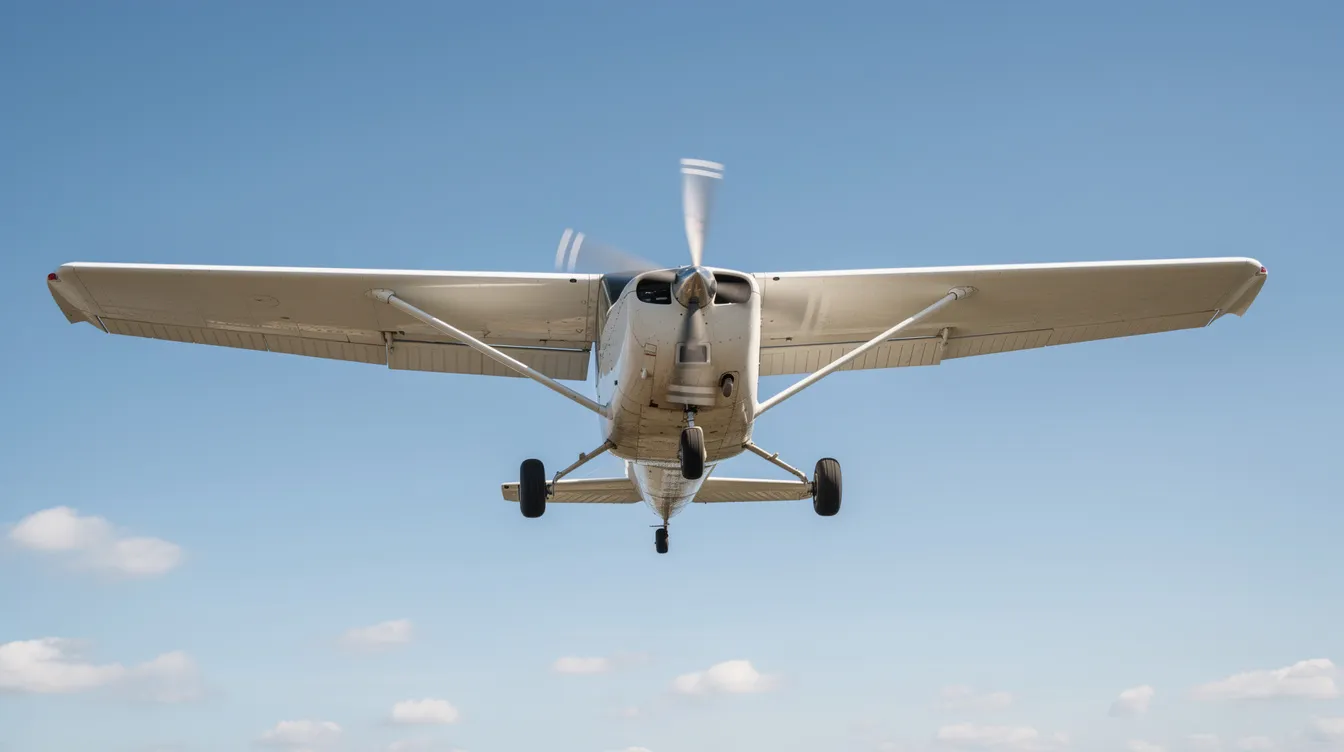
Understanding the Cessna 172 G limits is crucial for pilots to ensure safety and airframe longevity. This guide details the structural load limits, how various factors affect them, and the importance of G-load awareness during flight. It emphasizes the significance of adhering to these limits to prevent structural damage and enhance decision-making in the cockpit.
Jay Franco Serevilla
Aug 15, 2026
|
5
min read

View all
A Cessna range map is a crucial tool for pilots and aviation enthusiasts, illustrating the maximum flight distances of various Cessna aircraft models under ideal conditions. This guide helps users interpret these maps for effective flight planning, comparing different models, and understanding real-world range limitations. By considering factors like wind, payload, and altitude, travelers can make informed decisions about their flight routes.
Jay Franco Serevilla
Aug 15, 2026
|
5
min read
Explore our latest articles and updates.

5
min read
How Fractional Jet Ownership Works: The Complete Guide
Fractional jet ownership allows individuals or companies to purchase a share of a specific aircraft, typically ranging from 1/16 to 1/2, granting them a proportional number of flight hours annually and access to equivalent aircraft when their own is unavailable. This model provides the benefits of private jet travel, including professional management and operational ease, while reducing the financial burden compared to full ownership. Owners can expect to fly between 50 to 400 hours per year, depending on their share size, and the management company handles all operational aspects under FAA regulations. While fractional ownership requires a significant initial investment and ongoing fees, it offers equity and flexibility, making it suitable for frequent flyers, whereas those flying less may prefer alternatives like jet cards or charter services.
Read More
5
min read
Fractional Jet Ownership Cost: The Complete Pricing Breakdown
Fractional jet ownership in 2026 typically requires an upfront investment of $500,000 to over $1.5 million for a share, along with monthly management fees ranging from $8,000 to $25,000 and hourly flight costs of $4,000 to $9,000, leading to total five-year costs that can exceed $1 million. The structure includes various fees such as acquisition costs, management fees, fuel surcharges, and depreciation, making it essential for potential buyers to understand the complete financial implications. While fractional ownership offers flexibility and access to aircraft, it may not be cost-effective for those flying under 150 hours annually, where alternatives like jet cards could provide better value. A thorough analysis of all costs and usage patterns is crucial for informed decision-making in private aviation investments.
Read MoreJoin our community and receive the latest blog updates directly in your inbox.
MEMBERSHIPS AND ASSOCIATIONS



Disclaimer: Jettly operates as a charter broker, offering access to a global digital jet charter marketplace. Jettly is not a direct air carrier and does not own or operate aircraft. All advertised flights are conducted by third-party air carriers that are fully licensed and hold the appropriate Part 135 or Part 121 certifications issued by the Federal Aviation Administration (FAA) or equivalent regulatory authorities under U.S. or foreign law. Jettly complies fully with the U.S. Department of Transportation's Part 295 and Part 298 Charter Broker regulations. Jettly does not carry additional liability insurance. Passengers are covered by aircraft operator insurance. TICO: 50023770


