



Login
Get Instant Pricing On 23,000+ Aircraft

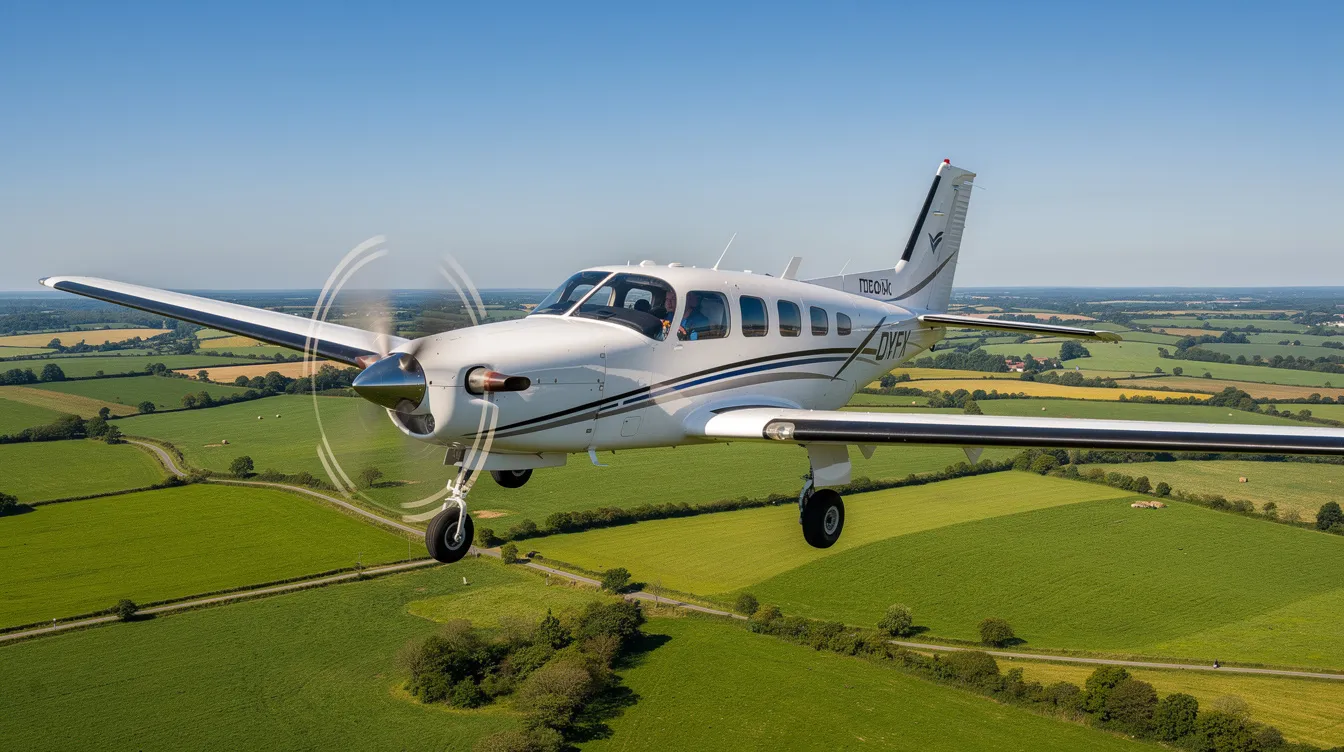
The term 'P46 plane' refers to both the historical Curtiss XP-46 fighter prototype and the modern Piper PA-46 family of aircraft. The Piper PA-46, known for its pressurized cabin and efficiency, has become a popular choice for private aviation and charter services. This guide explores both aircraft, focusing on the advantages of the Piper PA-46 for travelers seeking comfort and cost-effectiveness in regional flights.
Jay Franco Serevilla
Jul 21, 2026
|
5
min read



View all
Travel insurance for airfare is crucial for protecting your investment in non-refundable tickets against cancellations and delays. Whether you're flying commercially or chartering a private jet, understanding the nuances of flight insurance can save you from significant financial loss. This guide covers what flight insurance entails, its benefits, and when it's worth purchasing.
Jay Franco Serevilla
Sep 12, 2026
|
5
min read

View all
This article compares Vonlane, a luxury motorcoach service in Texas, with Jettly, a private jet charter platform. While Vonlane offers a comfortable and convenient ground travel experience, Jettly provides flexibility and privacy for air travel. Discover which option suits your travel needs best.
Jay Franco Serevilla
Sep 12, 2026
|
5
min read

View all
Traveling from New York to Miami offers various options including flights, driving, buses, and private jets. The distance is approximately 1,280 miles by road and 1,090 miles by air, with direct flights taking about 3 to 3.5 hours. This guide provides insights on travel times, costs, and the best ways to plan your journey.
Jay Franco Serevilla
Sep 12, 2026
|
5
min read

View all
Traveling from New York to Miami offers various options, including direct flights, driving, and private jet charters. The aerial distance is about 1,090 miles, while driving spans approximately 1,280–1,300 miles. This guide provides insights into travel times, costs, and the best routes for your journey.
Jay Franco Serevilla
Sep 12, 2026
|
5
min read

View all
The flight time from New York to Aruba typically ranges from 4 hours 30 minutes to 5 hours, with an average of about 4 hours 43 minutes. Factors such as departure airport and flight type can significantly affect total travel time, especially when considering connecting flights. For those seeking convenience, private jet charters can offer similar in-air times while reducing overall travel duration.
Jay Franco Serevilla
Sep 12, 2026
|
5
min read

View all
Traveling from New York City to Miami typically takes about 3 hours on a nonstop flight, making it a convenient option for both business and leisure travelers. Understanding flight durations and booking strategies can help optimize your travel experience, whether you choose commercial flights or private jet charters. With multiple airlines offering direct services, planning ahead can lead to significant time and cost savings.
Jay Franco Serevilla
Sep 12, 2026
|
5
min read
Explore our latest articles and updates.

5
min read
Why Did Flights Go Up Today? (And What You Can Do About It)
Flight prices can increase rapidly due to real-time pricing algorithms, booking surges, and changes in seat inventory. Understanding these dynamics allows travelers to make informed decisions, whether adjusting travel dates or considering private jet charters for better control over costs. This guide explores the reasons behind fare spikes and offers strategies to manage travel expenses effectively.
Read More
5
min read
Why Planes Fly at 35,000 Feet: The Real Reason Behind Cruising Altitude
Planes typically fly at 35,000 feet because this altitude optimizes fuel efficiency, engine performance, and passenger comfort while minimizing turbulence. The thin air at this height reduces aerodynamic drag, allowing aircraft to travel faster and consume less fuel. Additionally, flying at this altitude helps avoid most weather disturbances, ensuring a smoother ride for passengers.
Read MoreJoin our community and receive the latest blog updates directly in your inbox.
MEMBERSHIPS AND ASSOCIATIONS



Disclaimer: Jettly operates as a charter broker, offering access to a global digital jet charter marketplace. Jettly is not a direct air carrier and does not own or operate aircraft. All advertised flights are conducted by third-party air carriers that are fully licensed and hold the appropriate Part 135 or Part 121 certifications issued by the Federal Aviation Administration (FAA) or equivalent regulatory authorities under U.S. or foreign law. Jettly complies fully with the U.S. Department of Transportation's Part 295 and Part 298 Charter Broker regulations. Jettly does not carry additional liability insurance. Passengers are covered by aircraft operator insurance. TICO: 50023770


