


Login
Get Instant Pricing On 23,000+ Aircraft


The Fokker F100 is a versatile regional jet available for purchase or charter. With a capacity of up to 122 passengers, it offers a cost-effective solution for organizations needing reliable air travel. This guide explores the intricacies of buying, chartering, and operating the Fokker 100, helping you make an informed decision.
Jeff Ryan Serevilla
Sep 24, 2026
|
5
min read


View all
Knowing the best time to book a flight can save travelers significant money. This guide outlines optimal booking windows for both commercial and private flights, emphasizing the importance of timing, flexibility, and using tools like Jettly for smarter bookings.
Jay Franco Serevilla
Aug 5, 2026
|
5
min read

View all
Budget travel in 2026 emphasizes maximizing value through strategic planning, including the use of private jets. Platforms like Jettly make private aviation accessible for cost-conscious travelers, allowing groups to share costs effectively. This guide provides insights on saving money while ensuring comfort and convenience during trips.
Jay Franco Serevilla
Aug 5, 2026
|
5
min read

View all
This article explores the significance of SEO in digital marketing, emphasizing its role in enhancing online visibility and driving traffic to websites. It discusses various strategies and techniques that can be employed to optimize content for search engines, ultimately leading to improved rankings and user engagement.
Jay Franco Serevilla
Aug 4, 2026
|
5
min read

View all
Southwest Airlines offers rolling flight schedules that are updated periodically, allowing travelers to plan their trips effectively. For those facing delays or cancellations, Jettly provides private jet charter options as a flexible alternative, ensuring timely arrivals. Travelers can check flight statuses using official tools like the Adani OneApp for real-time updates.
Jay Franco Serevilla
Aug 4, 2026
|
5
min read

View all
The airline year pass offers unlimited flights for a flat fee, appealing to frequent travelers and digital nomads. However, it comes with restrictions like blackout dates and limited baggage allowances. In contrast, private jet travel through platforms like Jettly provides greater flexibility, privacy, and access to a wider range of airports, making it ideal for business travelers and those seeking bespoke travel experiences.
Jay Franco Serevilla
Aug 4, 2026
|
5
min read
View all
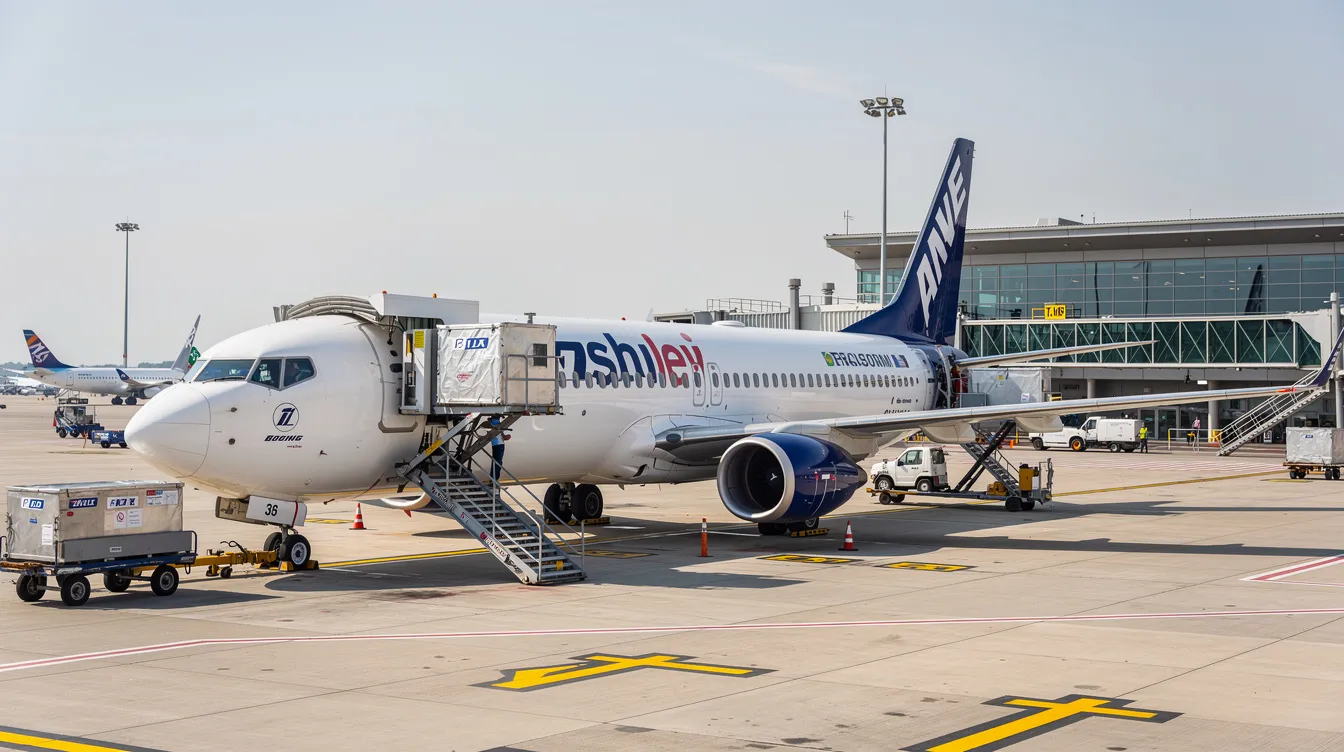
The Southwest Boeing 737-800 is a popular choice for domestic travel, featuring 175 economy seats in a 3-3 layout. This guide explores its cabin layout, fare options, and how it compares to private jet charters, highlighting the benefits of each for different travel needs.
Jay Franco Serevilla
Aug 4, 2026
|
5
min read
Explore our latest articles and updates.

5
min read
Compare Ways to Fly Private (Jettly Edition), Charter vs Monthly Membership vs Jet Card vs Cloud Fraction
The Jettly guide outlines four primary models for accessing private aviation: on-demand charter, monthly membership, jet card, and Cloud Fraction, each varying in cost, booking speed, and flexibility. On-demand charter is ideal for occasional flyers with varying routes, while monthly memberships suit those seeking low commitment and easy repeat bookings. Jet cards provide predictable pricing for frequent travelers, and Cloud Fraction offers fractional-style access without ownership. Ultimately, the best choice depends on individual travel patterns, budget, and the need for availability guarantees, emphasizing that understanding the terms behind pricing is crucial for making an informed decision.
Read More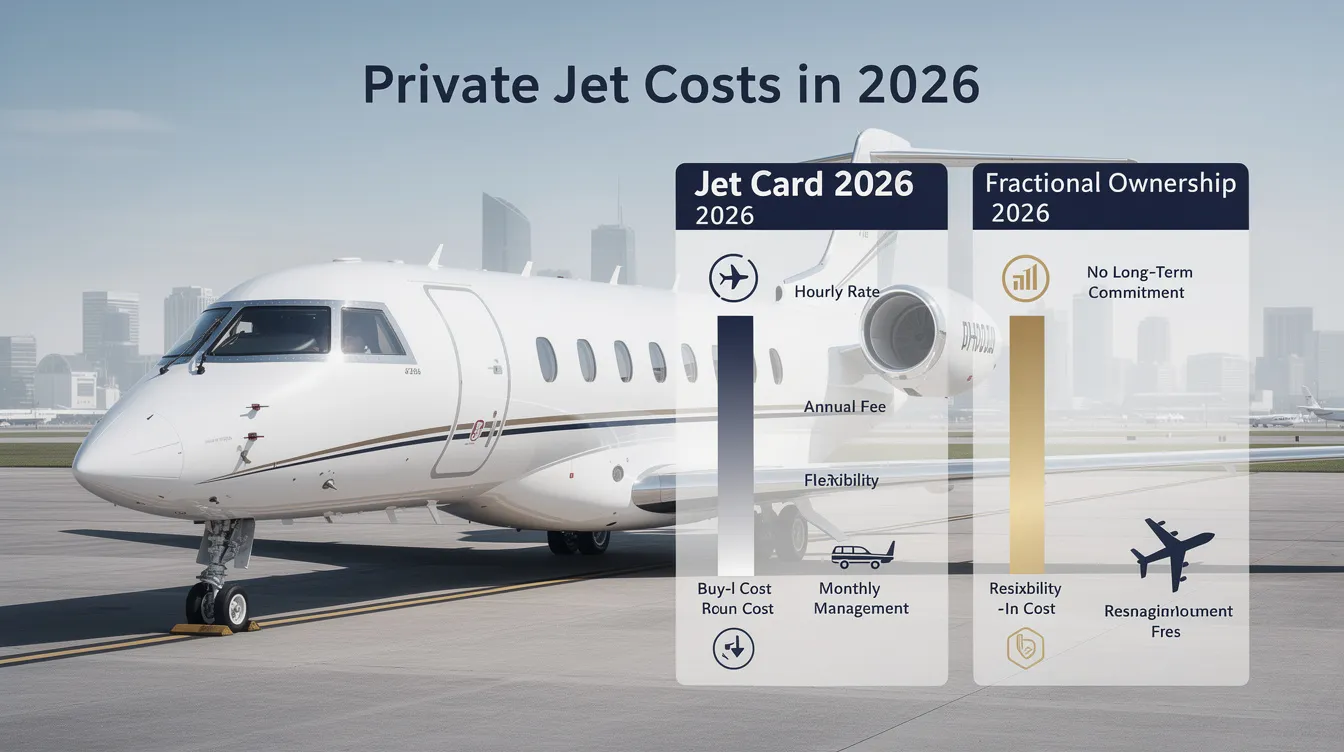
5
min read
Jet Card vs Fractional Share Costs in 2026 (Upfront Funds, Monthly Fees, Hourly Rates, and Terms)
In 2026, private jet access options include jet cards and fractional shares, each with distinct cost structures. Jet cards offer prepaid flight access without ownership, typically involving lower upfront costs and no monthly fees, while fractional shares require significant upfront capital, monthly management fees, and hourly operating charges tied to a multi-year contract. Cost comparisons should consider four key buckets: upfront funds, recurring fees, hourly charges, and contract terms, as well as factors like peak-day surcharges and minimum billing rules. Ultimately, the choice between these options depends on individual flying frequency, budget, and desired flexibility, with Jettly providing a platform for transparent comparisons and bookings.
Read MoreJoin our community and receive the latest blog updates directly in your inbox.
MEMBERSHIPS AND ASSOCIATIONS



Disclaimer: Jettly operates as a charter broker, offering access to a global digital jet charter marketplace. Jettly is not a direct air carrier and does not own or operate aircraft. All advertised flights are conducted by third-party air carriers that are fully licensed and hold the appropriate Part 135 or Part 121 certifications issued by the Federal Aviation Administration (FAA) or equivalent regulatory authorities under U.S. or foreign law. Jettly complies fully with the U.S. Department of Transportation's Part 295 and Part 298 Charter Broker regulations. Jettly does not carry additional liability insurance. Passengers are covered by aircraft operator insurance. TICO: 50023770


