


Login
Get Instant Pricing On 23,000+ Aircraft


Fighter jets are advanced military aircraft designed for air superiority and ground attack missions, playing a crucial role in global security. They have evolved significantly from early biplanes to modern stealth fighters, integrating cutting-edge technology for enhanced performance. Civilian experiences in demilitarized trainers offer a glimpse into the thrilling world of high-performance aviation.
Jay Franco Serevilla
Jul 26, 2026
|
5
min read



View all
Understanding jet card fleet availability is crucial for private aviation customers, as it impacts access to aircraft, service areas, and booking conditions. Jet card programs typically require 24–72 hours' notice for domestic bookings and may have restrictions during peak days or holidays. Jettly offers a flexible model with access to over 20,000 aircraft globally, emphasizing transparency in pricing and availability while accommodating pet travel. When selecting a jet card, it's important to consider factors such as guaranteed availability, aircraft categories, and any additional fees to ensure the program aligns with your travel needs.
Jeff Ryan Serevilla
May 17, 2026
|
5
min read

View all
Jet card programs typically allow flights during peak travel periods like holidays, but they impose stricter rules regarding availability, cancellation policies, and surcharges. Peak days often require longer booking lead times (5-10 days) and may incur surcharges of 10-40%, while cancellation policies can result in significant penalties for late cancellations. Many jet card hours expire within 12-36 months, and refundability is rare unless specified in the contract. Jettly offers a trip-based model that avoids hour expiry, providing flexibility and transparency in pricing without the constraints of traditional jet card memberships.
Jeff Ryan Serevilla
May 17, 2026
|
5
min read

View all
This guide outlines four primary private jet access models: on-demand charter, jet cards, private jet memberships, and fractional ownership, each catering to different travel needs and budgets. On-demand charter offers maximum flexibility for infrequent flyers, while jet cards provide predictable pricing and guaranteed access for those flying 25-100 hours annually. Membership programs offer lower commitments but dynamic pricing, making them suitable for occasional travelers, whereas fractional ownership is best for frequent flyers (100+ hours/year) seeking consistent access and willing to invest significantly. Ultimately, the choice depends on individual travel patterns, budget, and the desired balance between flexibility and ownership control.
Jeff Ryan Serevilla
May 17, 2026
|
5
min read

View all
In 2026, the best jet card programs cater to diverse needs, with NetJets leading for corporate travel due to its reliability and global reach, while Flexjet excels for families with its consistent service and spacious cabins. Sentient Jet offers competitive light jet rates and pet-friendly options, making it ideal for moderate flyers. Jettly stands out as a flexible, non-card alternative for those flying under 50 hours annually, providing transparent pricing without long-term commitments. Understanding the nuances of each program, including peak day policies and pricing structures, is crucial for maximizing value in private aviation.
Jeff Ryan Serevilla
May 17, 2026
|
5
min read

View all
The Embraer Lineage 1000E is an ultra-large business jet that combines the spaciousness of a commercial airliner with the luxury of private aviation, accommodating up to 19 passengers across five distinct cabin zones. With a maximum range of 4,600 nautical miles and advanced avionics, it offers operational flexibility for both business and leisure travel. Charter options are available through Jettly, providing access to this aircraft without the need for ownership, with average rental rates around $14,850 per hour. The Lineage 1000E is particularly suited for long-range missions where comfort and space are prioritized over speed.
Jay Franco Serevilla
May 17, 2026
|
5
min read

View all
A jet card is a prepaid block of private jet flight hours purchased in advance, allowing users to book flights at fixed hourly rates with guaranteed availability. Typically requiring a minimum deposit of $50,000 to $150,000 for 10-25 hours, jet cards offer predictable pricing and flexibility without the burdens of ownership. They are ideal for frequent flyers needing guaranteed access, while occasional travelers may find better value in on-demand charter services. Jettly provides a modern alternative with transparent pricing and digital booking options, catering to both individuals and businesses.
Jeff Ryan Serevilla
May 17, 2026
|
5
min read
Explore our latest articles and updates.
5
min read
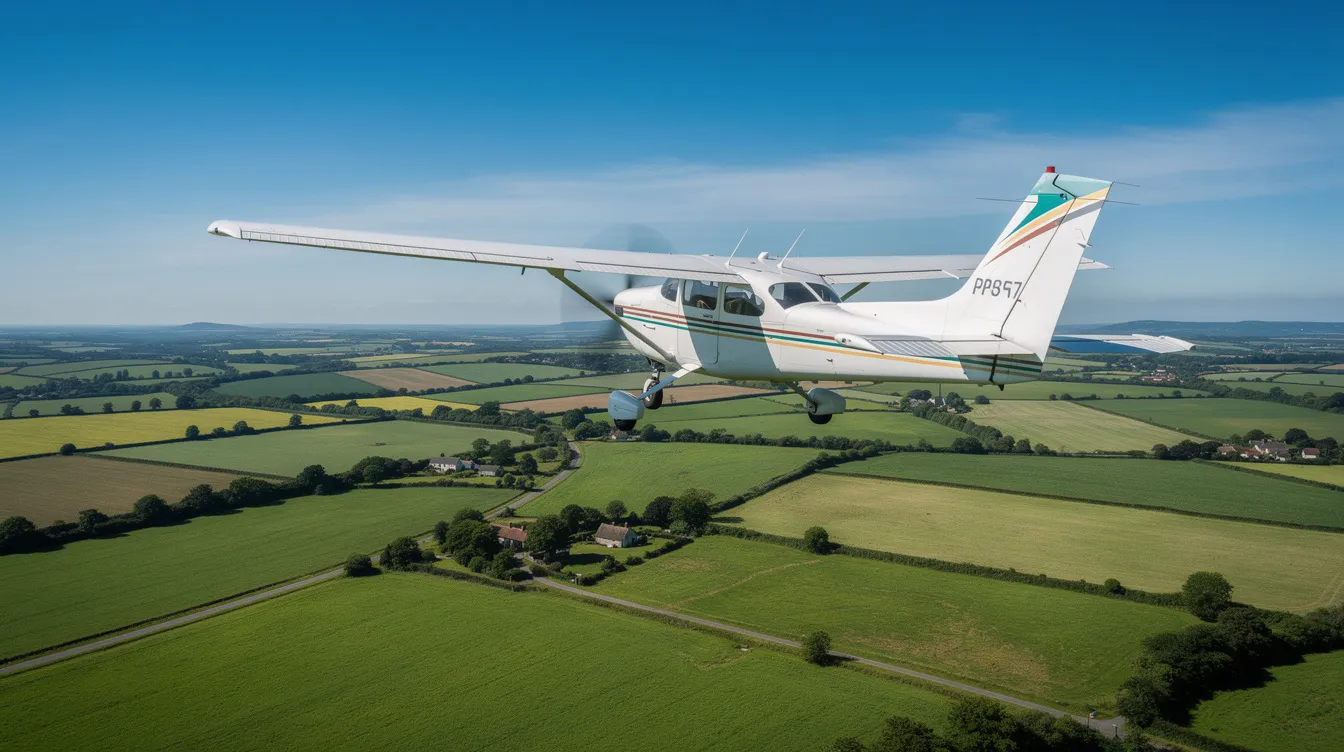
Can Private Pilots Make Money? A Practical Guide to Legal Earning Options
Private pilots can earn money legally, but only under specific and regulated circumstances, primarily outlined in 14 CFR 61.113. They may share flight costs with passengers, conduct business-related flights, participate in charity events, and engage in activities like towing gliders or performing demo flights for aircraft sales, among others. However, substantial income typically requires a commercial pilot license, which opens up more paid flying opportunities. While private pilots can offset costs through limited avenues, a commercial pilot certificate is essential for a stable and meaningful aviation career.
Read More
5
min read
What Can You Do with a Private Pilot License?
A Private Pilot License (PPL) allows holders to fly single-engine and some multi-engine aircraft for personal and business travel, carry passengers, and operate under Visual Flight Rules (VFR) in good weather. While pilots cannot fly for compensation, they can share operating expenses with passengers and enjoy various flying experiences, including scenic flights, cross-country trips, and volunteer missions. The PPL serves as a foundation for further aviation training, such as obtaining an instrument rating or a commercial pilot license. Additionally, many pilots complement their flying with private jet charters for longer or more complex trips, enhancing their travel flexibility.
Read MoreJoin our community and receive the latest blog updates directly in your inbox.
MEMBERSHIPS AND ASSOCIATIONS



Disclaimer: Jettly operates as a charter broker, offering access to a global digital jet charter marketplace. Jettly is not a direct air carrier and does not own or operate aircraft. All advertised flights are conducted by third-party air carriers that are fully licensed and hold the appropriate Part 135 or Part 121 certifications issued by the Federal Aviation Administration (FAA) or equivalent regulatory authorities under U.S. or foreign law. Jettly complies fully with the U.S. Department of Transportation's Part 295 and Part 298 Charter Broker regulations. Jettly does not carry additional liability insurance. Passengers are covered by aircraft operator insurance. TICO: 50023770


