


Login
Get Instant Pricing On 23,000+ Aircraft


Most commercial planes fly between 9 to 12 km, while private jets can reach up to 15.5 km. The chosen altitude balances fuel efficiency, safety, and passenger comfort. Understanding these heights helps travelers appreciate the dynamics of air travel and optimize their flight experience.
Jay Franco Serevilla
Sep 12, 2026
|
5
min read



View all
Helicopter specs provide essential performance data that define a rotorcraft's capabilities, including weight, speed, range, and passenger capacity. Understanding these specifications is crucial for selecting the right helicopter for various missions, from VIP transfers to emergency services. This guide simplifies complex technical details, helping users make informed decisions based on their travel needs.
Jay Franco Serevilla
Jul 25, 2026
|
5
min read

View all
Helicopter landings are critical for ensuring passenger safety and comfort, requiring precise techniques and awareness of environmental factors. Pilots utilize various landing approaches tailored to terrain and conditions, while platforms like Jettly ensure certified operators manage these complexities effectively. Understanding these processes enhances the travel experience for charter passengers.
Jay Franco Serevilla
Jul 25, 2026
|
5
min read

View all
A 6 seat helicopter strikes the perfect balance between passenger capacity and operational efficiency, making it ideal for business teams and family trips. With models like the Bell 429 and Leonardo AW119Kx, these helicopters offer spacious cabins and advanced safety features. Jettly's platform simplifies the booking process, allowing travelers to compare options and secure charters effortlessly.
Jay Franco Serevilla
Jul 25, 2026
|
5
min read

View all
This guide provides an overview of New York helicopter companies, detailing their services including scenic tours, private flights, and airport transfers. Jettly connects travelers with vetted operators, offering transparent pricing and instant booking for a seamless experience. Discover the best options for exploring NYC from above or bypassing traffic with quick transfers.
Jay Franco Serevilla
Jul 25, 2026
|
5
min read
View all
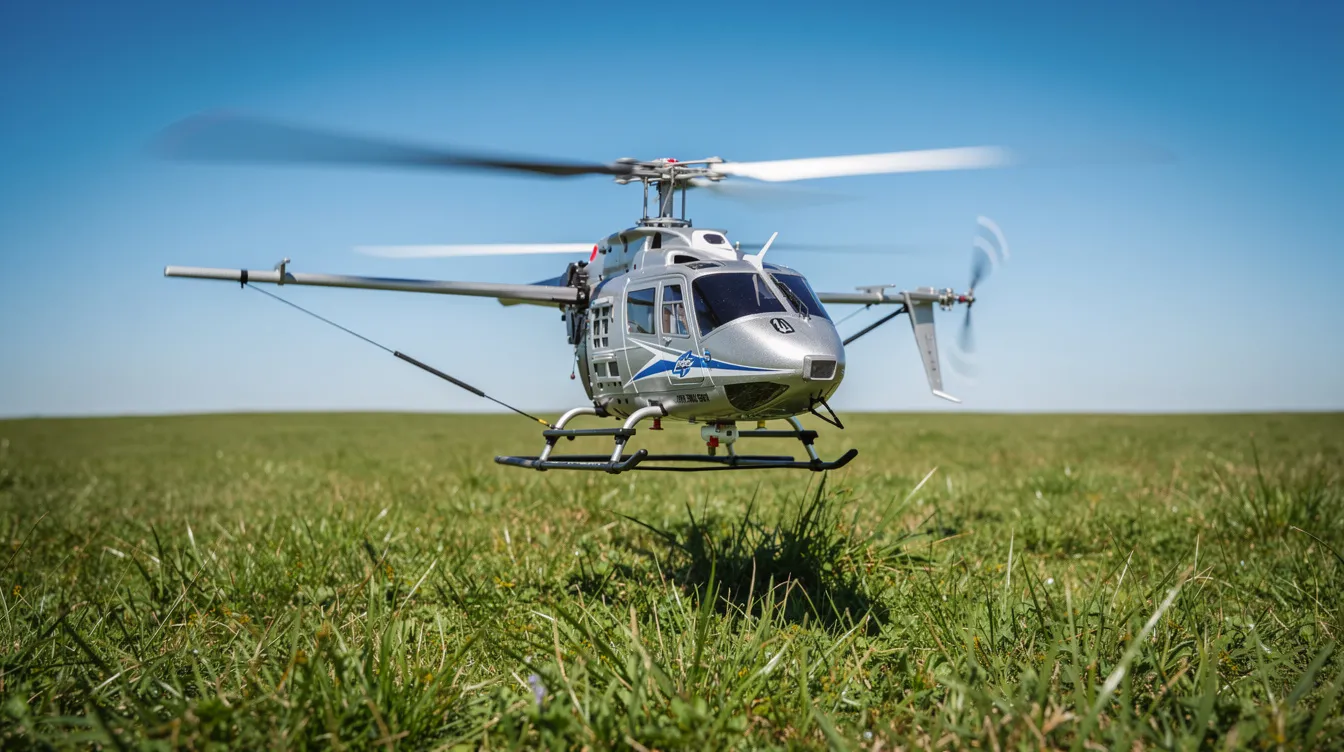
This comprehensive guide explores the diverse world of helicopter motors, from electric brushless motors in RC models to powerful turboshaft engines in full-size rotorcraft. It highlights key specifications, performance factors, and the importance of maintenance for both hobbyists and private charter clients. Understanding these motors enhances appreciation for the technology behind helicopter operation.
Jay Franco Serevilla
Jul 25, 2026
|
5
min read

View all
Transport helicopters are essential for accessing remote locations where traditional aircraft cannot operate. This guide explores their roles, types, and capabilities across military, humanitarian, and private sectors. It highlights iconic models and offers insights for travelers and aviation enthusiasts on how to effectively utilize these versatile rotorcraft.
Jay Franco Serevilla
Jul 25, 2026
|
5
min read
Explore our latest articles and updates.

5
min read
Sailplane Glider: Complete Guide to Modern Soaring
This comprehensive guide explores sailplane gliders, high-performance unpowered aircraft designed for long-distance soaring. It covers aerodynamics, soaring techniques, training, and the differences between sailplanes and other aircraft. Whether you're an aspiring pilot or an aviation enthusiast, this guide provides valuable insights into the world of modern gliding.
Read More
5
min read
Apache Dimensions: Size, Performance & Role of the AH‑64 Attack Helicopter
The AH-64 Apache is a formidable twin-engine attack helicopter with a fuselage length of 58 ft 3 in and a rotor diameter of 48 ft. Its dimensions significantly influence its operational capabilities, including range, payload, and battlefield performance. Understanding these specifications is crucial for military logistics and mission planning.
Read MoreJoin our community and receive the latest blog updates directly in your inbox.
MEMBERSHIPS AND ASSOCIATIONS



Disclaimer: Jettly operates as a charter broker, offering access to a global digital jet charter marketplace. Jettly is not a direct air carrier and does not own or operate aircraft. All advertised flights are conducted by third-party air carriers that are fully licensed and hold the appropriate Part 135 or Part 121 certifications issued by the Federal Aviation Administration (FAA) or equivalent regulatory authorities under U.S. or foreign law. Jettly complies fully with the U.S. Department of Transportation's Part 295 and Part 298 Charter Broker regulations. Jettly does not carry additional liability insurance. Passengers are covered by aircraft operator insurance. TICO: 50023770


