


Login
Get Instant Pricing On 23,000+ Aircraft


Multi-city private jet charter provides a flexible and efficient travel solution for those visiting multiple destinations in one trip, streamlining complex itineraries under a single booking. This service is particularly beneficial for business executives and families, offering significant time savings, reduced stress, and the ability to customize routes and aircraft choices. Platforms like Jettly facilitate instant pricing and booking across a vast network of over 20,000 aircraft and 10,000 airports, enhancing convenience and accessibility. Overall, multi-city private jet charters transform travel into a seamless experience, allowing for greater productivity and comfort compared to commercial airlines.
Jay Franco Serevilla
Apr 22, 2026
|
5
min read



View all
The Bombardier Challenger 650 is a premier large-cabin business jet, renowned for its transatlantic range and spacious interior. With a maximum range of 4,011 nautical miles and the ability to access challenging airports, it is a top choice for corporate and leisure travelers alike. Jettly offers flexible booking options for this highly requested aircraft.
Jay Franco Serevilla
Jul 20, 2026
|
5
min read

View all
The Bombardier Challenger CL 601 is a classic large-cabin business jet known for its spacious interior and long-range capabilities. Ideal for corporate teams and families, it offers a comfortable flying experience with modern amenities. This guide explores its features, performance, and charter considerations, highlighting its enduring popularity in the private jet market.
Jay Franco Serevilla
Jul 20, 2026
|
5
min read

View all
The Bombardier Challenger 850 is a spacious large-cabin business jet ideal for charter flyers, accommodating 12 to 18 passengers with a range of 2,800 nautical miles. It combines luxury and cost-effectiveness, making it a popular choice for corporate travel and family trips. This guide covers its specifications, performance, and charter pricing, helping travelers make informed decisions.
Jay Franco Serevilla
Jul 20, 2026
|
5
min read

View all
A G6 plane is the popular nickname for the Gulfstream G650, an ultra long-range business jet known for its speed and luxury. With a spacious cabin and advanced technology, it caters to corporate executives and high-net-worth travelers seeking efficient long-haul travel. The G650's impressive performance and comfort make it a top choice in private aviation.
Jay Franco Serevilla
Jul 20, 2026
|
5
min read

View all
The Bell 429 GlobalRanger is a versatile twin-engine helicopter designed for various missions, including corporate transport and emergency medical services. With a spacious cabin and advanced safety features, it offers comfort and reliability for charter travelers. Jettly's platform simplifies the booking process, connecting users to a global network of certified operators.
Jay Franco Serevilla
Jul 20, 2026
|
5
min read

View all
The Embraer Phenom 300 is a leading super light jet known for its impressive range, comfort, and performance. Understanding the hourly costs associated with chartering or owning this jet is crucial for potential users. This guide provides detailed insights into charter rates, ownership expenses, and factors influencing costs, helping you make informed travel decisions.
Jay Franco Serevilla
Jul 20, 2026
|
5
min read
Explore our latest articles and updates.
5
min read
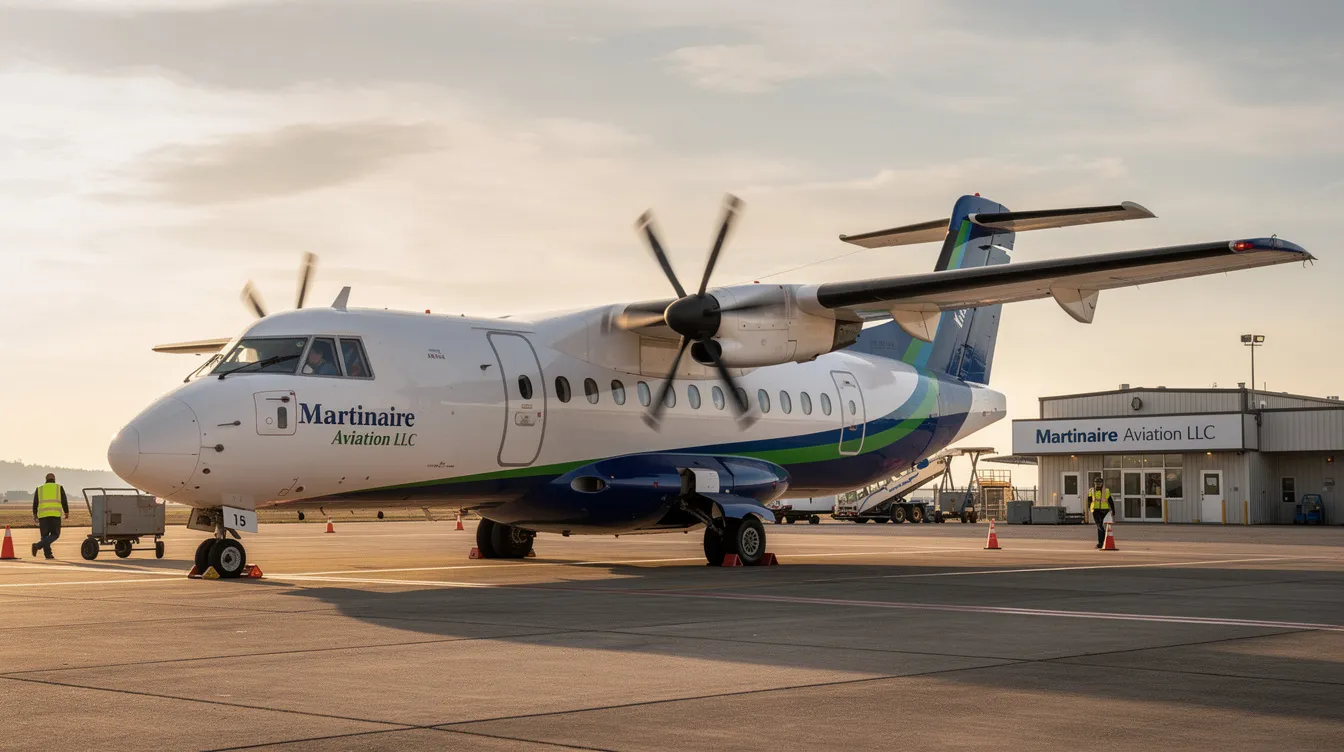
Martinaire Aviation LLC: Cargo Operations, Careers, and How It Compares to Private Charter
Martinaire Aviation LLC, founded in 1978, is a leading cargo feeder carrier in the U.S., specializing in overnight freight operations. With a fleet of turboprop aircraft, it connects regional airports to major sorting hubs, primarily serving integrators like UPS. This article explores Martinaire's operations, career opportunities, and how it contrasts with private charter services like Jettly.
Read More
5
min read
Alerion Aviation: Charter, Aircraft Management, and How Jettly Helps You Compare Options
Alerion Aviation is a premier boutique private aviation company specializing in aircraft management, on-demand charter, and in-house maintenance. With a strong safety record and a large fleet operating from key U.S. locations, Alerion offers personalized service for travelers and aircraft owners. Jettly enhances the experience by providing a digital marketplace for comparing charter options, ensuring travelers find the best fit for their needs.
Read MoreJoin our community and receive the latest blog updates directly in your inbox.
MEMBERSHIPS AND ASSOCIATIONS



Disclaimer: Jettly operates as a charter broker, offering access to a global digital jet charter marketplace. Jettly is not a direct air carrier and does not own or operate aircraft. All advertised flights are conducted by third-party air carriers that are fully licensed and hold the appropriate Part 135 or Part 121 certifications issued by the Federal Aviation Administration (FAA) or equivalent regulatory authorities under U.S. or foreign law. Jettly complies fully with the U.S. Department of Transportation's Part 295 and Part 298 Charter Broker regulations. Jettly does not carry additional liability insurance. Passengers are covered by aircraft operator insurance. TICO: 50023770


