



Login
Get Instant Pricing On 23,000+ Aircraft


Key West, FL, is a prime destination for travelers seeking sun and adventure, accessible via commercial airlines or private jet charters. Key West International Airport (EYW) serves as the main gateway, located just 2 miles from downtown. This guide provides insights on flight options, seasonal pricing, and activities to enjoy upon arrival.
Jay Franco Serevilla
Jul 29, 2026
|
5
min read



View all
Traveling from New York to Key West offers various options, including direct flights taking about 3-4 hours and private jet charters for added flexibility. Major airlines like American, Delta, and JetBlue operate on this route, with the best prices typically found when booked 40 days in advance. Jettly provides private jet services, allowing travelers to bypass long security lines and enjoy a more personalized experience.
Jay Franco Serevilla
Oct 13, 2026
|
5
min read

View all
Empty leg flights to Hawaii provide significant savings on private jet travel, offering discounts of 30% to 75% compared to standard charter prices. Jettly's platform connects flexible travelers with available empty legs, making luxury travel to the islands more accessible. This guide explains how empty legs work, key airports, and tips for booking the best deals.
Jay Franco Serevilla
Oct 13, 2026
|
5
min read

View all
The Boeing Space Freighter was a groundbreaking concept for a fully reusable cargo spaceplane proposed in the 1970s, designed to transport 420 tons to low Earth orbit. Although it was never built, its ambitious vision continues to influence modern aerospace developments and the future of space travel. This article delves into its design, historical context, and implications for commercial and private travel.
Jay Franco Serevilla
Oct 13, 2026
|
5
min read

View all
The Southwest Boeing 737-700 is a popular narrowbody aircraft featuring a single-cabin layout with 143 economy seats. This guide provides insights into seat types, layout, and how it compares to private jet charters, helping travelers make informed choices for comfort and convenience. Discover the best and worst seats, onboard amenities, and fare types to enhance your flying experience.
Jay Franco Serevilla
Oct 13, 2026
|
5
min read
View all
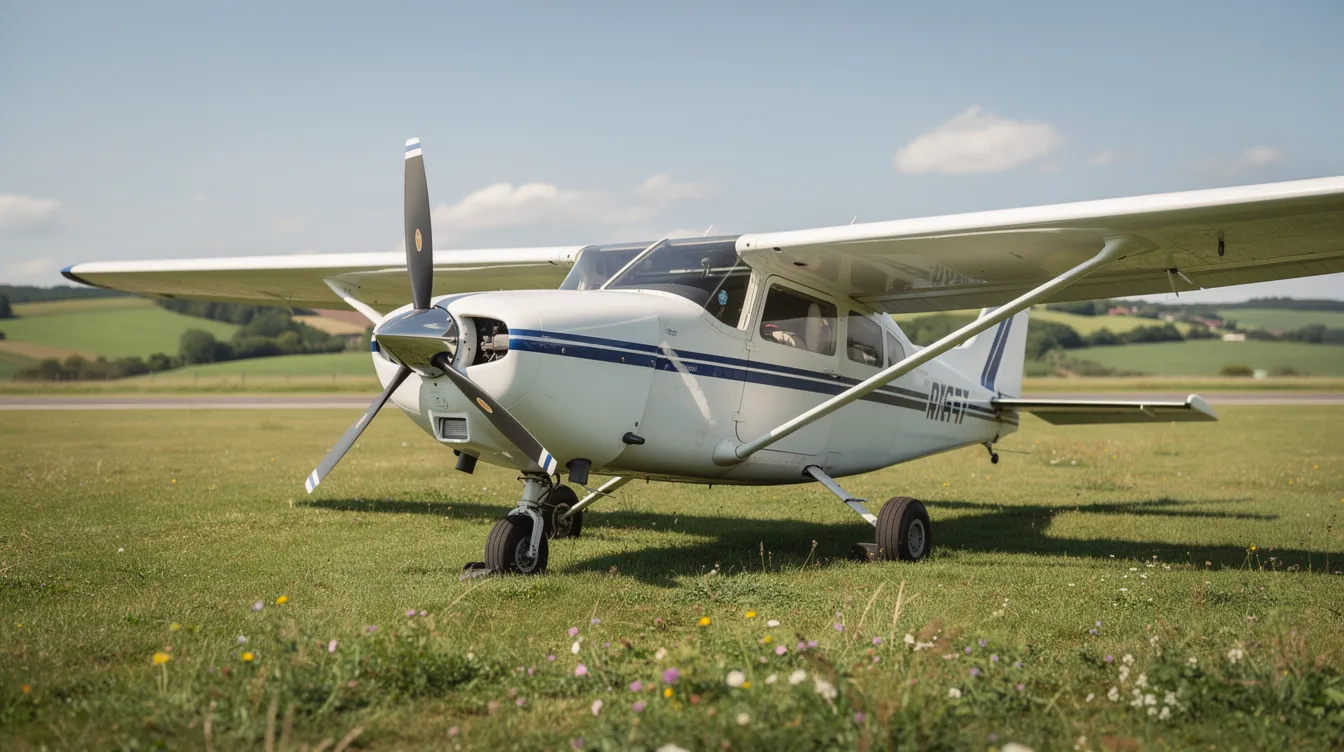
In 2026, fuel costs for small planes vary significantly based on aircraft type and fuel type, with 100LL avgas averaging $6.80 to $7.54 per gallon and Jet A ranging from $7.00 to $9.20. This guide provides insights for private pilots and charter customers on managing fuel expenses effectively. Understanding fuel consumption rates and regional price variations is crucial for budgeting and optimizing flight choices.
Jay Franco Serevilla
Oct 13, 2026
|
5
min read

View all
Knowing when to buy a flight ticket can save you money and enhance your travel experience. This guide provides insights into optimal booking windows for domestic and international flights, as well as tips for using price tracking tools and understanding dynamic pricing. By planning ahead and utilizing available resources, travelers can secure the best deals and enjoy a smoother journey.
Jay Franco Serevilla
Oct 13, 2026
|
5
min read
Explore our latest articles and updates.
5
min read
Lodi CA Airport Guide: Flying Into Lodi Airport (1O3) & Lodi Airpark (L53) with Private Charter
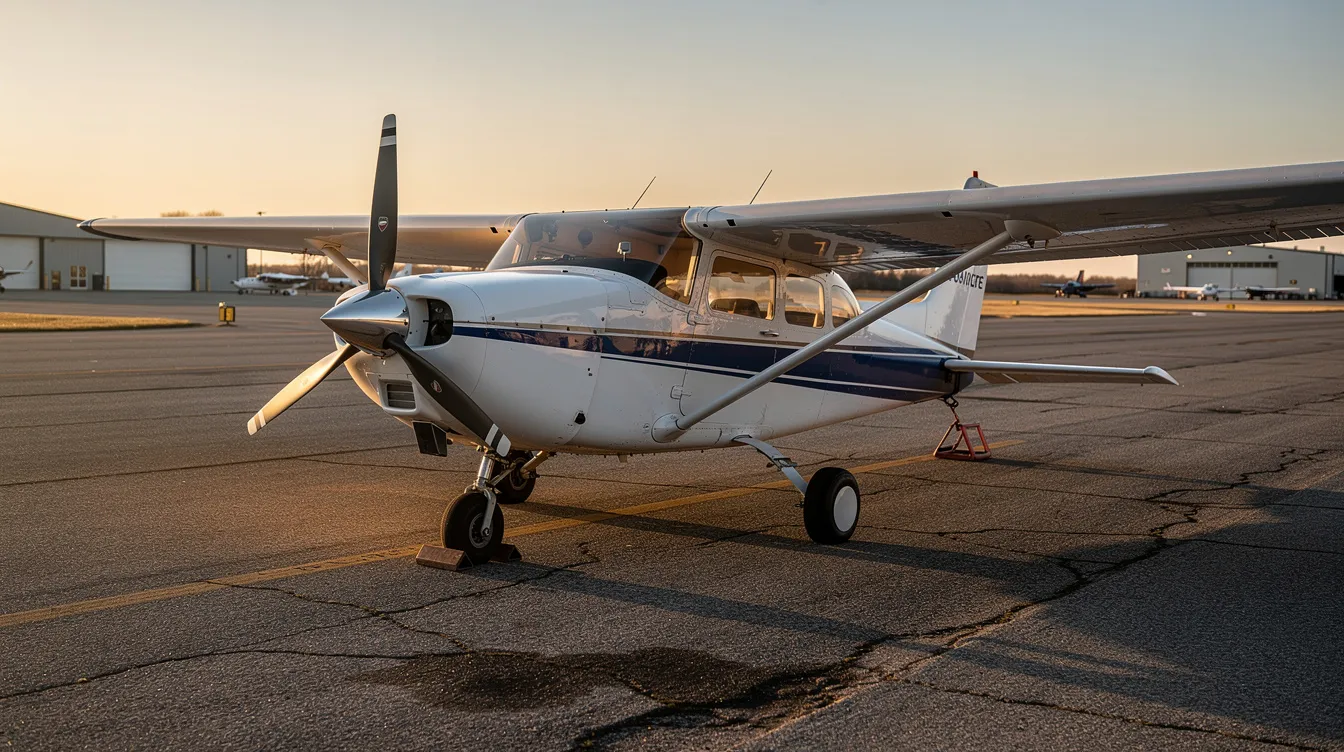
Lodi, CA, offers two primary airports for private flying: Lodi Airport (1O3) and Lodi Airpark (L53). This guide provides essential information for private pilots and charter travelers, detailing airport features, services, and nearby alternatives for efficient travel planning to the Central Valley's wine country.
Read More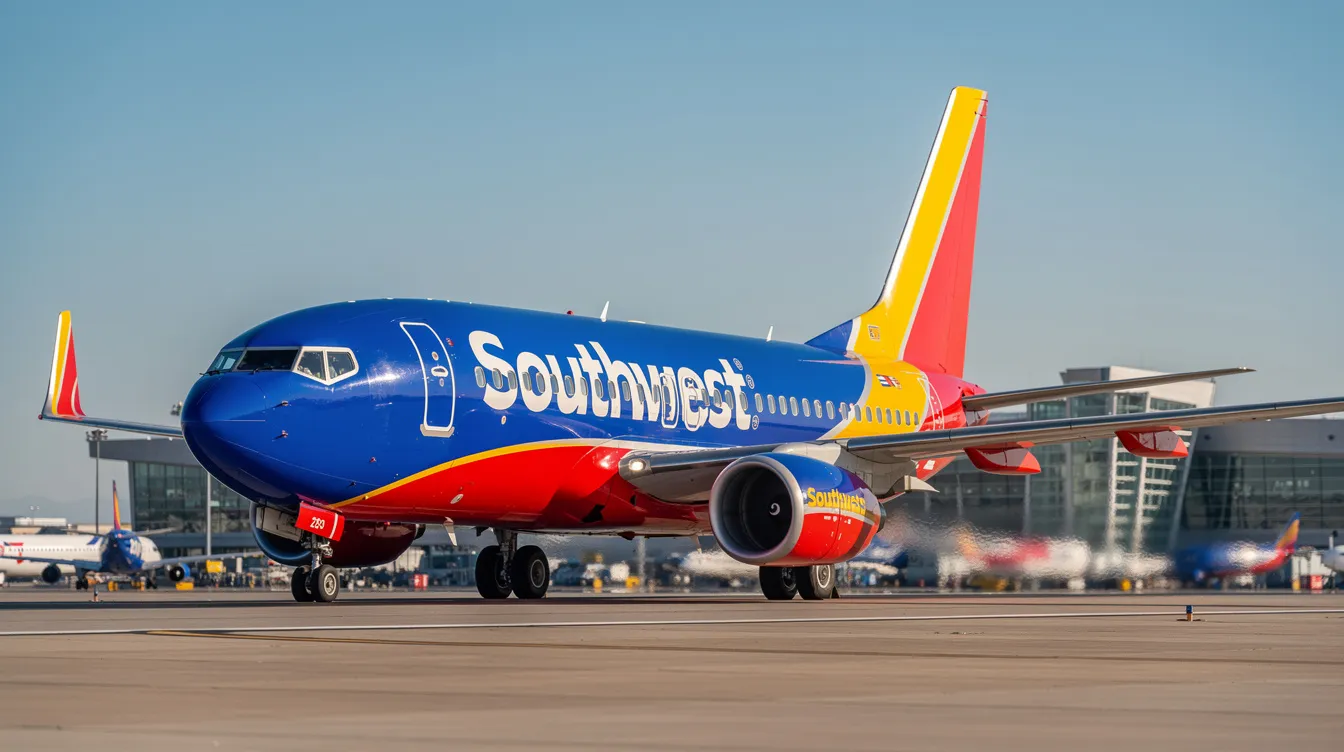
5
min read
SWA Southwest Airlines Reservations: How to Book, Manage, and Compare with Private Jet Travel
This guide explores the evolving landscape of Southwest Airlines reservations, detailing booking options, fare types, and policies. It also compares these with private jet travel alternatives, highlighting when chartering a jet might be the better choice. Whether you're a frequent flyer or new to private jets, this resource equips you with essential insights for your next trip.
Read MoreJoin our community and receive the latest blog updates directly in your inbox.
MEMBERSHIPS AND ASSOCIATIONS



Disclaimer: Jettly operates as a charter broker, offering access to a global digital jet charter marketplace. Jettly is not a direct air carrier and does not own or operate aircraft. All advertised flights are conducted by third-party air carriers that are fully licensed and hold the appropriate Part 135 or Part 121 certifications issued by the Federal Aviation Administration (FAA) or equivalent regulatory authorities under U.S. or foreign law. Jettly complies fully with the U.S. Department of Transportation's Part 295 and Part 298 Charter Broker regulations. Jettly does not carry additional liability insurance. Passengers are covered by aircraft operator insurance. TICO: 50023770


