



Login
Get Instant Pricing On 23,000+ Aircraft

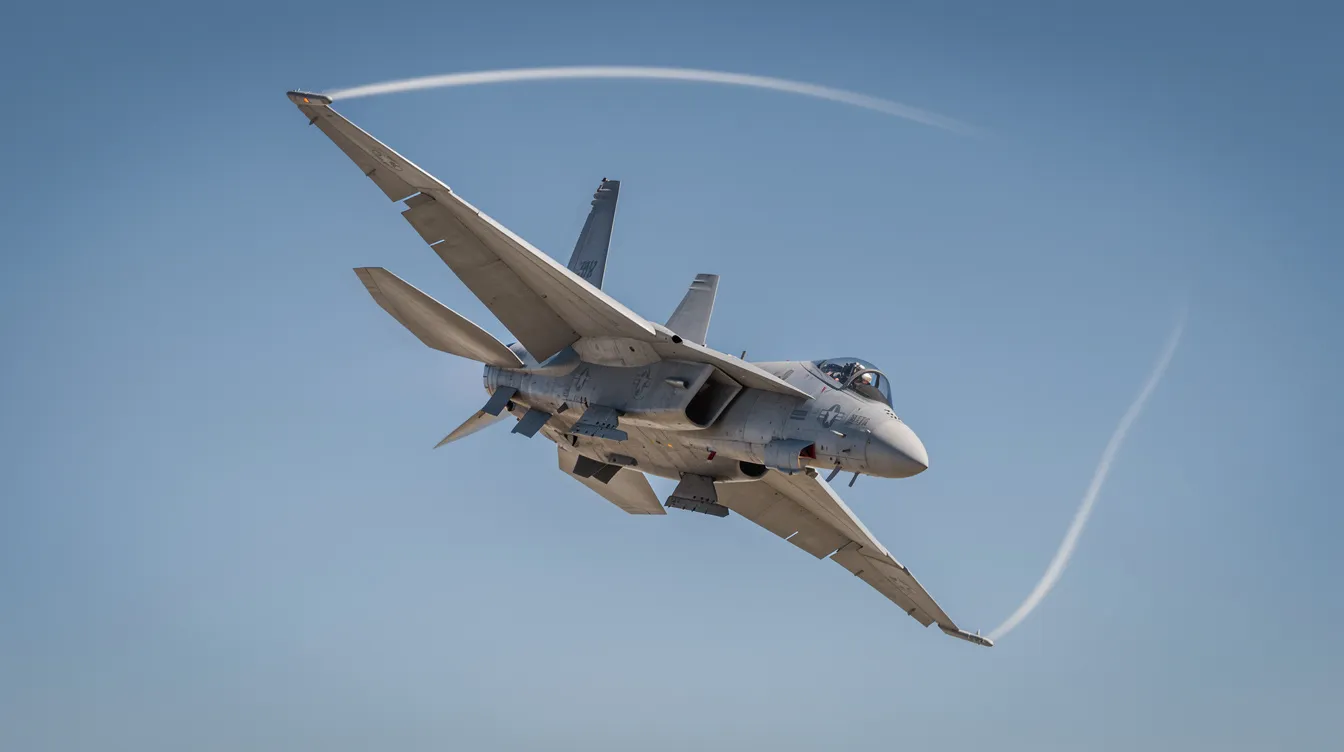
A light fighter is a small, agile combat aircraft designed for air-to-air combat and light attack missions, offering advantages in maneuverability and cost-effectiveness compared to larger multirole fighters. The concept has evolved since the 1960s, significantly influencing air combat doctrine and leading to the development of notable aircraft like the F-16 and F/A-18. Modern light fighters integrate advanced technologies such as digital engineering and open-architecture avionics, making them adaptable for various missions while maintaining lower operational costs. This design philosophy parallels trends in civilian aviation, where similar trade-offs in performance and cost are considered when selecting aircraft for private travel.
Jay Franco Serevilla
Jul 7, 2026
|
5
min read



View all
The Cirrus Vision Jet boasts a maximum cruise speed of 311 knots, making it a competitive choice for regional travel. This guide explores its performance, safety features, and how charter users can leverage its capabilities through platforms like Jettly. Understanding cruise speed is essential for effective trip planning and maximizing the jet experience.
Jeff Ryan Serevilla
Sep 22, 2026
|
5
min read

View all
In 2026, pilot training costs in the U.S. range from $4,500 for a basic sport pilot certificate to over $130,000 for comprehensive career-track programs. Understanding these costs is crucial for aspiring pilots and career changers to budget effectively and avoid unexpected expenses. This guide breaks down the various training milestones and associated costs, helping you plan your aviation journey with confidence.
Jeff Ryan Serevilla
Sep 22, 2026
|
5
min read

View all
Ann Arbor Municipal Airport (ARB) is a key hub for private flyers in southeastern Michigan, located just 3 miles from downtown Ann Arbor. This guide provides essential information on airport facilities, ground transportation options, and private charter services through Jettly, making travel to and from ARB efficient and convenient.
Jeff Ryan Serevilla
Sep 21, 2026
|
5
min read
View all
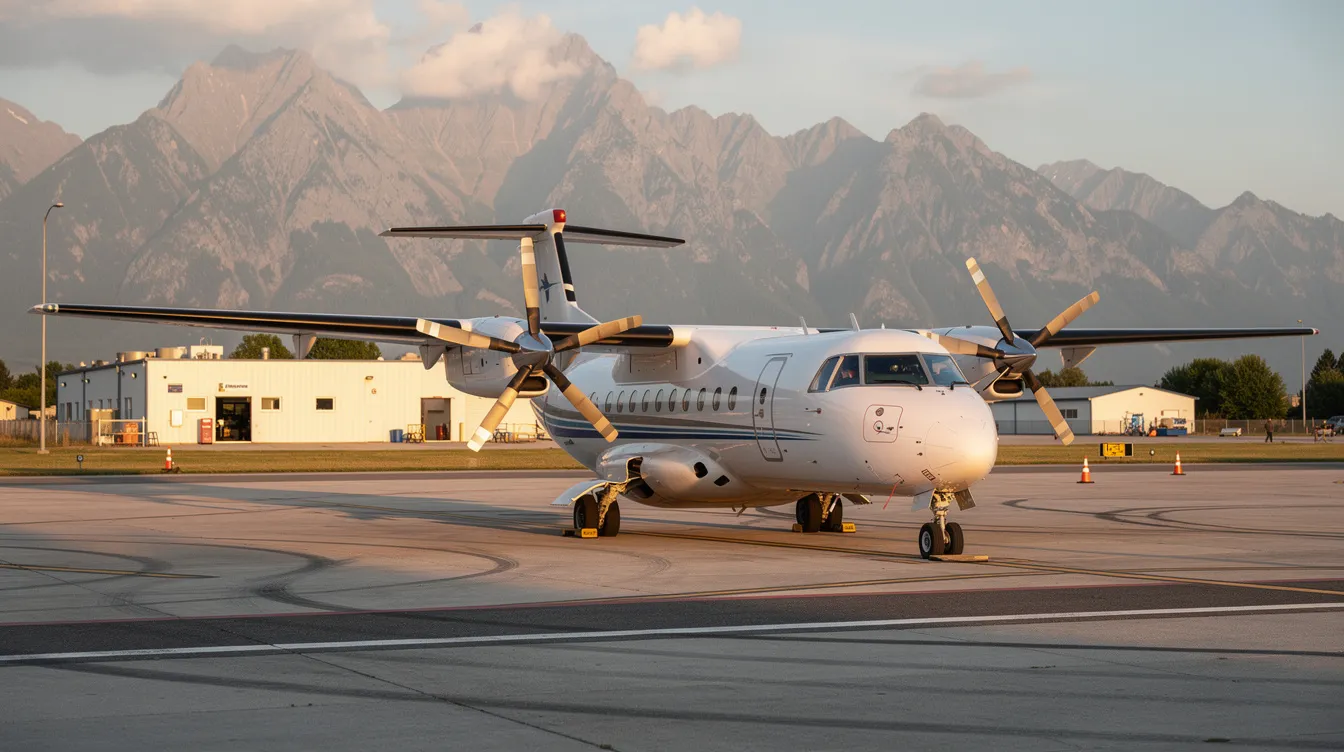
The Beechcraft 1900D is a 19-seat regional airliner known for its stand-up cabin, allowing passengers to walk upright. Despite production ending in 2002, it remains a popular choice for charter, cargo, and corporate shuttle services due to its versatility and efficiency. This guide covers its history, performance, and how to book a charter through Jettly.
Jay Franco Serevilla
Sep 21, 2026
|
5
min read
View all
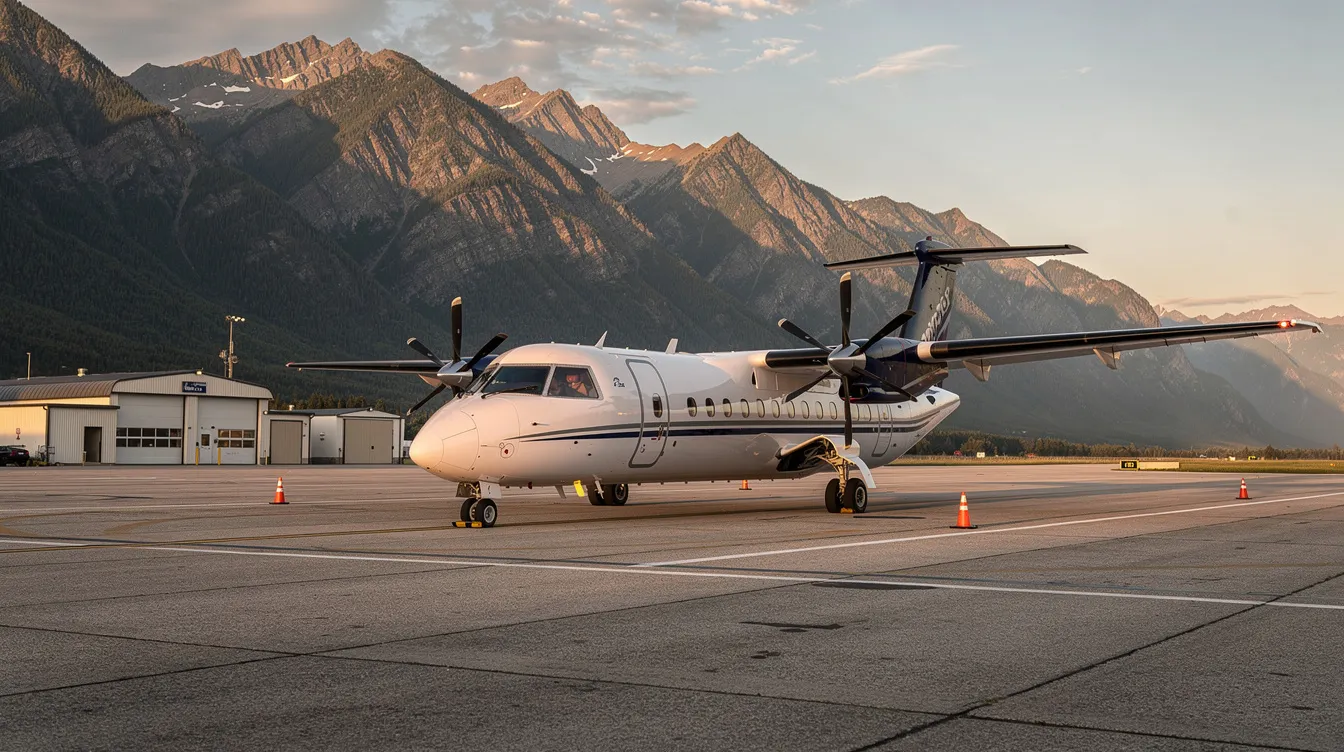
The B190 plane, part of the Beechcraft 1900 family, is a versatile 19-seat turboprop airliner ideal for regional group charters. Known for its spacious cabin and short-field performance, the Beechcraft 1900D variant enhances passenger comfort with a stand-up cabin. Jettly offers seamless booking for this aircraft, making it a popular choice for corporate transport and commuter operations.
Jay Franco Serevilla
Sep 21, 2026
|
5
min read
View all
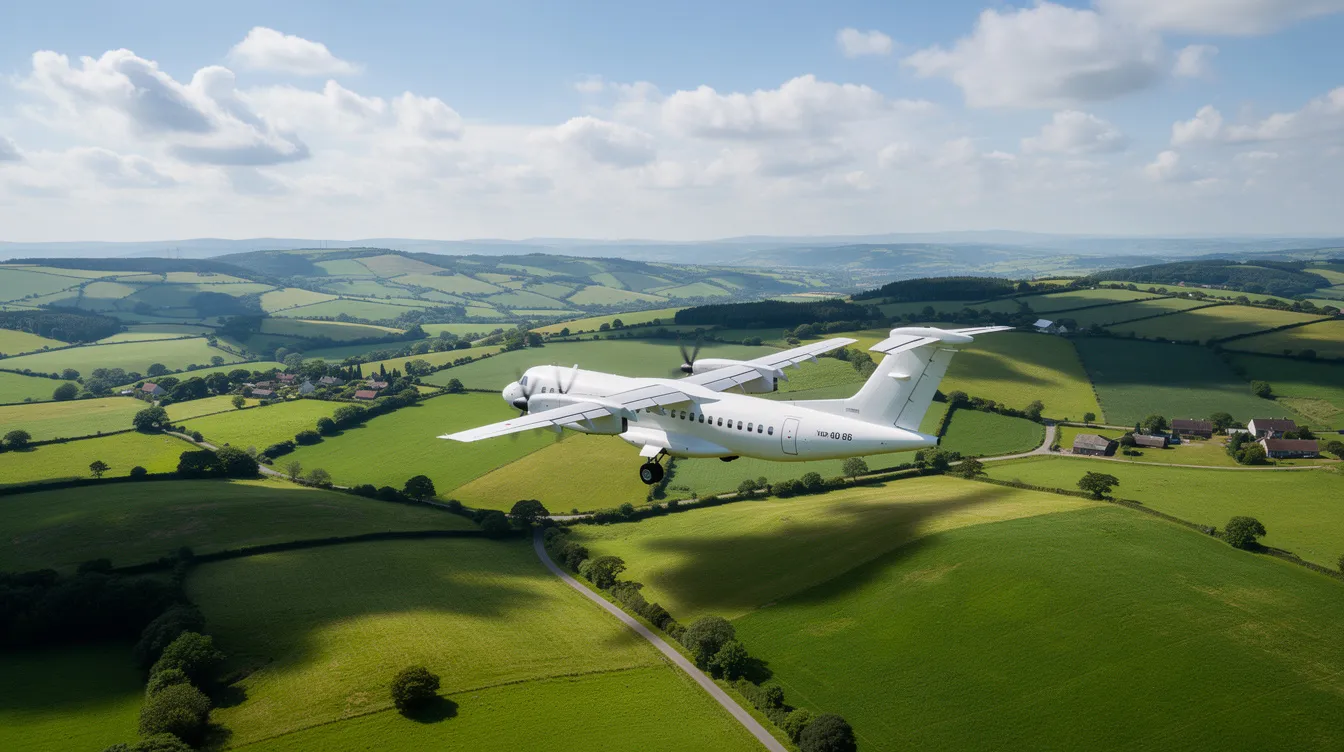
Small airplane flights revolutionize regional travel by offering faster, more convenient alternatives to commercial airlines. With access to more airports and flexible schedules, travelers can save significant time and enjoy personalized experiences. Jettly's platform simplifies booking, providing a wide range of aircraft options and transparent pricing.
Jay Franco Serevilla
Sep 21, 2026
|
5
min read
Explore our latest articles and updates.

5
min read
Personal Aircraft With No License: How to Fly Ultralights Under Part 103
Under FAA Part 103, you can fly an ultralight personal aircraft without a license, medical exam, or registration, provided it meets specific criteria. These lightweight vehicles are limited to a maximum weight of 254 pounds, a fuel capacity of 5 gallons, and a top speed of 55 knots, making them ideal for recreational flying in uncontrolled airspace. While no formal training is required, it is highly recommended for safety.
Read More
5
min read
Plane Crash Cause of Death: What Really Happens in an Aircraft Accident
The leading cause of death in plane crashes is blunt force trauma from rapid deceleration upon impact, rather than the dramatic scenarios often portrayed in media. Post-crash fires and smoke inhalation also contribute to fatalities. Understanding these causes helps clarify aviation safety and the importance of proper operator standards for private jet travelers.
Read MoreJoin our community and receive the latest blog updates directly in your inbox.
MEMBERSHIPS AND ASSOCIATIONS



© 2026 Jettly Inc. All rights reserved.
Disclaimer: Jettly operates as a charter broker, offering access to a global digital jet charter marketplace. Jettly is not a direct air carrier and does not own or operate aircraft. All advertised flights are conducted by third-party air carriers that are fully licensed and hold the appropriate Part 135 or Part 121 certifications issued by the Federal Aviation Administration (FAA) or equivalent regulatory authorities under U.S. or foreign law. Jettly complies fully with the U.S. Department of Transportation's Part 295 and Part 298 Charter Broker regulations. Jettly does not carry additional liability insurance. Passengers are covered by aircraft operator insurance. TICO: 50023770


